

`truth` Related Article Results
 Th
ThThe Apology of Socrates
The Apology of Socrates (Greek: Ἀπολογία Σωκράτους - Apología Sokrátous) is a work belonging to Plato’s early dialogues and is regarded as one of the foundational texts in the history of philosophy. The text centers on the trial of Socrates in 399 BCE before a jury of 501 Athenian citizens (dikasterion), who accused him of corrupting the youth and not believing in the gods of the city. The work is not merely a historical record of an event but also a manifesto that reveals the conflict between p
EN
Yunus Emre Yüce
WhWhy This Effort?
People are walking People are running People are waiting But why? A rush is everywhere Hurried glances, anxious eyes A murmur is present in every face The desire to go, yet stuck as if nailed in place Every day, every day, rising from bed and leaving as if enduring an endless torment And there is a return, like an ambulance trying to make its siren heard above the honking A sense of urgency is everywhere Like people scrambling to avoid the rain pouring down as if from a tipped glass If you ask w
ENİrem Kırmıt
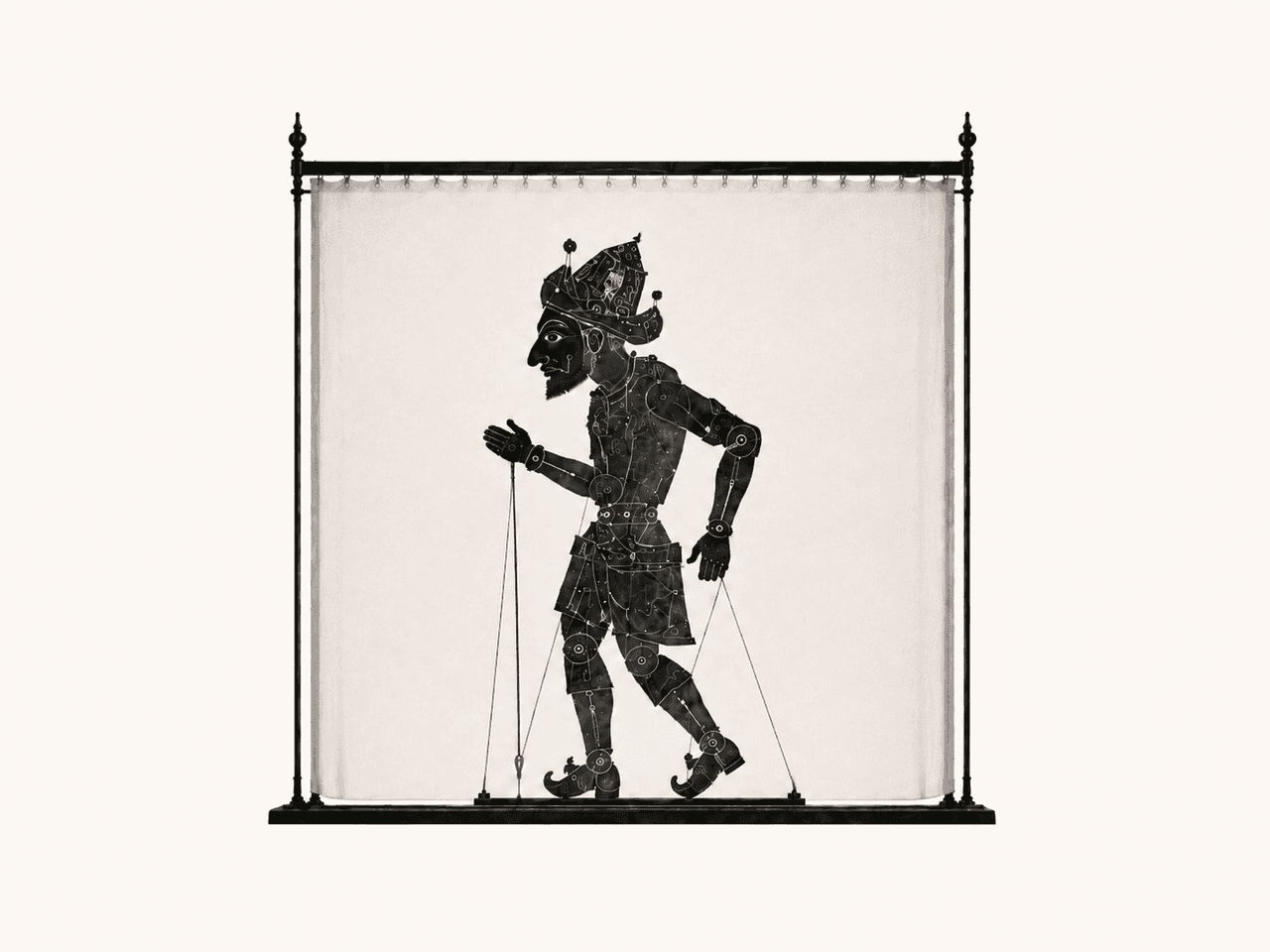
Do We Have a Philosophy of Technology?
Today, talking about technology is no longer merely about new devices, software, applications, or artificial intelligence models. Technology has become a vast environment that transforms how humans think, learn, work, remember, make decisions, and even determine what they accept as real. Therefore, the question of technology cannot be confined to the domain of engineers, entrepreneurs, or investors. Technology is now directly and fundamentally a question of humanity, society, knowledge, truth, a
EN
Ali Ömer Yurddaş
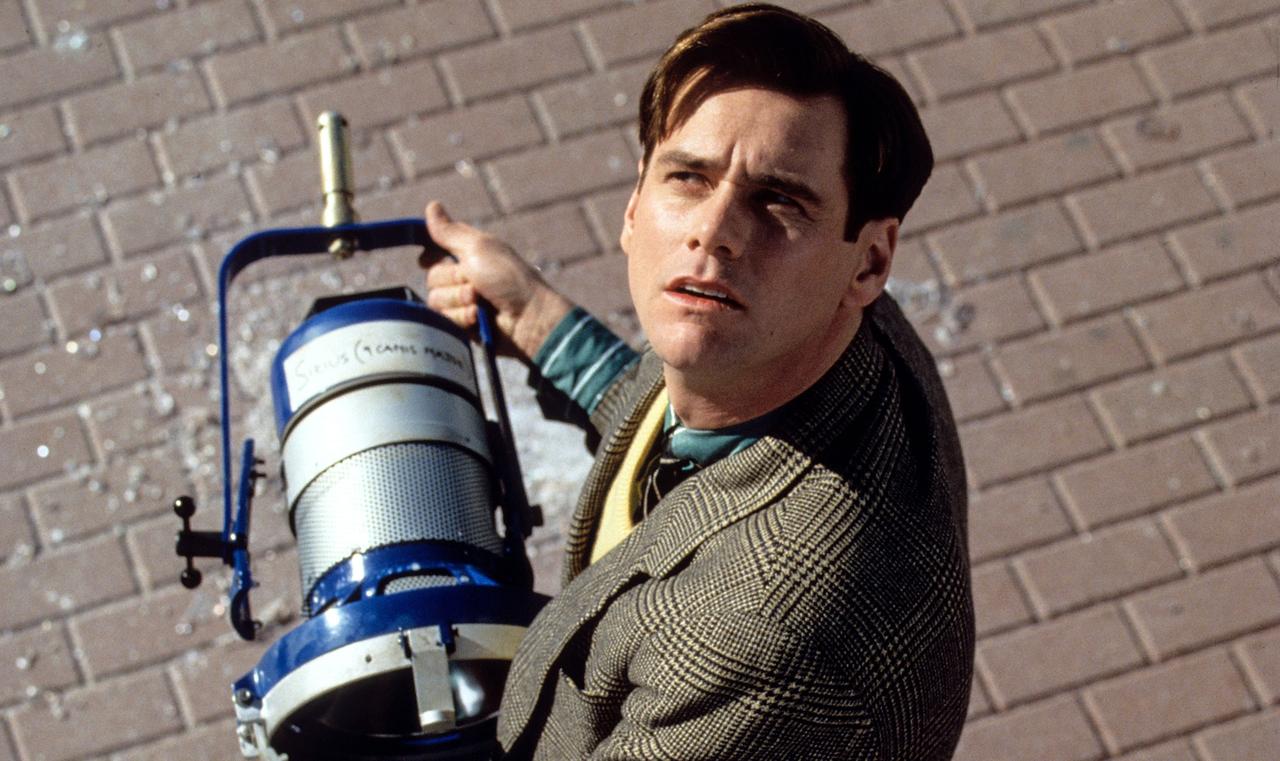
Escape from Simulation: The Truman Show and the Longing for Truth
“Within the human being, there is a call of love’s truth that no simulation can fully silence.” The Truman Show is a powerful metaphysical allegory that illustrates not only how modern humanity is enclosed by media alone but also how the ontological status of the human being is transformed in a world where representation has replaced reality. The film is often read in the context of television culture, the surveillance society, or media manipulation; yet these readings frequently miss the deeper
ENAli Ömer Yurddaş

Sunlight cannot be polished with soap
The saying "The sun cannot be plastered with mud" conveys that obvious and universally known truths cannot be concealed by lies or misinformation. Just as we cannot cover the bright sun with mud, some facts simply cannot be hidden. Let’s explore the meaning of this saying and how it is used in everyday life! 💡 Where Does It Come From? Although the exact origin of this saying is unknown, its logic is very simple. The sun is the brightest and largest source of light in the sky. It is impossible t
EN
Nida Üstün
NoNotes on Hüseyin Nihal Atsız’s “Night of the Sycophants”
For years, I have never stopped asking myself this question: Why does truth hurt so much? Or, more accurately: Why is speaking the truth considered madness? Hüseyin Nihal Atsız’s 1941 work Dalkavuklar Gecesi is a masterpiece that does not merely pose these questions but shouts their answer. This work is not merely a literary novel; it is an account settled by a child of the nation. Dalkavuklar Gecesi appears to unfold in a kingdom called Hattuşaş, yet every line carries an imprint of us, every c
EN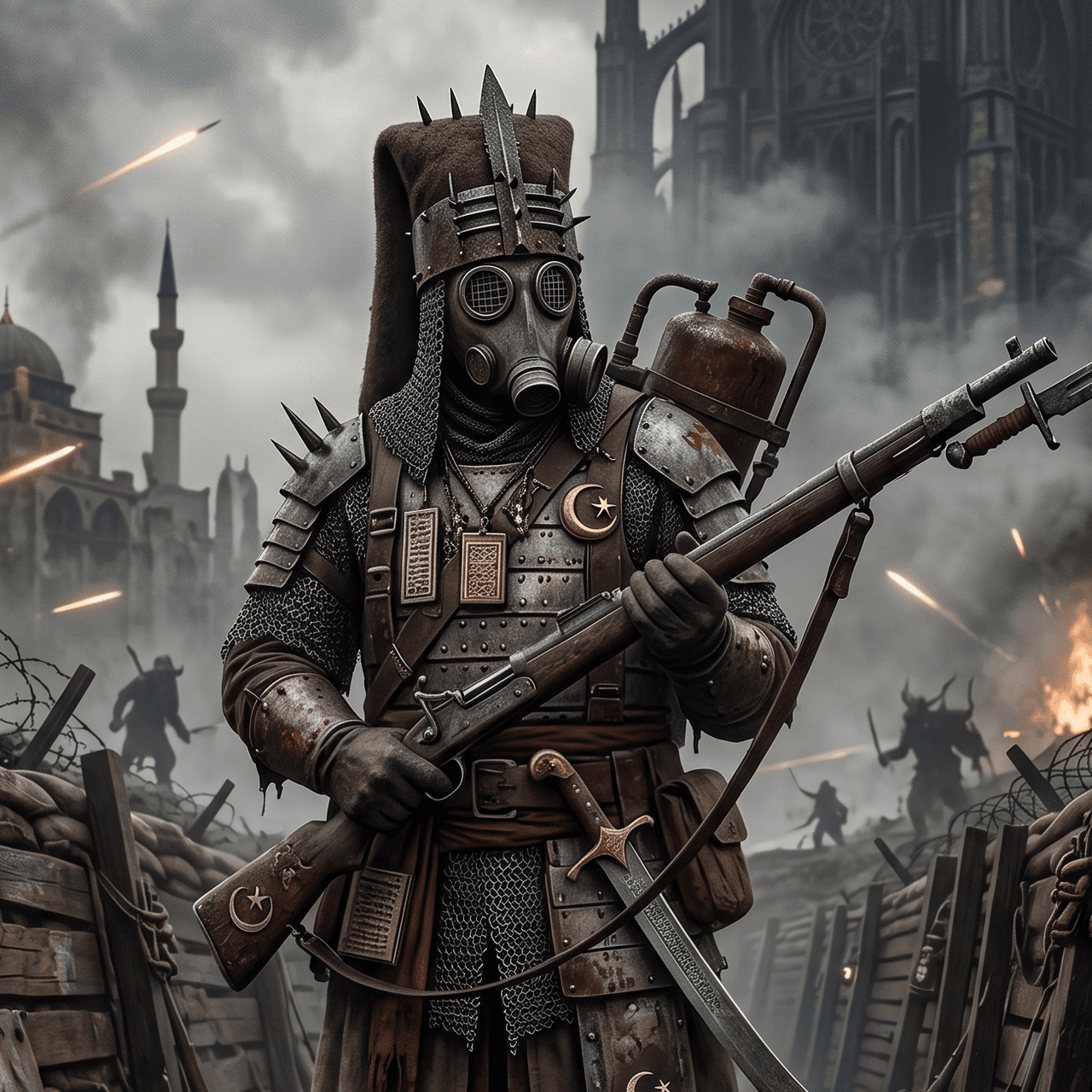
Kürşat Ziyadoğlu
WhWhat Do Van Gogh’s Shoes Say?
Artworks are not merely visual or aesthetic objects; at times, they can make visible a thought, a philosophical problem, or an existential truth. Martin Heidegger’s 1936 draft text titled “The Origin of the Work of Art” offers one of the most striking examples of such a philosophical interpretation through his analysis of Vincent van Gogh’s painting of a pair of peasant shoes. Over time, however, this interpretation has come to occupy a central place not only in philosophical discourse but also
ENZehra Dede
On the Truth of Death
In life, we often become acquainted with the concept of death at some point. Indeed, we are taught—by the tenets of our belief—that it is not a terrible thing. Yet we live as if death will never touch us or those around us, or as if it will only arrive far in the future, without ever succumbing to the panic it might inspire. Yes, death exists, and we may suddenly confront this truth. But this idea had always felt distant to us. Indeed, when I began to associate the notion of truth with death aft
EN
Nursena Şahin
Pursuit of Truth (Book)
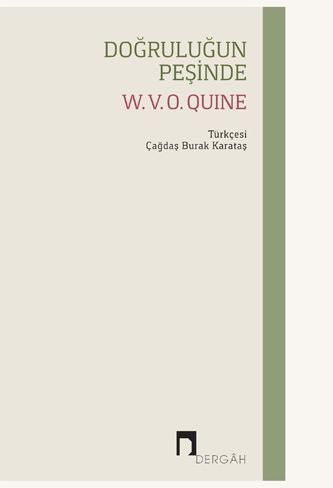
Pursuit of Truth (Doğruluğun Peşinde) is a collection of philosophical essays by the American philosopher W. V. O. Quine. The work addresses fundamental concepts such as language, knowledge, reality, and the relationship between science and truth within the framework of Quine's distinct interpretations. The Turkish translation was published by Dergâh Publications. The paperback book is 136 pages in length and has a compact format measuring 13.5 x 21 cm. The first Turkish edition was published in
EN
Muhammed Samed Acar
Truth Crisis in the Information Age and the Role of Digital Encyclopedias
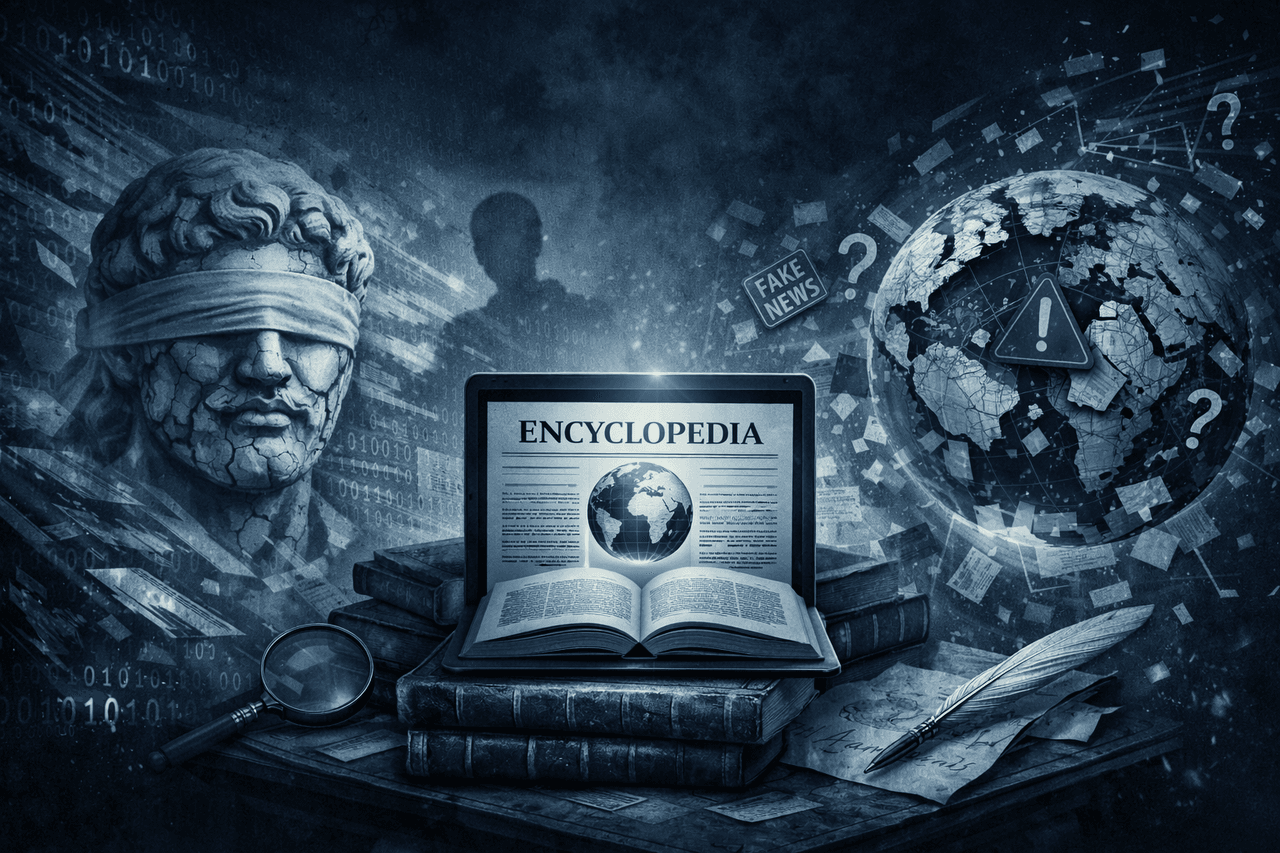
The 21st century is a period in which humanity has produced the most intense volume of information in its history. Thanks to digital technologies, access to information has accelerated, boundaries have disappeared, and individuals are confronted with a data flow of unprecedented scale. However, paradoxically, this situation often makes it more difficult rather than easier to reach truth. The fundamental challenge we face today is not a lack of information but the inability to distinguish truth f
EN
İrem Naz Acar