

`temple` Related Article Results
 Zi
ZiZiggurat
A ziggurat is a monumental, terraced temple structure that originated in ancient Mesopotamia, primarily constructed by the Sumerians, Akkadians, Babylonians, and Assyrians between approximately 3000 BCE and 500 BCE. These massive architectural complexes served as the religious and ceremonial centers of Mesopotamian city-states and were considered sacred spaces connecting the heavens and the earth. AI-generated image of an ancient ziggurat " image-element-format="right" image-source="https://cdn.
EN
Doğan Eşkinat
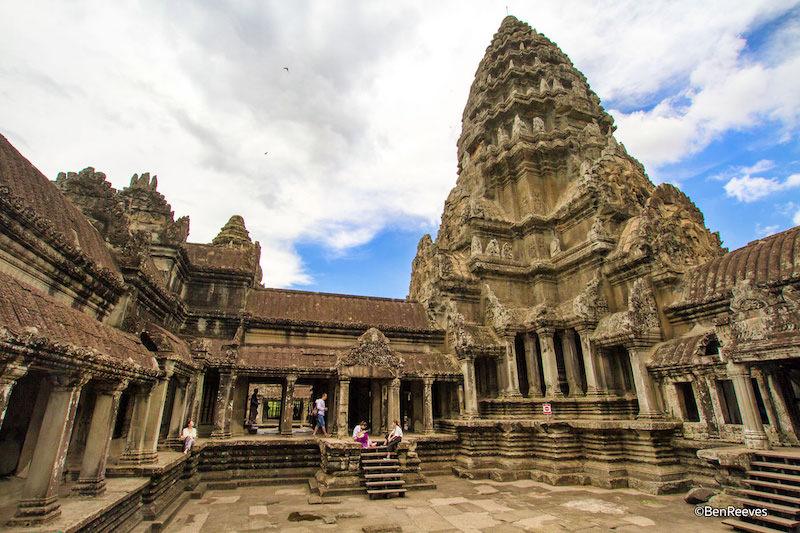
Angkor
Angkor is a large archaeological area located in Siem Reap province in northern Cambodia in Southeast Asia. Covering an area of approximately 400 km², this region includes forested areas and a vast complex of historical structures. The area contains the ruins of various cities that served as the capital of the Khmer Empire from the 9th to the 15th century. Historical and Cultural Background Angkor served as the long-term capital of the Khmer Empire and functioned as its political, religious and
EN
Ahsen Güneş
DeDeyr al-Bahri and the Temple of Hatshepsut
Deyr el-Bahari is a temple complex located on the western bank of the Nile River in the city of Luxor, Türkiye. One of its most striking structures is the Temple of Hatshepsut, dedicated to Hatshepsut, the most powerful female pharaoh of the 18th Dynasty. This magnificent structure was built as a mortuary temple to perpetuate her cult after her death. In ancient Egypt, where pharaonic rule was exclusively male (passed from father to son), it is said that Hatshepsut concealed her gender by wearin
EN
Mustafa Avcı
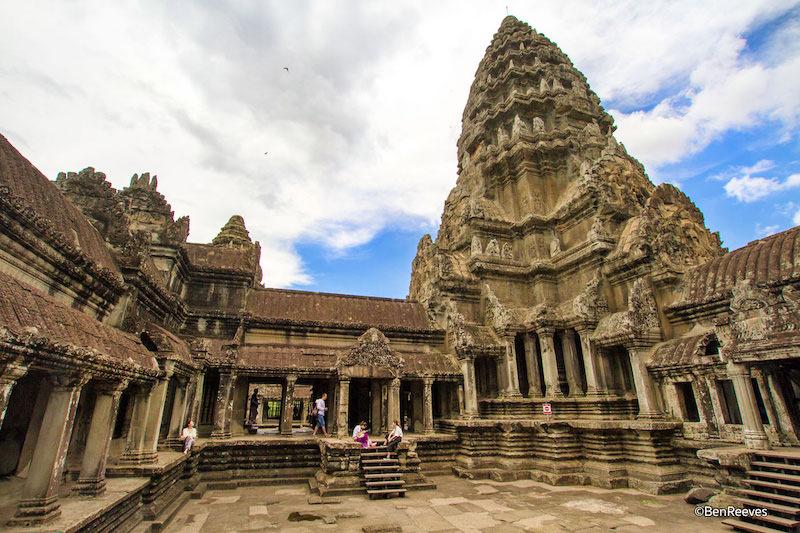
Angkor
Angkor is a vast archaeological area located in Siem Reap Province in northern Cambodia, Southeast Asia. Covering approximately 400 km², the region encompasses forested areas and an extensive complex of historical structures. It contains the ruins of several cities that served as the capital of the Khmer Empire from the 9th to the 15th century. Angkor (UNESCO) " image-alternate="" image-element-format="right"> Historical and Cultural Context Angkor functioned as the long-term capital of the K
EN
Ahsen Güneş
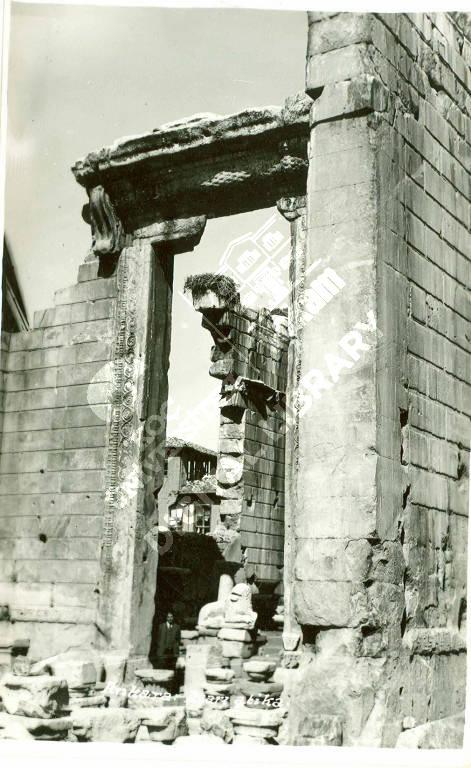
Temple of Augustus
Temple of Augustus in Ankara is one of the most important structures from the Roman period in Anatolia, located in the Ulus district of Ankara, the capital of Türkiye, immediately next to the Hacı Bayram Camii on Hacı Bayram Square. Built on the acropolis of the ancient city known as Ankyra, the temple was dedicated to Emperor Augustus (27 BCE – 14 CE) and the goddess Roma. It is generally believed to have been constructed in 25 BCE as a token of loyalty from Pylamenes, son of the last Galatian
EN
Muhammed Samed Acar

Didim Temple of Apollo
Are you ready to see the massive stone columns rising toward the sky in Didim? This was once a mysterious center where people in ancient times came to receive messages from the future. Today, this awe-inspiring structure, which still captivates all who see it, awaits you in the Didim district of Aydın province. Where Is This Temple and Why Is It Important? Apollon Tapınağı is located within the boundaries of Yenihisar Neighborhood in the Didim district of Aydın province. In ancient times, this w
EN
TÜLİN YILDIZ
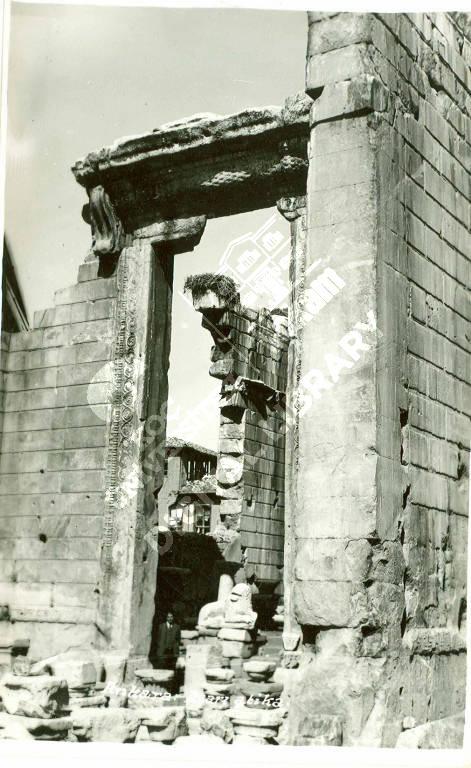
Temple of Augustus
Temple of Augustus is one of the most significant structures from the Roman period in Anatolia and is located in Ankara, the capital of Türkiye, in the Nation neighborhood on Hacıbayram Square, immediately next to the Hacıbayram Camii. This temple, situated on the acropolis of the ancient city known as Ankyra, was dedicated to Emperor Augustus (27 BCE – 14 CE) and the goddess Roma. It is believed to have been constructed in 25 BCE as a votive offering to Augustus by Pylamenes, son of the last ru
EN
Muhammed Samed Acar
DeDeyr al-Bahri and the Temple of Hatshepsut
Deir el-Bahari is a temple complex located on the west bank of the Nile River in the city of Luxor, Egypt. One of its most striking structures is the Temple of Hatshepsut, dedicated to Hatshepsut, the most powerful female pharaoh of the 18th Dynasty. This magnificent building was constructed as a mortuary temple to perpetuate her cult after her death. In ancient Egypt, where pharaonic rule was exclusively male and passed from father to son, it is said that Hatshepsut disguised herself by wearing
EN
Mustafa Avcı
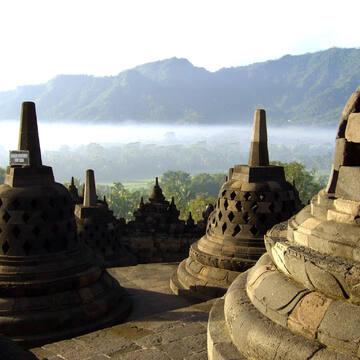
Borobudur Temple
Borobudur Temple is located in the Kedu Valley of Central Java, Indonesia. The temple was constructed during the reign of the Sailendra Dynasty between the 8th and 9th centuries. The site lies at the confluence of the Elo and Progo rivers and forms a natural temple plateau surrounded by mountains and volcanic terrain. It is widely regarded as a sacred structure designed in accordance with Mahayana Buddhist teachings to symbolize the universal order. Architectural Structure and Cosmological Signi
EN
Neriman Çalışkan
YaYazılıkaya Open-Air Temple
The Yazılıkaya Open-Air Sanctuary is located approximately two kilometers northeast of Hattusa, the capital of the Hittite Empire (modern Boğazkale), nestled among natural rock formations. This open-air sanctuary, built atop natural cliffs, was a significant sacred space used by the Hittites for religious ceremonies. The structure consists of two main sections, Rooms A and B, and reveals three distinct construction phases. Yazılıkaya Open-Air Sanctuary (Türkiye Culture Portal) " image-element-fo
EN
Melike Saraç