

`systems` Related Article Results
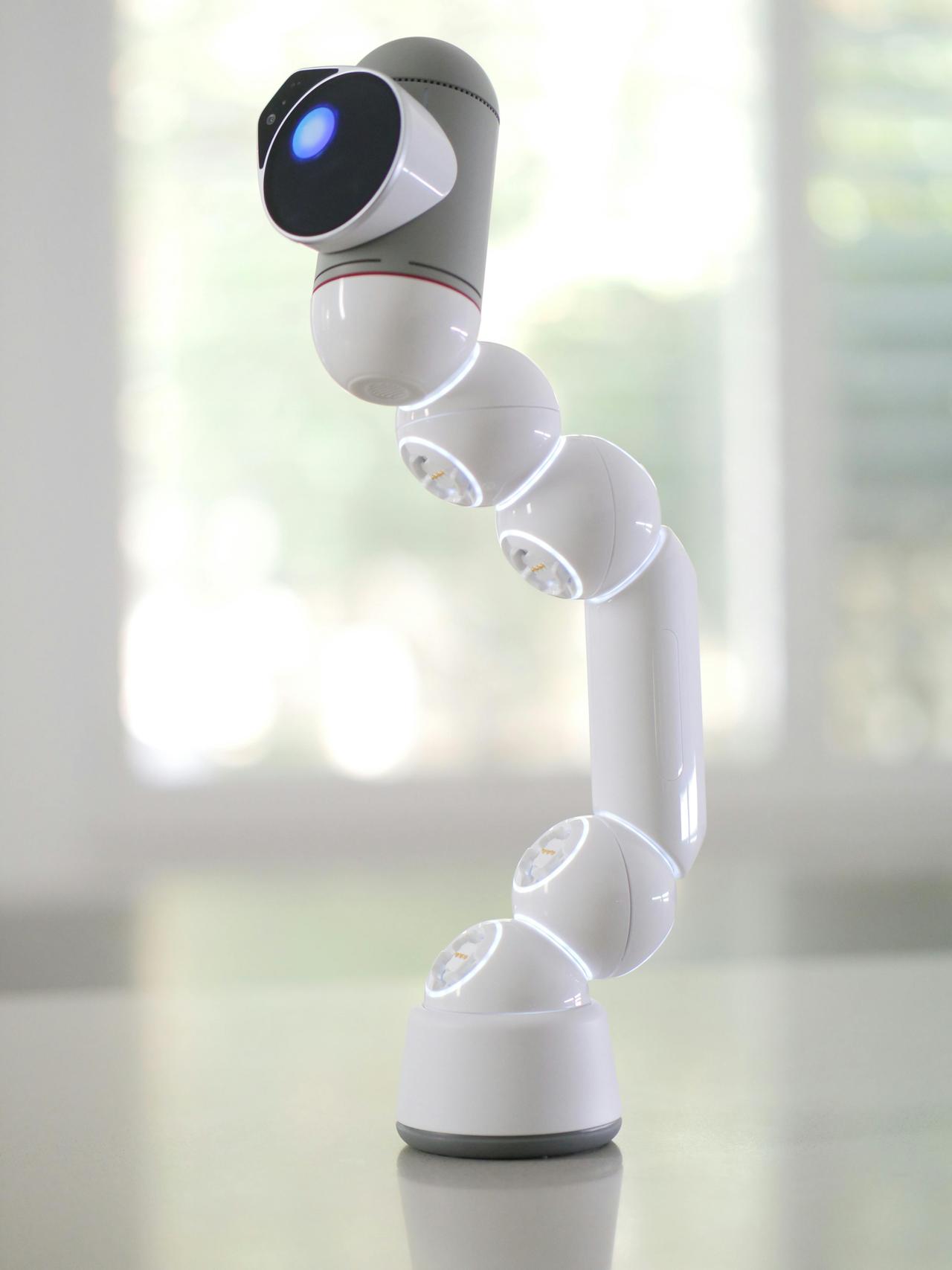
Machine Learning in Industrial Robotic Systems
Machine learning (ML) is a subfield of artificial intelligence (AI) that enables computer systems to acquire the ability to learn from data without being explicitly programmed. This learning process involves statistical and algorithmic approaches that allow systems to improve their performance on specific tasks. Machine learning is classified into three main categories: Supervised Learning: In this approach, the algorithm is trained on a labeled dataset. Learning occurs through input-output mapp
EN
Şevket Kaynar
 Al
AlAlternative Battery Systems
Energy remains one of society’s greatest challenges. Today, lithium-ion (Li-ion) and lead-acid batteries dominate the technologies used as common sources. However, each of these systems faces various challenges and limitations. In particular, with the growing adoption of portable devices, electric vehicles and renewable energy systems, there is an increasing demand for more efficient, longer-lived and economical battery systems. Current Battery Technologies and Challenges Lithium-Ion (Li-ion) Ba
EN
Ömer Said Aydın
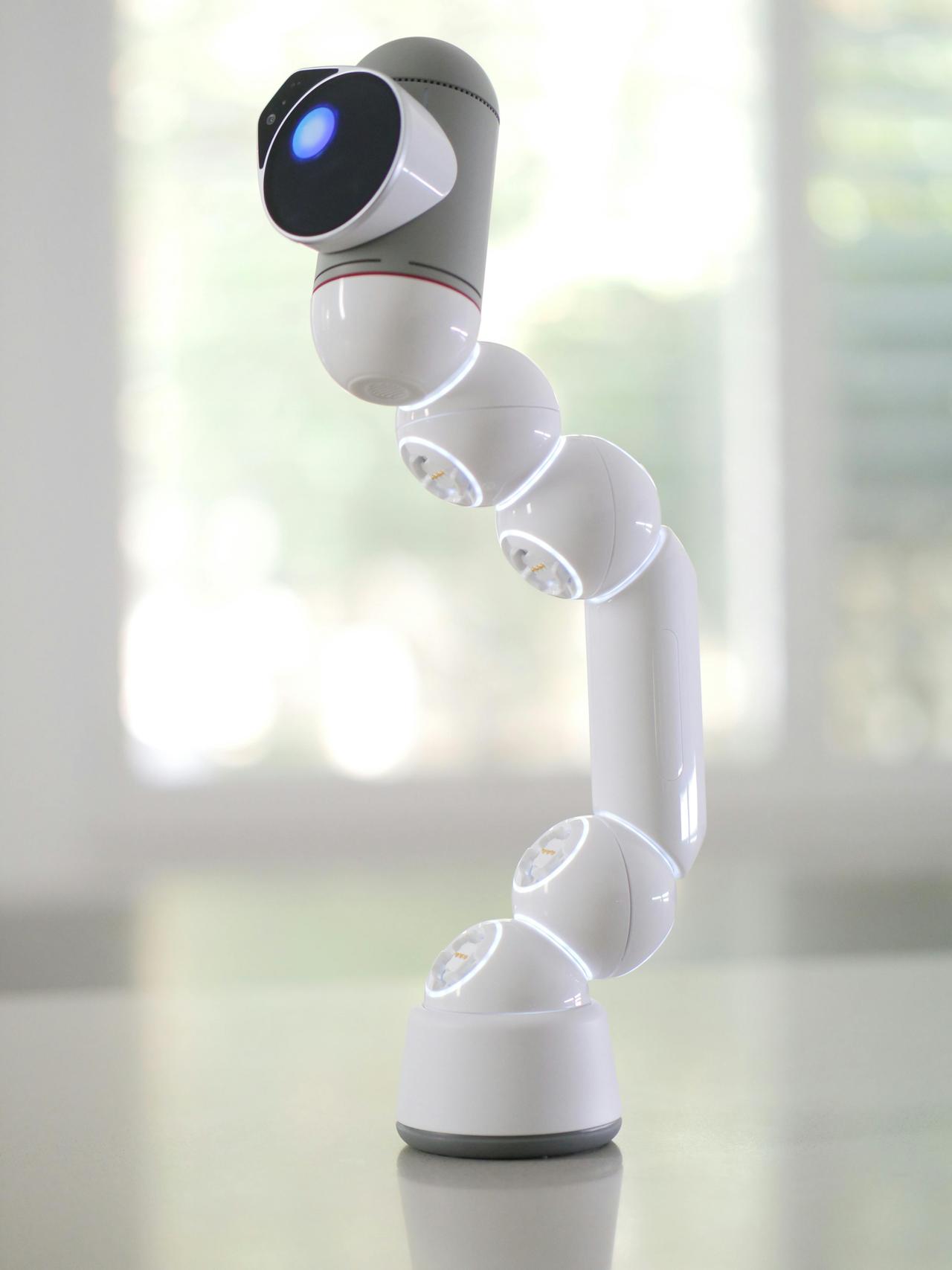
Machine Learning in Industrial Robotics Systems
Machine learning (ML) is a subfield of artificial intelligence (AI) that enables computer systems to acquire the ability to learn from data without being explicitly programmed. This learning process involves statistical and algorithmic approaches that allow systems to improve their performance on specific tasks. Machine learning is classified into three main categories: Supervised Learning: In this approach, the algorithm is trained on a labeled dataset. Learning occurs through input-output mapp
EN
Şevket Kaynar
NeNetwork Models
Network models are theoretical and applied frameworks used to formally define the structural and operational rules governing nodes (entities) and edges (relationships); these frameworks enable the analysis, comparison, and design of networks according to specified rules. The literature emphasizes that real-world social, biological, and technological networks deviate from “ordinary regular” or “completely random” patterns, frequently exhibiting “distinctive topological features” such as heavy-tai
EN
Beraat Öztorun
LaLaser-Guided Missiles
Laser guidance technology is a high-precision targeting system that plays a critical role in modern combat arenas for target detection and destruction. Thanks to this system, missiles can effectively strike various objects such as tanks armor vehicles buildings and even moving land or air targets. The laser guidance system operates by illuminating the target with a laser and detecting the reflected laser energy using a sensor on the munition. First developed in the 1960s this technology has evol
EN
Beyza Nur Türkü