

`symmetry` Related Article Results
 Gr
GrGroup Theory
Group theory is a field concerned with the study of mathematical structures and symmetries. This theory is one of the foundational pillars of algebra and plays a critical role in understanding many mathematical and physical systems. Group theory finds applications not only in abstract mathematics but also in various disciplines such as physics chemistry computer science and even music. Basic Properties A group consists of a set and a binary operation defined on that set satisfying certain rules.
EN
Irem Ipek

Strobogrammatic Numbers
Strobogrammatic numbers are defined as numbers that appear identical when rotated 180°. This property is related to the rotational symmetry of the digits. Valid Digits In the decimal system, only certain digits possess strobogrammatic properties: 0 → 0 1 → 1 8 → 8 6 ↔ 9 Other digits do not form valid numbers when rotated. Therefore, strobogrammatic numbers can only be constructed using these digits. Structure and Rules Single-digit strobogrammatic numbers: 0, 1 and 8. In multi-digit numbers, onl
EN
Feyzanur Çınar

Feza Gürsey
Feza Gürsey (1921–1992) was one of the leading Turkish theoretical physicists of the 20th century. He gained international recognition for his work in particle physics and mathematical physics. His contributions to the application of symmetry concepts and group theory in physics established him as one of the key figures in modern high-energy physics. Gürsey’s research focused on developing theoretical models to explain the structure and interactions of fundamental particles. His contributions to
EN
İremsu Ümit
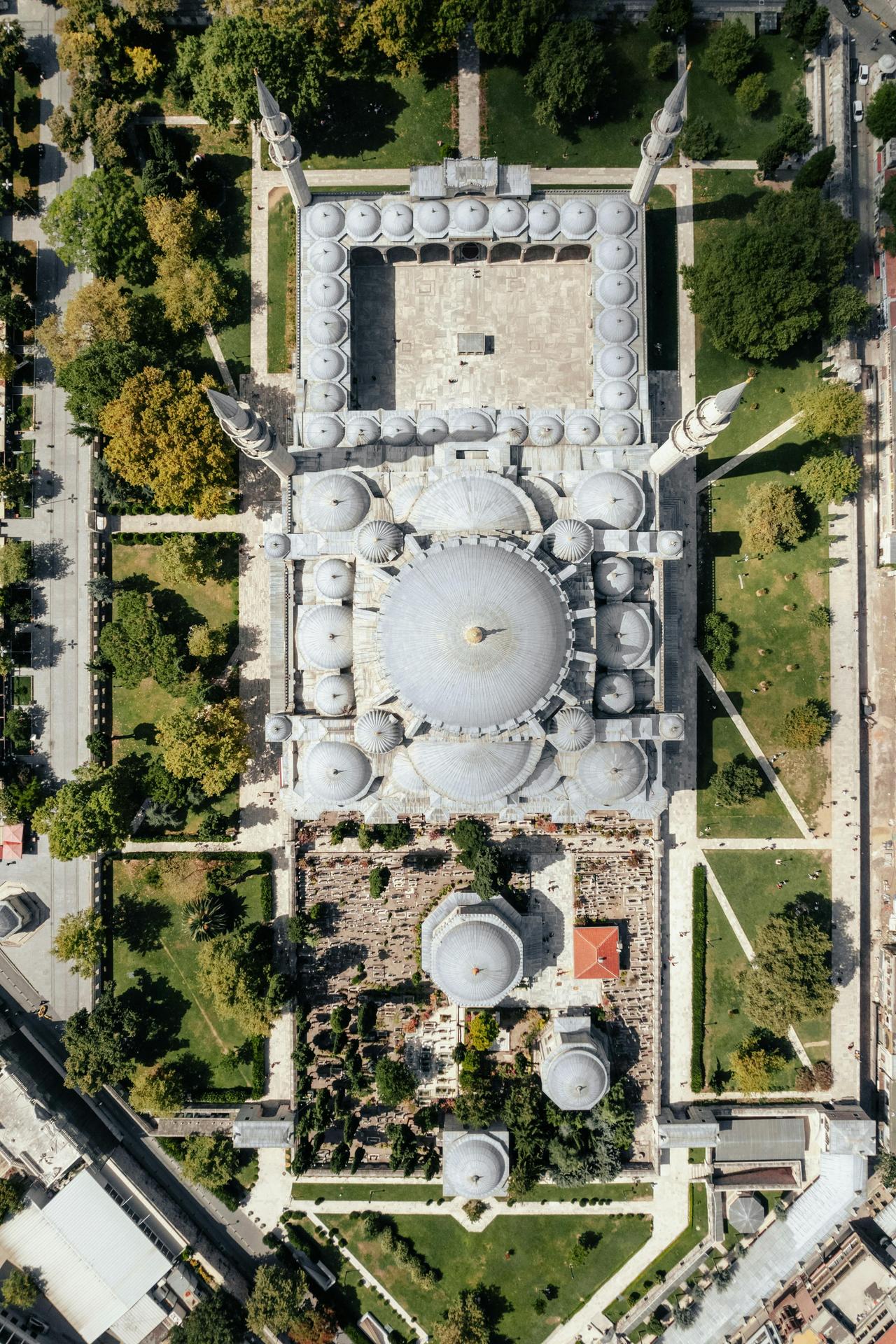
Symmetry and Asymmetry in Architecture
In architectural history, the concepts of symmetry and asymmetry, as fundamental principles of aesthetic and structural organization, play a central role in the formal composition and spatial design of buildings. These concepts not only shape the visual aesthetics of structures but also influence users’ spatial perception, psychological impressions, and the functional balance of the building. The use of symmetrical or asymmetrical arrangements in a building’s design affects how space is perceive
EN
Esra Özkafa

Renaissance Architecture
Renaissance architecture is an architectural approach that emerged in 15th-century Italy through the reinterpretation of the fundamental principles of ancient Roman architecture. The term, meaning “rebirth,” established symmetry, proportion, geometry, and harmony with nature as the primary principles of architectural design, grounded in a human-centered worldview. Buildings were no longer constructed solely for functional purposes but also as aesthetic, intellectual, and social representations.
EN
Esra Özkafa
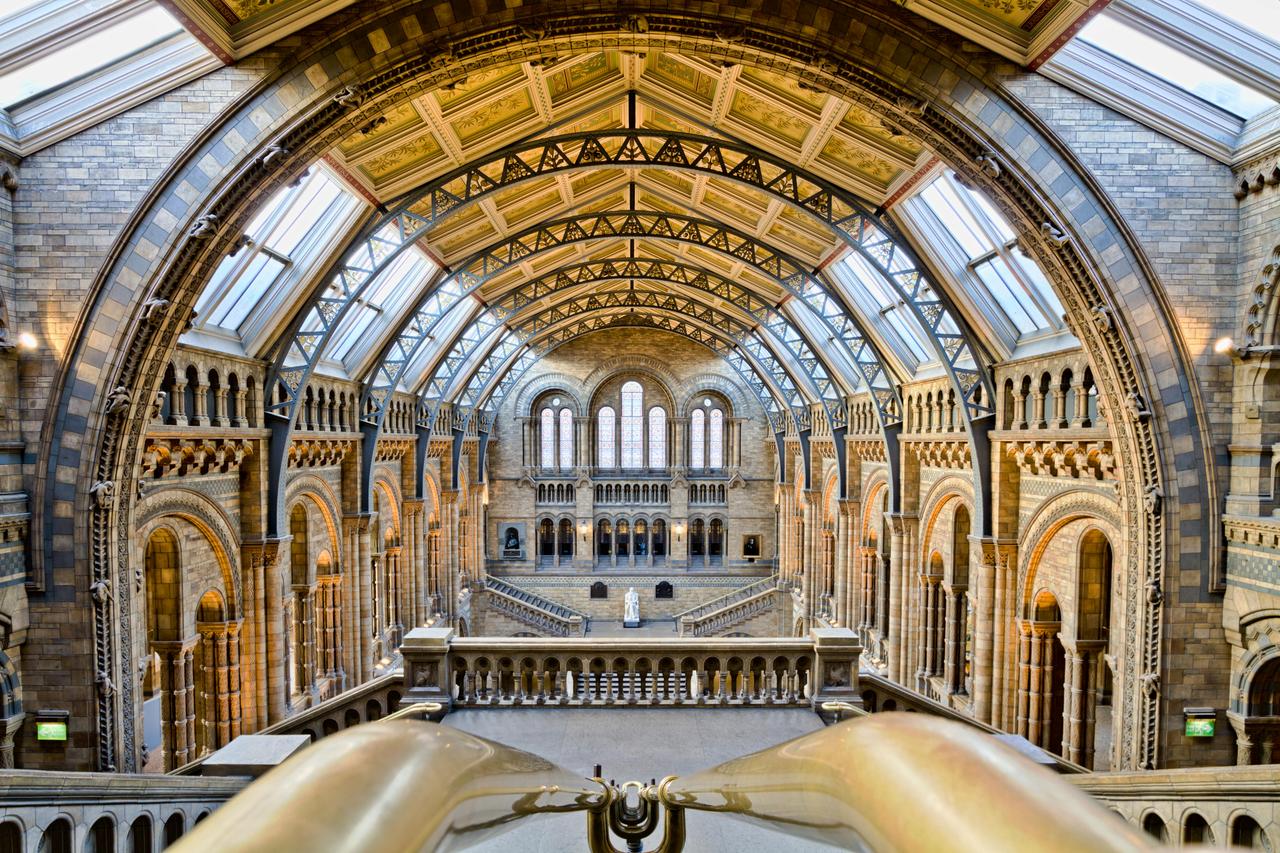
Neoclassical Architecture
Neoclassical architecture is an architectural style that emerged in the second half of the 18th century in Europe, shaped by a renewed intellectual interest in ancient Greek and Roman architecture. It arose as a reaction against the ornate decoration of Baroque and Rococo, basing itself on principles of simplicity, symmetry, proportion, and the reinterpretation of classical forms. Derived from the Greek word "neos" (new) and the Latin "classicus" (classical), this term influenced not only archit
ENEsra Özkafa
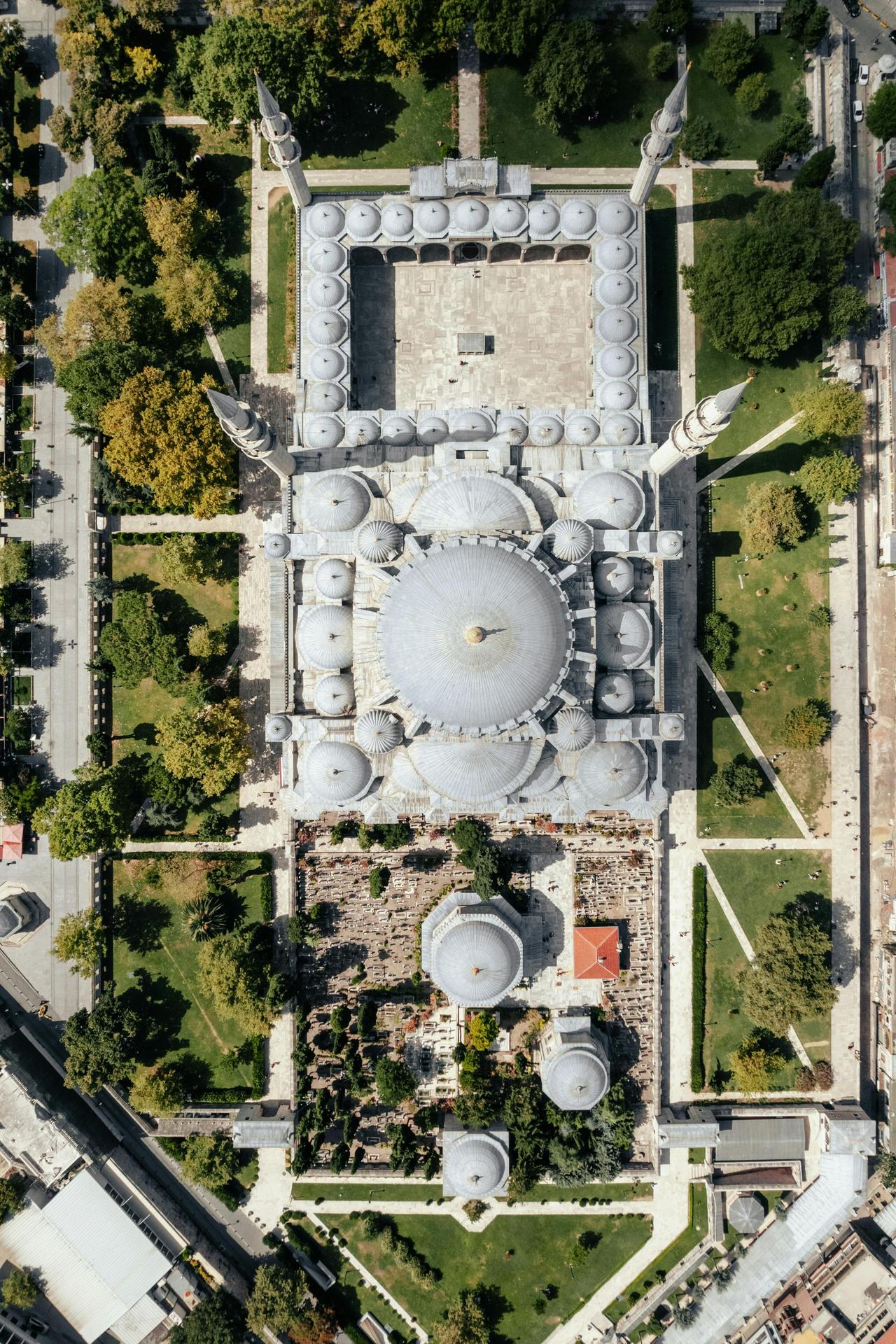
Symmetry and Asymmetry in Architecture
In architectural history, the concepts of symmetry and asymmetry serve as fundamental principles of aesthetic and structural organization. These concepts do not merely shape the visual aesthetics of buildings but also influence users’ spatial perception psychological impressions and functional balance. The use of symmetrical or asymmetrical arrangements in building design affects how space is perceived the emotional impact on users and the functional usability of the structure. In architectural
ENEsra Özkafa