

`symbol` Related Article Results
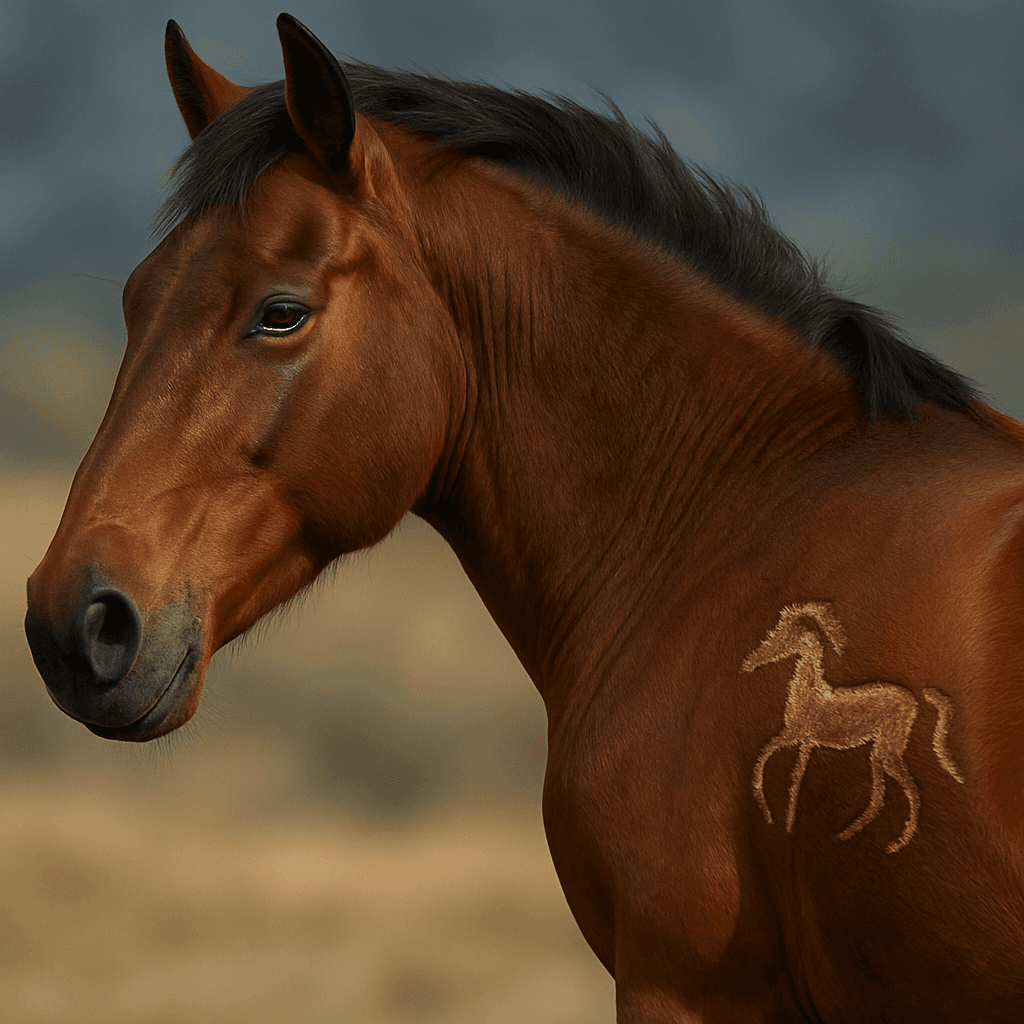
The Tradition of Horse Branding in Mongolian Culture
Branding tradition is a practice used as historical to identify horse ownership and trace bloodlines. This tradition has taken various forms across different cultures and has become an integral part of cultural identity, social structures and economic activities of communities. In Turkish and Mongol cultures, at branding is a key element used to determine a horse’s gender, age, owner and sometimes its value. Mongols this practice typically involves branding horses with a hot iron from foalhood o
EN
Hümeyra Yılmaz
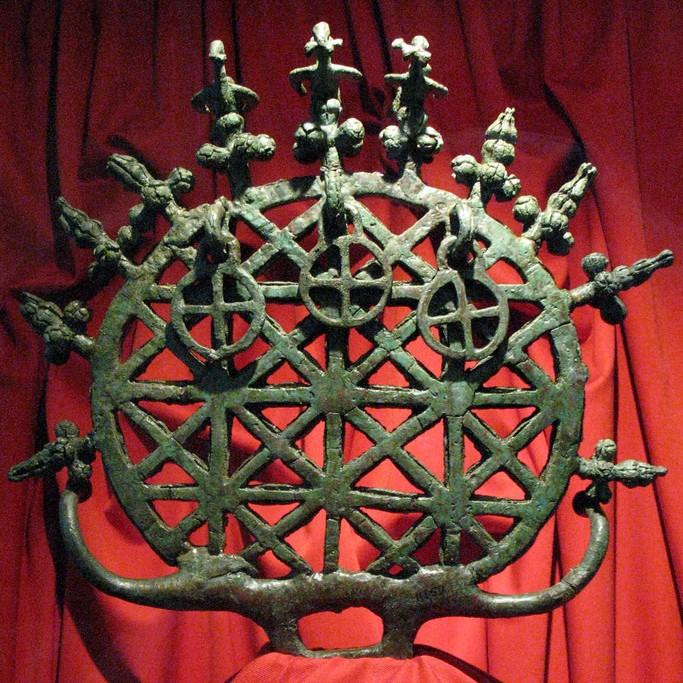
Hittite Sun Disc
The Sun Throne is a symbolic ritual object associated with solar and cosmic symbolism, particularly prominent among the ancient Anatolian civilizations of the Hattians and Hittites. Typically crafted from bronze, these objects were used in religious ceremonies and often designed in the form of a symbol carried atop a bull’s horn. Sun Thrones are regarded as an essential component of the belief systems of early Anatolian peoples, who sanctified natural phenomena and expressed them through symboli
EN
Emine Erdal
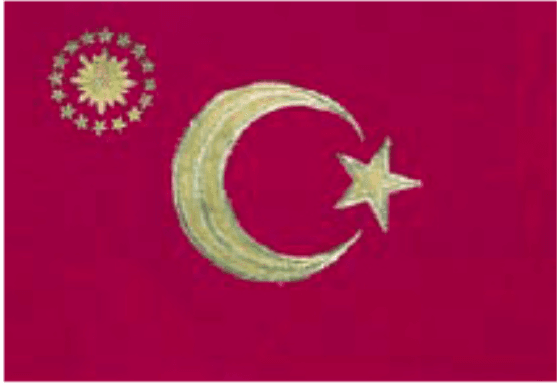
Presidency of Türkiye
The Presidency of Türkiye is known as a symbol symbolizing the highest office of the Republic. Its design reflects the deep history of the Turkish nation and the modern Republic of Türkiye. While symbolizing the continuity of Turkish history from the past to the present, it also emphasizes independence and sovereignty for the future. At the center of the is a sun representing the Republic of Türkiye. The 16 stars surrounding it symbolize the 16 great Turkish states in history. Emblem of the Pres
EN
Ahsen Karakaş
 Cu
CuCultural Semiotics
Cultural Semiotics is a discipline that examines the production of signs and symbols within cultural contexts. By applying semiotic approaches to the field of culture, it analyzes how meaning is constructed through social structures and practices. It investigates individual and collective processes of meaning-making across a wide spectrum, from linguistic signs to visual symbols. Origins and Development of Cultural Semiotics Cultural semiotics emerged in the 20th century as an extension of semio
EN
Fatihhan Adana
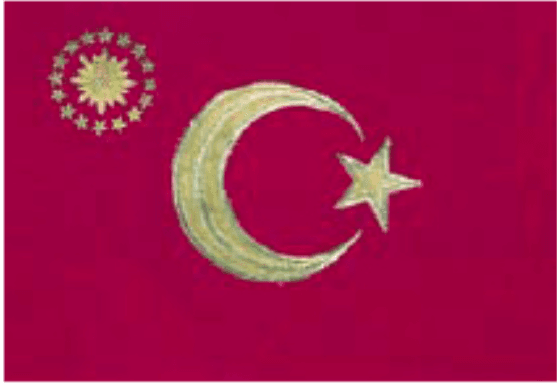
Presidency of Türkiye
The Presidency of Türkiye is known as a symbol representing the highest office of the Republic. Its design reflects the deep history of the Turkish nation and the modern Türkiye Republic. While symbolizing the continuity of Turkish history from the past to the present, it also emphasizes independence and sovereignty for the future. At its center is a sun representing the Türkiye Republic. The 16 stars surrounding it symbolize the 16 great Turkish states in history. 16 Turkish States Great Hun Em
EN
Ahsen Karakaş
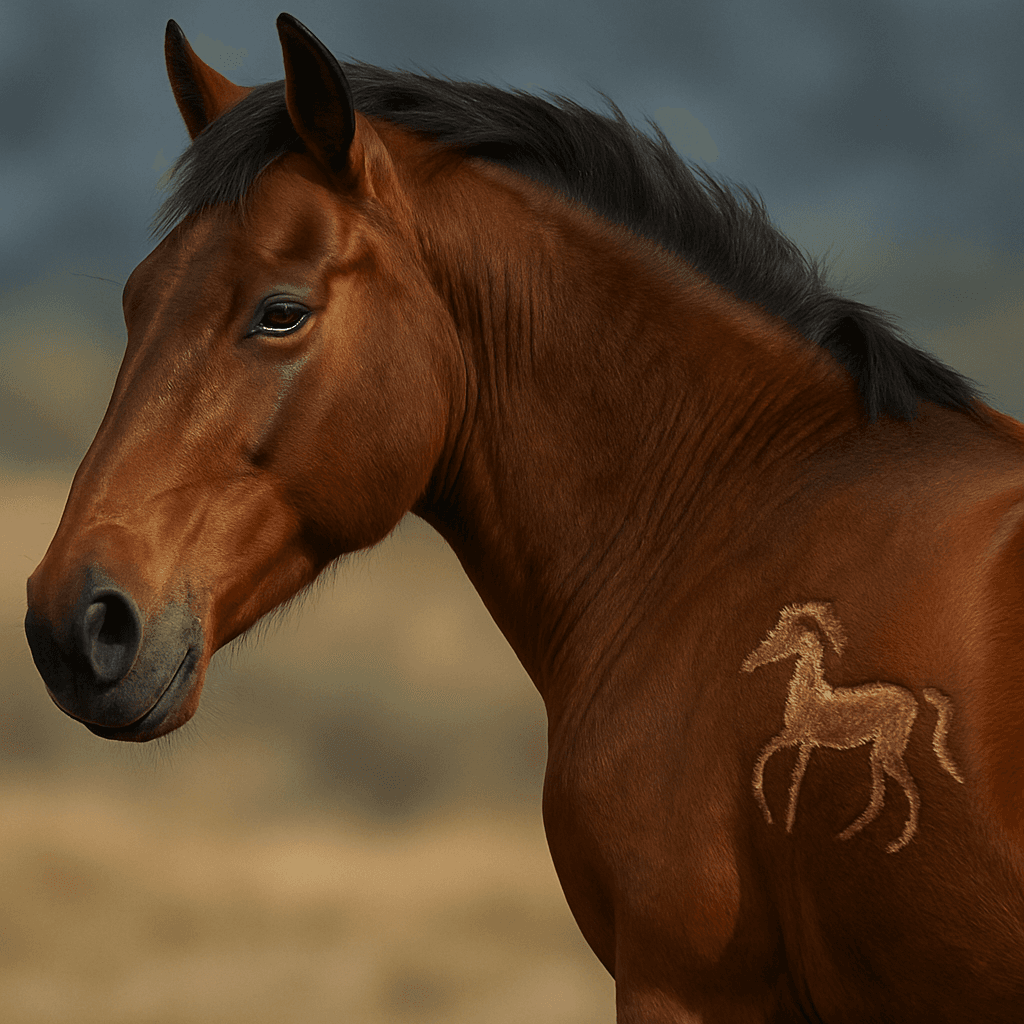
The Tradition of Horse Branding in Mongolian Culture
The horse branding tradition is a historical practice used to identify ownership and trace bloodlines of horses. This historical tradition has taken various forms across different cultures and has become an integral part of cultural identity social structures and economic activities. Turk and Mongol cultures regard horse branding as an important element for determining a horse’s gender age owner and sometimes its value. Among the Mongols this practice involves branding foals with a hot iron and
EN
Hümeyra Yılmaz
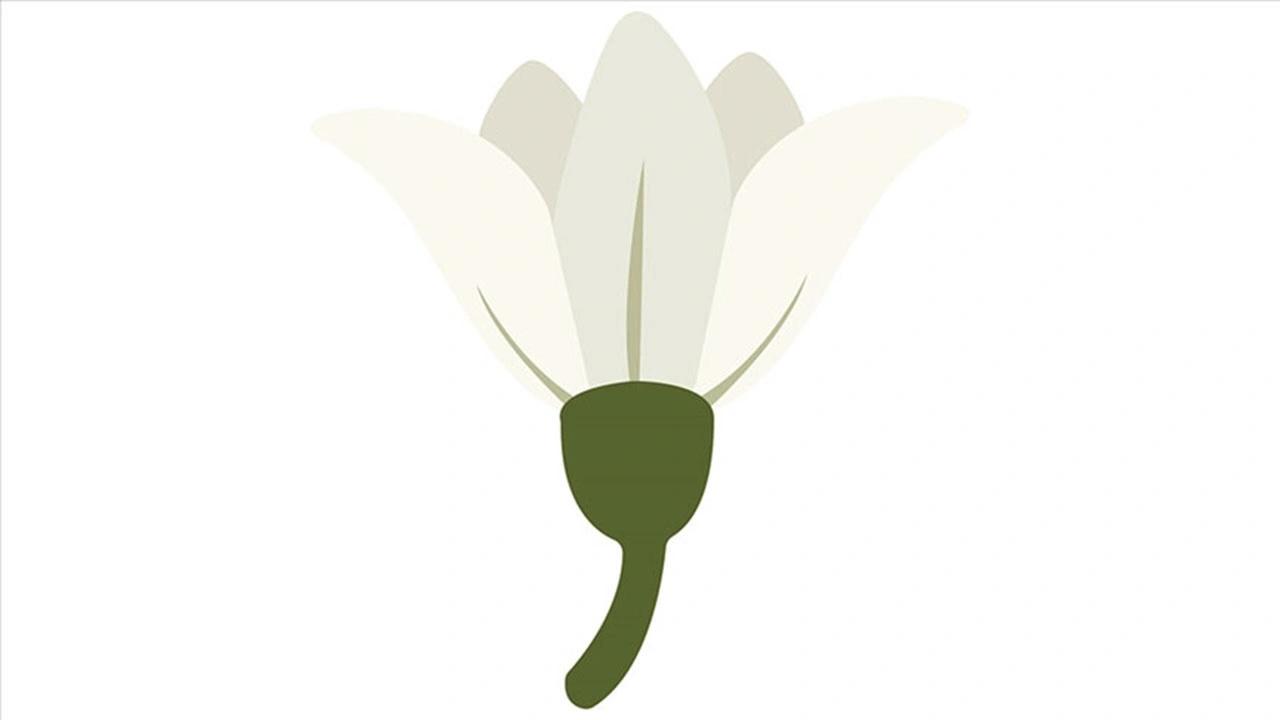
Anatolian Carnation (Symbol)
Anatolia The Anatolian Carnation is a symbol created to honor those who lost their lives in the February earthquakes of 6 February 2023 and to represent the spirit of solidarity. It has been officially designated by the Republic of Türkiye Environment, Ministry of Environment, Urbanization and Climate Change, as the official symbol for the second anniversary commemorations of the earthquakes. History The earthquakes that struck Kahramanmaraş on 6 February 2023, described as “The Disaster of the
EN
Edanur Karakoç
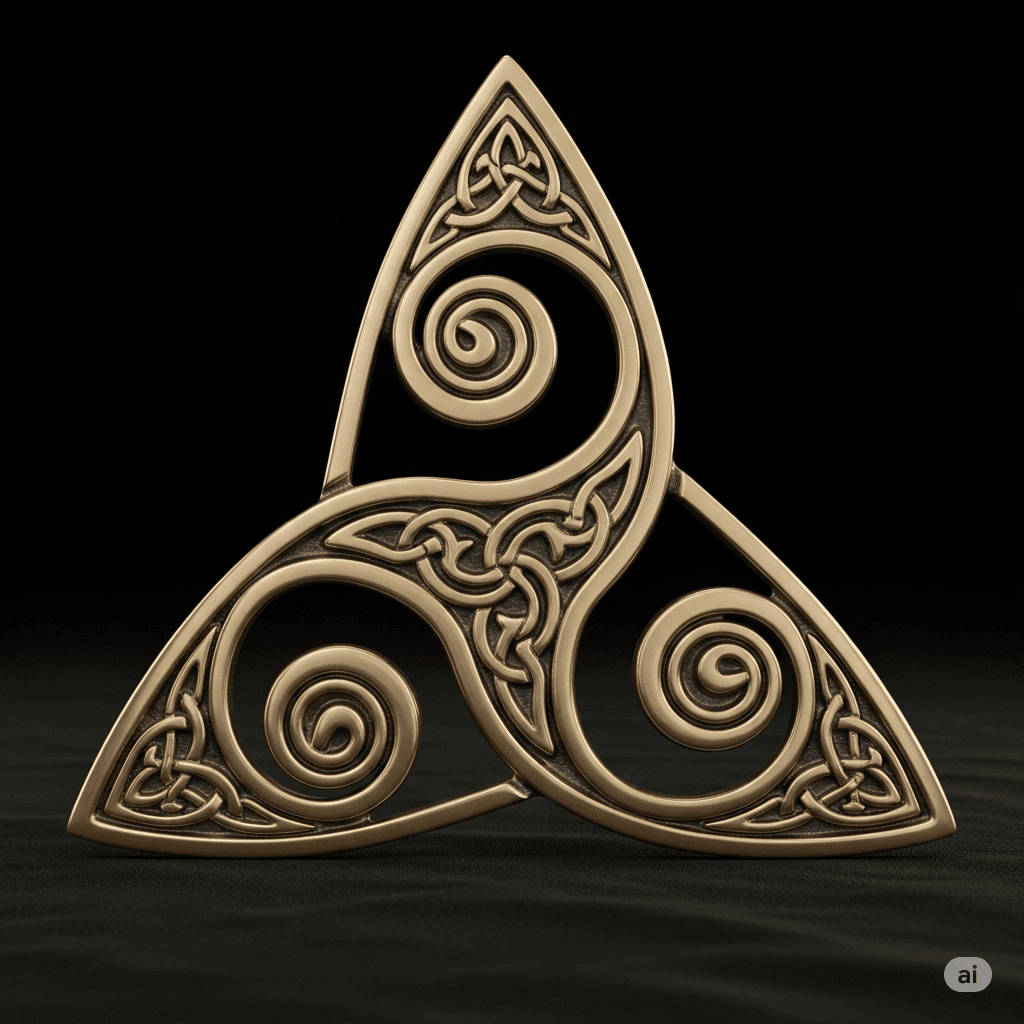
Triskeles
Triskeles (Greek: τρισκελής, “three-legged”) is a symbol composed of three human legs radiating from a central point, formed by spirals or curved lines. It is typically depicted in a clockwise rotational movement. The motif, also known as the “triple spiral” or “triskelion,” has its earliest examples dating to the 3000s BCE. While various interpretations exist regarding its origin and meaning, it is most commonly associated with Celtic culture and especially the island of Sicily. Many researcher
EN
Yunus Emre Yüce
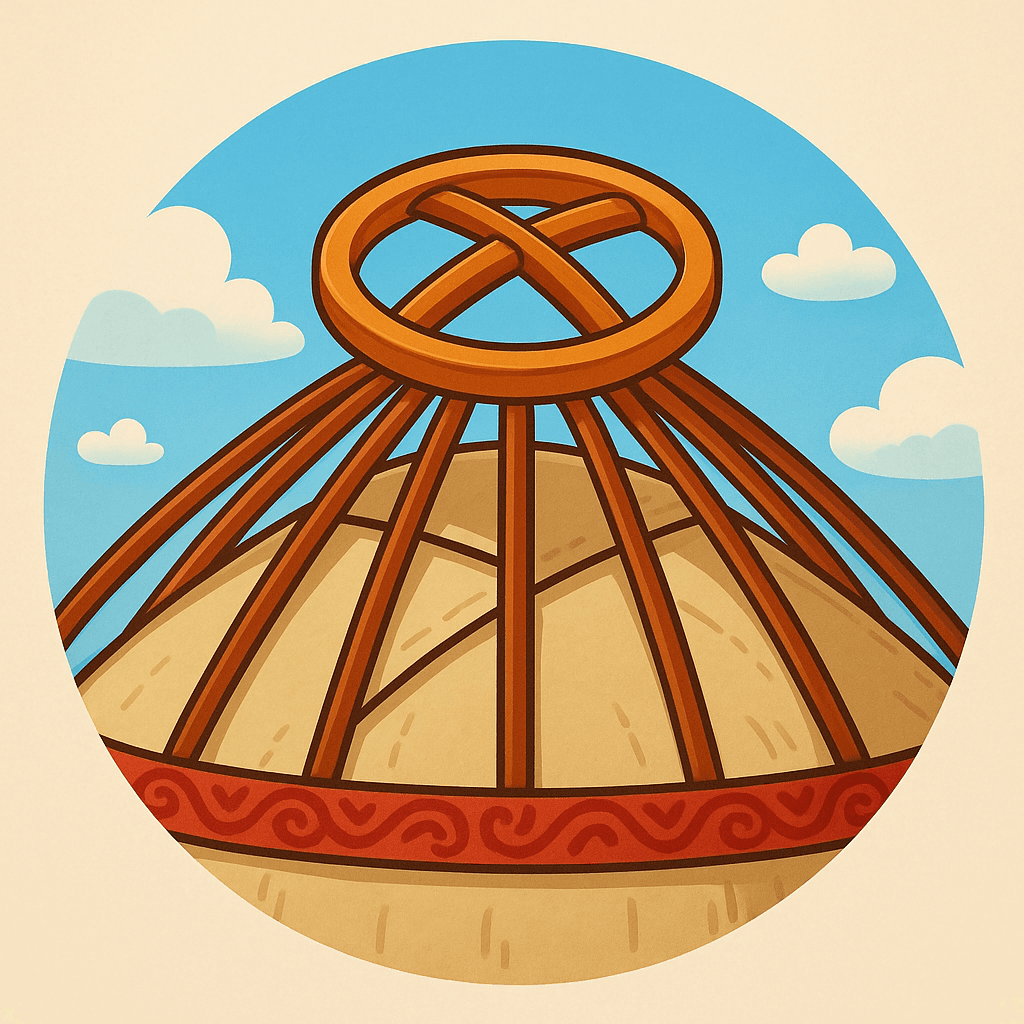
Şanırak
What Is Şanırak? Şanırak is a circular wooden component located at the apex of the yurts—felt tents—used by Kazakh, Kyrgyz, and other Central Asian Turkic communities. It supports the dome of the tent and allows air and light to enter the interior. Made from durable wood, the şanırak is positioned at the highest point of the yurt and serves as the junction where the rafters forming the dome converge. Where Does It Come From? Şanırak originates from the architectural traditions of nomadic Turkic
EN
Sümeyye Akkanat Terzioğlu
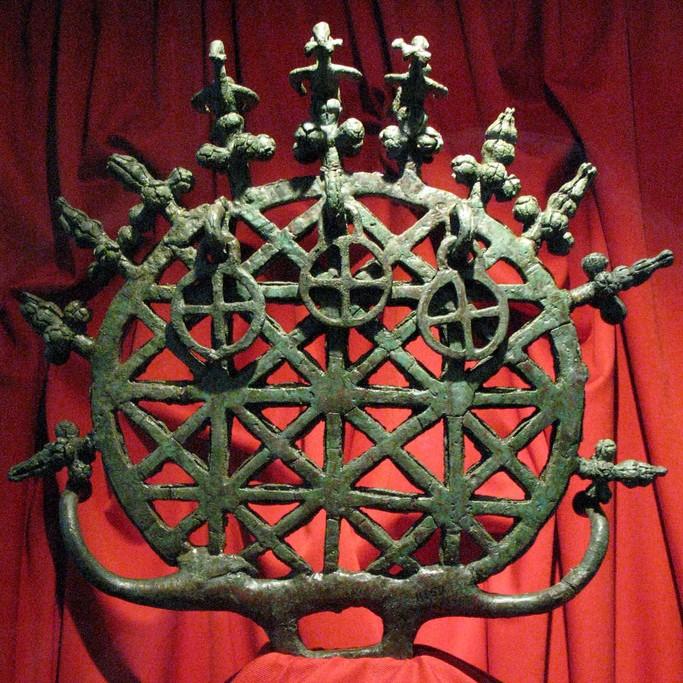
Hittite Sun Disc
Güneş kursu is a symbolic ritual object found among the ancient Anatolian civilizations, particularly in the Hatti and Hittite societies, representing the sun and the cosmos. Typically made of bronze, these objects were used in religious ceremonies and often designed in the shape of a symbol carried atop a bull’s horn. Sun disks are regarded as an essential component of the belief systems of early Anatolian peoples, who sanctified natural phenomena and rendered them symbolic. Hitit Güneş Kursu H
EN
Emine Erdal