

`spacetechnologies` Related Article Results
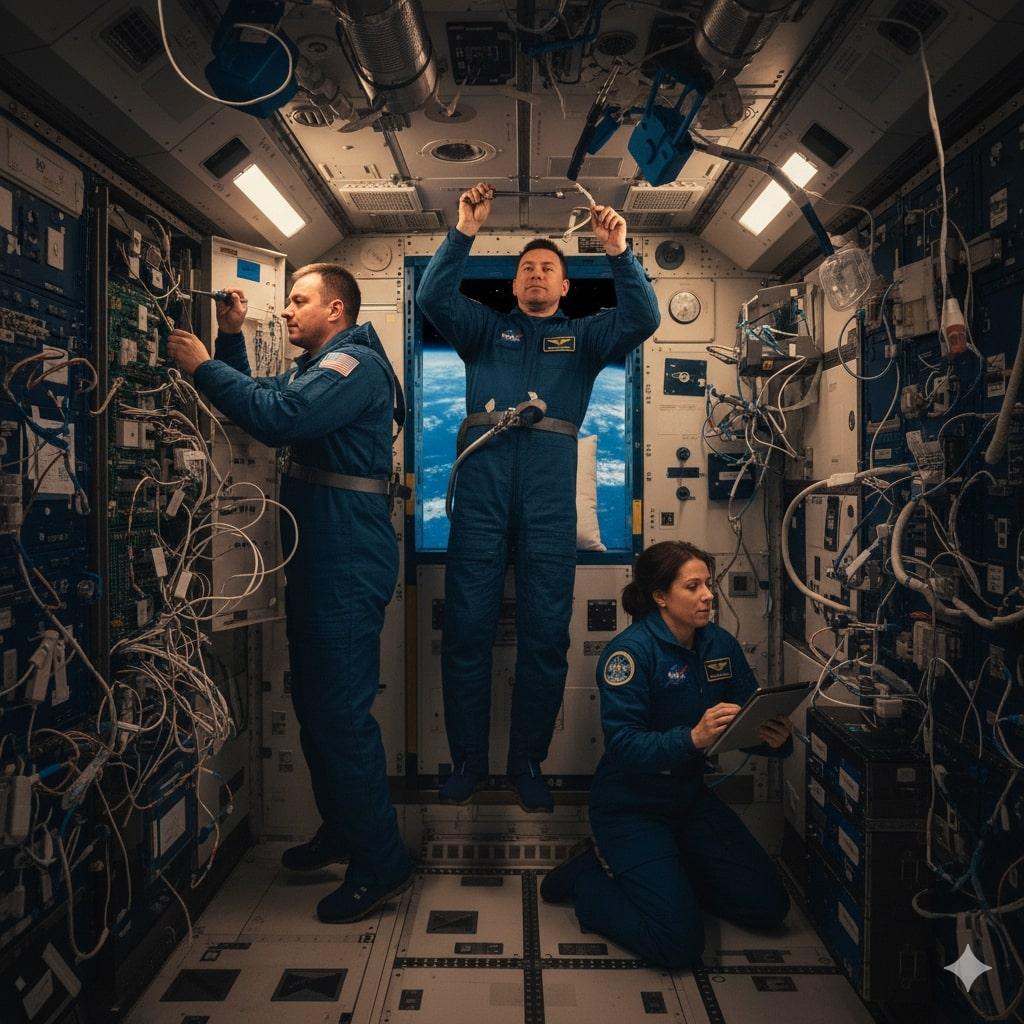
How Do Astronauts Spend a Day in Space?
An astronaut’s day in space is an experience that constantly reminds the human being of their belonging to Earth, while simultaneously pushing its boundaries outward into the depths of the universe. Living in orbit bears no resemblance to any routine on Earth. Here, there is no dawn brightening the horizon nor complete darkness of night. On the International Space Station (ISS), which orbits Earth at a speed of eight kilometers per second, astronauts witness a new sunrise approximately every nin
EN
Nursena Şahin

Kessler Syndrome
Kessler Syndrome is a space environmental issue describing how the increasing density of artificial objects in Earth orbit can trigger a self-sustaining cascade of collisions and fragmentation. This concept is based on the possibility that once the density of objects in low Earth orbit reaches a critical threshold, collisions will generate new debris in a chain reaction, rendering the orbit unusable for extended periods. Historical Context The model proposed by Donald J. Kessler and Burton Cour-
EN
Ömer Said Aydın
#47 Society and Technology
Studying the Humanities Will Become Much More Important It is now quite evident that AI-supported technologies are systematically replacing certain types of tasks. In this new era, many executives say that the most valuable candidates are those with high-quality skills that AI has not yet been able to replicate. Indeed, these candidates not only stand out in areas where AI falls short but also excel significantly in AI-assisted tasks, producing high-level work that others cannot match. Amodei po
EN
KÜME Vakfı
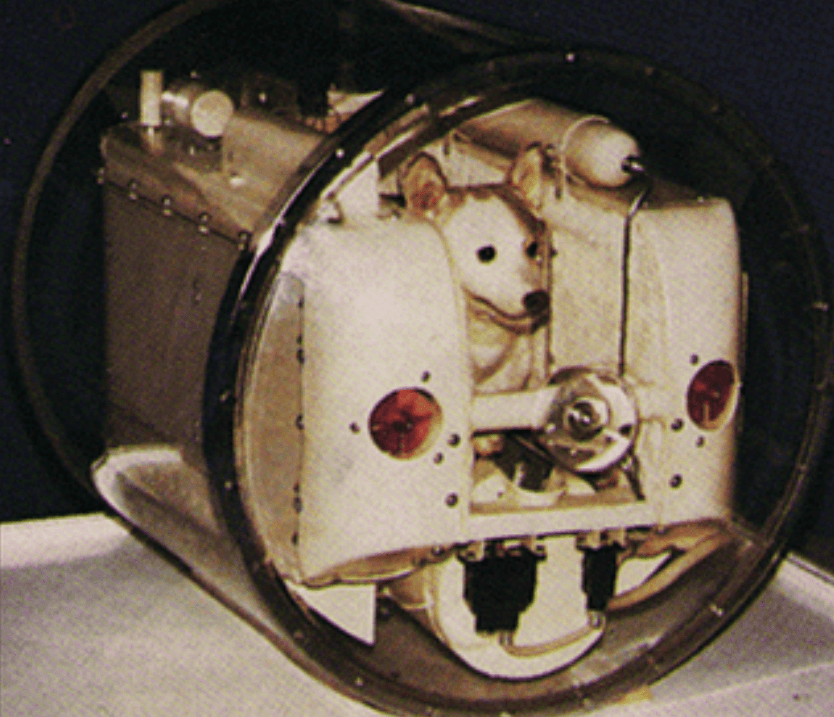
Laika
Laika, on 3 November 1957, became the first living creature sent into Earth orbit by the Soviet Union aboard the Sputnik 2 spacecraft. Laika, a stray mixed-breed dog from the streets of Moscow, was selected for this historic mission to test the effects of space travel on living organisms. Historical Background In the mid-1950s, the "Space Race" between the United States and the Soviet Union had evolved into a global technological competition. The Soviet Union gained temporary superiority in this
ENNursena Şahin
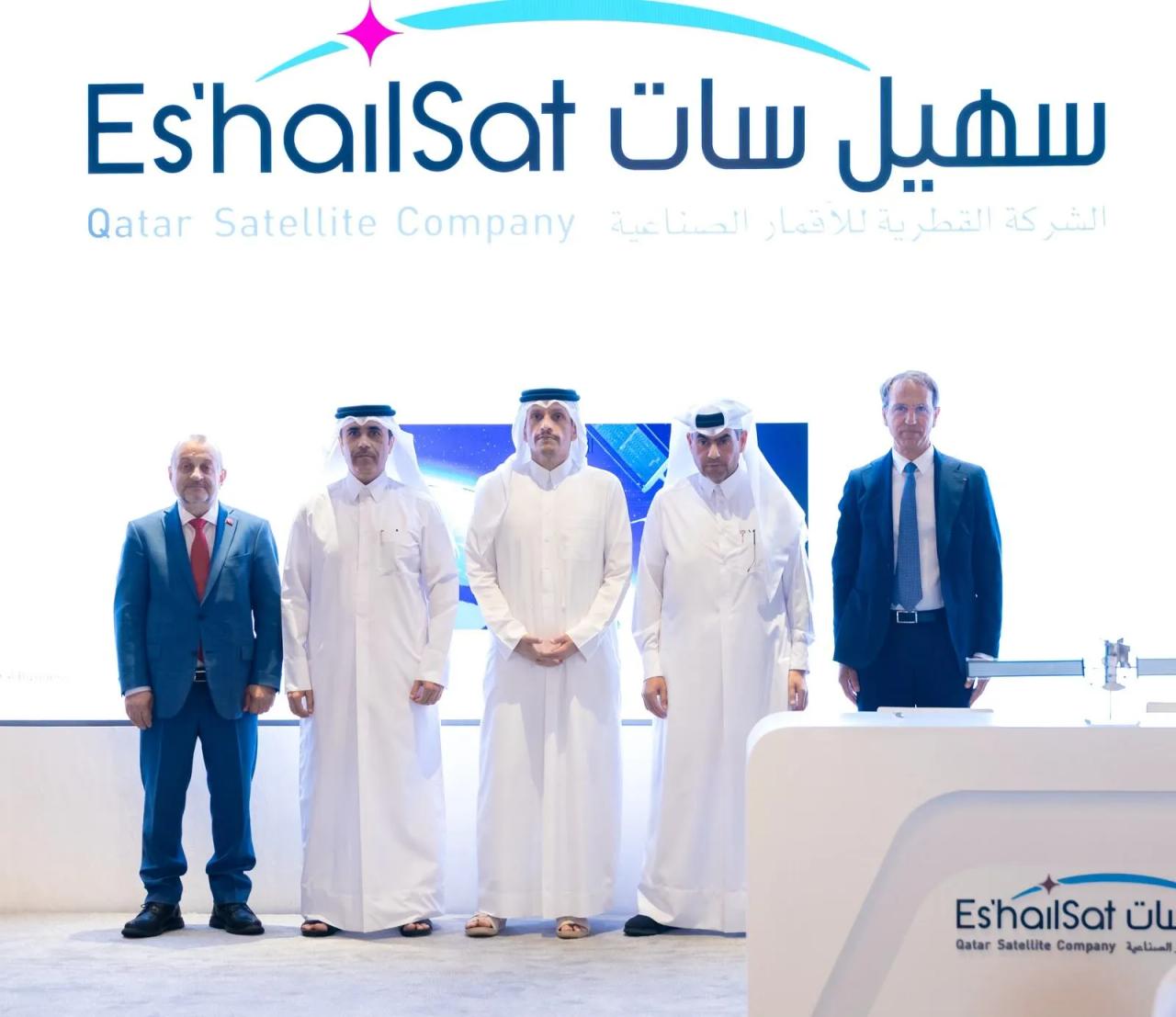
Türkiye-Qatar Satellite Cooperation and Es'hail-3/Türksat-Biruni Strategic Partnership
A strategic partnership agreement has been signed between Türksat and Es'hailSat, a satellite operator based in Qatar, to enhance cooperation in the field of space and satellite technologies between Türkiye and Qatar. The agreement, signed in Doha, anticipates long-term capacity sharing, joint commercial growth, and the development of satellite communication services between the two companies. The partnership aims to extend the existing strategic relations between the two countries into the doma
EN
Zeynep Gül