

`spacerace` Related Article Results
 Ap
ApApollo 11
Apollo 11 is the first space mission on which humanity set foot on the Moon at foot. This historic mission, carried out by NASA, began on 16 July 1969 and was successfully completed on 24 July 1969. The most important memorial of the mission was Neil Armstrong’s first step onto the lunar surface on 20 July 1969. Armstrong’s words, “That’s one small step for a man, one giant leap for mankind.” (“This is a small step for a man, a giant leap for mankind.”) have become historic. Purpose and Preparat
EN
Osman Özbay
ApApollo 11
Apollo 11 is the first space mission in which humanity set foot on the Moon. This historic mission, carried out by NASA, began on July 16, 1969, and was successfully completed on July 24, 1969. The most significant moment of the mission occurred on July 20, 1969, when Neil Armstrong took his first step on the lunar surface. Armstrong’s words, “That’s one small step for a man, one giant leap for mankind.” (“This is a small step for a man, a giant leap for mankind.”) have become historic. Mission
EN
Osman Özbay
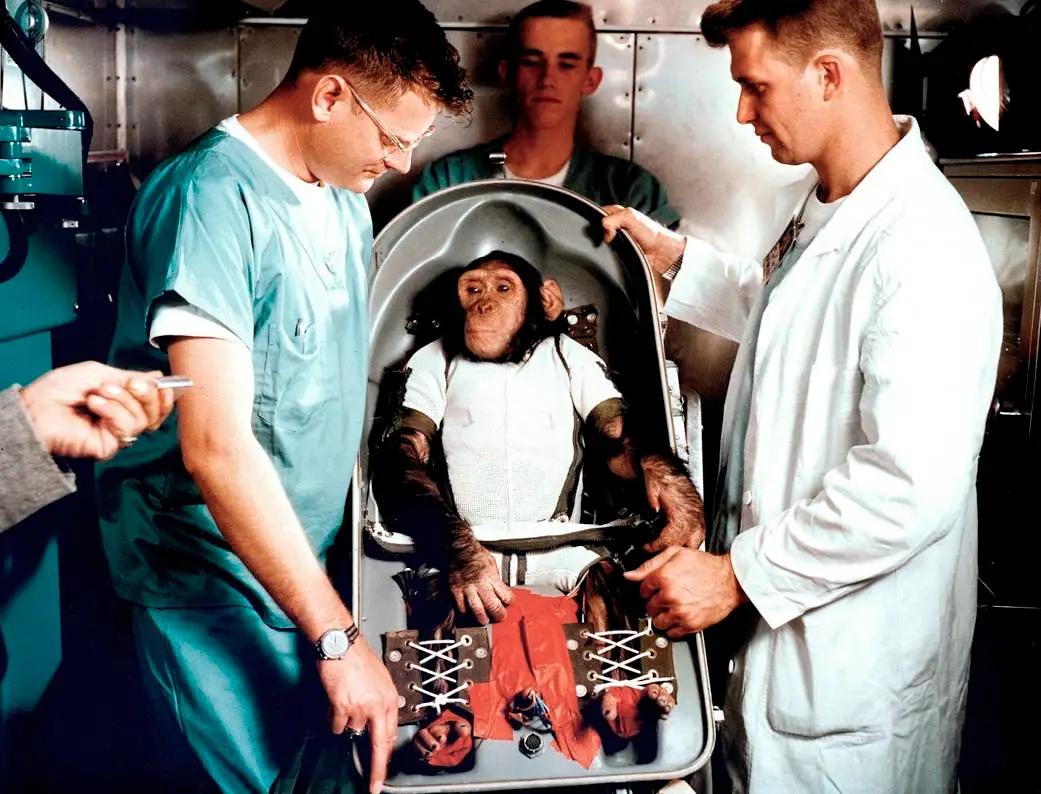
Ham (Astrochimp)
Ham, on 31 January 1961, became the first chimpanzee sent into space as part of the United States' Mercury-Redstone 2 (MR-2) mission and served as a biological precursor to human spaceflight. Technically known as "No. 65," this primate was used as an active operator during flight, performing tasks in real time. His successful mission directly paved the way for the United States' first human spaceflight, Alan Shepard's mission.Save the Chimps, “Ham, the First Chimpanzee in Space,” Save the Chimps
EN
Nursena Şahin
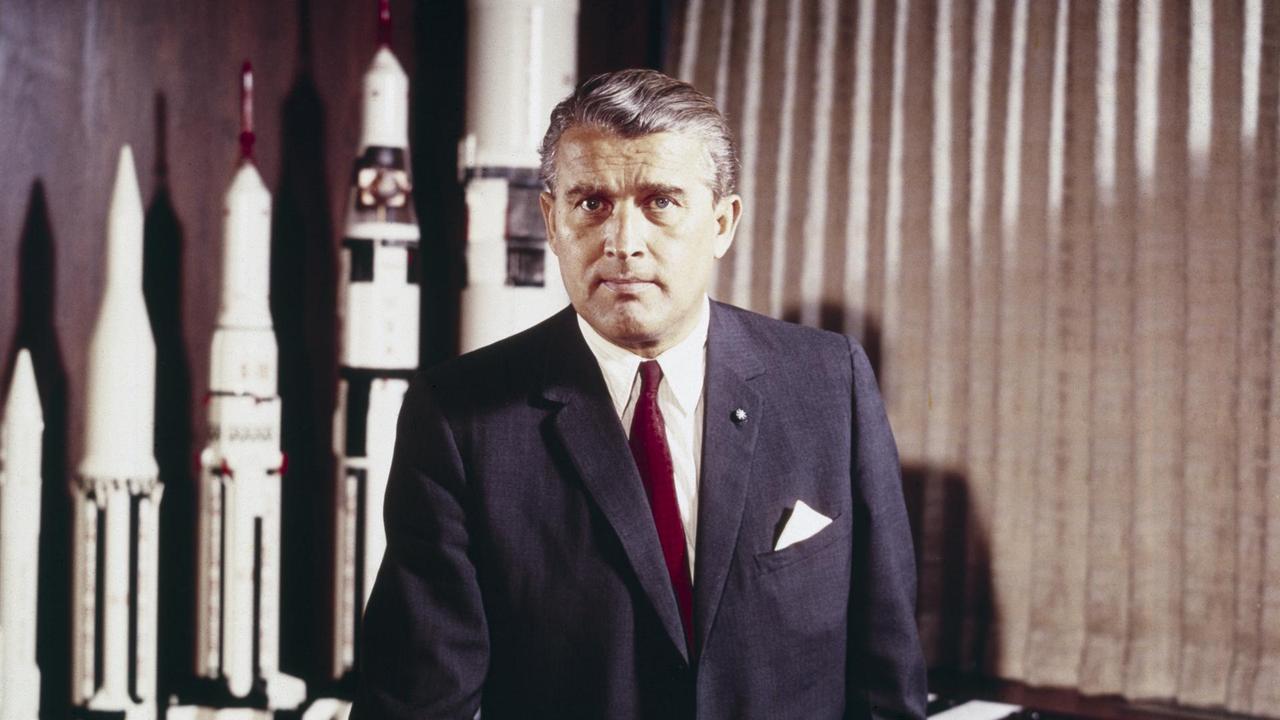
Wernher Magnus Maximilian Freiherr von Braun
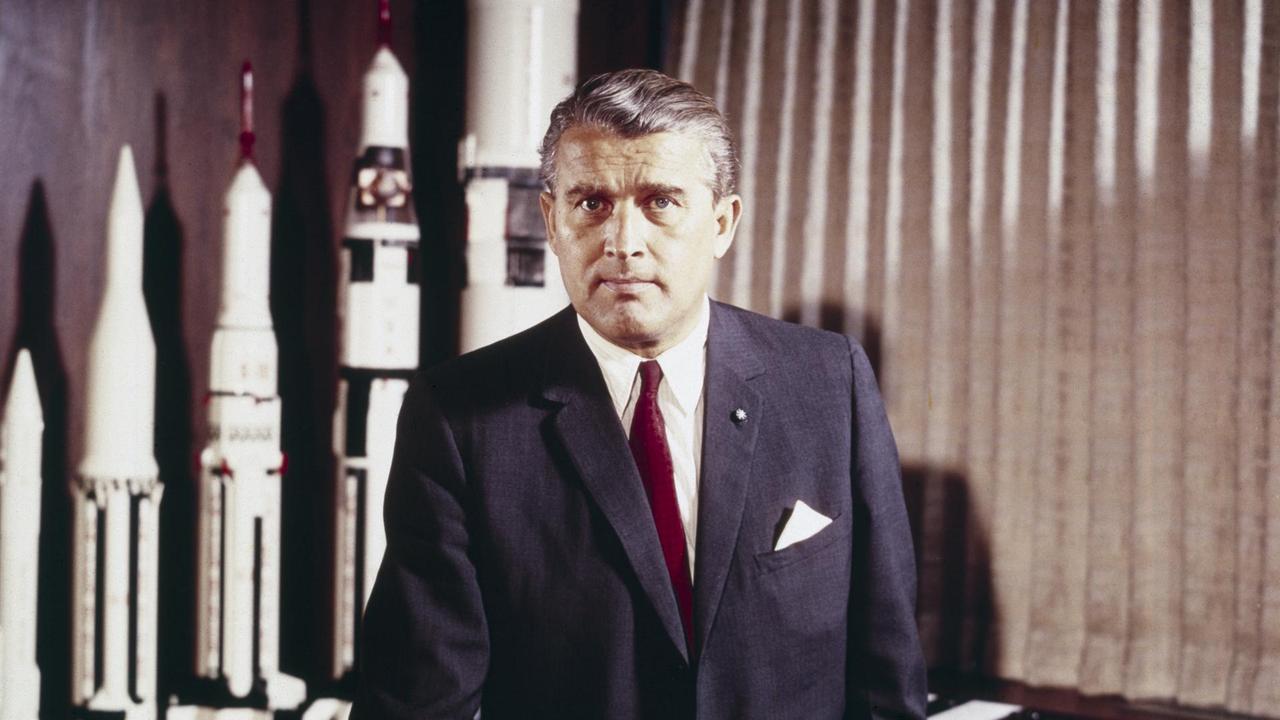
Wernher Magnus Maximilian Freiherr von Braun 23 March 1912, in the Prussian region of Germany, was born into an aristocratic family. His father, Baron Magnus von Braun, and his mother, descended from King Valdemar I of Denmark. In childhood, he began showing an interest in science, particularly space; he developed an interest in astronomy by observing stars through a telescope given to him by his mother. The young Wernher read works by science fiction authors such as Jules Verne and H.G. Wells a
EN
Zekeriya Aktaş
Wernher Magnus Maximilian Freiherr von Braun
Wernher von Braun, as one of the 20th century’s most controversial and influential engineering figures, built a career that began with ballistic missile technologies developed in Nazi Germany and extended to the United States’ human mission to the Moon. He left behind a complex legacy shaped by the tension between his technical genius and his ethical responsibilities. ### Childhood Wernher Magnus Maximilian Freiherr von Braun was born on 23 March 1912 in the Prussian region of Germany into an ar
ENZekeriya Aktaş
Apollo 13 (Film)
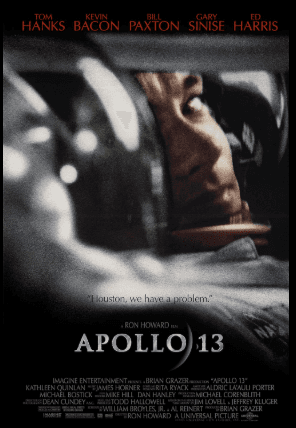
Apollo 13 is a 1995 American historical drama film directed by Ron Howard, depicting NASA’s failed 1970 lunar landing mission. The film is regarded as one of the key examples of the “docudrama” genre. Plot Apollo 13 centers on the real-life mission of the same name that occurred in 1970. The film begins with the launch of the crew—Commander Jim Lovell, Command Module Pilot Jack Swigert, and Lunar Module Pilot Fred Haise—on April 11, 1970, as they set out for the Moon. On the third day of the mis
EN
Arda Songur
Wernher Magnus Maximilian Freiherr von Braun
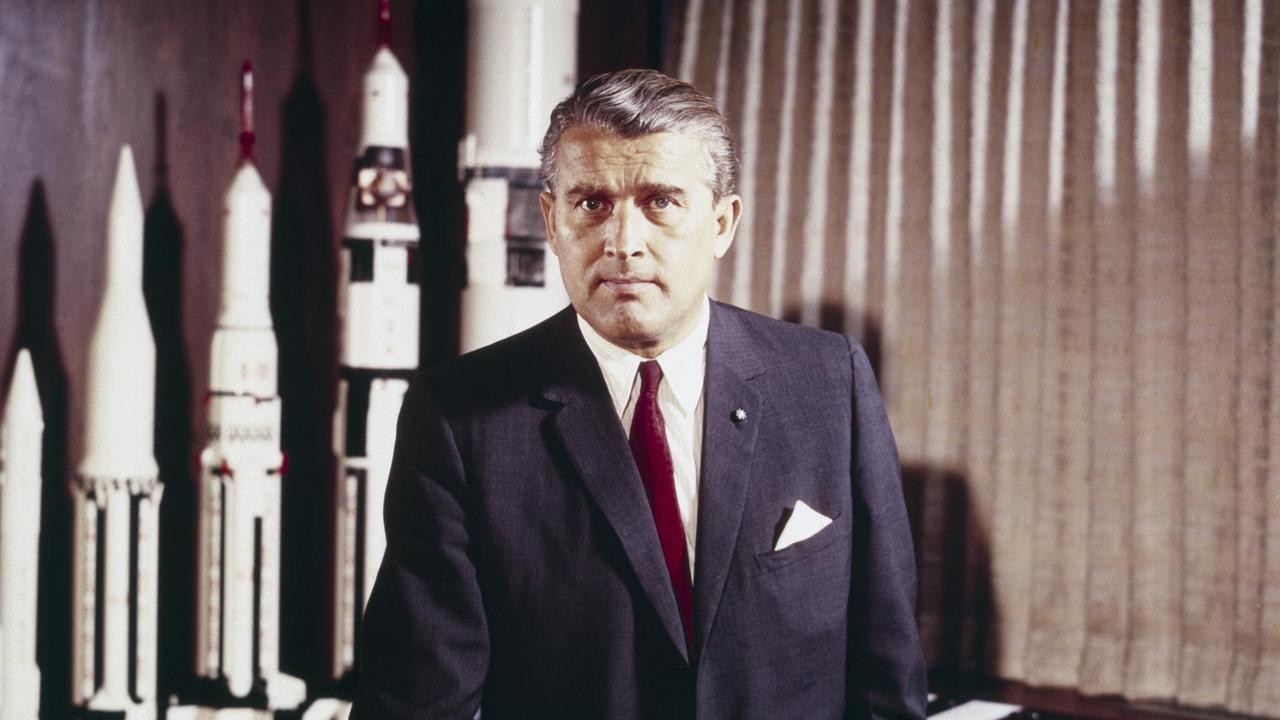
Wernher von Braun, as one of the most controversial and influential engineering figures of the 20th century, built a career that spanned from the development of ballistic missile technologies in Nazi Germany to the process of sending humans to Moon via USA, leaving behind a multifaceted legacy shaped by the tension between his genius and ethical responsibilities. Childhood Wernher Magnus Maximilian Freiherr von Braun was born on 23 March 1912 in the Prussia region of Germany, into an aristocrati
EN
Zekeriya Aktaş
Wernher Magnus Maximilian Freiherr von Braun
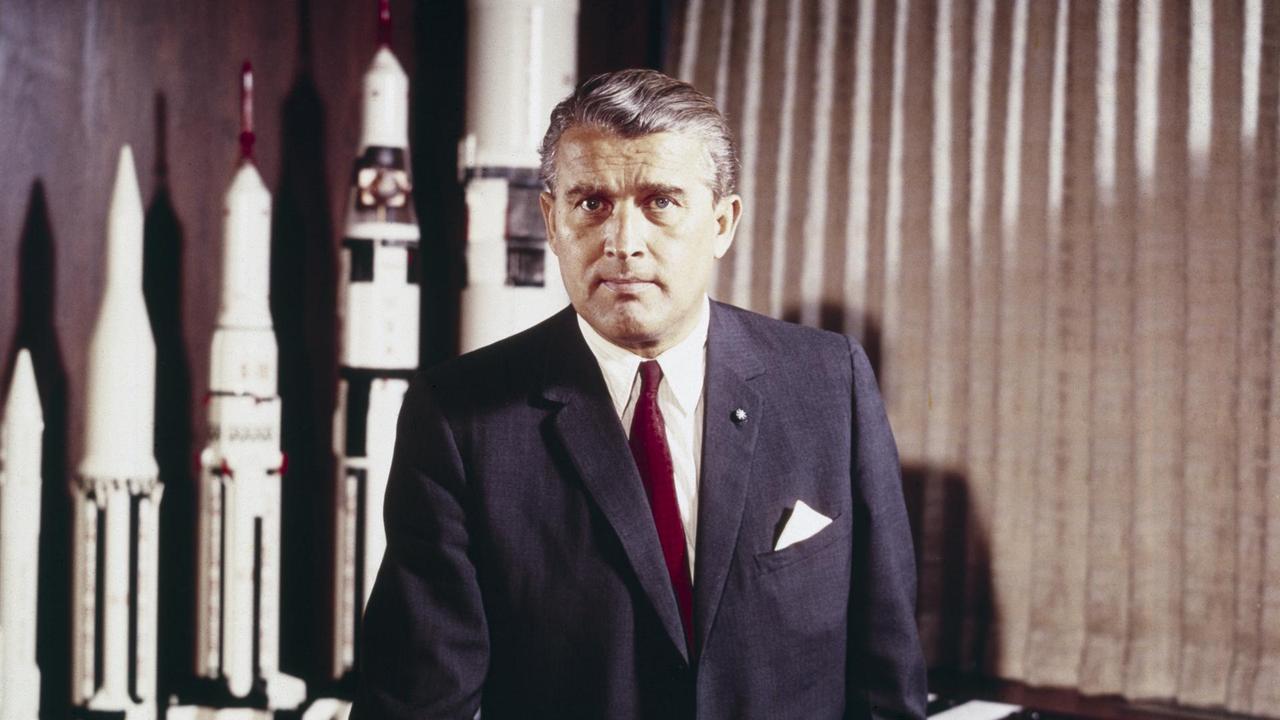
Wernher Magnus Maximilian Freiherr von Braun was born on 23 March 1912 in the Prussian region of Germany into an aristocratic family. His father, Baron Magnus von Braun, and his mother, who descended from King Christian I of Denmark, provided him with a privileged upbringing. In childhood he developed a fascination with science, particularly space; he began observing stars through a telescope given to him by his mother and became interested in astronomy. The young Wernher read works by science f
ENZekeriya Aktaş
Laika
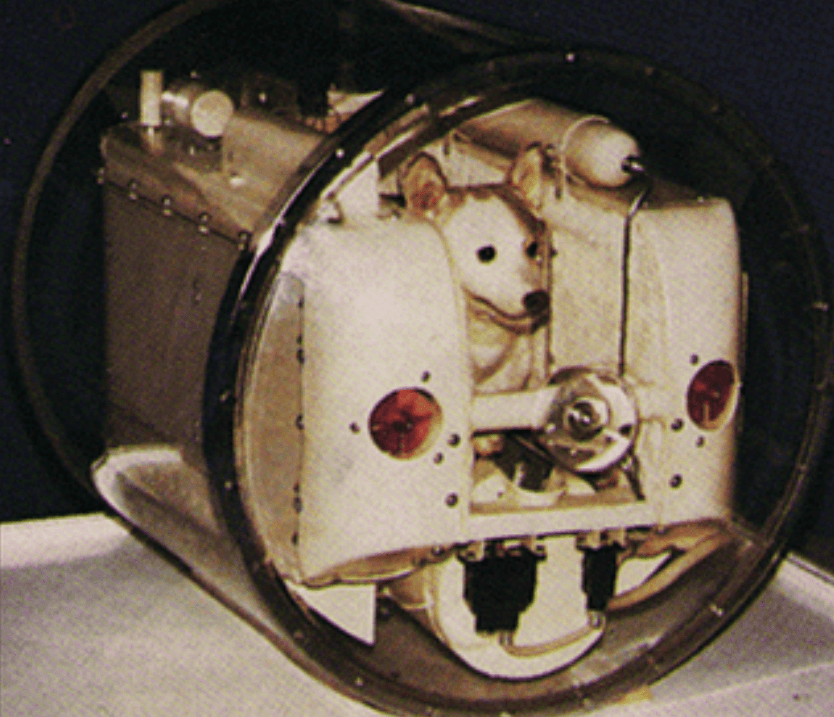
Laika, on 3 November 1957, became the first living creature sent into Earth orbit by the Soviet Union aboard the Sputnik 2 spacecraft. Laika, a stray mixed-breed dog from the streets of Moscow, was selected for this historic mission to test the effects of space travel on living organisms. Historical Background In the mid-1950s, the "Space Race" between the United States and the Soviet Union had evolved into a global technological competition. The Soviet Union gained temporary superiority in this
ENNursena Şahin
Wernher Magnus Maximilian Freiherr von Braun
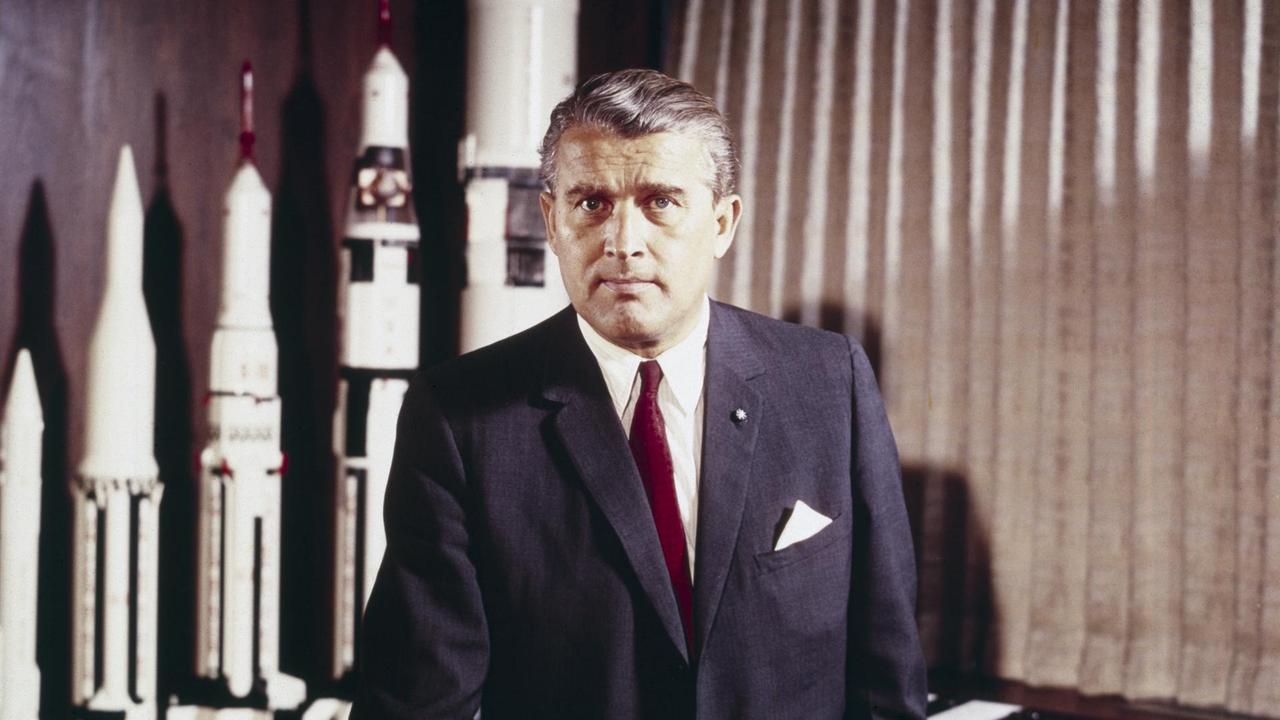
Wernher Magnus Maximilian Freiherr von Braun was born on March 23, 1912, in the Prussian region of Germany, into an aristocratic family. His father, Baron Magnus von Braun, and his mother, a descendant of Danish King Valdemar I, belonged to a noble lineage. During his childhood, he became interested in science, particularly space, and developed an interest in astronomy by observing the stars with a telescope gifted by his mother. As a young boy, he read science fiction works by authors like Jule
ENZekeriya Aktaş