

`soil` Related Article Results
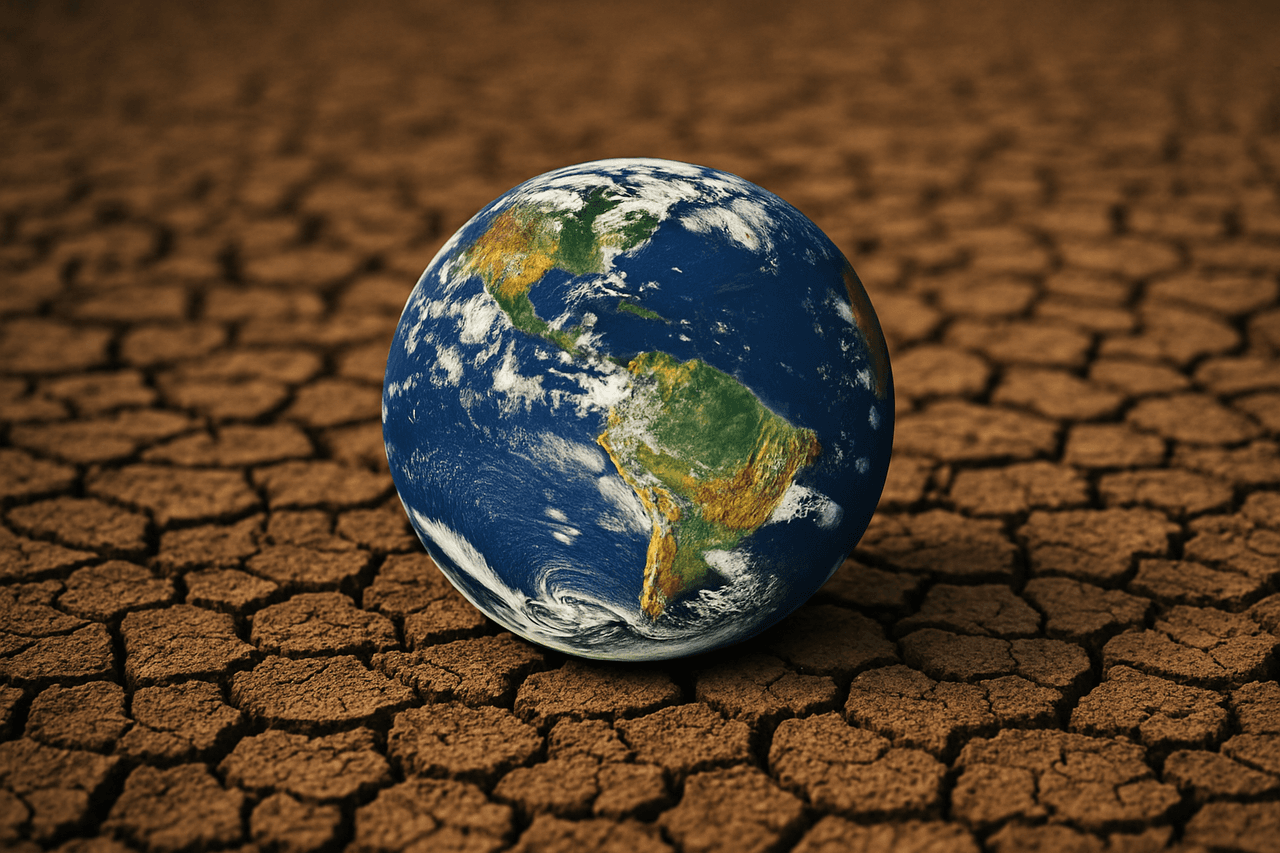
World Soil Day
World Soil Day is observed annually on 5 December as an international day of awareness to highlight the critical role of soils in human life and natural systems. This day aims to focus global public opinion and policymakers on soil health, sustainable land use, and the conservation of soil resources. Historical Development The idea of drawing international attention to the sustainable management of soils was proposed by the International Union of Soil Sciences (IUSS) in 2002; it was subsequently
EN
Hümeyra Yılmaz
 Br
BrBroad bean (Vicia faba)
Fava bean (Vicia faba) is an annual, cold-tolerant crop plant belonging to the legume family (Fabaceae). Widely cultivated as a food source in many regions of the world, fava bean is an important legume consumed both fresh and dried. Throughout history, it has been one of the fundamental sources of protein and carbohydrates in human nutrition and has gained a significant role in agricultural production due to its soil-improving properties. Fava bean is evaluated in terms of its structural charac
EN
Şule Bozkurt
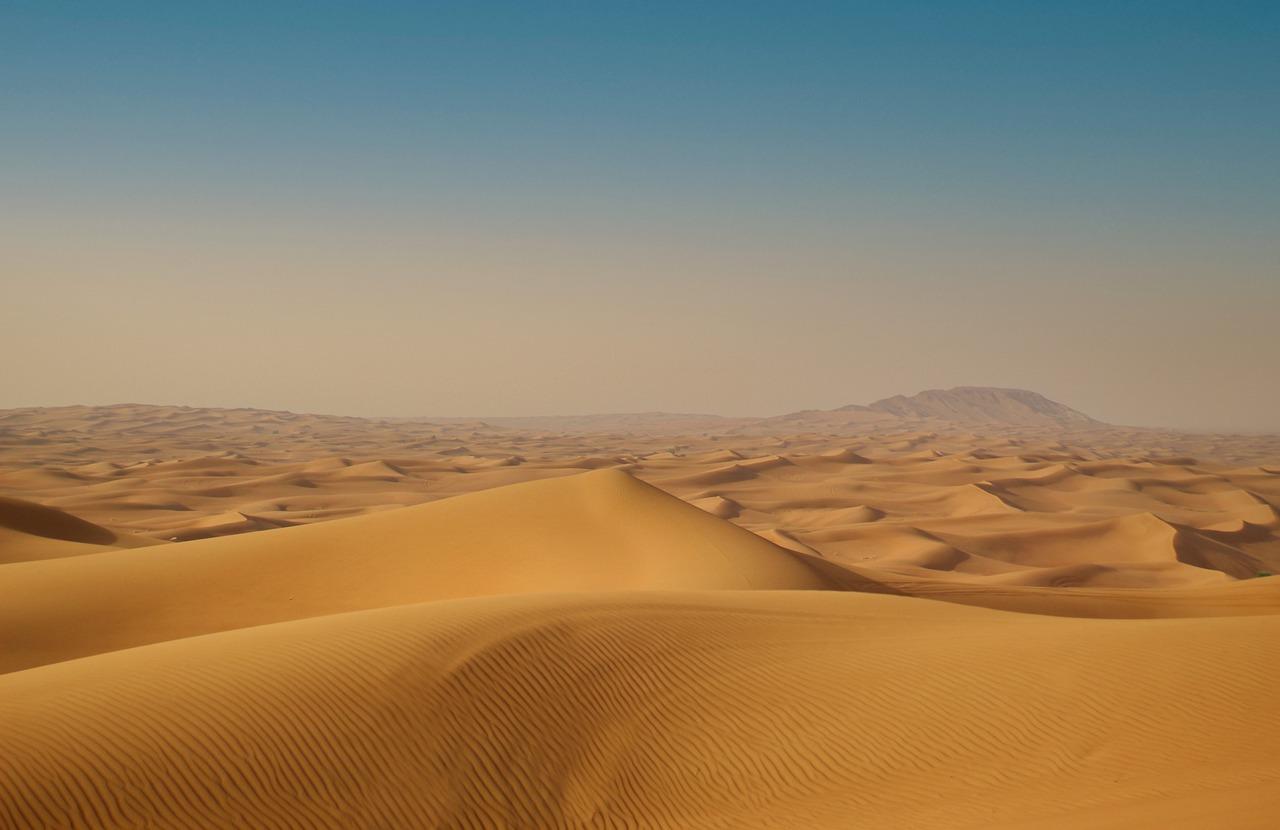
Why Are Desert Nights Cold?
Deserts are vast land areas that receive very little rainfall and have sparse vegetation. A region is considered a desert if its annual precipitation is below 250 mm. However, the term desert does not only refer to high temperatures but also means aridity. What Are the Characteristics of a Desert Climate? In desert climates there is a large temperature difference between day and night. During the day, sunlight directly reaches the ground and the air heats up significantly. However, when night fa
EN
Fatma Köroğlu
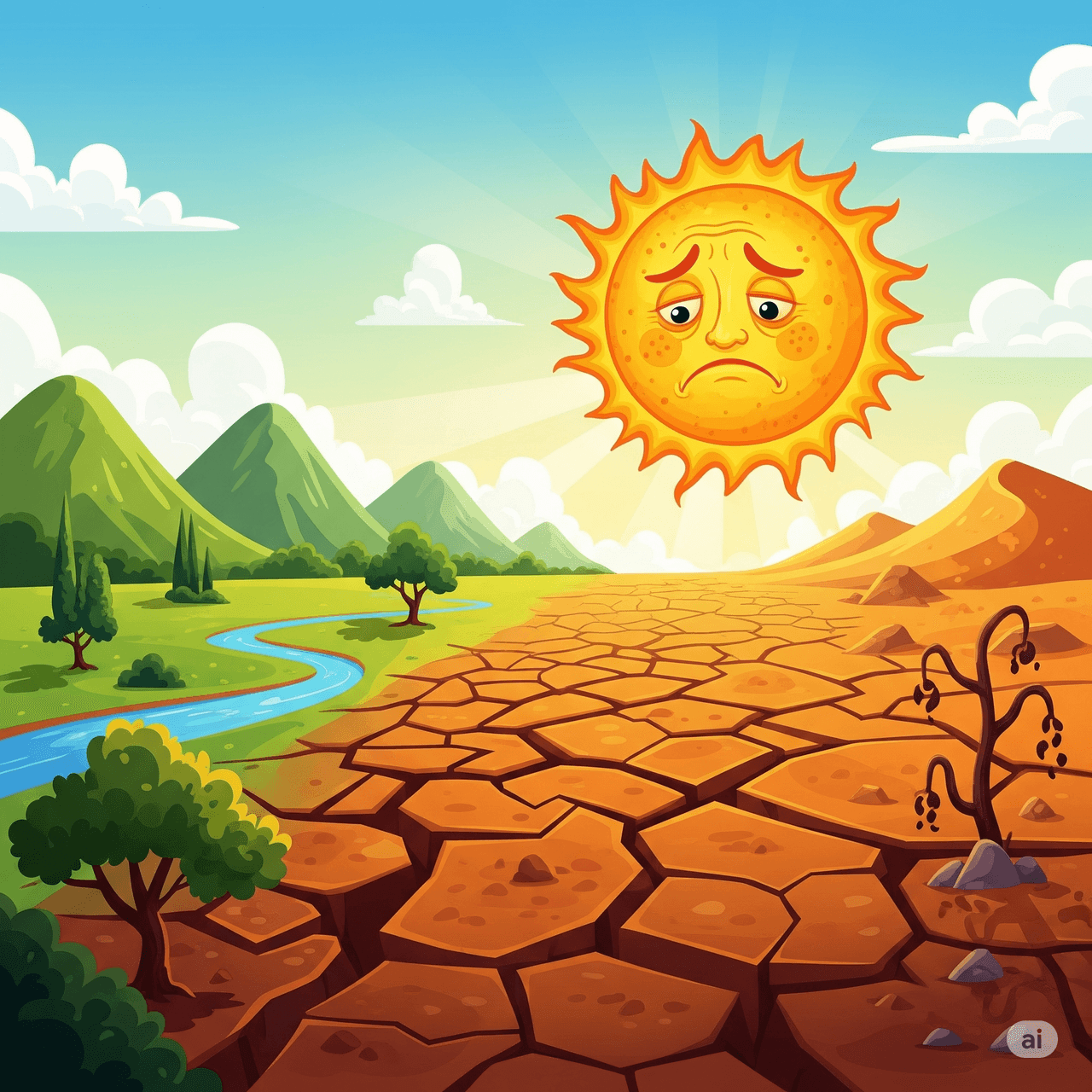
What Is Desertification?
Desertification is the process by which fertile soil becomes damaged and gradually turns into a dry, uninhabitable desert-like state. In this condition, the soil can no longer retain water, plants wither, and agriculture becomes difficult. Desertification is not merely an increase in sand, but the loss of the soil’s productivity. In arid or semi-arid countries such as Türkiye, desertification poses a major problem. What Causes Desertification? The primary causes of desertification are human acti
EN
İbrahim Filiz
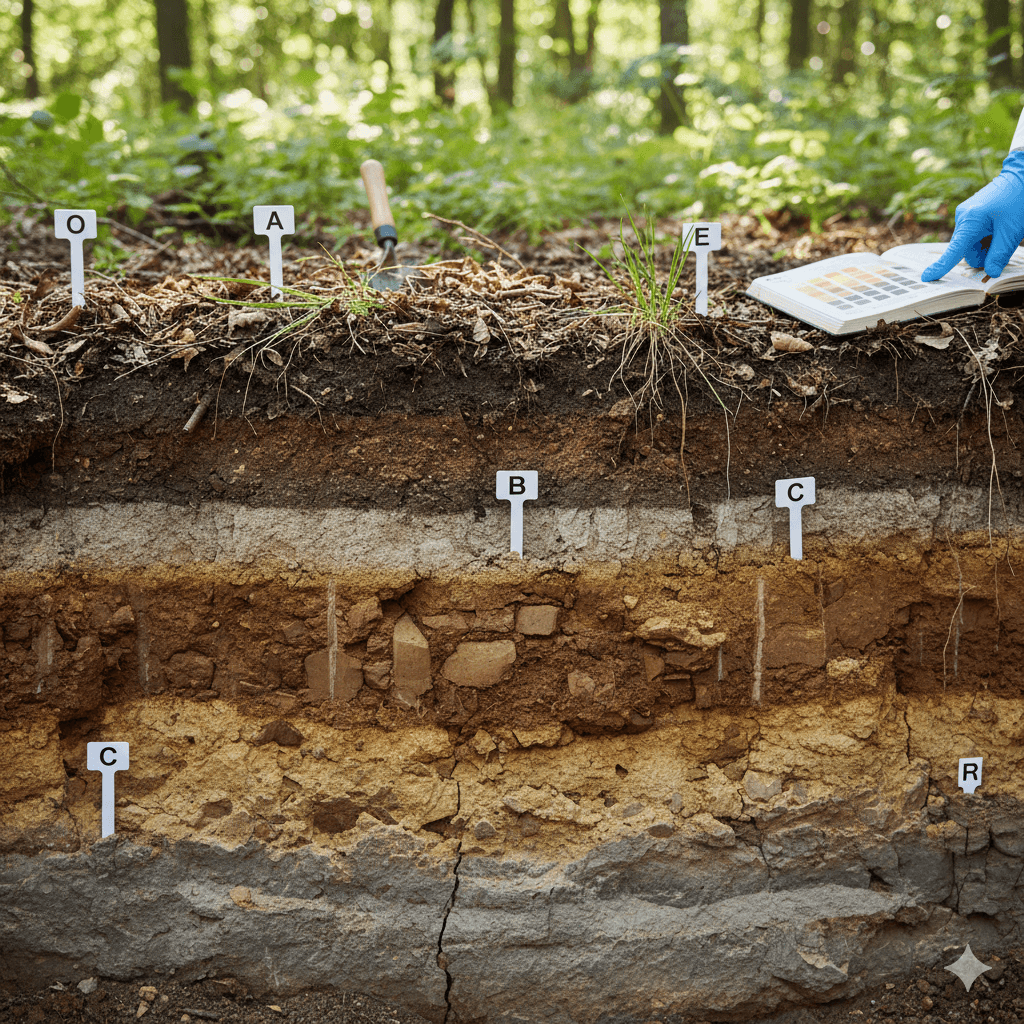
Soil Horizons
Soil horizons are distinct layers observed in a vertical cross-section of soil (soil profile), lying approximately parallel to the surface and exhibiting clear differences from one another. These layers, known as soil horizons, differ from adjacent horizons in at least several fundamental characteristics that can be identified in the field. These layers, which serve as a source of data on the morphological, physical, chemical, and mineralogical properties of soil, are used by soil scientists to
EN
Yunus Emre Yüce
Erosion
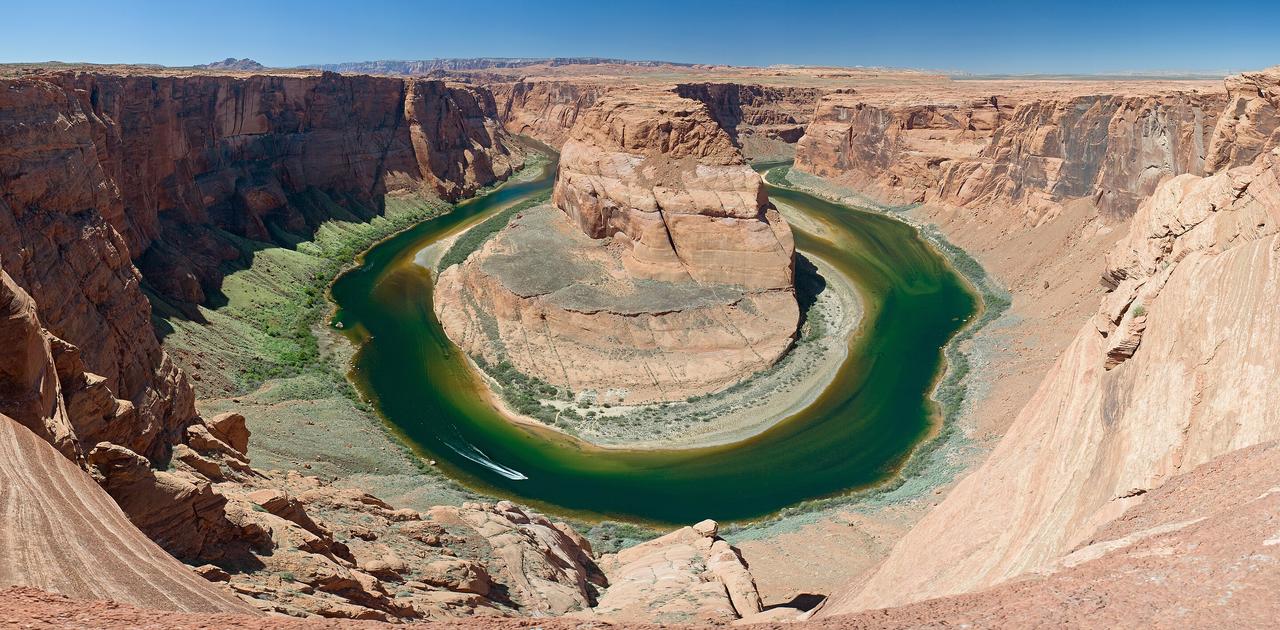
Erosion is a natural process in which rock and other surface materials are worn away and transported by agents such as water, wind, ice, or gravity. It plays a fundamental role in shaping the Earth’s surface, contributing to the formation of valleys, canyons, and coastal strips. Factors influencing erosion include soil composition and structure, the presence of vegetation cover, climatic conditions such as rainfall and wind, and human activities such as deforestation and the improper use of agri
ENFatih Birinci
Enclave
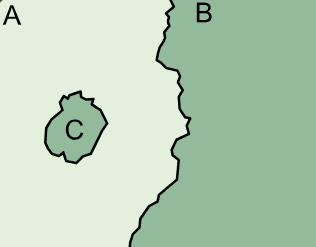
An enclave is a territory that belongs officially to one country but is entirely surrounded by the territory of another country. The fundamental difference between an enclave and an exclave is that an enclave is completely enclosed by the territory of a foreign state. In addition, today there are also enclaves on the map of world. Characteristics The following image illustrates an example of an enclave. According to this example, region C is officially part of country B but is entirely surrounde
EN
Baran Berber
Soil
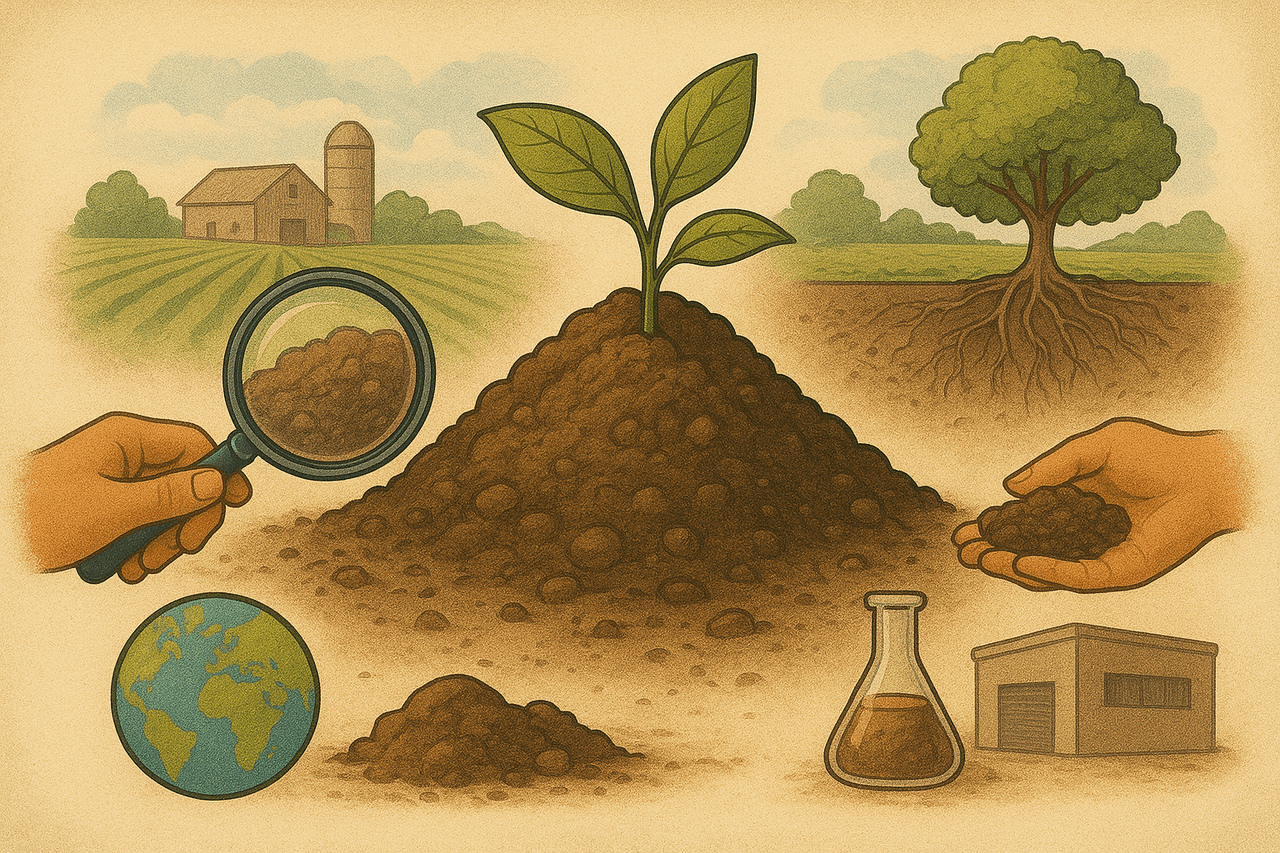
Soil is a natural resource that covers the Earth's crust as a thin layer and is essential for plant root development and the continuation of life. It consists of mineral particles, organic matter, water, air, and various living organisms. As a fundamental component of Earth's ecosystems, soil provides physical support to plants and serves as the source of water and nutrients they require. Soil Formation Soil formation occurs through the influence of factors such as climate, parent material, topo
ENSude Kökten
What Is Erosion and How Is It Prevented?
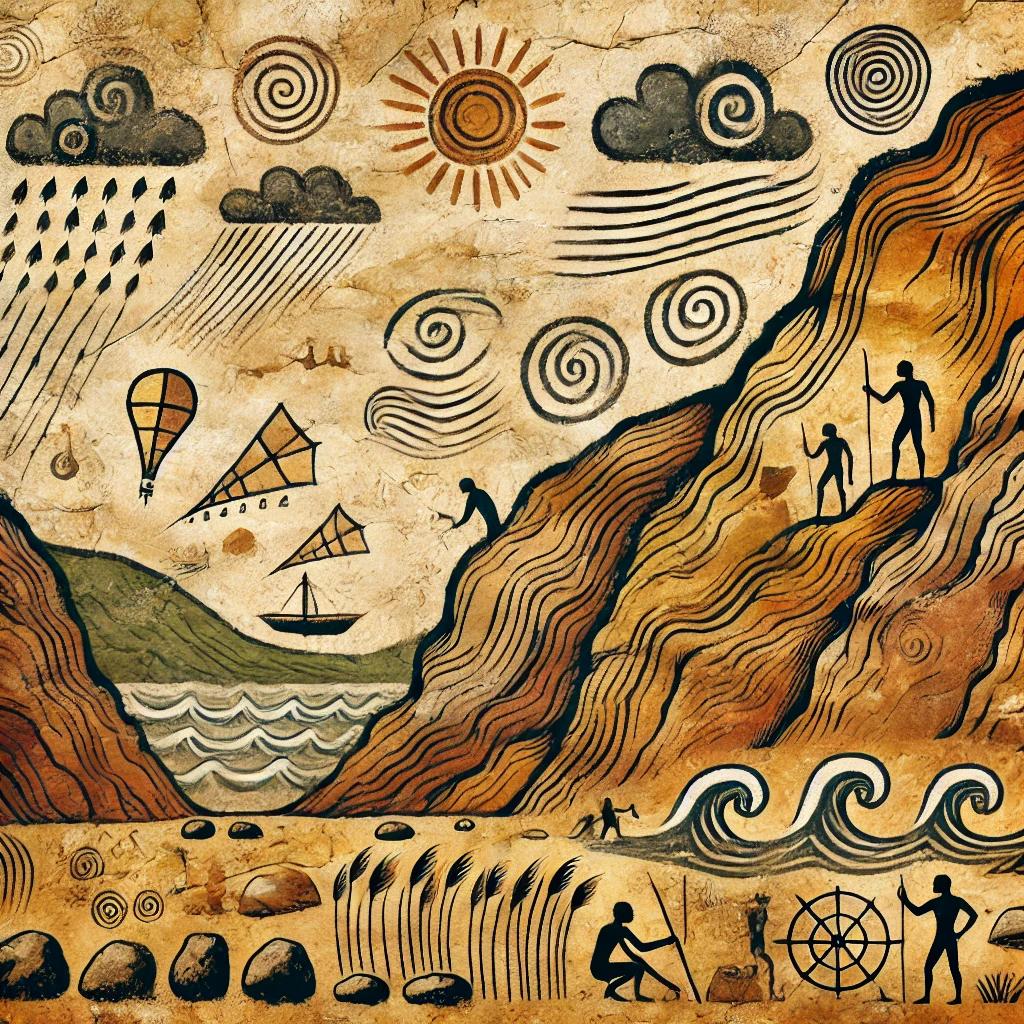
What Is Erosion? Erosion is the process by which soil is worn away and transported by wind, rain, or flowing water. It is especially common in areas lacking vegetation. Over time, soil is lost and agricultural land suffers damage. Erosion is a significant problem that disrupts the balance of nature. How Does Erosion Occur? Erosion does not happen instantly; it develops gradually. Here is the step-by-step erosion process: 1. Soil becomes exposed: When trees are cut down or plants are removed, the
EN
Mustafa Cem İnci
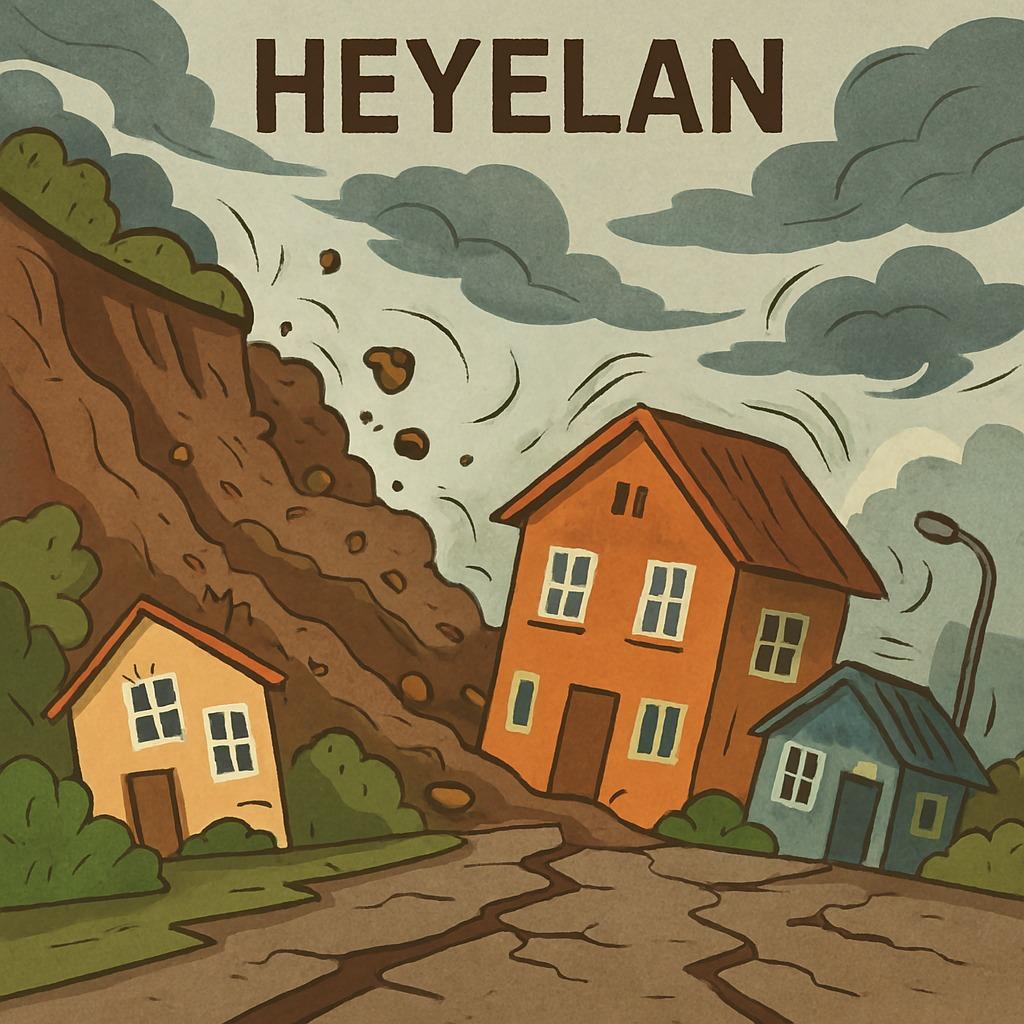
What is a Landslide?
Landslide is the movement of soil, rock, or other surface materials down slopes due to gravity. This phenomenon can occur slowly or rapidly and may cause damage to the environment. Steep slopes facilitate the sliding of soil and rocks under the influence of gravity. Factors Triggering Landslides Landslides can occur due to loose or water-saturated soil, heavy rainfall, snow and ice melt, earthquakes and tremors, loss of vegetation, and human activities. These factors can initiate sliding individ
ENFatma Köroğlu