


What Is Fertilization?
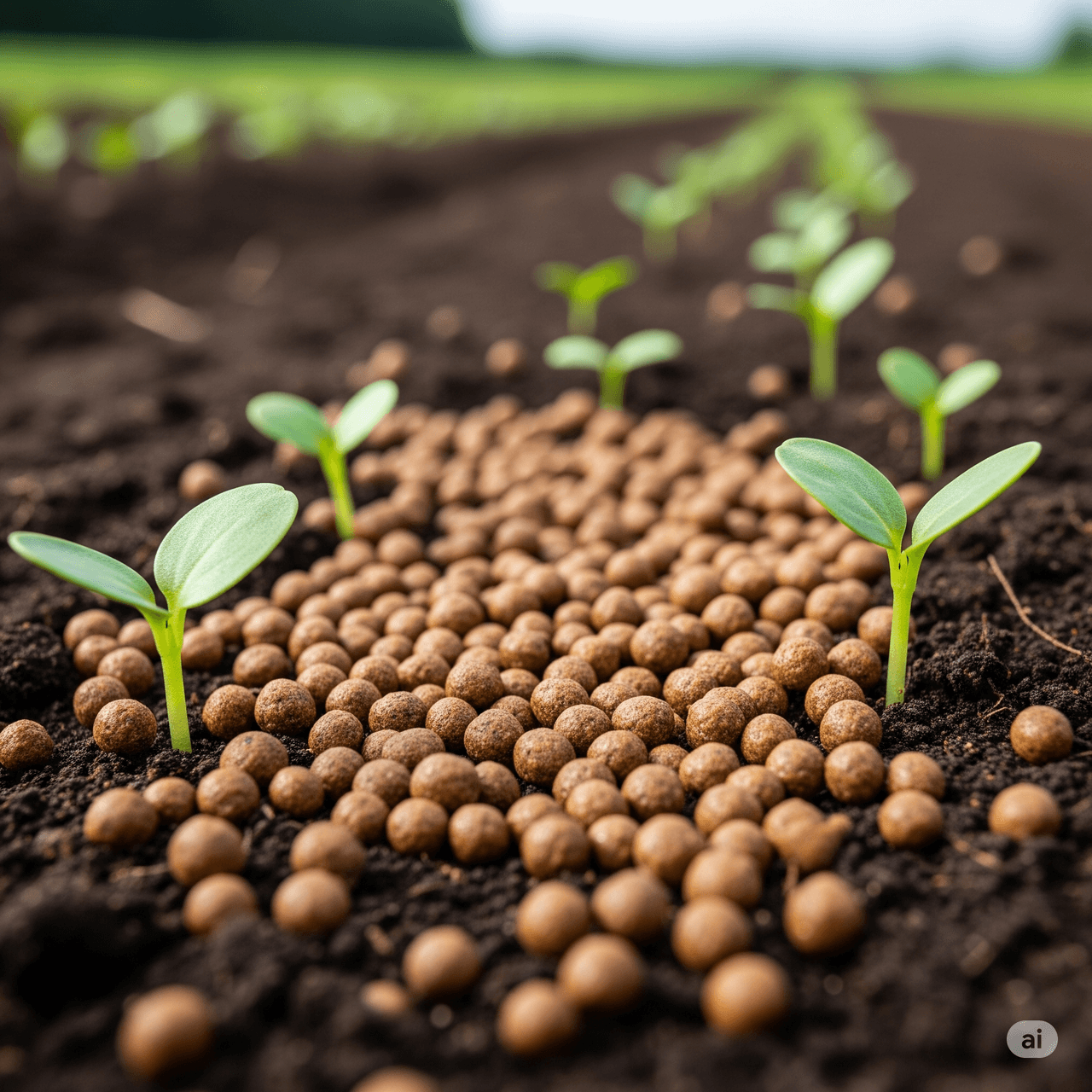
Fertilization is the addition of nutrients to the soil that plants need to grow healthily. Like humans, plants require nutrients such as nitrogen, phosphorus, and potassium to sustain their life. Without fertilization, plants become weak, yields decrease, and the soil gradually becomes unproductive.

(Generated by artificial intelligence.)
Why Is It Important?
Fertilization increases agricultural productivity and maintains the nutrient balance of the soil. Without regular fertilization, plant leaves turn yellow, growth slows, and the soil becomes depleted. Therefore, farmers carefully choose fertilization methods both to achieve high yields and to protect the environment.
Types of Fertilizers
Fertilizers are generally classified into three categories:
Chemical (Mineral) Fertilizers: Contain compounds rich in nitrogen, phosphorus, and potassium.
Organic Fertilizers: Derived from animal manure, compost, or green manuring methods.
Organomineral Fertilizers: Mixtures that combine both organic and mineral properties.
Each type of fertilizer has a specific application context and, when chosen correctly, best meets the nutritional needs of plants.
Organic and Green Fertilization
Organic fertilizers are natural materials obtained directly from nature. Green fertilization involves incorporating plants such as legumes into the soil. This method improves both the nutrient content and structure of the soil. Additionally, organic fertilization enhances soil health and supports long-term productivity.
Proper Use of Fertilization
Excessive or incorrect use of fertilizers can harm the soil and the environment. Scientists emphasize that fertilization must be applied in the right amount, at the correct time, and using the appropriate method. This ensures increased agricultural productivity while preserving ecological balance. Incorrect fertilization can also pollute water sources, making careful application essential.
(Generated by artificial intelligence.)
Contribution of Fertilization to Soil Health
Fertilization makes the soil more productive, nutrient-rich, and biologically active. Organic fertilizers, in particular, increase the soil’s water retention capacity and support the multiplication of beneficial microorganisms. As a result, the soil functions like a living ecosystem and provides sustained support to plants.
Deficiency Symptoms in Plants
When the soil lacks sufficient nutrients, plants show various symptoms. For example, nitrogen deficiency causes leaves to turn yellow, while phosphorus deficiency leads to purplish discoloration. Farmers can identify which nutrients are lacking by observing these symptoms. Proper fertilization enables plants to recover and produce healthy yields.
Sustainable Fertilization
Sustainable fertilization means nourishing the soil while protecting the environment. It is recommended to avoid excessive use of chemical fertilizers and to promote organic methods. This ensures that both current and future generations have access to productive soils. Environmentally friendly fertilization is fundamental to ecologically compatible agriculture.