

`socialexclusion` Related Article Results
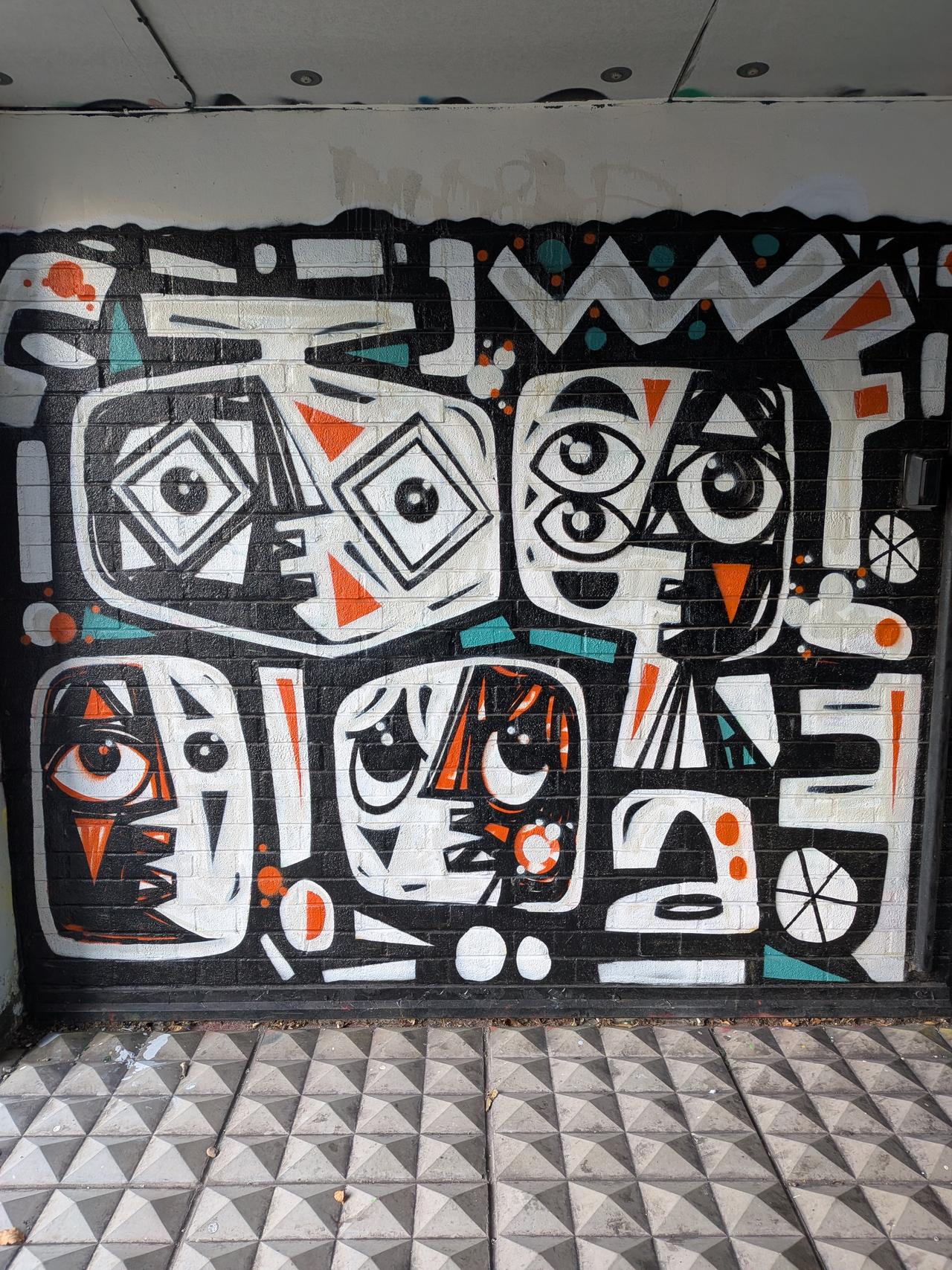
No Sitting! Who Is This Public Space For?
Imagine you want to sit on a bench. But there is an armrest in the middle of the bench. Or the surface is so slanted that you slide off when you try to sit. Perhaps you wanted to lean against a window sill in front of a shop, but small metal protrusions blocked you. You probably just muttered, “What kind of design is this?” and moved on. It is precisely this “moving on” state that constitutes the real success of these designs. These designs are called hostile architecture. The purpose of hostile
EN
Nazlı Kemerkaya
Johatsu
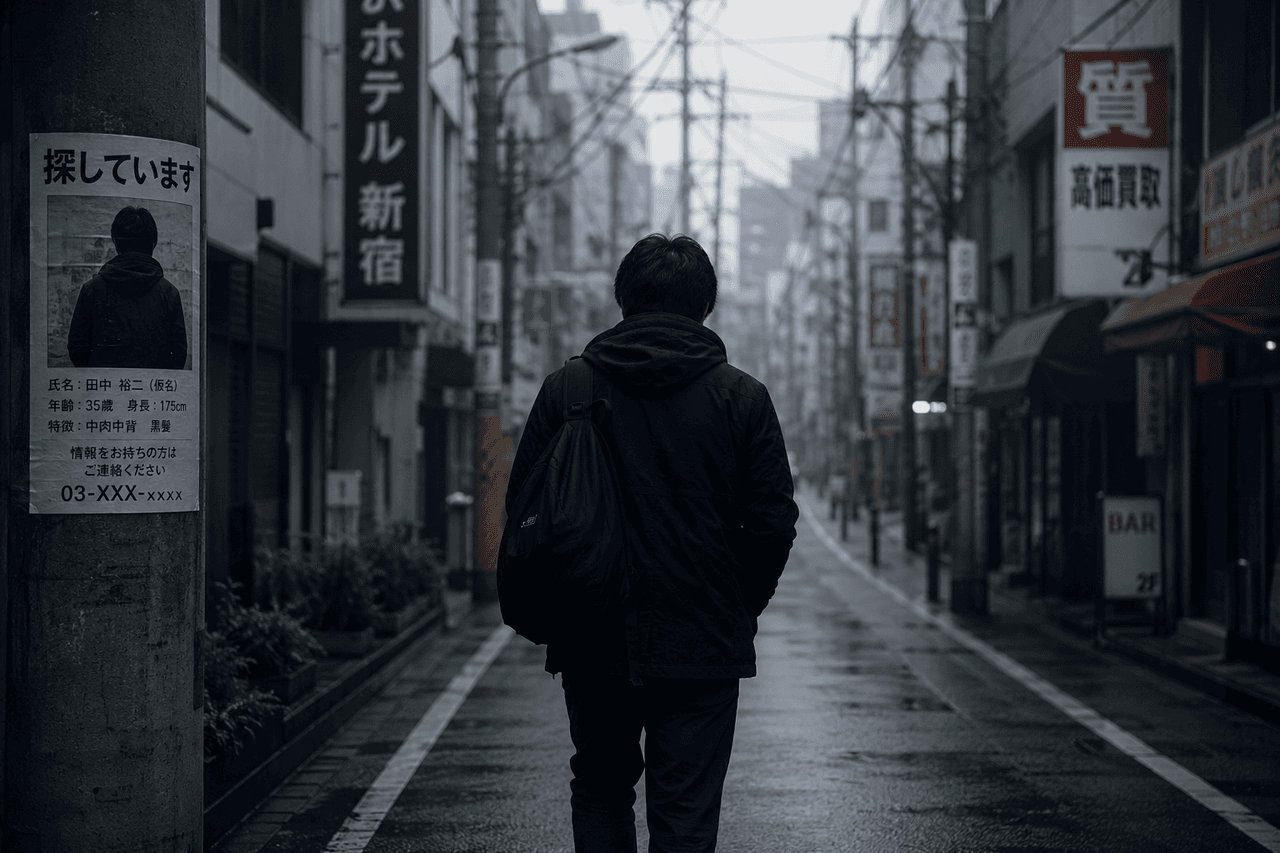
Johatsu is a sociological term derived from the Japanese word meaning "evaporation" or "evaporated people" that describes the act of individuals voluntarily abandoning their current lives, families, jobs, and identities without leaving any trace. Historical Development This phenomenon first entered social literature in the 1960s when individuals seeking to escape unhappy marriages abandoned their spouses due to the difficulty of divorce proceedings.【1】 In later decades, during the early 1990s, t
EN
Nursena Şahin

Burakumin
Burakumin (literally meaning "village people" or "hamlet people") is an indigenous Japanese group historically marginalized and subjected to social isolation due to roots extending back to Japan's feudal era and traditional caste system, which has led to their classification as a minority.【1】 This community cannot be distinguished biologically or racially from the rest of the Japanese population; social differentiation has been entirely shaped by historical residential patterns and family regist
ENNursena Şahin

Stamping
Stigma refers to the disapproval, labeling, or discrimination directed at an individual or group due to perceivable characteristics that distinguish them from societal norms. Labeling involves assigning undesirable traits to these individuals in a stereotypical manner.【1】 Social theorist Erving Goffman defines stigma as “a behavior that devalues an individual, rendering those bearing the label less desirable and barely perceived as human.” 【2】 When society categorizes and labels individuals into
EN
Kadriye Beyza Kirenci