

`social-realism` Related Article Results
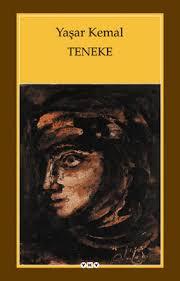
Tin (Book)
Teneke is a novel published by Yaşar Kemal in 1955. It is regarded as one of the author’s early works and stands as one of the significant examples of social realism in Turkish literature. The novel addresses a social conflict set in the rural areas of Çukurova. Throughout the narrative, it explores the利益关系 between powerful landowners and state officials, as well as the struggles of the peasants. Thematically, the work can be grouped under the main headings of land ownership, justice, power and
EN
Nida Üstün
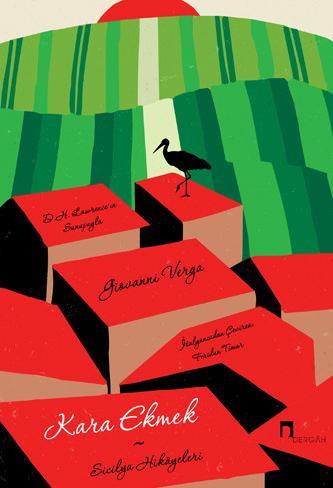
Black Bread Sicilian Stories (Book)
Black Bread – Sicilian Stories is a work by Giovanni Verga, one of the most important figures in Italian literature. Published by Dergâh Yayınları in April 2024, this book consists of stories that deeply explore rural life and the hardships of the working class in Verga’s time. The narratives are drawn from real-life fragments of the village where Verga lived and where his family originated. Summary of Contents The book provides a detailed account of the lives of peasants and the working class i
EN
Muhammed Samed Acar
Soil Casts (Book)
Kemal Ateş’s novelToprak Kovgunları is a literary work that examines the rapid internal migration process in Türkiye during the second half of the 20th century through the social and cultural consequences of population movements from rural areas to urban centers. The novel takes shape around the identity crises economic hardships and struggles for adaptation experienced by individuals who left village life and began living in informal settlements. Written in a social realist vein the work narrat
ENNida Üstün
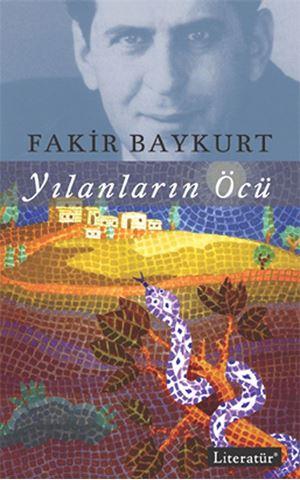
The Vengeance of the Snakes
Published in 1959, Yılanların Öcü is a significant Turkish novel that centers on rural life in Anatolia and portrays the struggles and class conflicts of villagers through a socially realistic approach. One of Fakir Baykurt’s first major novels, the work particularly reflects the peasant’s quest for land justice and resistance. Content and Themes The novel’s focal point is the character of Kara Bayram, the courageous young man and son of Ali Rıza Bey, who leads the villagers in their fight for l
ENNida Üstün
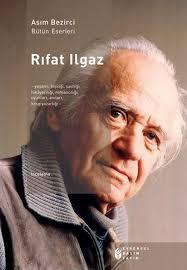
Rıfat Ilgaz
Rıfat Ilgaz is a poet, writer, and educator who produced works within the socially realistic tradition of Turkish literature during the Republic era. He is widely known especially for his work Hababam Sınıfı. He wrote in the genres of poetry, novel, short story, humor, and memoir. Life Rıfat Ilgaz was born on 7 May 1911 in the district of Cide, Kastamonu. According to his mother, his birth year was 1910. He completed his primary education in Cide and his secondary education at Kastamonu High Sch
EN
İrem Dağlı
 Ne
NeNew World (Book)
Sabahattin Ali's work "Yeni Dünya" is one of the short story collections written by the author with a social realist perspective. Published in 1943, this book consists of various stories that explore human conditions, the differences between rural and urban life, and individuals' struggles within society. Sabahattin Ali's plain and compelling language enables him to skillfully portray the psychological states of his characters and the social injustices they endure. Subject of the Book The storie
ENBeyza Nur Türkü
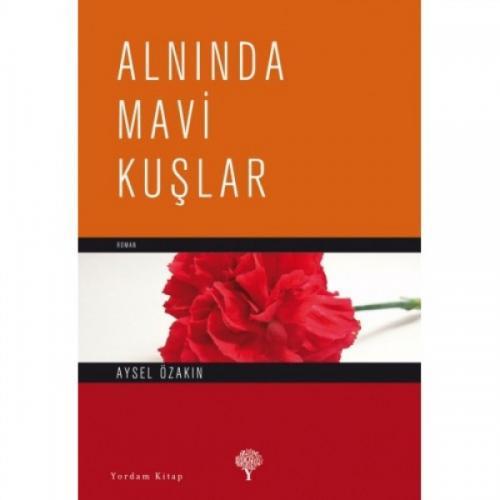
Blue Birds on the Forehead (Book)
Blue Birds on the Forehead is Aysel Özakın’s second novel, published in 1978. Awarded the Madaralı Novel Prize in 1979, the work is a powerful social novel that uses the historical backdrop of the “Bloody May 1” events in Istanbul on May 1 1977 to reflect the political atmosphere of the era through the eyes of young individuals. Content and Theme The novel centers on Armağan, a young woman who migrates from the countryside to Istanbul. Seeking to escape the repressive and traditional values of h
ENNida Üstün

The Daughter of El (Book)
El Kızı is one of the novels by Orhan Kemal, a socially committed realist writer of Turkish literature, who centers his narrative on the individual, class relations, and social values. Published in 1960, the novel offers powerful observations on provincial life, family structure, and the position of women within society. The language of the novel is plain, its narration direct, and its characters ordinary people from the common populace. Social pressures, gossip mechanisms, female identity, and
EN
Mesut Akbaba