


This article was automatically translated from the original Turkish version.
+1 More
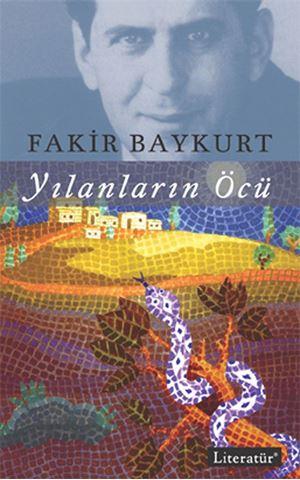
The Vengeance of the Snakes
Author(s) | Fakir Baykurt | ||||||||
|---|---|---|---|---|---|---|---|---|---|
Genre | Novel / Social Realism | ||||||||
Main Characters | Irazca Ana, Kara Bayram, Hatçe, Haceli, Muhtar | ||||||||
First Publication Year | 1959 | ||||||||
Publisher(s) | Literatür Yayıncılık | ||||||||
Number of Pages | 240 | ||||||||
ISBN | 978-975-040-489-4 | ||||||||
Published in 1959, Yılanların Öcü is a significant Turkish novel that centers on rural life in Anatolia and portrays the struggles and class conflicts of villagers through a socially realistic approach. One of Fakir Baykurt’s first major novels, the work particularly reflects the peasant’s quest for land justice and resistance.
The novel’s focal point is the character of Kara Bayram, the courageous young man and son of Ali Rıza Bey, who leads the villagers in their fight for land. Bayram’s defiance against the oppression of the villagers and his resistance to the unjust practices of the landowners and the state form the central dramatic conflict of the novel.
The novel explores the rigid social structure of village life, the tension between traditional values and modernization, and the theme of individual versus society. Class inequality poverty injustice and the solidarity among villagers remain prominent throughout the narrative.
Fakir Baykurt employs a simple and powerful language to convey the direct and unadorned life of Anatolia. The narrative is enriched with dialogues vivid descriptions and regional dialects that immerse the reader in the village environment. Guided by a socially realistic perspective Baykurt prioritizes collective struggle over individual emotions.
The novel’s pacing balances the static rhythm of village life with the rising momentum of resistance. Baykurt’s natural and fluid narration draws the reader into the events while simultaneously highlighting broader social issues.
The novel is situated at the heart of debates in 1950s Turkey regarding rural development and land reform. The peasant’s struggle for land rights and freedom is presented through the contradictions between the feudal system and state mechanisms. Baykurt focuses not on individual tragedies but on class conflict and processes of social transformation.
The novel also examines how traditional structures and feudal relationships in the village exploit the peasantry and how these systems confront change.
Yılanların Öcü is one of the most important examples of socially realistic novels in Turkish literature. The work draws attention through its realistic and critical portrayal of Anatolian village life and its firsthand depiction of the peasants’ struggles and resistance. Baykurt’s language drawn from Anatolian dialects and local ways of life enhances the novel’s authenticity and power.
The novel was also adapted for cinema generating widespread public resonance and contributing to social awareness.
Baykurt, Fakir. Yılanların Öcü. Literatür Yayıncılık. 2025.
Gürçay, Serdar. 2018. “Fakir Baykurt’un Yılanların Öcü Romanına Kültür İzleri ve Semboller Bağlamında Bir Bakış.” Aydın Türklük Bilgisi Dergisi 4, no. 6: 11–27. https://dergipark.org.tr/tr/download/article-file/582546.

The Vengeance of the Snakes
Author(s) | Fakir Baykurt | ||||||||
|---|---|---|---|---|---|---|---|---|---|
Genre | Novel / Social Realism | ||||||||
Main Characters | Irazca Ana, Kara Bayram, Hatçe, Haceli, Muhtar | ||||||||
First Publication Year | 1959 | ||||||||
Publisher(s) | Literatür Yayıncılık | ||||||||
Number of Pages | 240 | ||||||||
ISBN | 978-975-040-489-4 | ||||||||
No Discussion Added Yet
Start discussion for "The Vengeance of the Snakes" article
Content and Themes
Narrative Style
Characters
Intellectual and Social Context
Literary Significance
Thematic Layers