

`shiraz` Related Article Results
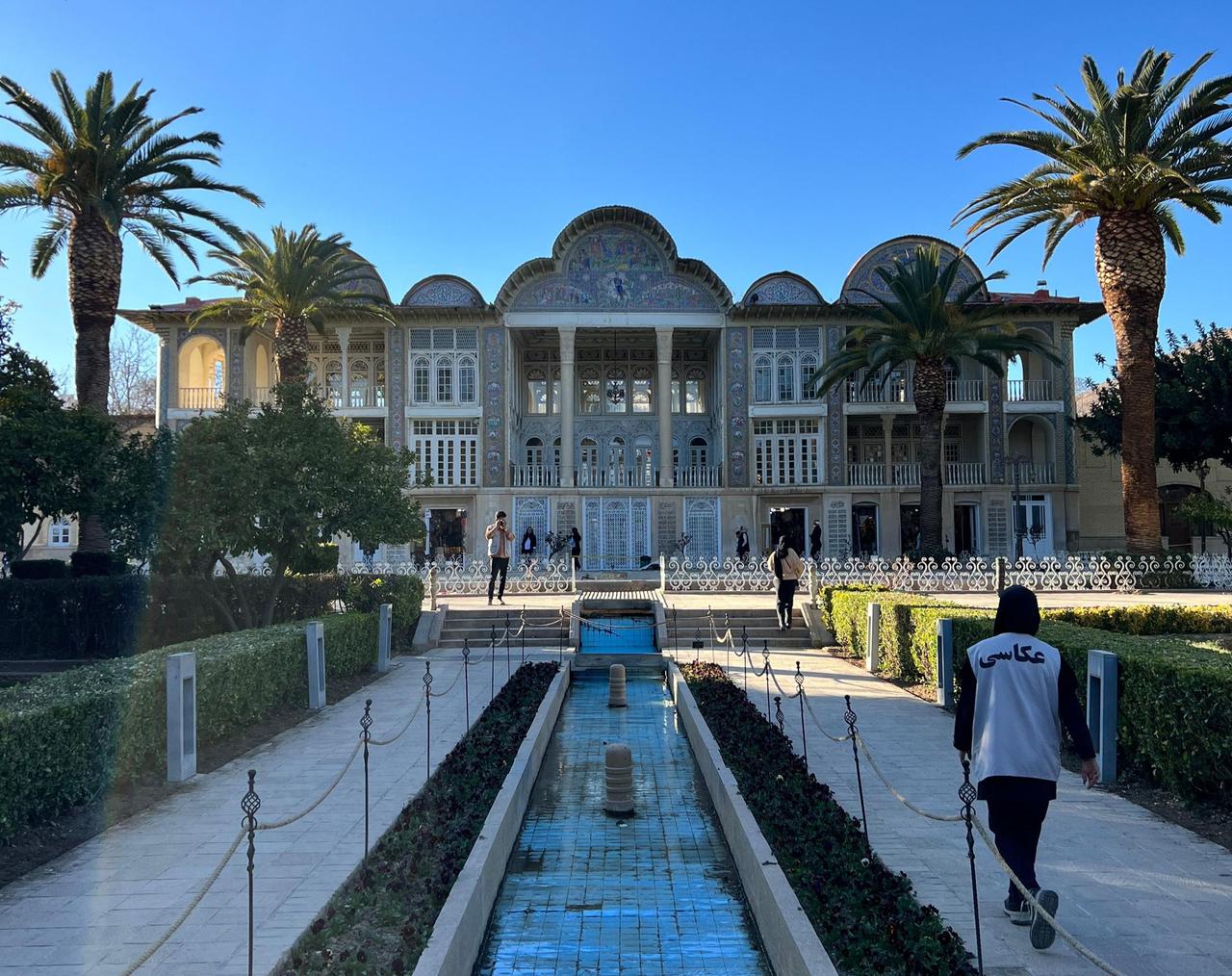
Bagh-e Eram
Bağ-ı Eram is a historic Islamic garden located in Shiraz, the capital of Persian province in southern Iran, and is regarded as one of the finest examples of Iranian Islamic art and Qajar architectural aesthetics. The Persian word “Eram” (Arabic: “Iram”) alludes to the paradise descriptions in the Quran, thus “Eram Garden” means “Garden of Paradise.” This garden, listed on the UNESCO World Heritage List, holds a unique position among Islamic gardens due to its aesthetic relationship with nature
EN
Duygu Şahinler
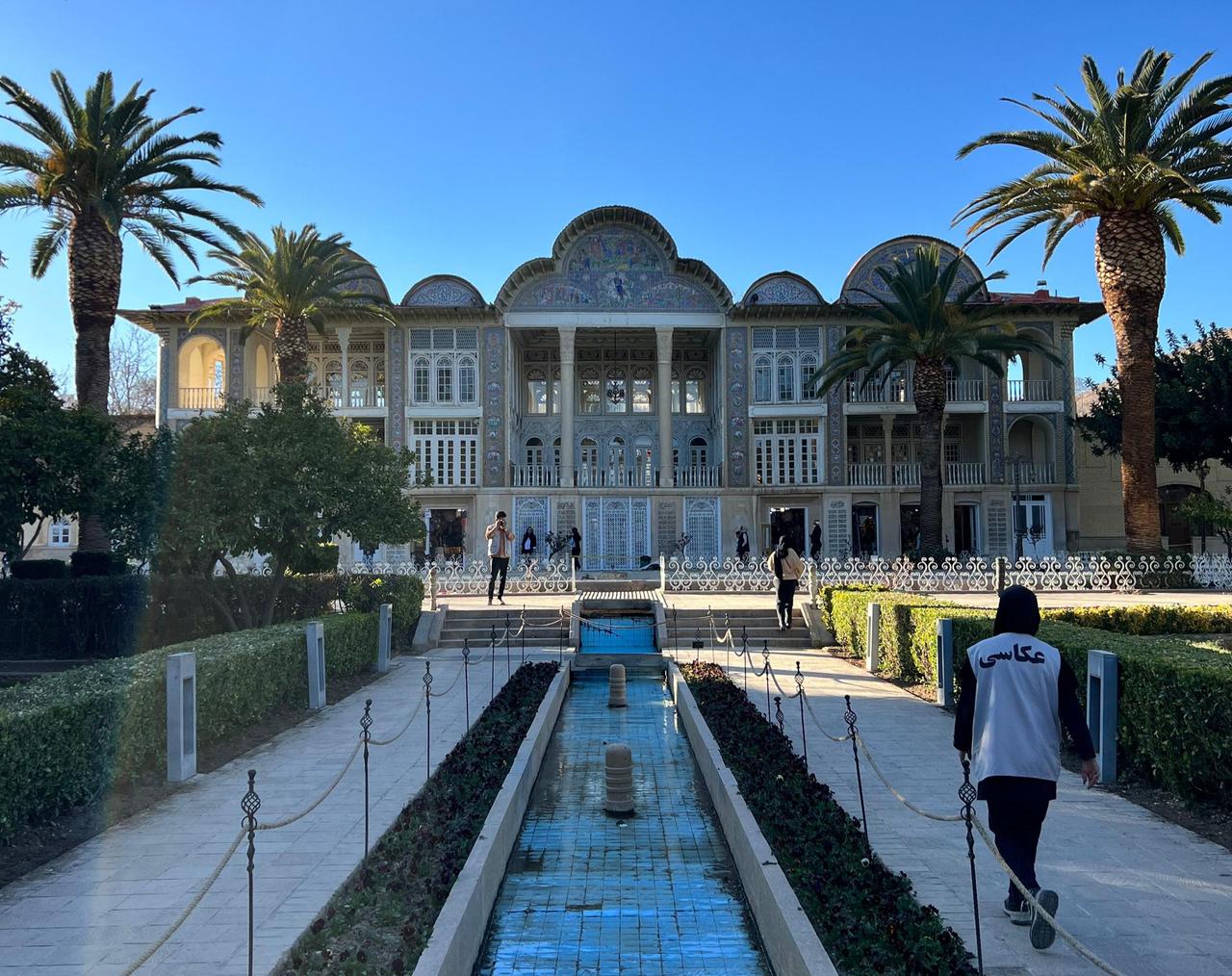
Bagh-e Eram
Bagh-e Eram is a historic Islamic garden located in Shiraz, the capital of Fars province in southern Iran. It is regarded as one of the finest examples of Iranian garden art and Qajar architectural aesthetics. The word “Eram” in Persian (derived from Arabic “Iram”) alludes to the Quranic descriptions of paradise, thus “Eram Garden” means “Garden of Paradise.” This garden, listed on the UNESCO World Heritage List, holds a unique position among Islamic gardens for its aesthetic relationship with n
EN
Duygu Şahinler
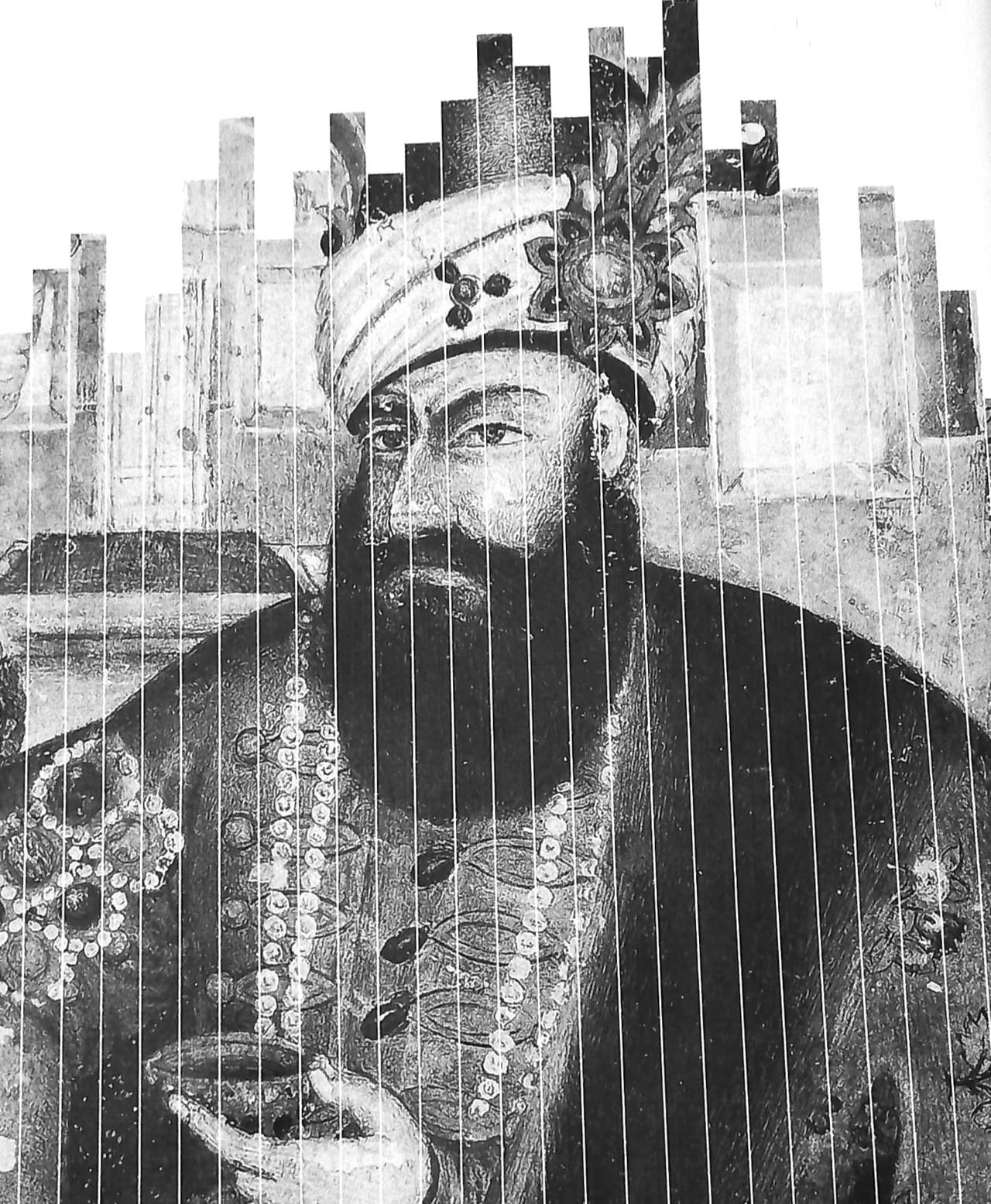
Kerim Khan Zend
He was the founder and most significant ruler of the short-lived Zand Dynasty that ruled Iran in the eighteenth century. His real name was Karim Khan, and he belonged to the Zend-i Begile branch of the Zend tribe. He rose to prominence during the period of political chaos that began with the collapse of the Safavids and the death of Nader Shah in 1747. Life and Political Activities Karim Khan was the son of Inaq Khan, a leader of the Lur-origin Zend tribe. In his youth, he served in Nader Shah’s
EN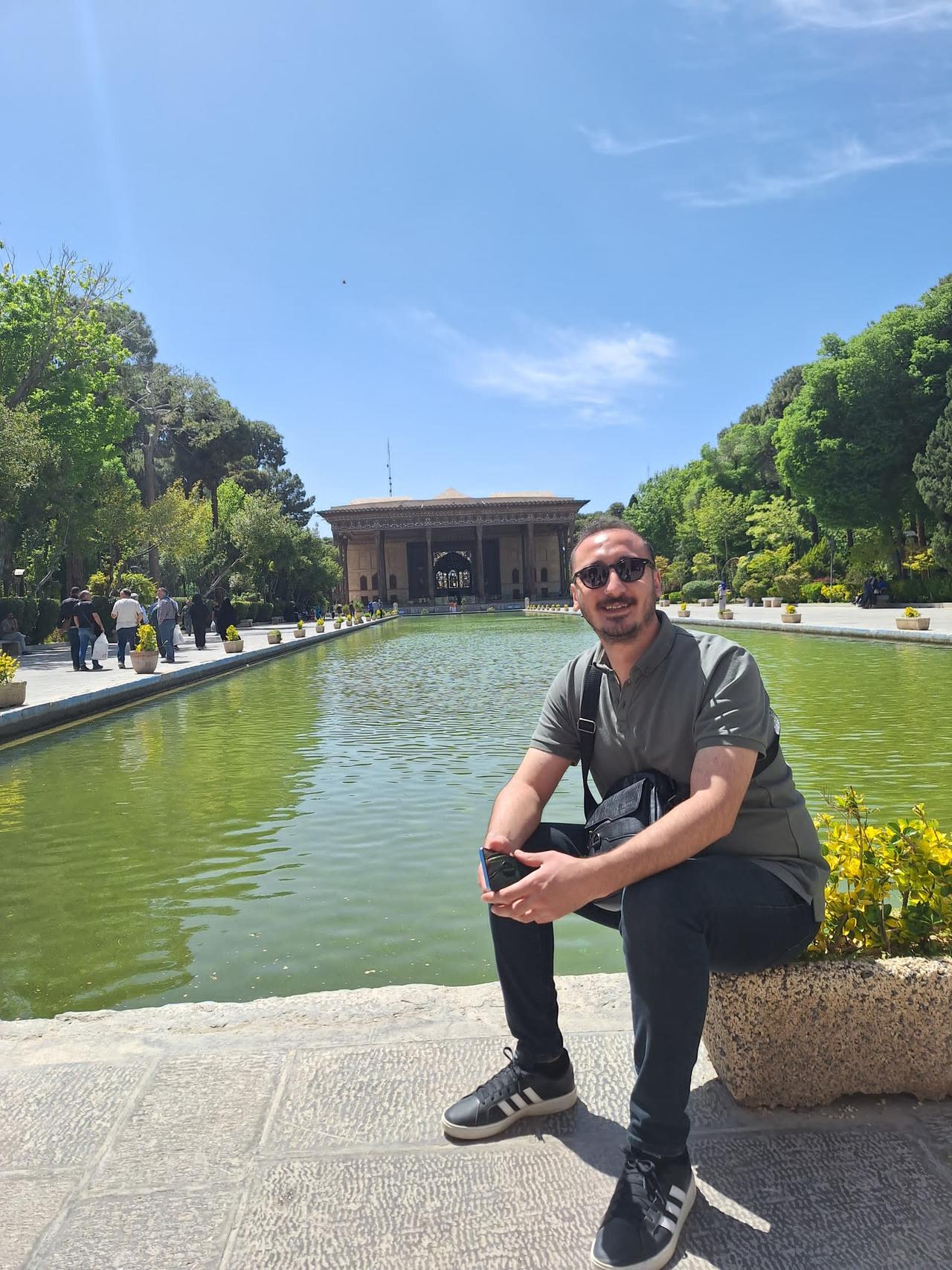
Ali Doğan Demir
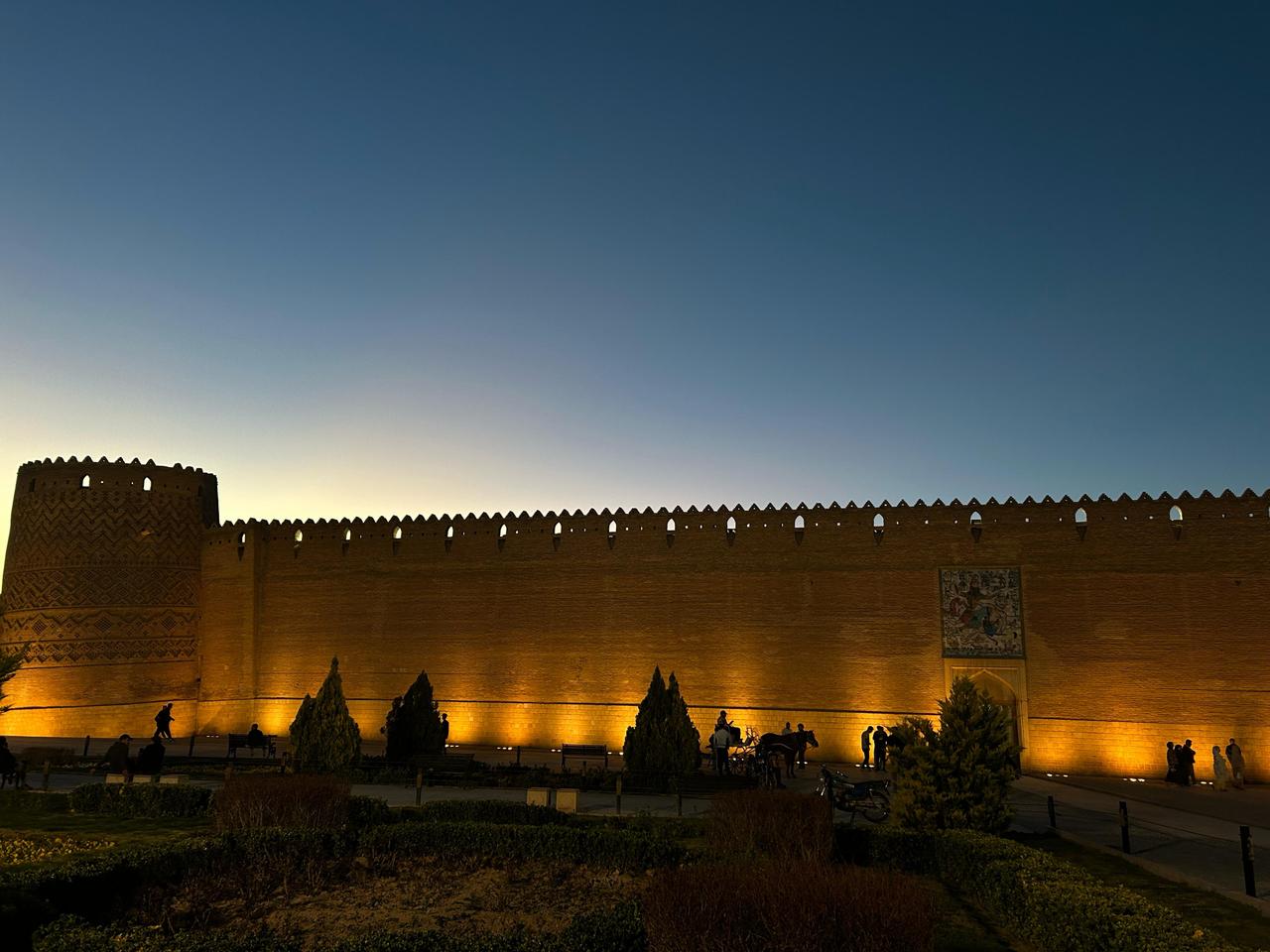
Kerim Han Castle
Kerim Han Kalesi is a historical structure located in the center of Shiraz, in Persian Province, Iran. It is also known locally as "Arg-e Kerim Inn". This monumental complex was built in the 18th century by Karim Khan Zand, founder and ruler of the Zand Dynasty (reigned 1751–1779). The fortress was designed as both a defensive stronghold and a royal residence. Exterior View of the Fortress (Photo: Duygu Şahinler) " image-alternate="" image-element-format="right"> The Fortress Garden (Photo: D
ENDuygu Şahinler
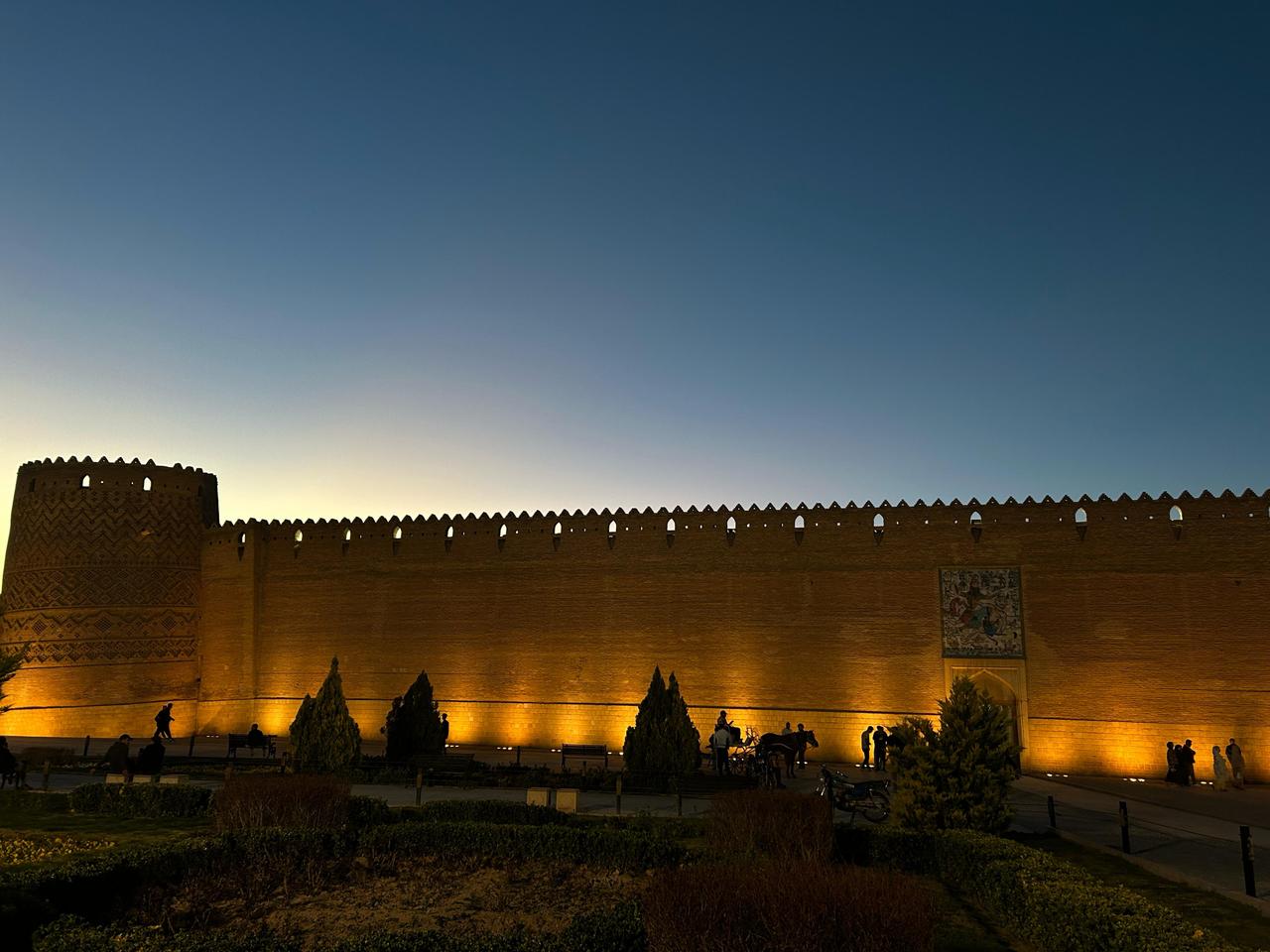
Kerim Han Castle
Kerim Han Castle is a historical structure located in the center of Shiraz, in the Fars Province of Iran. It is also known locally as "Arg-e Kerim Han". This monumental castle was built in the 18th century by Karim Khan Zand, founder and ruler of the Zand Dynasty (reigned 1751–1779). The castle was designed to serve both as a military structure and as the ruler’s residence. Exterior of the Castle (Photo: Duygu Şahinler) " image-alternate="" image-element-format="right"> Castle Garden (Photo:
ENDuygu Şahinler

Shiraz
Şiraze (Persian: شیرازه) is the term used in Ottoman bookbinding art for the braided strip woven at the head and tail ends of a book’s spine. The term is believed to have Persian origins and derives its name from the city of Şiraz. Indeed, the Kâmûs-ı Türkî includes the explanation: “Perhaps it was invented in the city of Şîrâz and thus named.”【1】 Lexical Meanings and Derivatives In Ottoman Turkish dictionaries, şiraze refers not only to the fine braided strips woven at both ends of a book’s bin
EN
Elif Serra AYDINLI