

`scientificmethod` Related Article Results
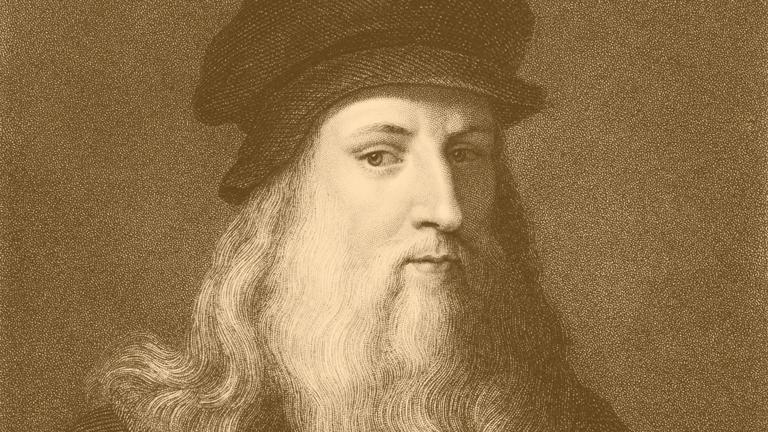
Leonardo da Vinci
Leonardo da Vinci is a multifaceted figure of the Italian Renaissance who made contributions in the fields of art, science, engineering, and natural studies. Known as a painter, sculptor, engineer, anatomist, architect, mathematician, musician, and inventor, Leonardo combined his curiosity about the workings of nature with an observation-based scientific method. Thanks to this interdisciplinary approach, he became a pivotal figure in both art and science and is regarded as one of the strongest r
EN
Ahsen Buyurkan

Hawthorne Effect
Hawthorne effect is a phenomenon in which individuals improve their performance when they are aware that they are being observed or monitored by researchers or supervisors. This situation implies that people tend to alter their behavior when they realize they are subjects in an experiment, due to the attention they receive from the experimenters. In simple terms, it is the tendency of people to change or improve their behavior because they know they are being watched.Simply Psychology. "Hawthorn
EN
Nida Üstün
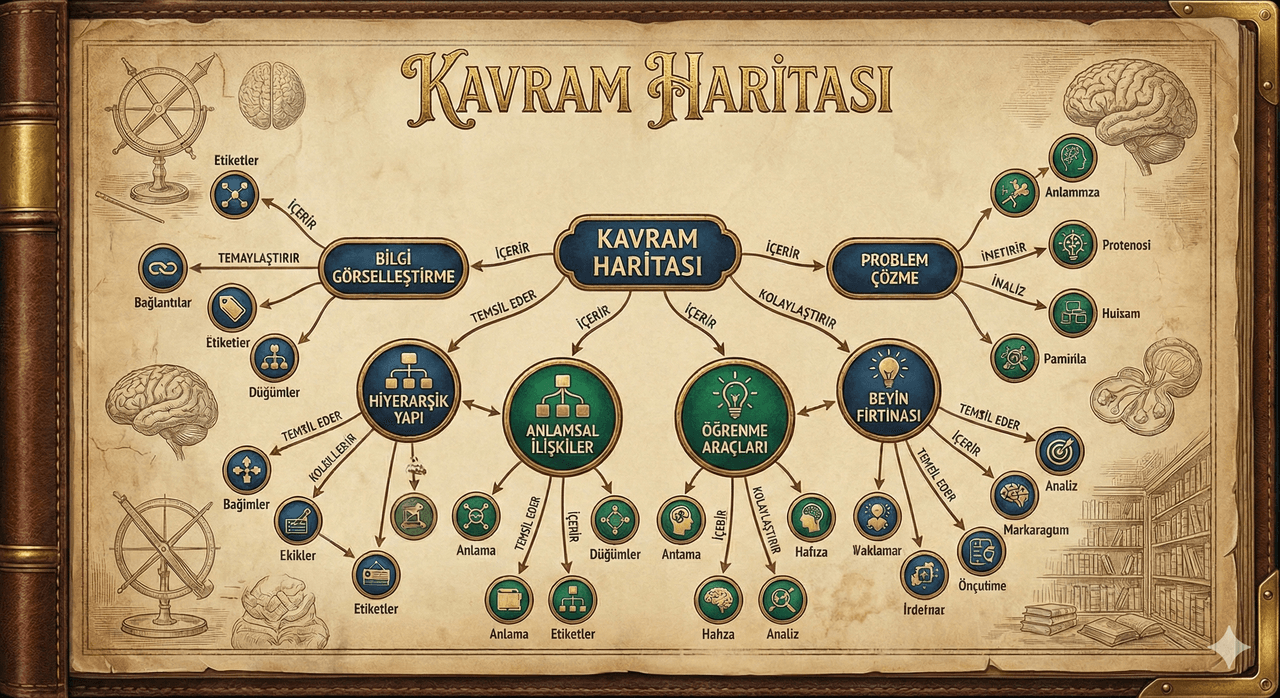
Concept Mapping Method
Concept mapping is a graphical teaching, learning, and assessment strategy that enables individuals to visualize concepts within their knowledge structures and the meaningful relationships between these concepts through two-dimensional diagrams. Developed initially in 1972 by Joseph D. Novak and his research team at Cornell University, this method emerged to track changes in students’ knowledge structures over extended educational processes. Concept maps, directly linked to constructivist learni
EN
Muhammed Samed Acar
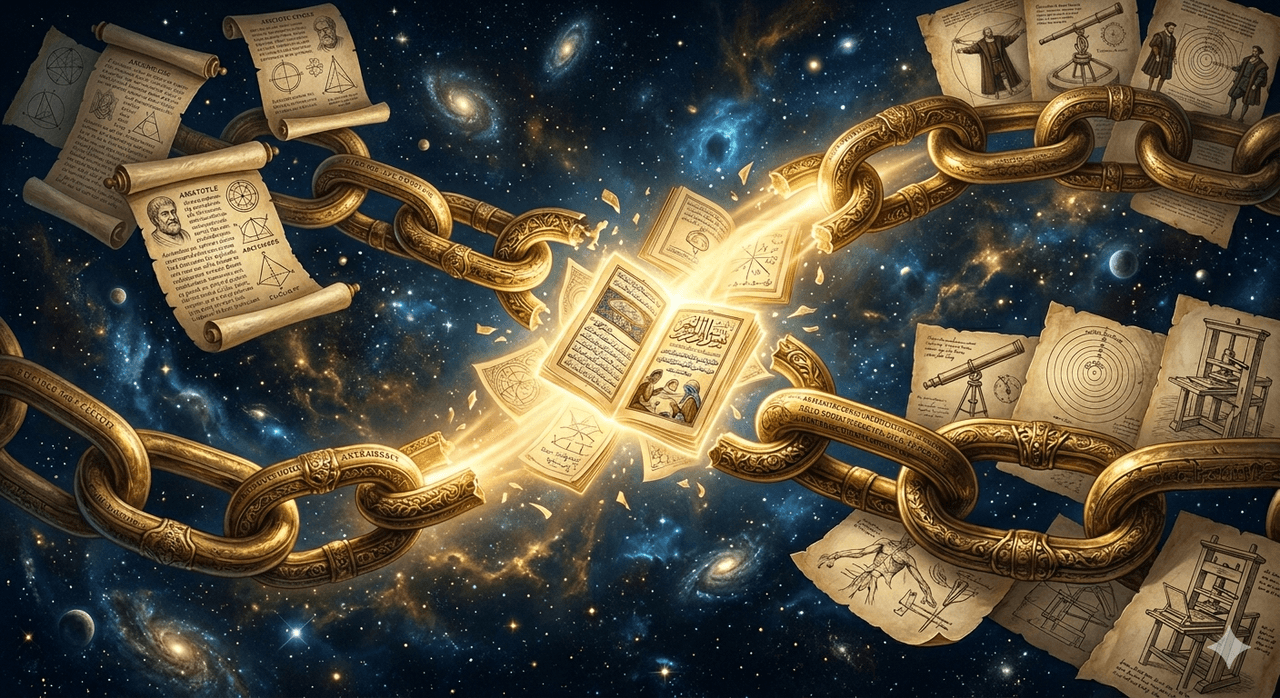
Seeking the Lost Link in the History of Science: George Sarton and Fuat Sezgin
In the historiography of science, Eurocentric narratives for a long historical period have evaluated scientific development as a linear and progressive trajectory extending from Ancient Greece to the European Renaissance. This approach confined the production of scientific knowledge to specific geographic and cultural centers, often positioning the Islamic scientific tradition as merely an intermediate stage responsible for transmitting ancient knowledge.George Saliba, How Did the Islamic Scient
EN
Emrullah Köker
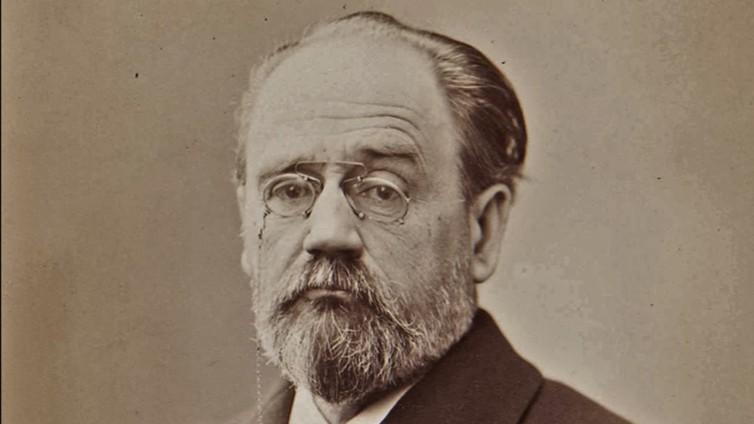
Émile Zola
Émile Zola (1840–1902) was a writer who produced significant works in the fields of the novel and journalism during 19th-century French literature. In his literary output, he examined the individual within the framework of heredity, environment, and social conditions, applying this approach systematically especially in the Rougon-Macquart series, which portrays France during the Second Empire. His journalistic activities included the landmark text “I Accuse…” (J’accuse…!), through which he direc
EN
Fatmanur Mavibaş