

`scientific-research` Related Article Results
 At
AtAtatürk Higher Institution of Culture, Language and History
Atatürk Culture, Language and History High Council (AYK) is a public legal entity established on 17 August 1983 by Law No. 2876, based on Article 134 of the Constitution of the Republic of Türkiye. The High Council was created to conduct scientific research on the Turkish language, history, culture and the works of Atatürk, to support activities in these fields and to promote Turkish culture. It encompasses the Atatürk Research Center (ATAM), the Turkish Language Association (TDK), the Turkish H
EN
Yunus Emre Sağlam
Dubnium Element
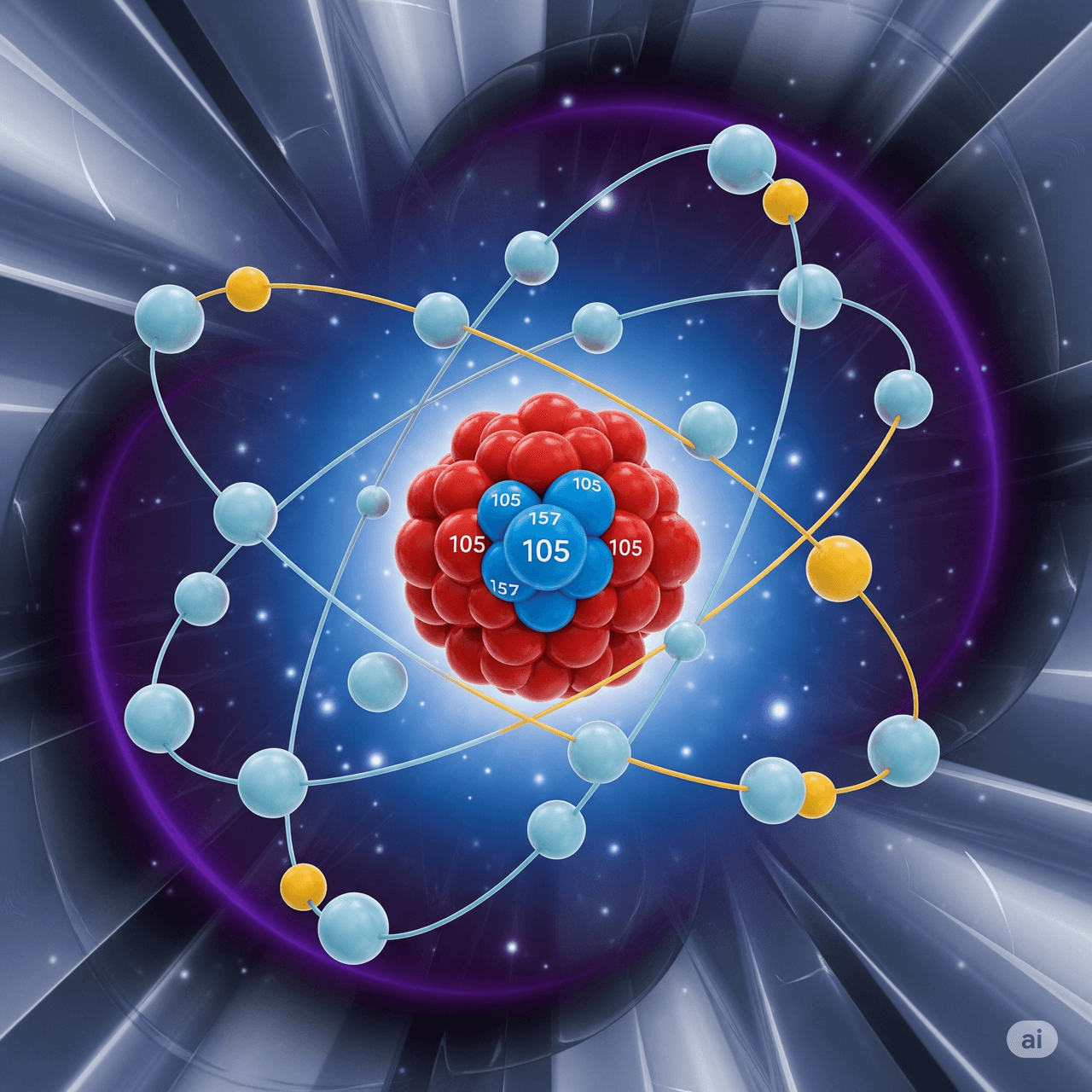
Dubnium is a synthetic element with the symbol Db and atomic number 105. It does not occur naturally and is produced only in laboratories. It is radioactive and has a very short half-life, so it is used exclusively in scientific research. History Dubnium was synthesized artificially in the 1960s by Soviet and American scientists. Its name derives from the Joint Institute for Nuclear Research in Dubna, Russia. The discovery of this element marked a significant step in the study of superheavy elem
EN
İbrahim Filiz
What is Protactinium?
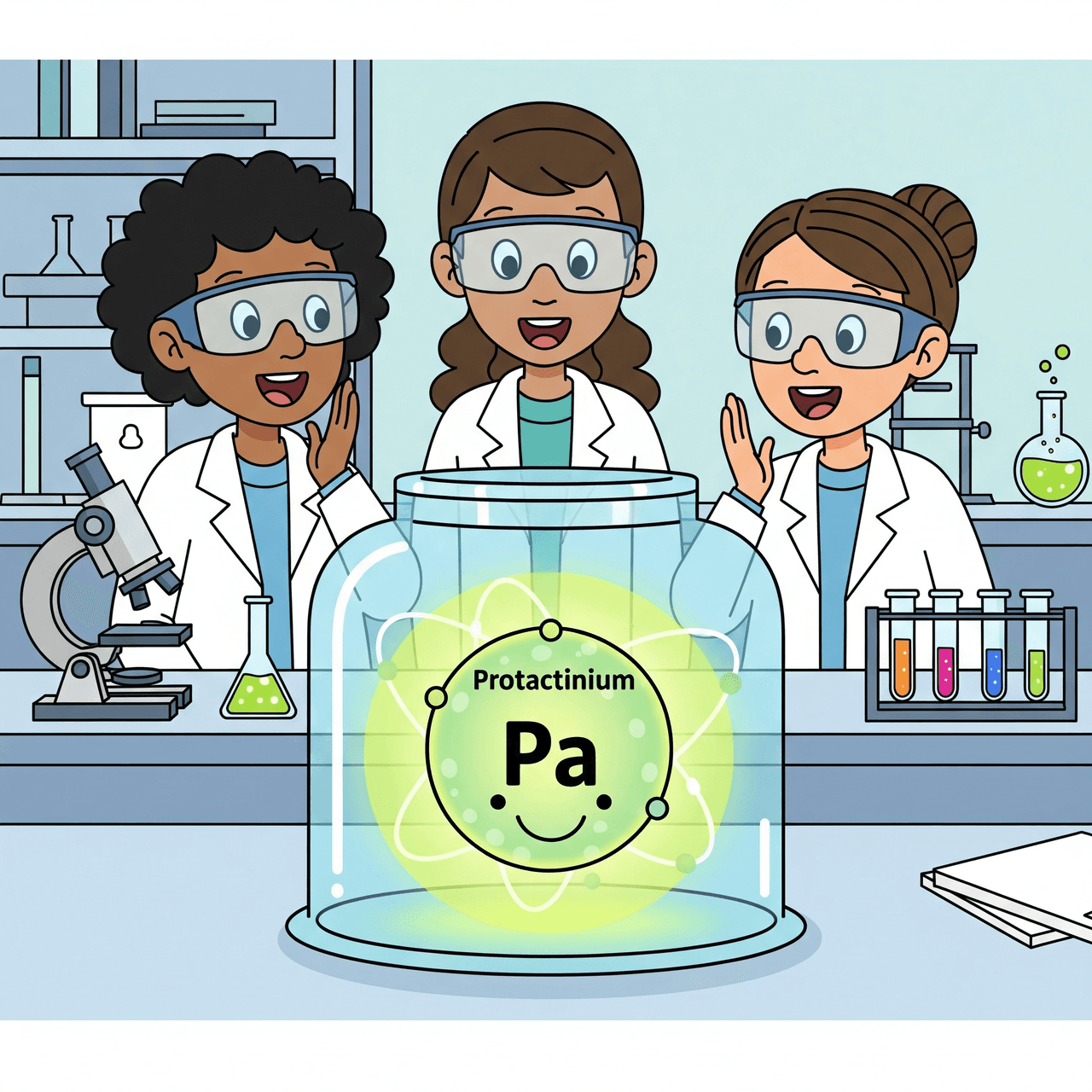
Protactinium is a rare and radioactive element in the periodic table. It occurs in very small amounts in nature, and scientists study it in laboratories for research purposes. Discovery and Name Protactinium was discovered in 1913. Its name derives from Greek words meaning "pre-actinium," as it exhibits properties very similar to the element actinium. Properties Protactinium is a metallic and radioactive element. It has a silvery appearance but is extremely rare in nature. Its chemical propertie
EN
Rüya Dumlu
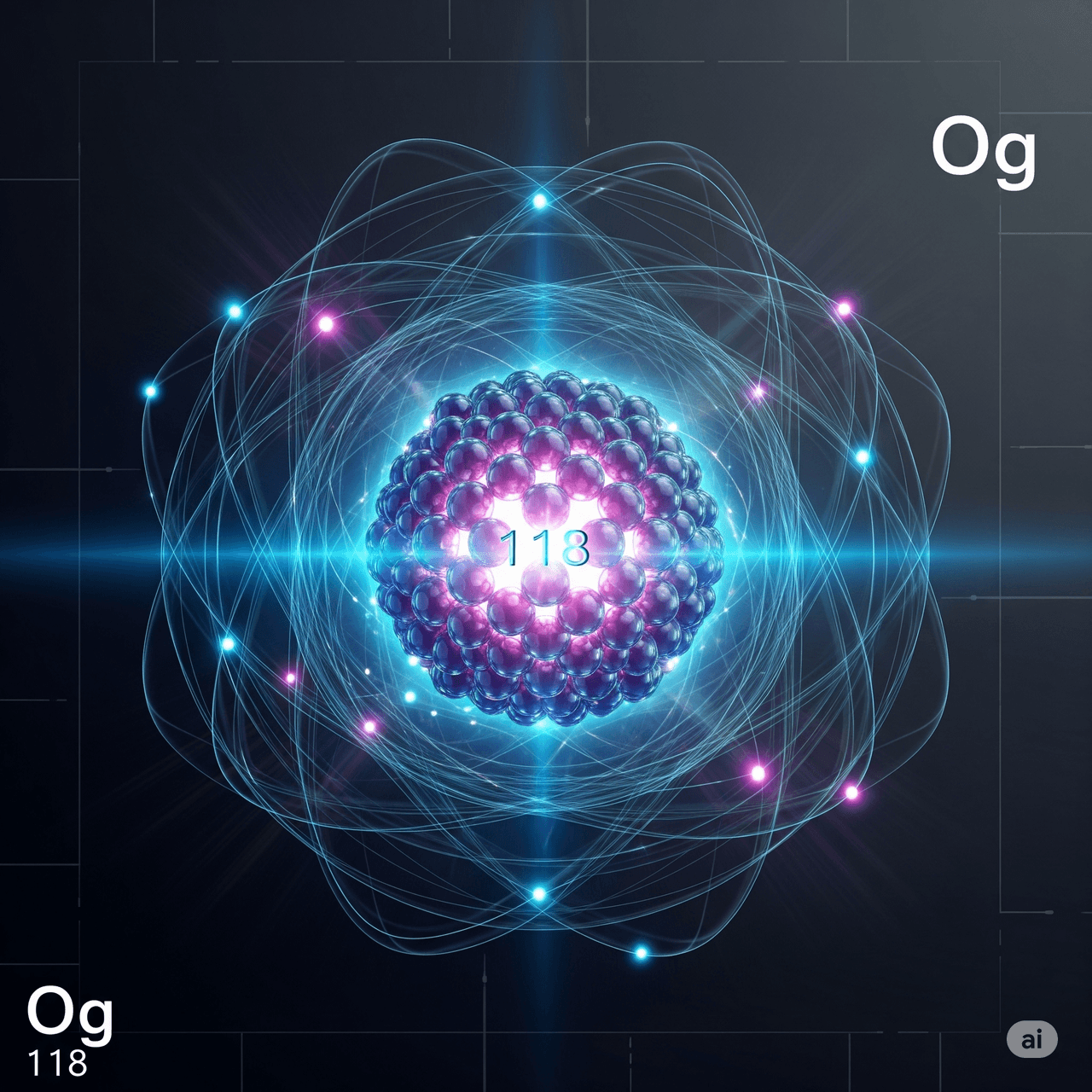
Oganesson Element
Oganesson is element number 118 in the periodic table and belongs to the group of superheavy elements. It is radioactive and does not occur naturally. It can only be synthesized in a laboratory environment. Scientists use specialized equipment to observe it. Classification and Basic Properties Oganesson is classified in the noble gases group and has the symbol “Og”. Its atoms have an extremely short lifespan, lasting only a few milliseconds. As a result, its chemical properties have not been dir
ENRüya Dumlu

Bayram Eren Arslan
Bayram Eren ArslanArslan (2002–2025) was a Turkish industrial engineer and search and rescue volunteer. A graduate of the Department of Industrial Engineering at the Faculty of Engineering of Kırıkkale University, Arslan【1】 served as a volunteer for fifteen years within the Search and Rescue Association (AKUT)【2】, actively participating in disaster management, humanitarian aid, and natural disaster response operations. He lost his life in July 2025 while engaged in firefighting efforts during a
EN
Gözde Cabadak
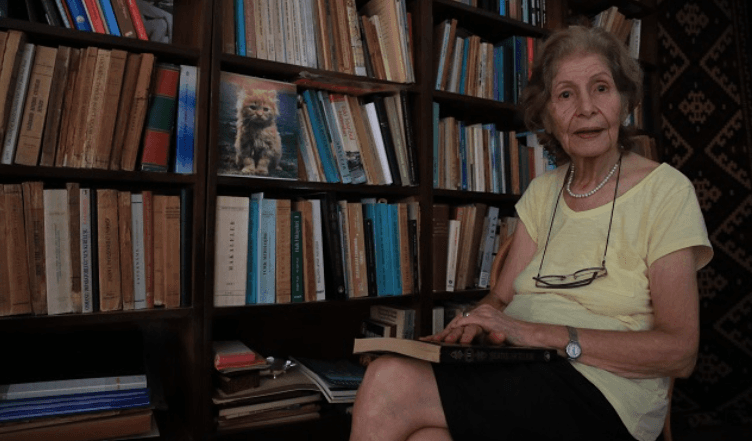
Günay KUT
Günay Kut is a scholar renowned for her academic contributions, educational identity, and intellectual perspective in the field of Turkology, having made significant contributions to the history of Türkiye’s culture and literature. Throughout her life, her passion for literature and cultural heritage, integrated into her scholarly work, has served as a source of inspiration for a broad audience of students. Childhood and Family Origins Günay Kut was born in Bayburt. Her father, a veterinarian fr
EN
Burak Enes
Antarctica
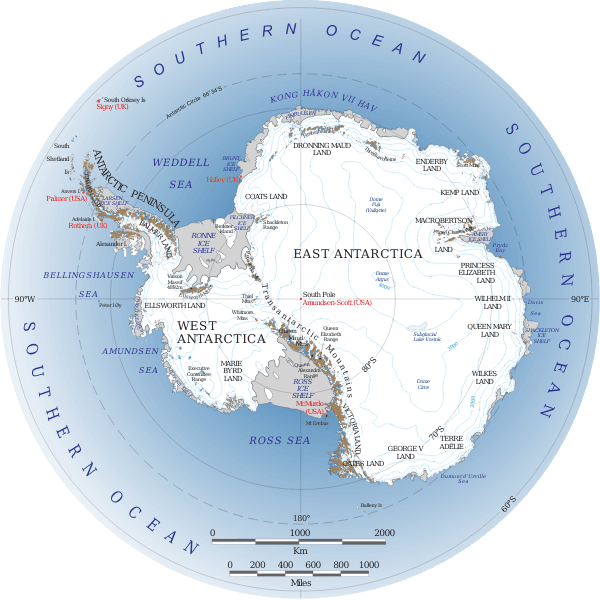
Antarctica, with an area of approximately 14 million square kilometers, is the fifth largest continent on Earth and is located at the southernmost point of the Southern Hemisphere.【1】 A large portion of the continent is covered by an ice sheet and holds the titles of the coldest, windiest, and driest geography on Earth. Antarctica also alone contains more than 70 percent of the world’s freshwater reserves.【2】 Antarctica remained untouched and inaccessible to humans until the 19th century. Since
EN
Abdulmuttalip Erdoğan
Bilecik Şeyh Edebali University (BŞEÜ)
Bilecik Şeyh Edebali University (BŞEÜ), is a public university established by Law No. 5662 published in the Official Gazette No. 26536 on 29 May 2007. The institution carries out higher education activities in Bilecik province, located in Türkiye’s Marmara Region, through its central and district campuses. History At the time of its establishment, the Faculty of Arts and Sciences, the Faculty of Engineering, the Institute of Social Sciences and the Institute of Natural Sciences were placed under
EN
Nida Üstün
9th National Antarctic Scientific Expedition (TAE-IX)
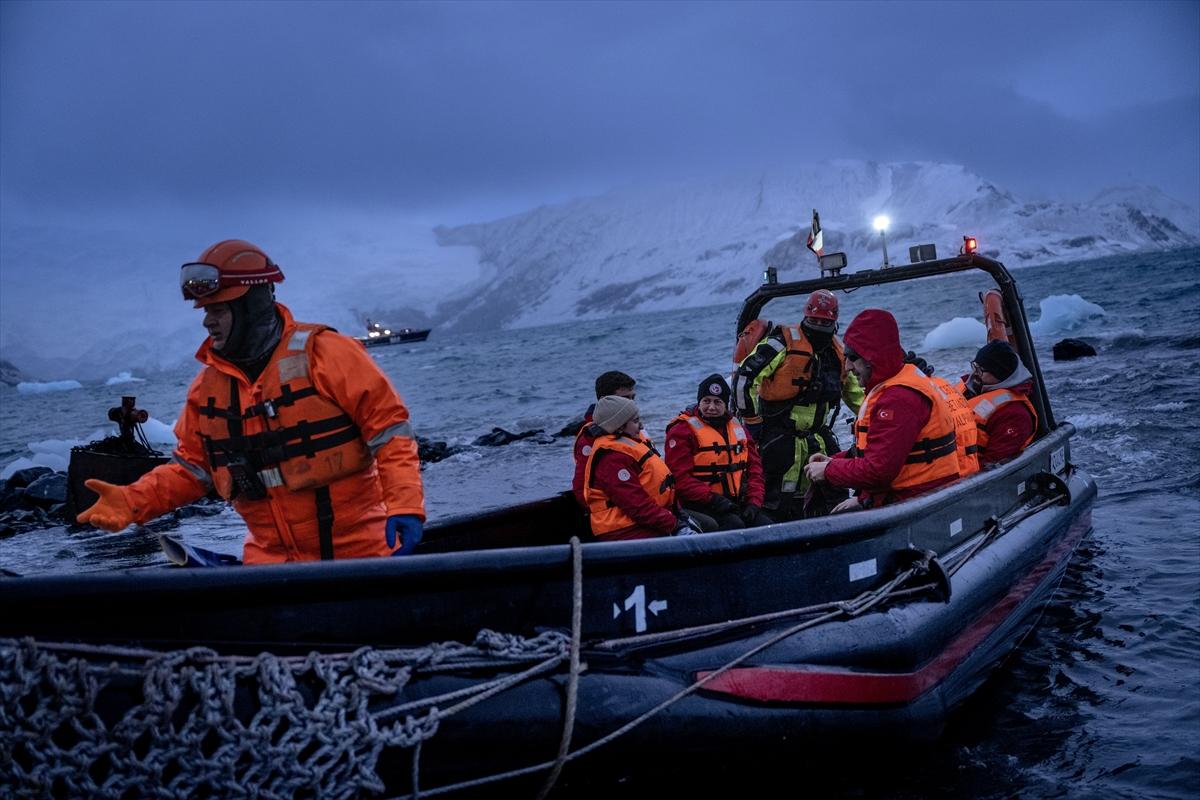
The 9th National Antarctic Scientific Expedition (TAE-IX) is a scientific research mission conducted under the auspices of the Presidency of Türkiye, overseen by the Ministry of Industry and Technology, and coordinated by the Polar Research Institute of TÜBİTAK Marmara Research Center (MAM). The expedition aims to continue Türkiye's scientific studies in Antarctica. It began on February 6, 2025, and is scheduled to conclude on March 12, 2025. Objective and Scope The primary goal of the expeditio
EN
Edanur Karakoç
AtAtatürk Higher Institution of Culture, Language and History
Atatürk Higher Institution of Culture, Language and History (AYK) is a public legal entity established on 17 August 1983 by Law No. 2876, based on Article 134 of the Constitution of the Republic of Türkiye. The Institution was created to conduct scientific research on the Turkish language, history, culture and the works of Atatürk, to support activities in these fields and to promote Turkish culture. It encompasses the Atatürk Research Center (ATAM), the Turkish Language Association (TDK), the T
EN
Yunus Emre Sağlam