

`regional-dishes` Related Article Results
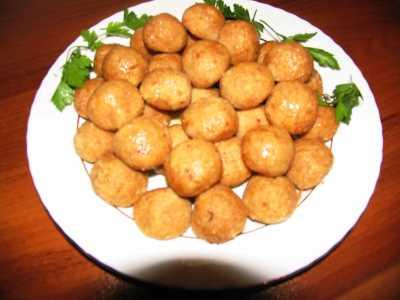
Muş Köftesi (Hafta Direği)
In the eastern region of Türkiye, place province Muş is known for its rich culinary culture. The Muş köftesi, a component of important, is regarded by both local people and gastronomy experts as an important traditional value. Muş Köftesi is a meat dish prepared using a method similar to stuffed meatballs and is also known in the region as “Week Direği”. The outer dough is made from fine bulgur and lean minced meat, while the filling consists of fatty minced meat dried onion, walnut kernels and
EN
Zehra Yayla
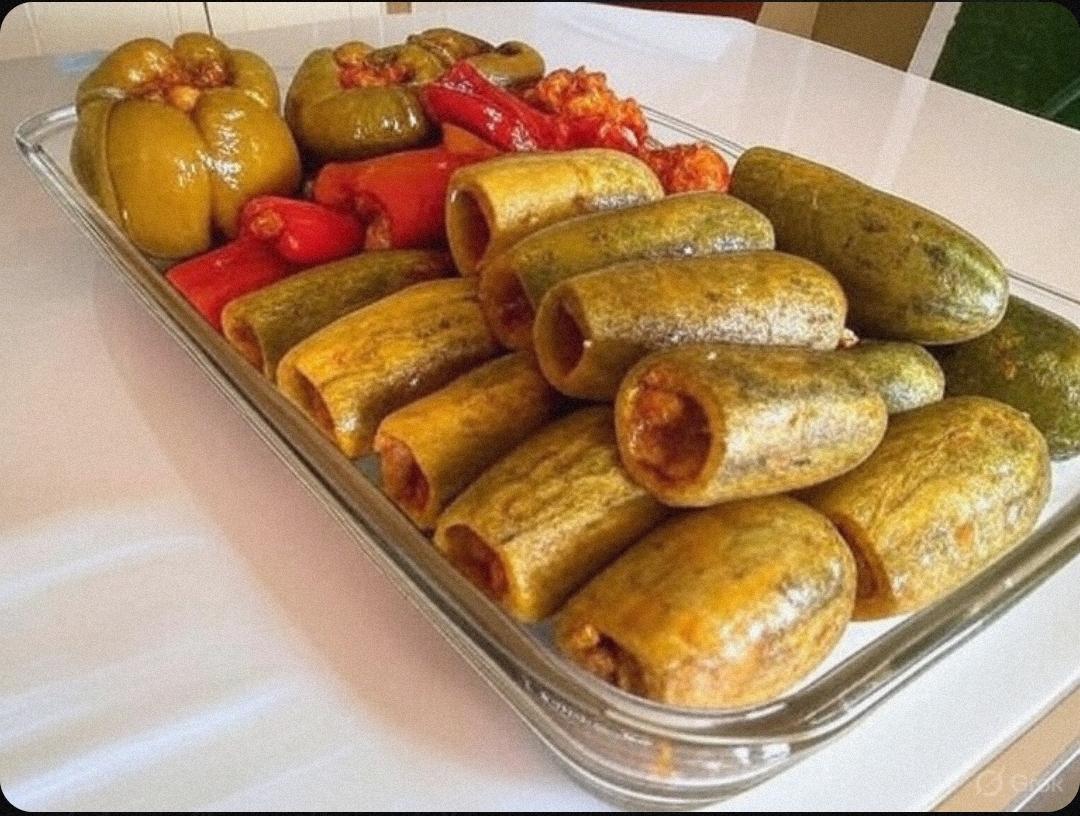
Acır Dolması
Acır dolması is a traditional stuffed vegetable dish from the Southeastern Anatolia Region, particularly associated with Şanlıurfa cuisine. It is prepared by hollowing out the interior of acır, a local vegetable, and filling it with a spiced meat mixture. The vegetable, pronounced “’acır” in the Şanlıurfa dialect with the Arabic-origin sound “ayn,” serves as the primary ingredient. Acır dolması can be prepared using either fresh or dried acır; during cooking, the stuffed vegetables are arranged
EN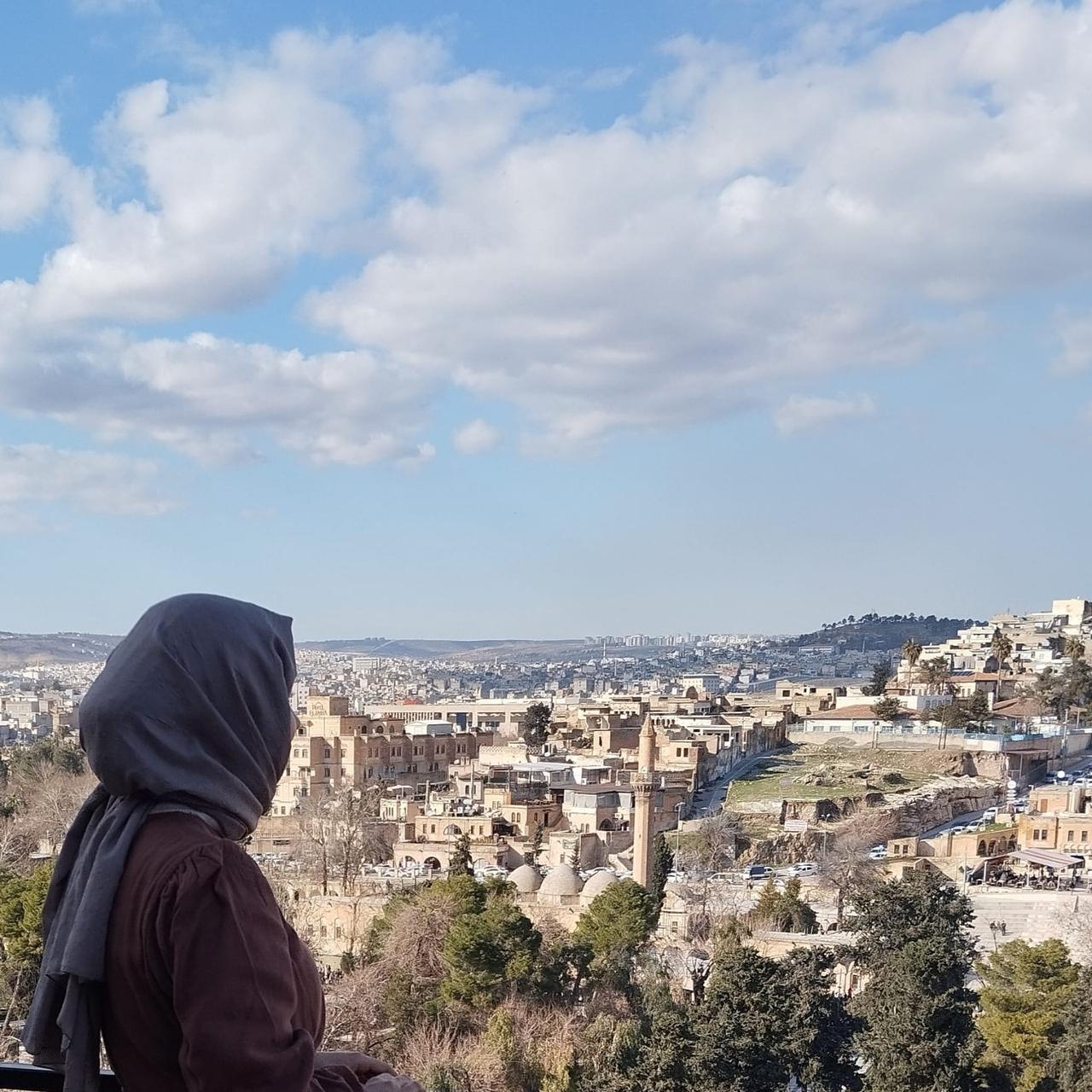
Sevgi Kıraç
 Ma
MaManisa Kebabı
Manisa kebab is a traditional kebab variety unique to Manisa Province in Türkiye. This dish, named after the city, is a well-known element of local cuisine and holds a significant position in both folk cooking and gastronomic tourism. Closely associated with the city, Manisa kebab stands out through its original preparation and presentation, reflecting the region’s culinary traditions. History of Manisa Kebab Manisa kebab was introduced to the city in the 1950s by Tatars who migrated from Aleppo
EN
Şule Bozkurt
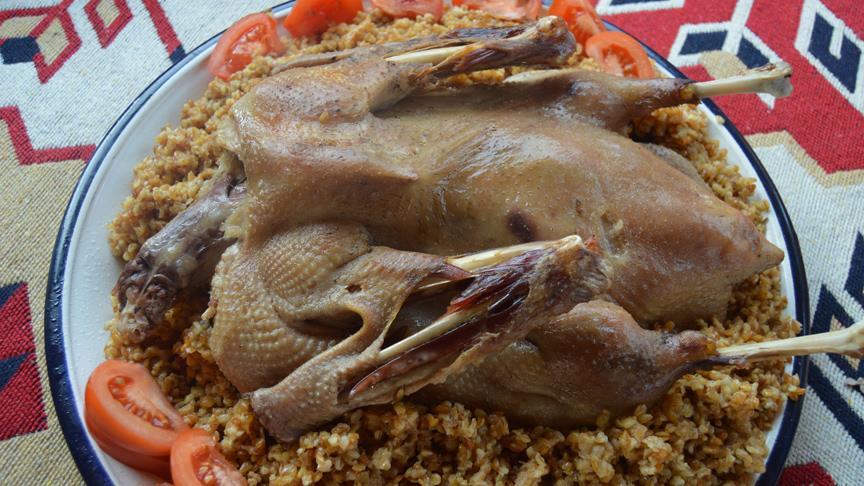
Siyez Wheat with Goose Stew
Siyez Wheat and Goose Stew is a regional dish whose origins trace back to the Phrygian civilization, which ruled Anatolia in the 8th century BCE. Investigations of pottery fragments and bird-shaped artifacts unearthed during archaeological excavations in the Phrygia region—encompassing Eskişehir, Afyonkarahisar, Kütahya, and Ankara—have revealed that the Phrygians extensively used siyez wheat and goose meat in their culinary traditions. The dish was reintroduced to public awareness in 2019 throu
EN
Enes Fırat Toksöz
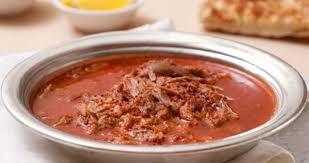
Antep Beyranı
Antep Beyranı is a traditional meat dish unique to the cuisine of Gaziantep, distinguished by its intense aroma and distinctive preparation method. It has been officially registered as a "Geographical Indication" by the Turkish Patent and Trademark Office. Product Definition and Distinctive Characteristics Antep Beyranı is a meat and rice dish prepared with lamb, rice, garlic, and spices. The first beyran shop in Gaziantep market opened in 1885. Its production is time-consuming and requires cons
EN
Ali Hakyol
NeNevşehir Cuisine
Nevşehir Cuisine represents the culinary culture of Nevşehir, located at the heart of the historical Cappadocia region in Central Anatolia. This cuisine is the product of thousands of years of historical accumulation, shaped by contributions from numerous civilizations including the Hittites, Phrygians, Assyrians, Persians, Romans, Seljuks, and Ottomans. The province’s continental climate and fertile soils have played a decisive role in determining the diversity of agricultural and livestock pro
EN
Mehtap Pamuk
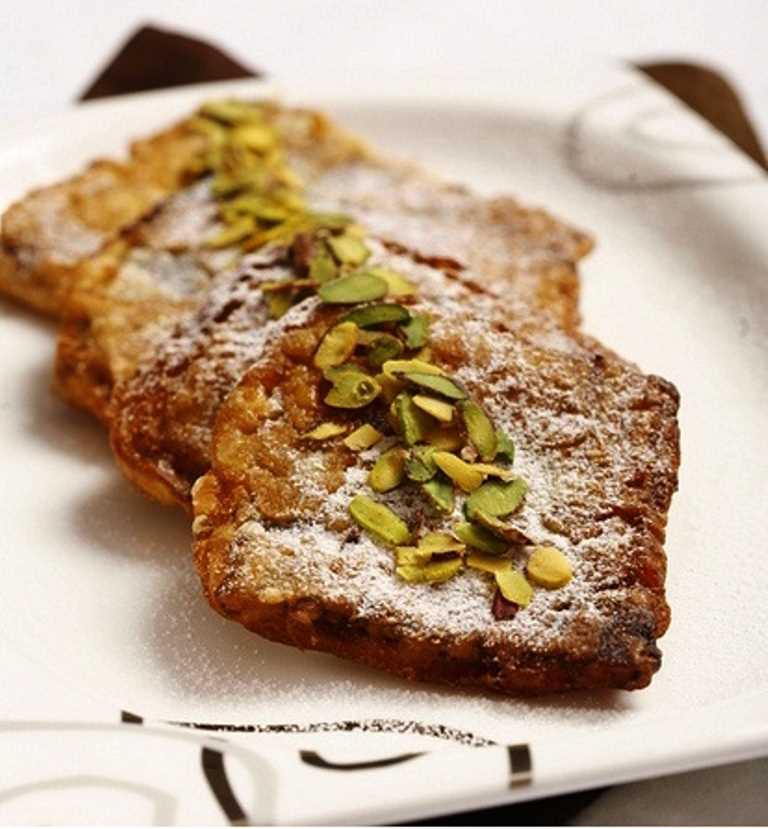
Züngül
Züngül is a traditional sweet specific to the Kilis region, although its exact origins are not definitively known. It emerged as a result of using grape must, obtained by boiling grape juice harvested primarily in autumn, and adapting it for consumption in various forms during winter months. This dessert is commonly served in Kilis cuisine during large winter gatherings, evening meetings, and afternoon tea. One of the distinguishing features of Züngül is its preparation by frying in olive oil, a
EN
Banu Nisa Kulak
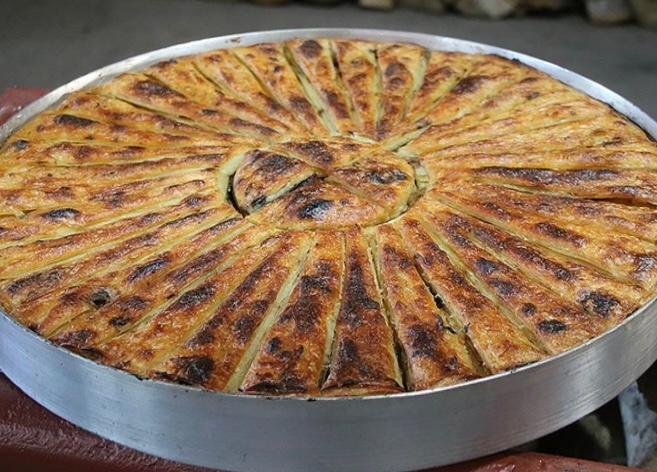
Fliya Böreği
Fliya böreği is a traditional dish preserved across a broad region extending from the Balkans into Anatolia, recognized as a characteristic and labor-intensive pastry of Albanian culinary culture. Also known as the "queen of pides," "layered pide," or "flija," it is made by layering a fluid dough of flour, water, and salt with a rich mixture prepared from dairy products, using a specialized cooking technique. Fliya is not merely a food item but carries ritualistic value, symbolizing social solid
EN
Emine Çelik