

`reality` Related Article Results
 Fa
FaFairy Tale Within a Fairy Tale (Book)
Ahmet Ümit’s novel Masal Masal İçinde is one of the landmark works of modern Turkish literature. The book stands out as a fantasy and mystery narrative adorned with fairy tale elements. The protagonist of the novel, while experiencing the quest and inner struggle typical of fairy tale heroes, also conducts a profound examination of crime, moral questioning and human nature in the modern world. Ahmet Ümit invites readers to question the boundary between real and dream, while interrogating the imp
EN
Beyza Nur Türkü
WhWhy This Effort?
People are walking People are running People are waiting But why? A rush is everywhere Hurried glances, anxious eyes A murmur is present in every face The desire to go, yet stuck as if nailed in place Every day, every day, rising from bed and leaving as if enduring an endless torment And there is a return, like an ambulance trying to make its siren heard above the honking A sense of urgency is everywhere Like people scrambling to avoid the rain pouring down as if from a tipped glass If you ask w
ENİrem Kırmıt

Escape from Simulation: The Truman Show and the Longing for Truth
“Within the human being, there is a call of love’s truth that no simulation can fully silence.” The Truman Show is a powerful metaphysical allegory that illustrates not only how modern humanity is enclosed by media alone but also how the ontological status of the human being is transformed in a world where representation has replaced reality. The film is often read in the context of television culture, the surveillance society, or media manipulation; yet these readings frequently miss the deeper
EN
Ali Ömer Yurddaş
NoNotes on Hüseyin Nihal Atsız’s “Night of the Sycophants”
For years, I have never stopped asking myself this question: Why does truth hurt so much? Or, more accurately: Why is speaking the truth considered madness? Hüseyin Nihal Atsız’s 1941 work Dalkavuklar Gecesi is a masterpiece that does not merely pose these questions but shouts their answer. This work is not merely a literary novel; it is an account settled by a child of the nation. Dalkavuklar Gecesi appears to unfold in a kingdom called Hattuşaş, yet every line carries an imprint of us, every c
EN
Kürşat Ziyadoğlu
ThThe Social Construction of Reality Theory
The Social Construction of Reality is a sociological theory that posits society as both an objective phenomenon and a continuous creation shaped by individuals through the subjective meanings they assign to their actions. This approach was systematized in the 1966 work The Social Construction of Reality: A Treatise in the Sociology of Knowledge by Peter L. Berger and Thomas Luckmann, which frames the relationship between the individual and society as a dialectical process. The theory’s central t
ENYunus Emre Yüce
What Happened After That Day?
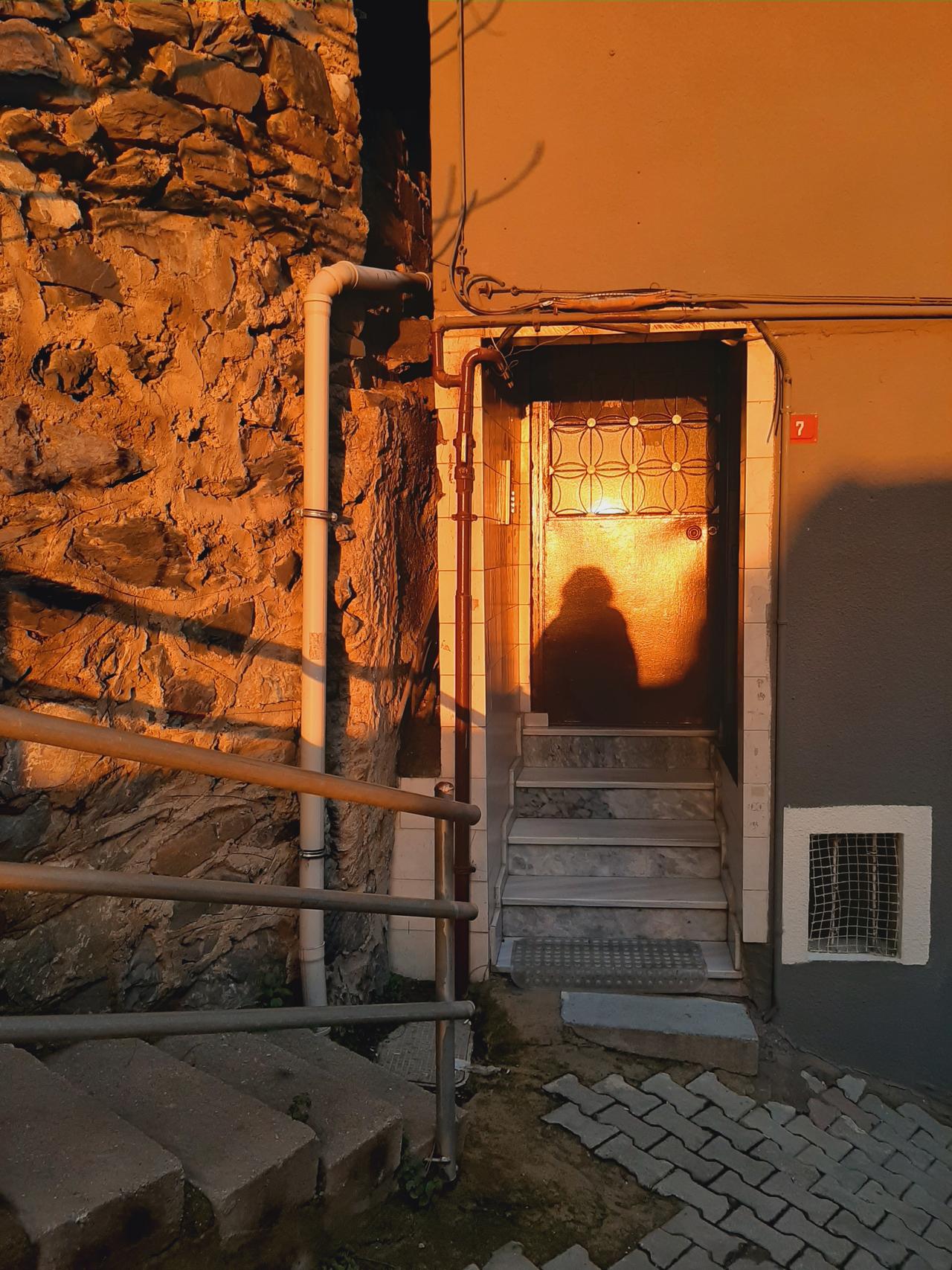
In all beliefs, all understandings, and all forms, every person seeks a purpose related to their arrival in life—significant in the eyes of society yet trivial in their own eyes. Moreover, this purpose may be found through active pursuit, or it may be attained without taking a single step. Some are devoted to causes deemed valuable by society, while others feel such causes hold little importance within their inner world. Yet the purpose we speak of is sometimes not found through searching; at ot
EN
Ayşe Aslıhan Yoran
The Elephant in the Room
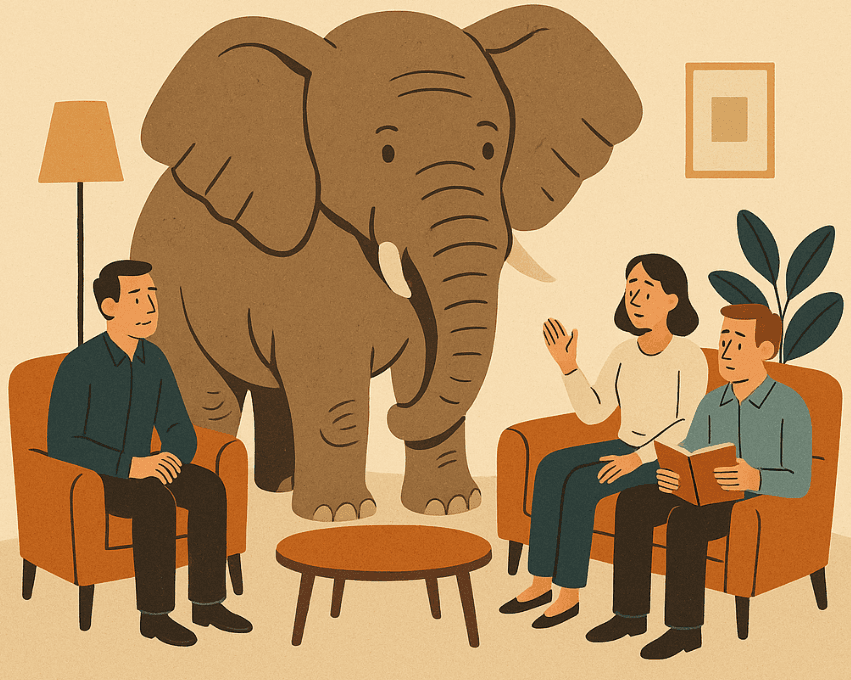
"The elephant in the room," or "Odadaki fil" in Turkish, is an English idiom. What does this elephant actually signify? It is obvious that all of us have secrets and boundaries in our lives. There are topics that people avoid discussing or deliberately ignore within their inner worlds. If we imagine our inner world as a room, the issues we avoid talking about remain like an elephant standing in the center of that room. The problem is right there, large and unmistakable before us, yet we often ch
EN
Sümeyra Uzun

Anachronism
Anachronism means something being in the wrong time. For example, imagine a movie where a character from ancient Rome is holding a smartphone! Since smartphones didn’t exist back then, this would be an anachronism. In other words, it’s showing or talking about something in the wrong time. Anachronism reminds us to be careful when telling a story or studying history. It’s better to talk about past events based on the rules and realities of that time. If we mix up the past with today, people might
EN
Mehmet Salih Çoban