

`pump` Related Article Results
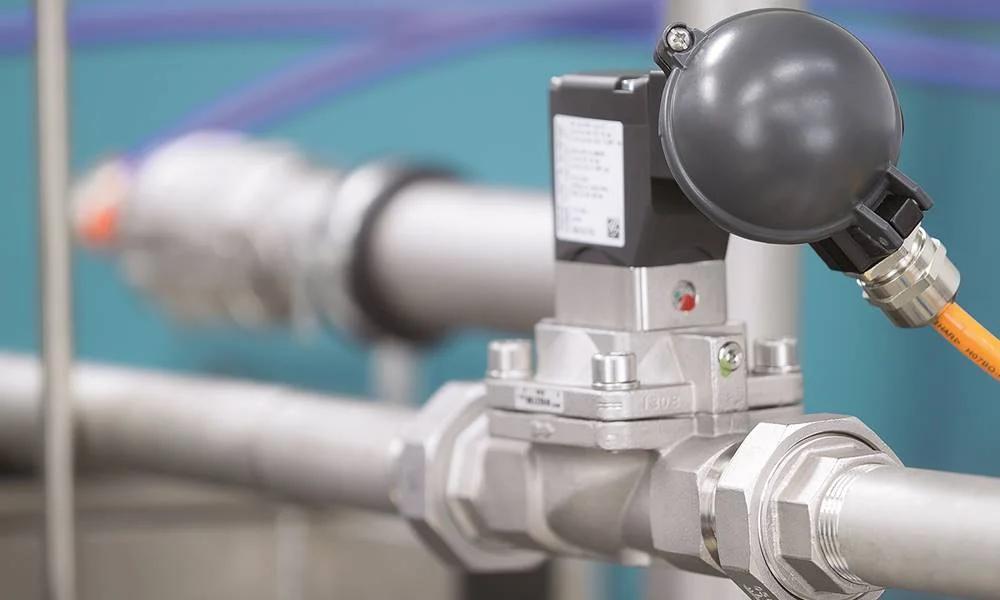
Valve
A valve is a control device used in a fluid system to initiate, stop, direct, or regulate the flow of gases, liquids, or vapors. Valves, as one of the fundamental components of energy systems, piping networks, and industrial automation, are designed in many forms to suit different conditions and application requirements. Basic Structural Features A typical valve consists of the following components: Body: The main structure of the valve through which the fluid flows. It is commonly manufactured
EN
Samet Şahin
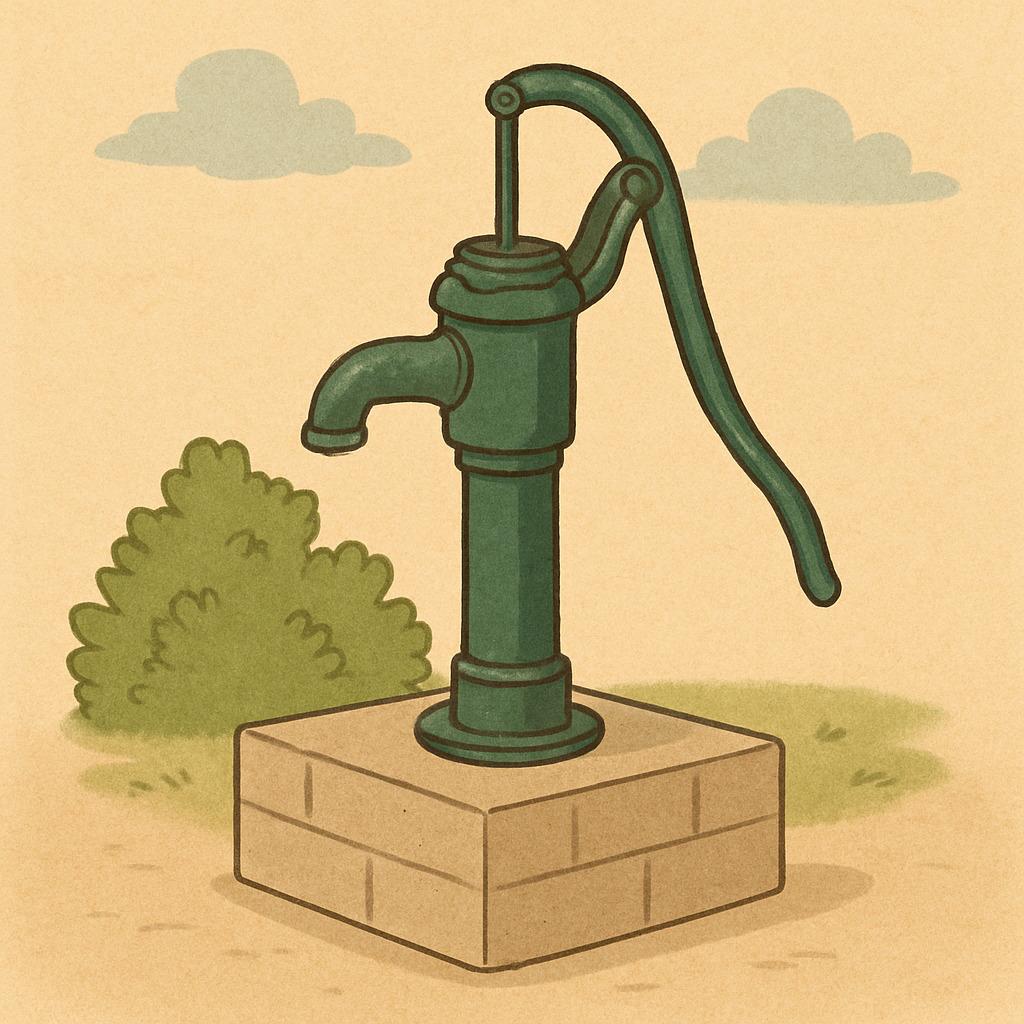
What Is the Tulumba Fountain?
Today, when we turn on a tap, water flows easily—but in the past, access to water was by no means this simple. People relied on public fountains in the streets to carry water to their homes. One such fountain was the tulumba çeşmesi. The tulumba çeşmesi is a special type of fountain that draws water from underground and delivers it to people. Water was lifted upward using a lever. By moving the lever up and down, water was made to flow. How Does It Work? Inside the tulumba çeşmesi is a mechanism
EN
Alperen Şener
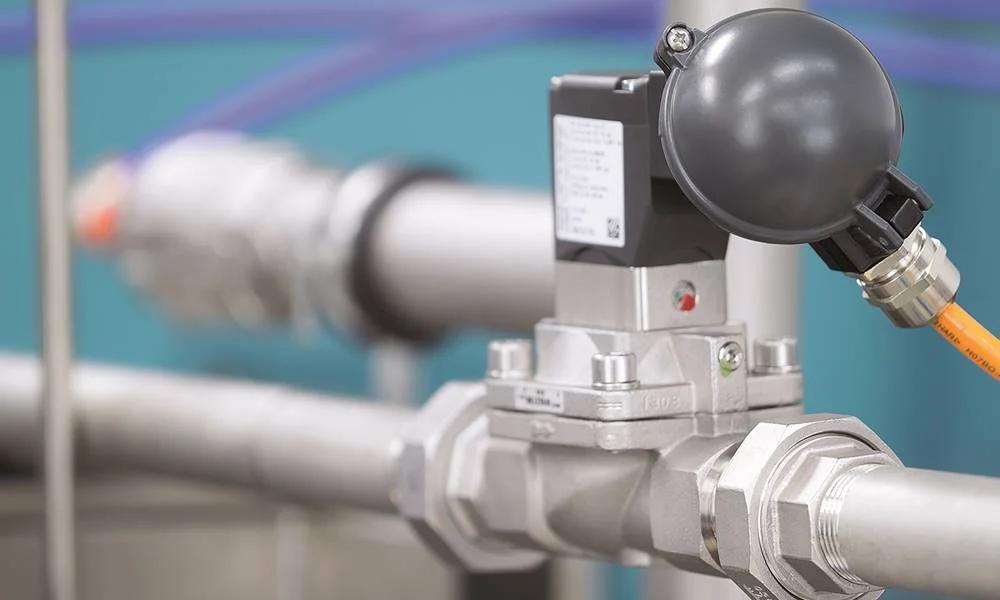
Valve
A valve is a control device used in fluid systems to initiate, stop, direct, or regulate the flow of gases, liquids, or vapors. Valves, as one of the fundamental components of energy systems, piping networks, and industrial automation, are designed in many forms to suit different conditions and application requirements. Basic Structural Features A typical valve consists of the following components: Body: The main structure of the valve through which the fluid passes. It is commonly manufactured
EN
Samet Şahin
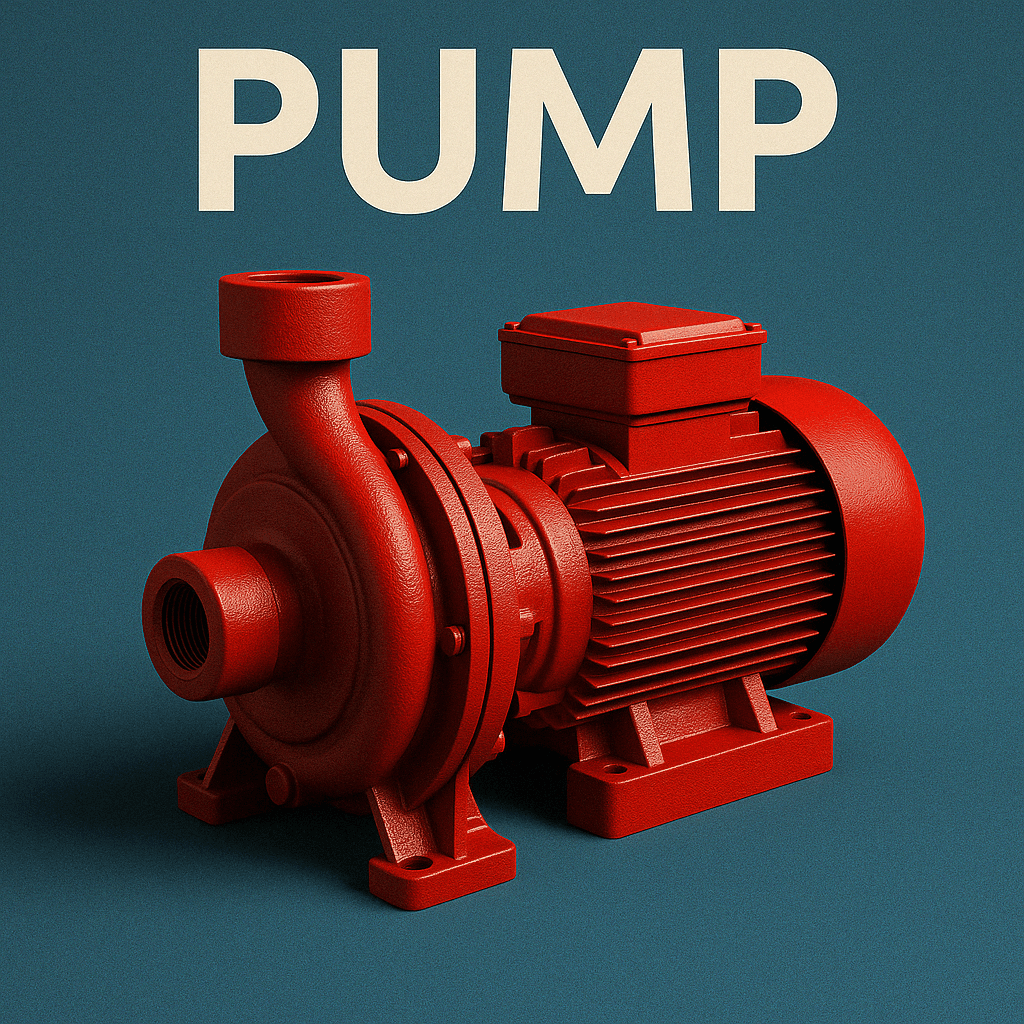
Pump
A pump is an energy-converting machine used to transfer fluids (liquids or gases) from one point to another. Pumps typically operate by converting mechanical energy into hydraulic energy, creating a pressure difference that drives the fluid in the desired direction. Today, pump systems are widely used in domestic water supply, industrial production lines, petrochemical plants, aerospace, and healthcare sectors. Historical Development The history of pumps dates back to ancient times. One of the e
ENÖzkan Çelik