

`publichealth` Related Article Results
 Mo
MoMonkeypox Virus
Monkey virus (Monkeypox virus, MPXV) is a zoonotic virus belonging to the Orthopoxvirus genus of the Poxviridae family. It was first identified in laboratory monkeys in 1958, and the first human case was reported in 1970 in the Democratic Republic of the Congo. Monkeypox disease, which presents symptoms similar to smallpox road but follows a milder course, is endemic in certain regions of Africa. However, due to its global spread in 2022, it has become a public health concern worldwide world. Tr
EN
Kübra Elçi

World No Tobacco Day
World No Tobacco Day is an international observance held annually on May 31, organized by the World Health Organization (WHO) to highlight the harms of tobacco products on human health, the environment and society. The day aims to create awareness to prevent tobacco use and encourage cessation. History World No Tobacco Day was first established in 1988. Its primary purpose is to bring attention to the negative health effects of tobacco products and promote public awareness regarding tobacco use.
EN
Nursena Güller
World Leprosy Day
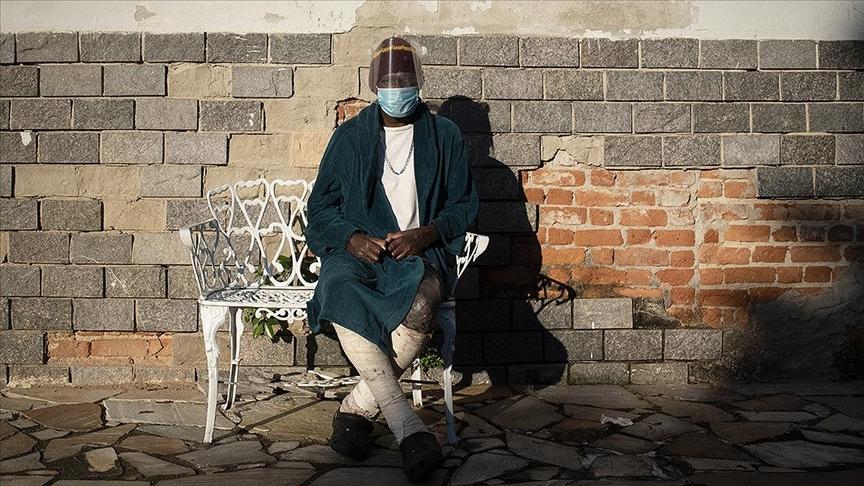
World Leprosy Day is an international observance held annually on the last Sunday of January to raise public awareness about leprosy. The establishment of this day aims to combat social ignorance regarding the disease, increase efforts to prevent its spread, and prevent deformities and disabilities that may arise in untreated individuals. World Leprosy Day holds global significance due to the continued presence of the disease in many countries and its long-standing association with social stigma
ENNursena Güller
Infectious Diseases
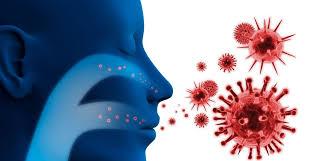
Infectious diseases are illnesses caused by the direct or indirect transmission of an infectious agent—such as bacteria, viruses, parasites, or fungi—from one host to another. These diseases are among the oldest threats to human health and have historically exerted profound effects on social, economic, and political structures. The spread of infectious diseases can occur through person-to-person contact, respiratory droplets, contaminated food and water sources, vectors such as mosquitoes, or in
EN
Muhammed Samed Acar
Measles
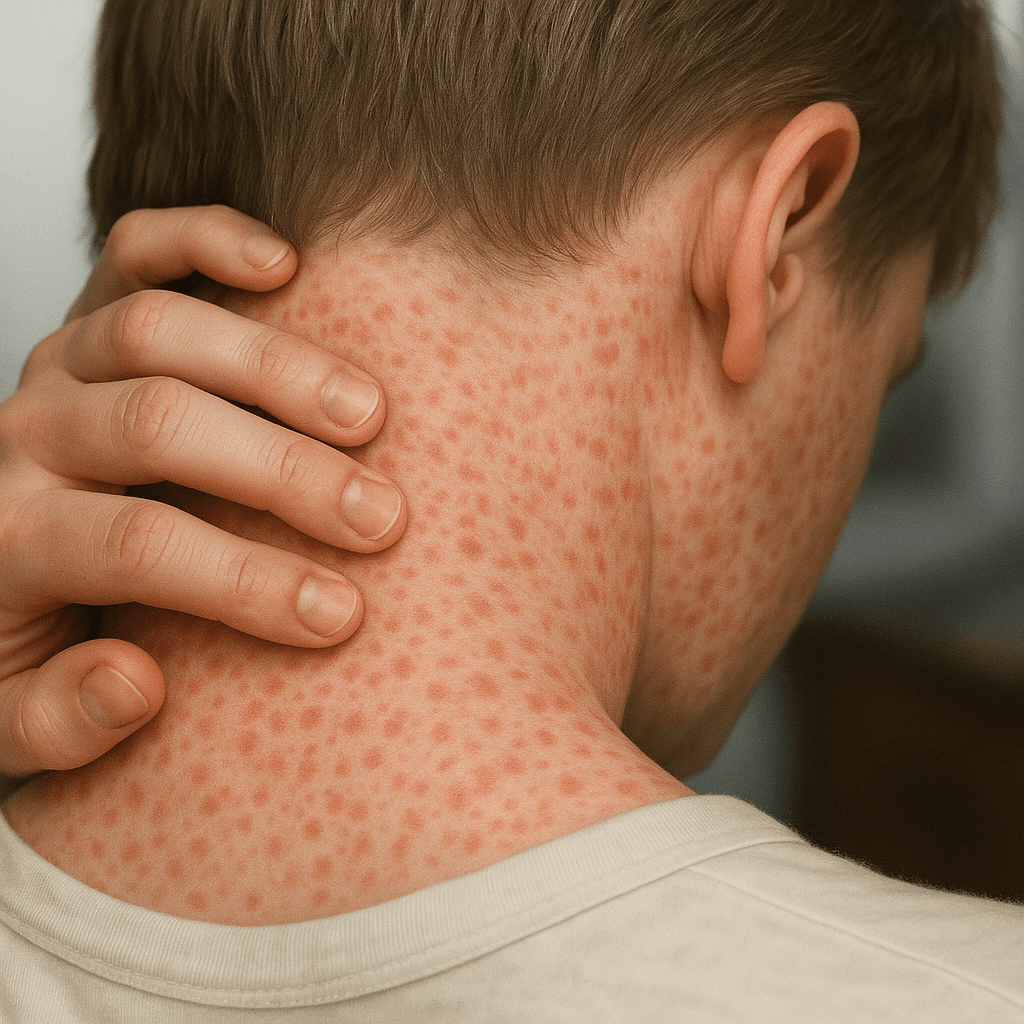
Measles is an acute viral infectious disease caused by the Morbillivirus species, highly contagious and responsible for periodic epidemics. Although most commonly seen in childhood, it can also occur in adults lacking immunity and may lead to severe complications. Transmitted via the respiratory route, this disease poses significant epidemiological and socioeconomic risks to global health systems. Although vaccination programs have brought the disease under control, in recent years there has bee
ENMuhammed Samed Acar

Shahmaran (Shahmeran) Legend
The Shahmaran Legend; a traditional narrative cherished and preserved through oral and written cultural traditions within Turkish storytelling, reaching the present day in various forms.【1】 The mythical creature known as Shahmaran or Shahmeran, described as having a human head—largely female—and a serpent’s body, derives from the Persian expression “Shah-i Mârân,” meaning “king of serpents.” In Semitic legends, this being is referred to as “Yamliha,” a name carrying the meanings “to rule” or “to
ENTalha Yıldırım

2026 European Heat Wave
In the summer of 2026, Europe faced one of the most intense and widespread heatwaves ever recorded in its modern meteorological history. The heatwave, which began in the second half of June and persisted into July, affected large parts of Western, Central and Southern Europe, breaking June temperature records in many countries. In numerous countries including France, Germany, Italy, Austria, Belgium, Denmark, Poland and the Czech Republic, air temperatures exceeded 40 °C, with some regions recor
EN
Zeynep Gül
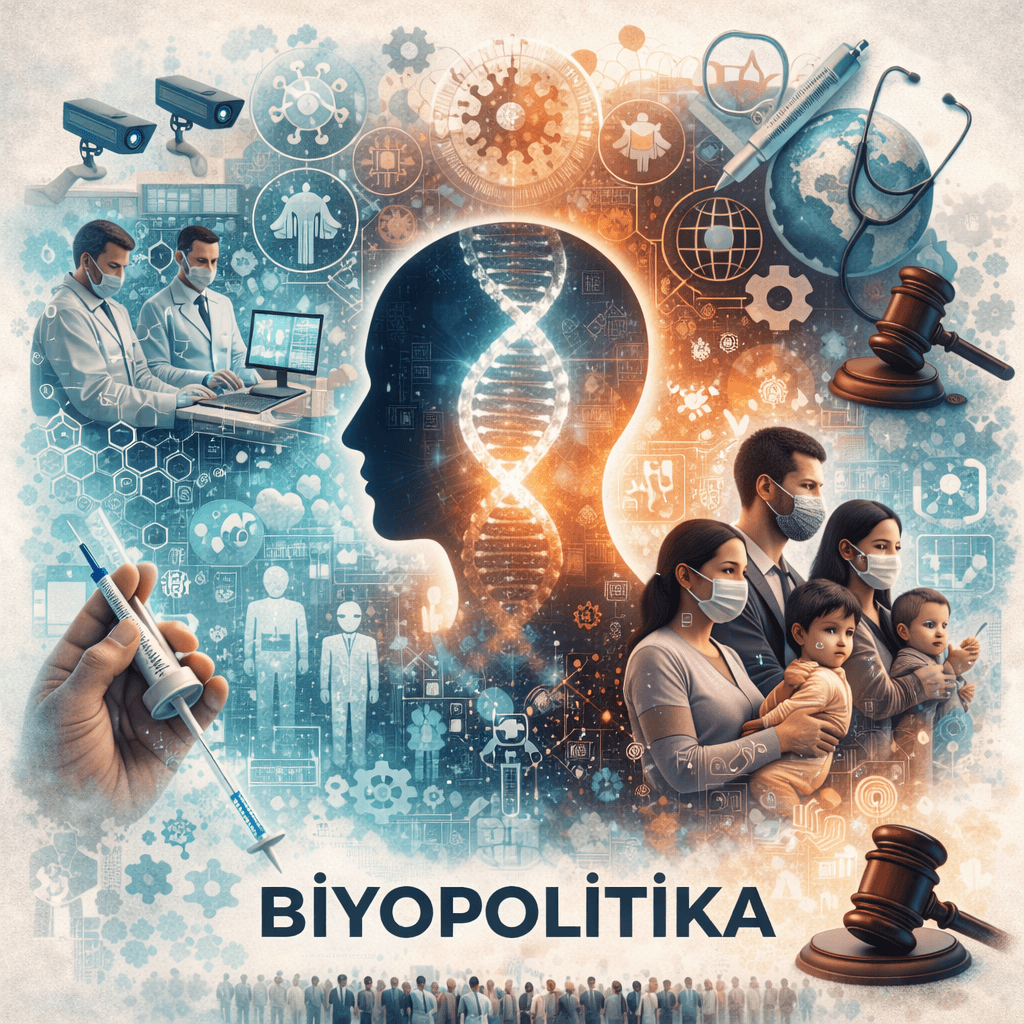
Biopolitics
Biopolitics is a concept that describes the ways in which modern political power manages life, the body, and population. This concept reveals that power does not operate solely through legal regulations and political institutions but also through biological processes such as health, fertility, death, disease, life expectancy, and population movements. Biopolitics defines the condition in which life itself becomes a subject of political governance. An image related to the concept of biopolitics (
ENMelike KISAL
MoMonkeypox Virus
Monkeypox virus (MPXV) is a zoonotic DNA virus belonging to the Orthopoxvirus genus of the Poxviridae family. It was first identified in laboratory monkeys in 1958, and the first human case was reported in 1970 in the Democratic Republic of the Congo. Monkeypox disease, which causes symptoms similar to those of smallpox but follows a milder course, is endemic in certain regions of Africa. However, due to its global spread in 2022, it has become a significant public health concern worldwide. Tran
ENKübra Elçi
Ebola Outbreak (2026)
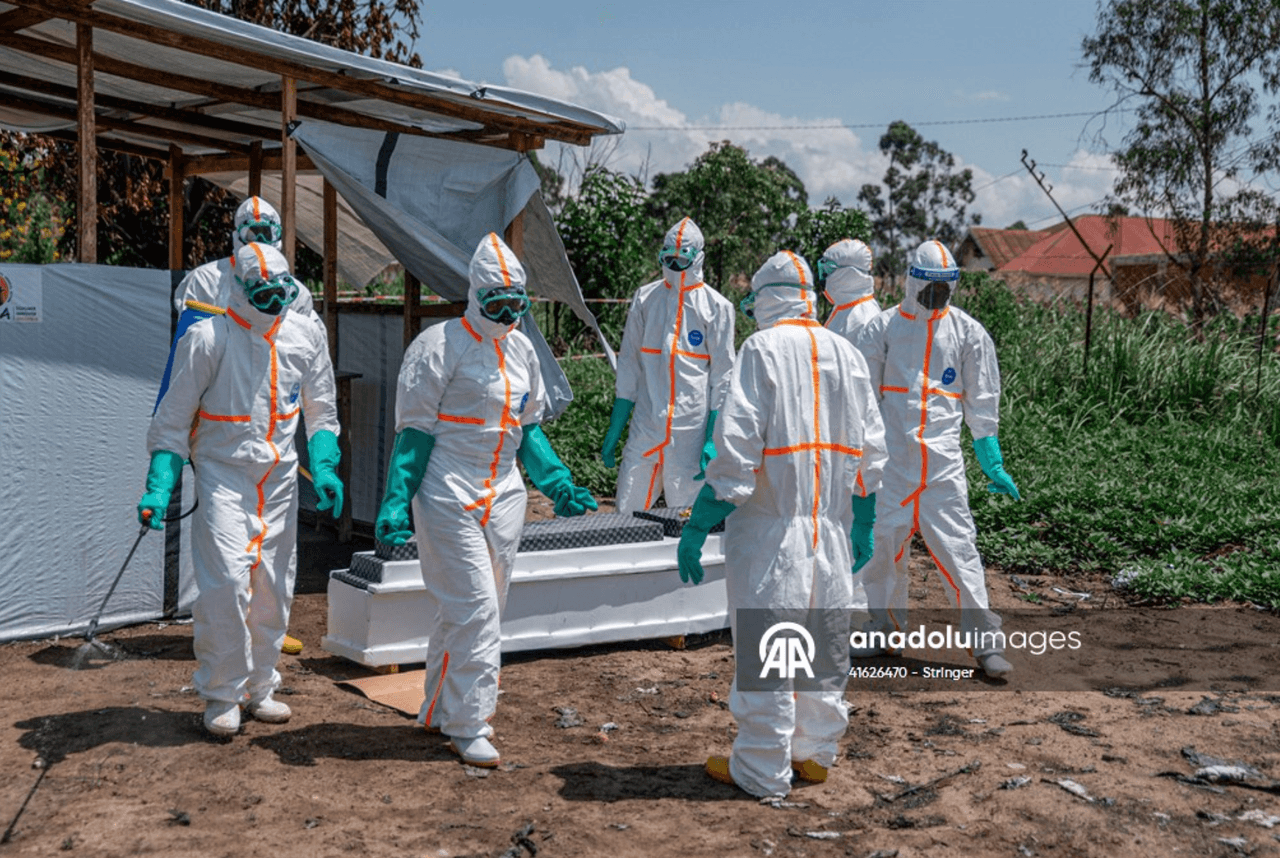
2026 Ebola Outbreak is an acute viral hemorrhagic fever outbreak triggered by the Bundibugyo ebolavirus species, affecting the border regions between the Democratic Republic of the Congo (DRC) and Uganda in East and Central Africa. 【1】 The outbreak entered the agenda of international health authorities in May 2026 and rapidly evolved into a regional risk 【2】. International operations to combat the outbreak have been shaped around the dissemination of diagnostic methods, the acceleration of clini
EN
Azra Karaca