

`psychologicalanalysis` Related Article Results
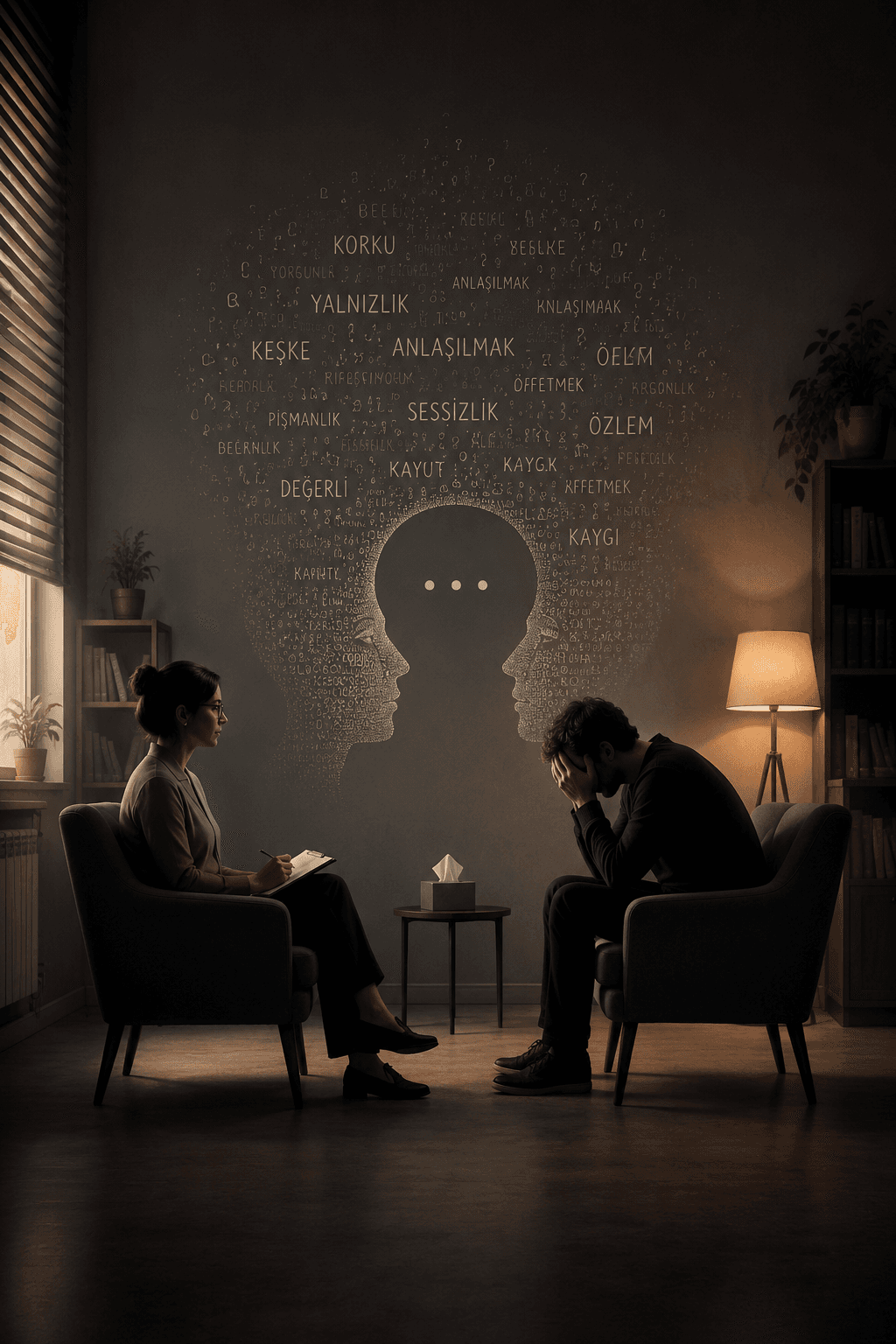
Silence in the Consulting Chair: What Do Unspoken Words Convey?
One of the greatest misconceptions about the psychotherapy process is the belief that the therapy room must constantly overflow with words, confessions, and heated dialogue. Yet everyone who steps into that room knows that sometimes the most powerful sentences are not those spoken aloud, but the deep silences that settle like mist in the center of the room. A person sitting in the client’s chair being silent does not mean they have nothing to say. On the contrary, sometimes the weight of words b
EN
Nida Üstün

Naruto: Shippūden (Series)
Naruto: Shippūden is a Japanese animated television series adapted from Masashi Kishimoto’s Naruto manga series, broadcast between 2007 and 2017. As a direct sequel to the original series, it follows the events beginning with Naruto Uzumaki’s completion of his training and return to his village. Overview and Broadcast History The first series adapted from Masashi Kishimoto’s work, Naruto, aired from 2002 to 2007. Naruto: Shippūden, as its continuation, began in 2007 and concluded in 2017. Univer
EN
Berkay Çalışkan
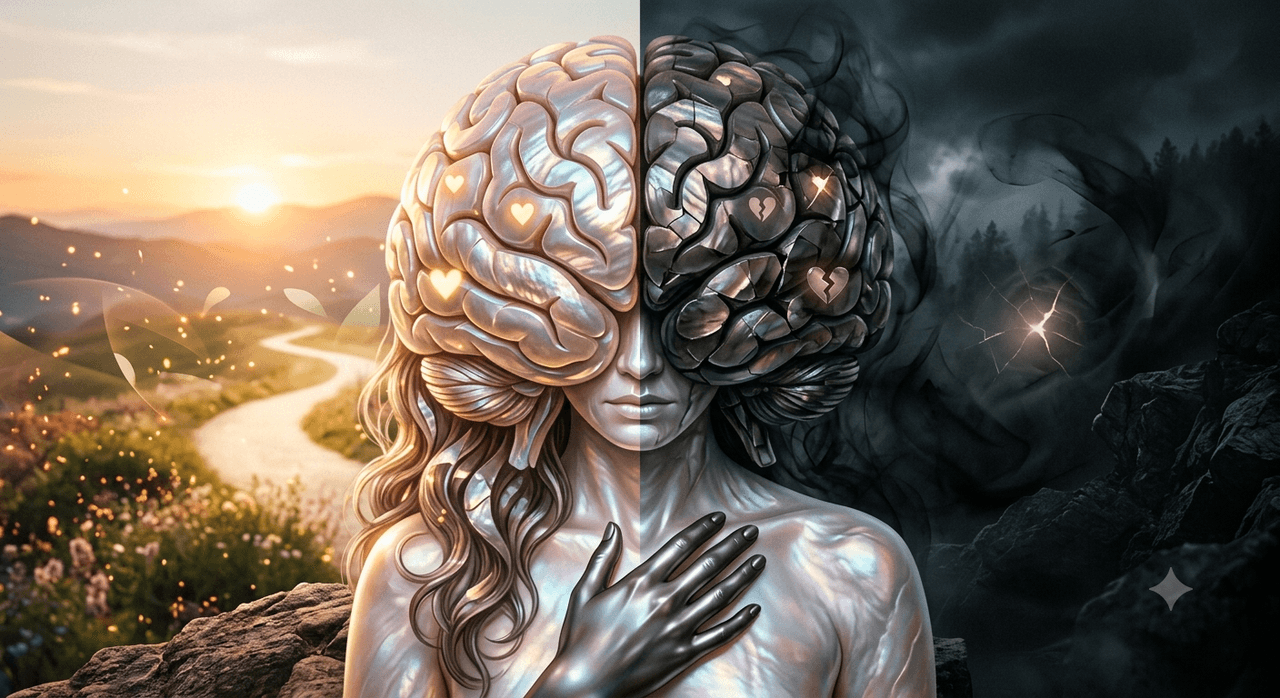
If a feeling has no name, does it not exist?
Everyone seeks meaning in their experiences. Because meaning brings comfort. If we know why something happened, we believe we can cope with it. If we are sad, we want to know why; if we are angry, we want to know the cause; if we feel longing, we want to know whom we miss. But what about feelings with no explanation at all? These are the most exhausting emotions of all. Sometimes nothing has happened. Life continues as usual. Your family is well, you have no major problems at work, your phone ha
EN
Nisa ÜSTÜN
 Do
DoDo you understand me?
Do you understand what I keep hidden inside? The sentences I could never say, the ones that remain within me? Can you read me in my eyes, The silent thoughts I have nurtured in my heart? Do you know what I think through the nights, The memories left behind in the past? Can you hear the storms that break within me, The feelings I could never tell anyone? Can you see beyond the smile on my face, The resentment I hide, the silence within me? Will you ever truly understand me, When I sometimes canno
EN
Esmanur Aykut
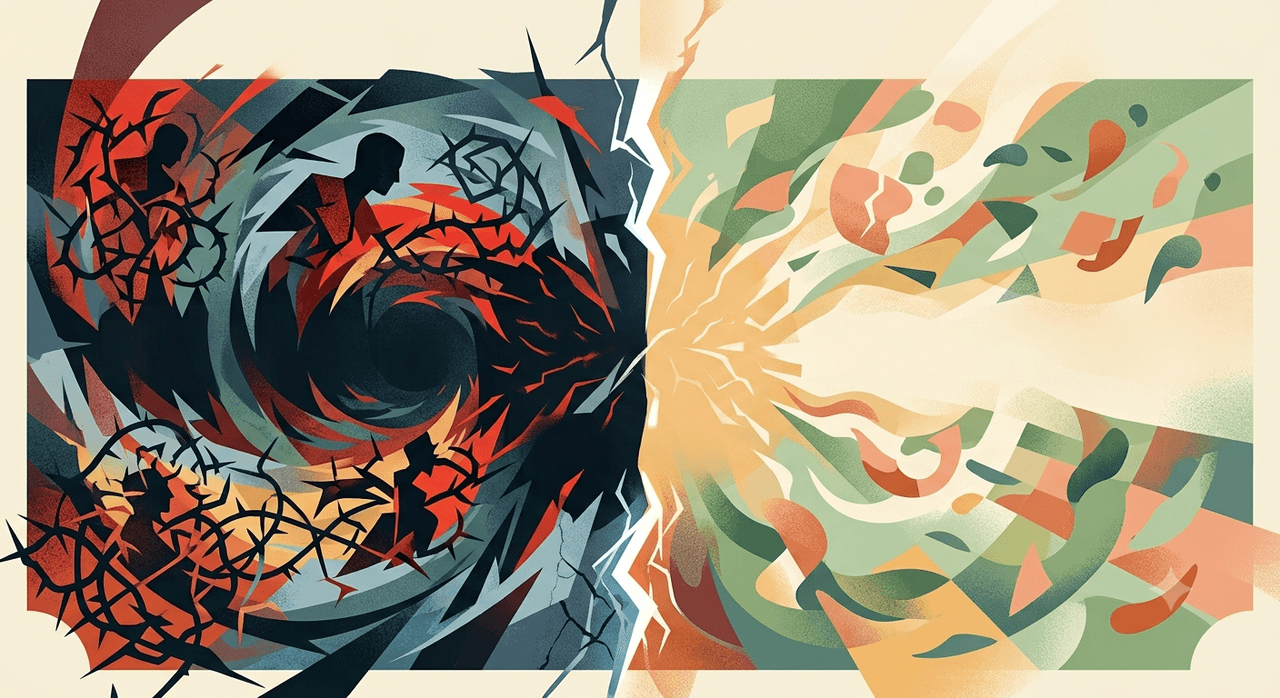
Hanlon's Razor: Malice or Simple Mistake?
A colleague has not replied to your email for days. The car in front of you in traffic changes lanes without signaling. Your manager acts as if they never heard the idea you raised in the meeting. In all these moments, the same question arises in our minds: “Are they doing this to me on purpose?” More often than not, the answer is far more mundane and far less personal than we imagine. The person across from us is probably not even thinking about us; they have simply forgotten, distracted themse
EN
Ömer Said Aydın

Carrying Oneself
Evening had fallen. The bag carried on the shoulder all day was finally left by the door. The key turned, shoes were removed, and the weight of the day seemed to slowly drain away. But something strange was happening: the bag could be placed on the floor, the coat hung on a hook, the bags carried in hand could be set down. Many burdens of the day could somehow be left behind. Yet there were things that could not be left outside the door. They entered the home with you. Quietly. Every day. Someti
EN
Ebrar Sıla Peri
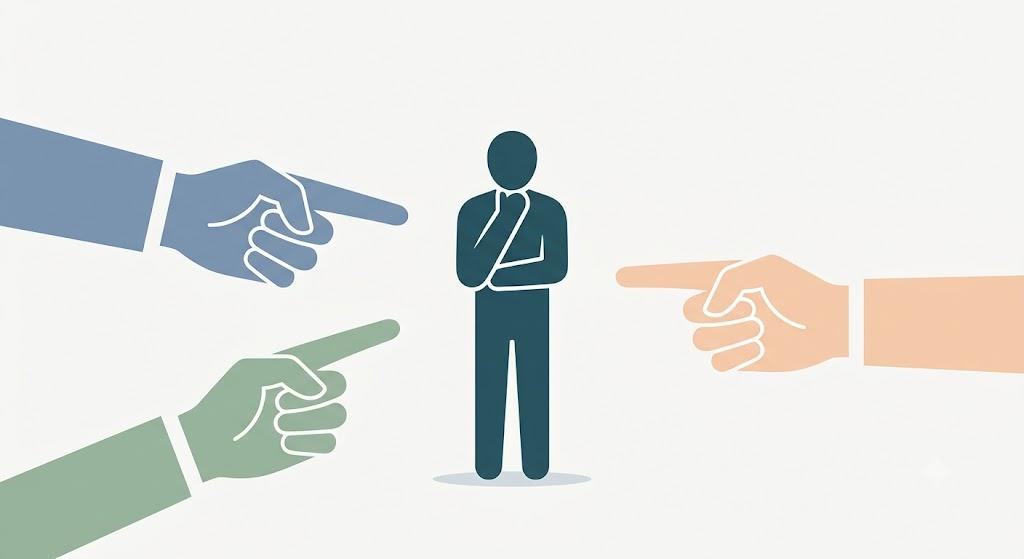
Stamping
Stigma refers to the disapproval, labeling, or discrimination directed at an individual or group due to perceivable characteristics that distinguish them from societal norms. Labeling involves assigning undesirable traits to these individuals in a stereotypical manner.【1】 Social theorist Erving Goffman defines stigma as “a behavior that devalues an individual, rendering those bearing the label less desirable and barely perceived as human.” 【2】 When society categorizes and labels individuals into
EN
Kadriye Beyza Kirenci
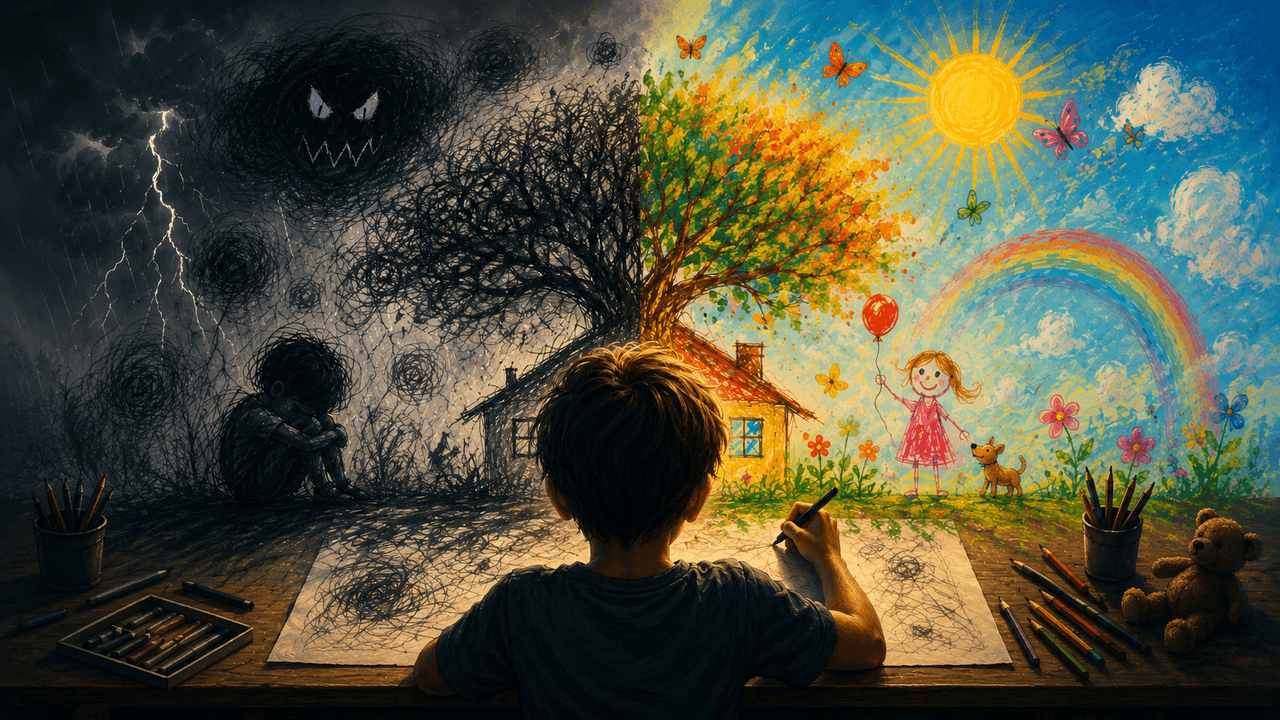
Children's Drawings: A Piece of Paper, a Pen, and Thousands of Unspoken Emotions
When you give a child paper and a pencil, what emerges is not merely a drawing. Those lines, those colors, those arrangements are in fact a map of the child’s emotions, fears, and hopes—things they cannot yet express in words. Young children cannot articulate their feelings in sentences the way adults do. Instead of saying “I feel insecure today,” they might draw a tiny house or forget the windows. Instead of saying “I feel alone in my family,” they position themselves in the corner of the famil
ENNida Üstün