

`planetary-nebula` Related Article Results
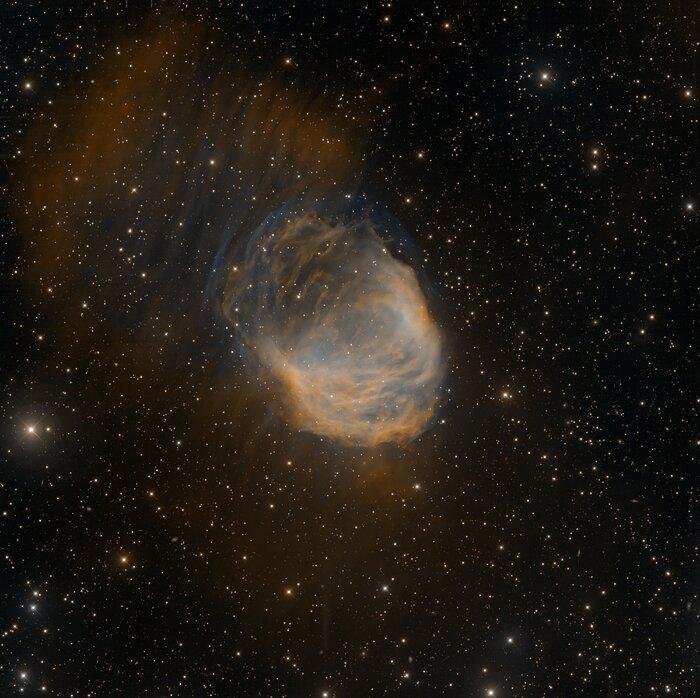
Medusa Nebula (Abell 21)
The Medusa Nebula, cataloged as Abell 21, is a planetary nebula located approximately 1,500 light-years from Earth in the direction of the Gemini constellation. It was first identified in 1955 by George O. Abell as part of his catalog of low-surface-brightness nebulae. The name "Medusa Nebula" derives from its visual resemblance to the snake-haired Gorgon Medusa from Greek mythology. However, this designation is symbolic and not used in scientific classification. Medusa Nebula. (NOIRLab) " image
EN
Osman Özbay
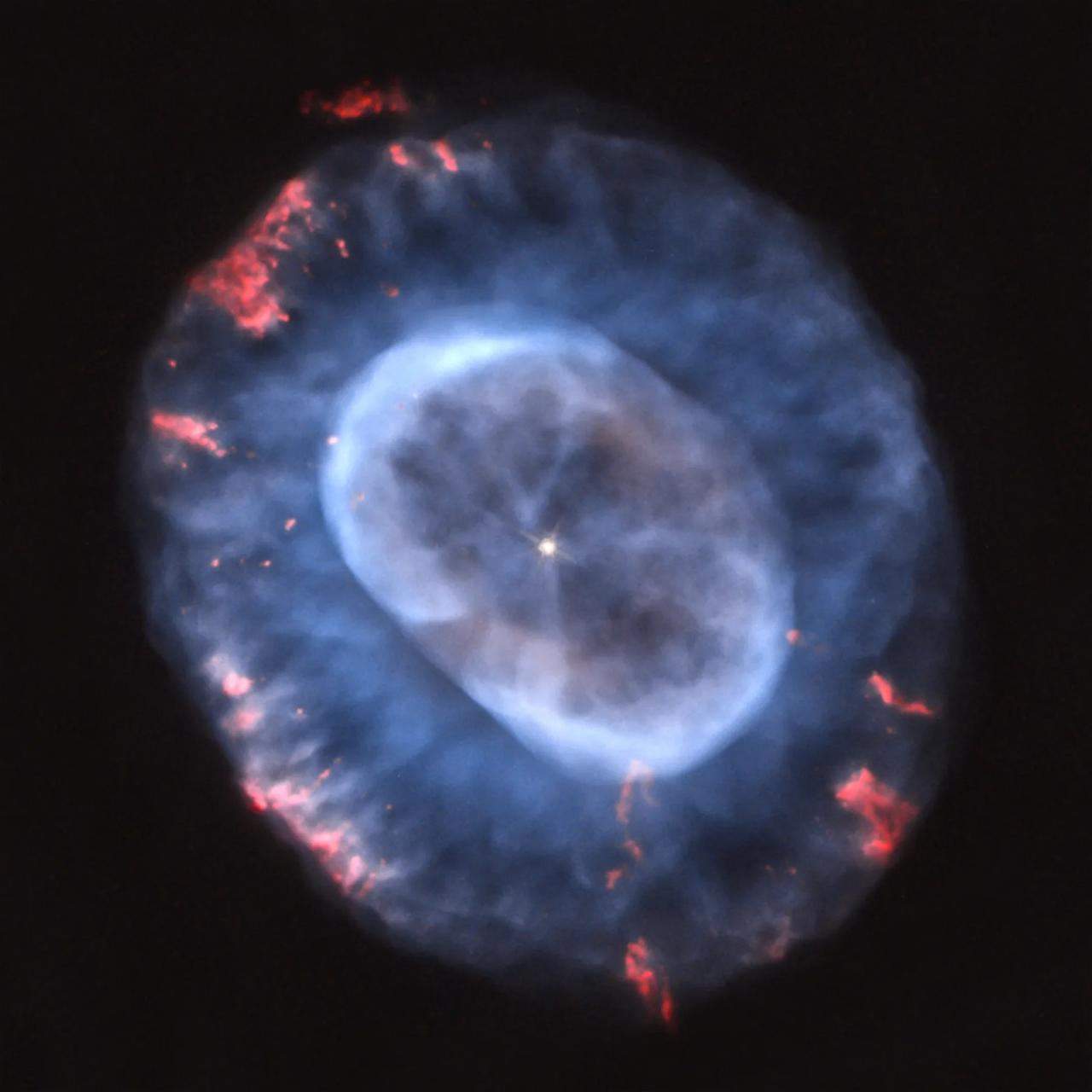
Blue Snowball Nebula (NGC 7662)
The Blue Snowball Nebula (NGC 7662) is a deep-sky object belonging to the planetary nebula class. Located in the direction of the Andromeda constellation, this celestial body was first discovered by William Herschel in 1784. The nebula contains the remnants of a star that has reached the final stages of its life cycle. It is regarded as one of the key examples that contribute to our understanding of the general evolutionary process of planetary nebulae due to its observable structure and morphol
ENOsman Özbay
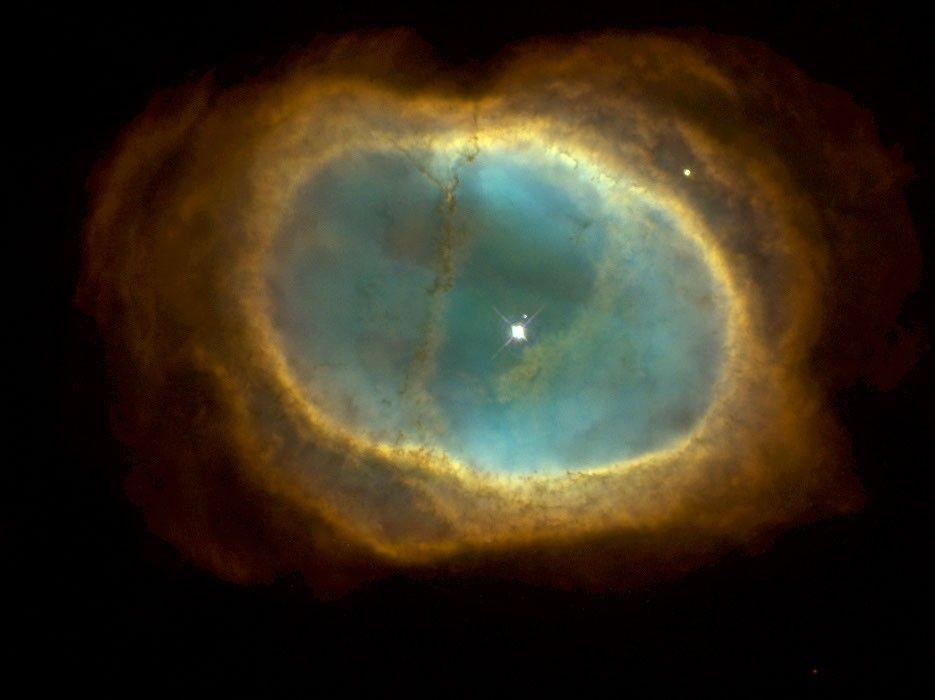
Southern Ring Nebula (NGC 3132)
Southern Ring Nebula (NGC 3132) is a planetary nebula located in the direction of the Vela constellation. It is also commonly known as the "Eight-Burst Nebula." This celestial object formed when the outer layers of a central aging star were ejected into space. It was first discovered in 1835 by John Herschel. Technical Characteristics Central Star: Has a temperature of approximately 100,000 K and emits energy primarily in the ultraviolet spectrum rather than visible light. Mass Loss: It is belie
ENOsman Özbay
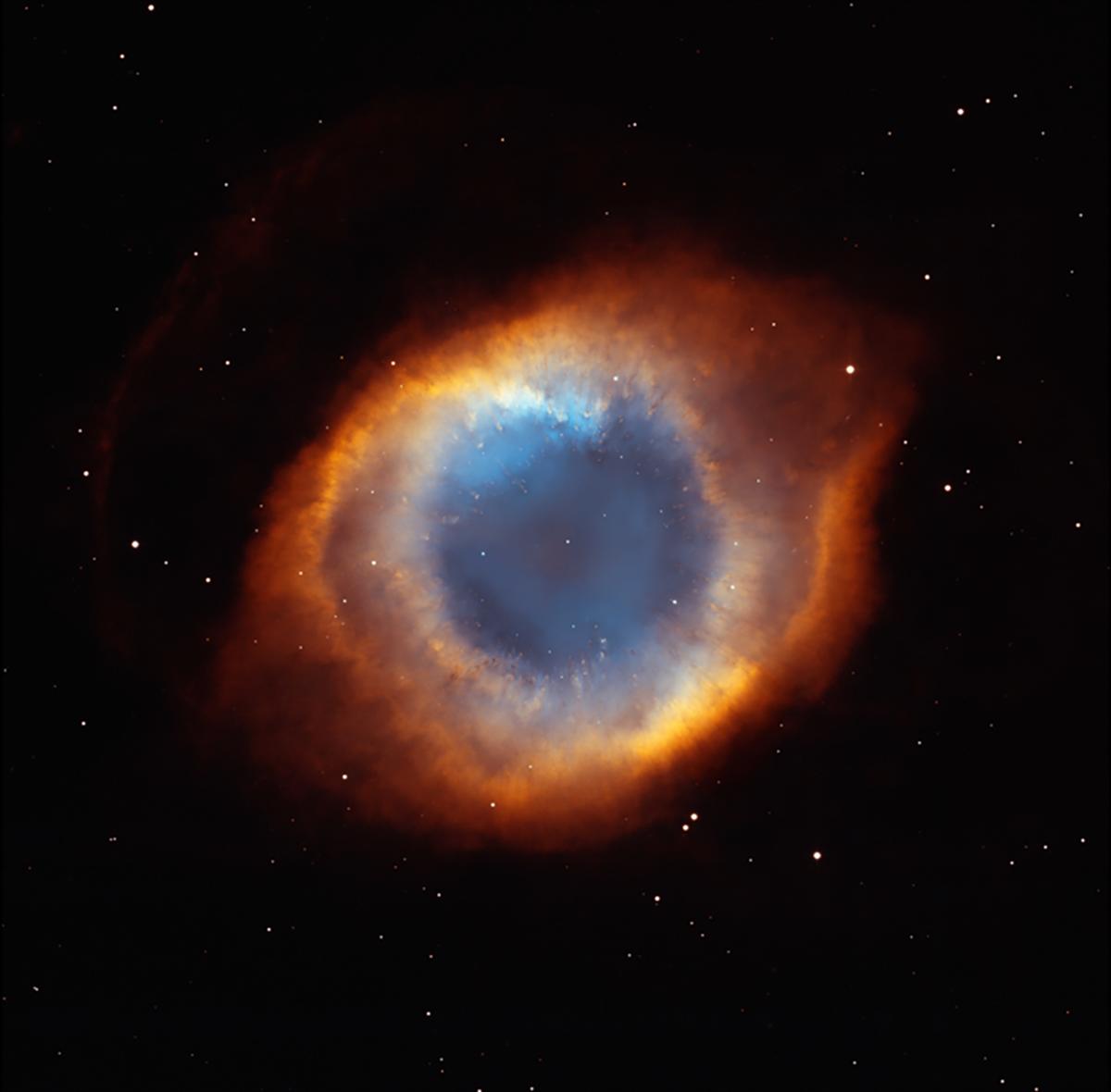
Helix Nebula (NGC 7293)
The Helix Nebula (NGC 7293), is a planetary nebula located relatively close to Earth. This structure, situated approximately 655 light-years away in the direction of the Aquarius constellation, is one of the largest planetary nebulae in terms of angular size as seen in the sky. It formed when the central star at its core ejected its outer layers during the final stages of its life. NGC 7293 is regarded as an important observational target for studying the late phases of stellar evolution and the
ENOsman Özbay
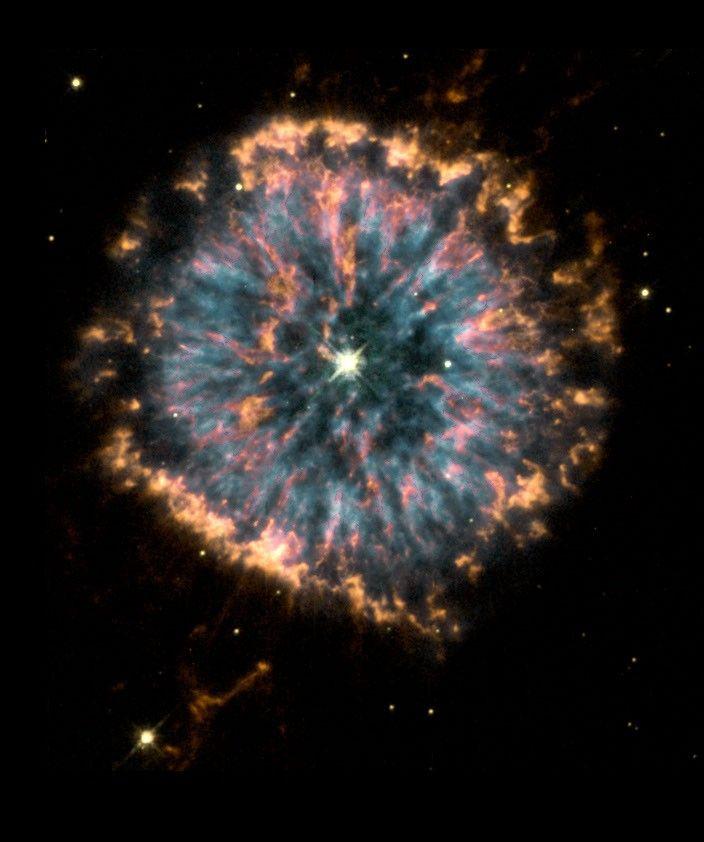
Eye of Heaven Nebula (NGC 6751)
NGC 6751 is a compact planetary nebula located in the direction of the Aquila constellation. This object, sometimes referred to in popular sources as the Eye of Heaven, lies approximately 6,500 light years from Earth. The nebula formed when the outer layers of a central white dwarf star were ejected into space during the final stages of its life. Physical and Structural Properties NGC 6751 is a classic example of a planetary nebula with a bipolar morphology. Examination of its overall structure
ENOsman Özbay
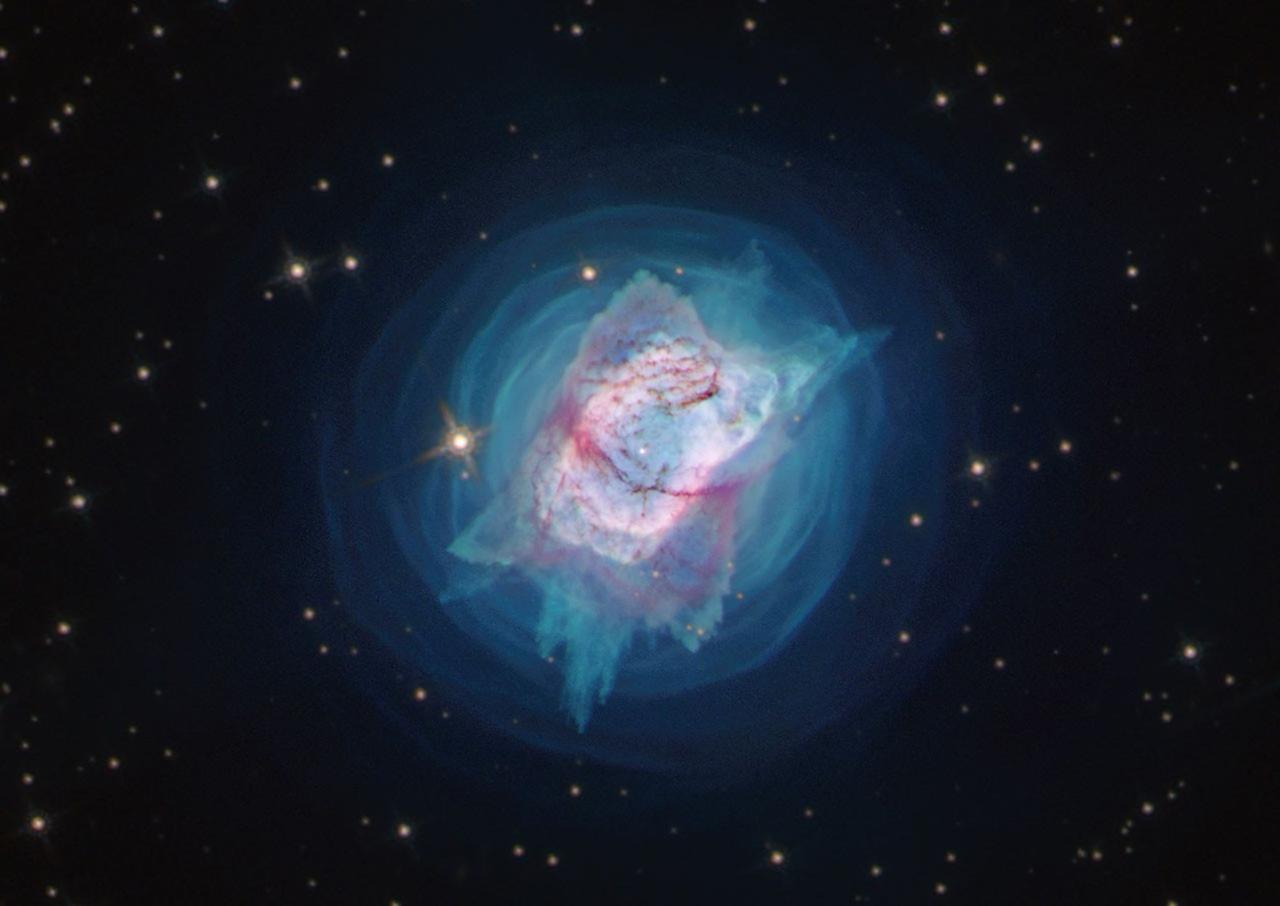
NGC 7027 Nebula
NGC 7027 Nebula, is a young and dense planetary nebula located in the direction of the Cygnus constellation. First discovered in 1878 by Édouard Stephan, this object attracts attention due to its morphological features and intense radiation field. Located approximately 3,000 light-years away, NGC 7027 stands out among planetary nebulae for its complex internal structure and high surface brightness. The nickname "Jewel Bug Nebula" was given to it because of its rich color variety and symmetric st
EN
Osman Özbay
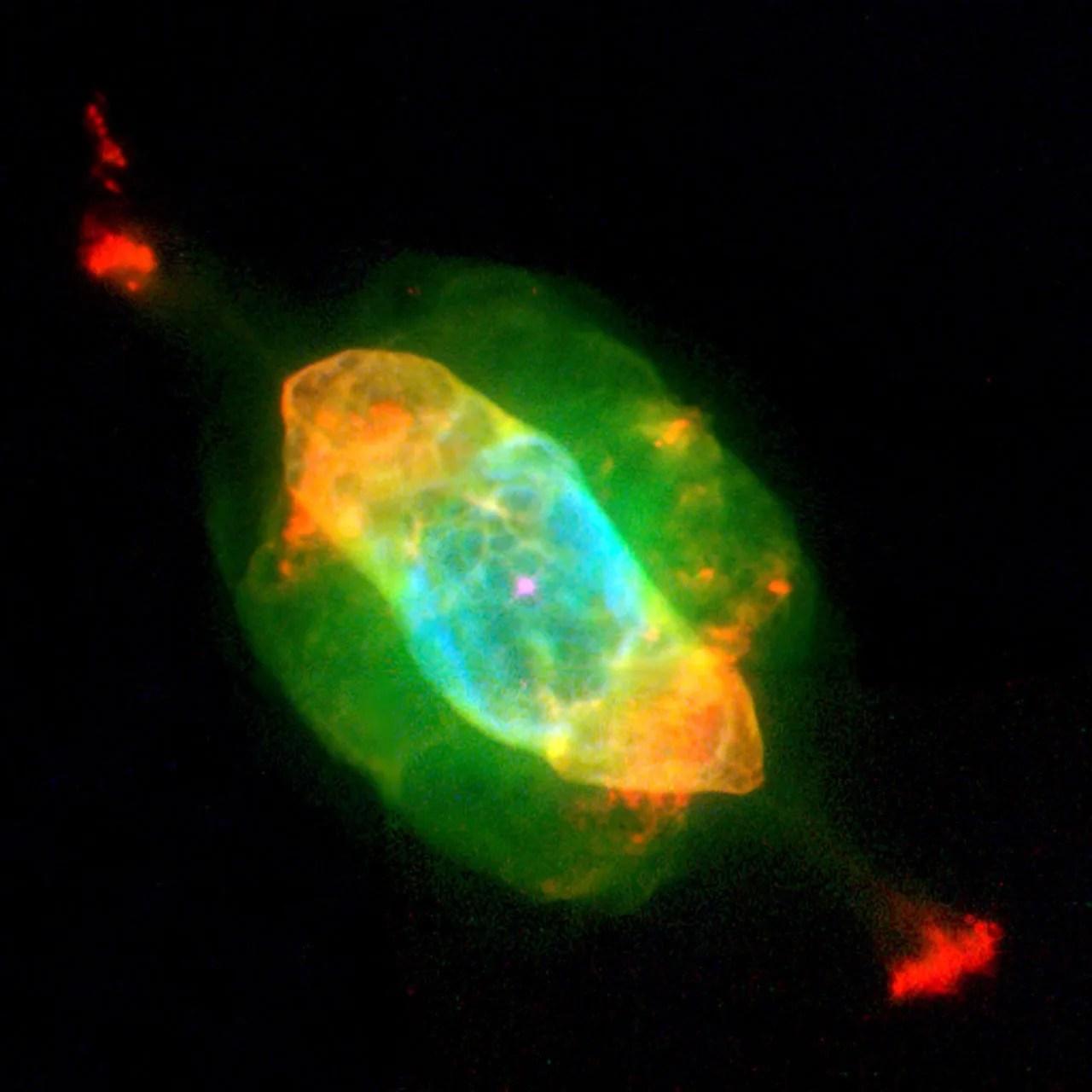
Saturn Nebula (NGC 7009)
NGC 7009, commonly known as the Saturn Nebula (Saturn Nebula), is a a planet-like nebula located in the direction of the Aquarius constellation. It derives its name from structural protrusions that resemble the rings of the planet Saturn when observed. The nebula was discovered by William Herschel on 7 September 1782. Due to its visibility and detailed structure, it is frequently studied in astrophysical research. Saturn Nebula. (NASA) " image-alternate="" image-element-format="right"> Physic
ENOsman Özbay
NGC 7027 Nebula
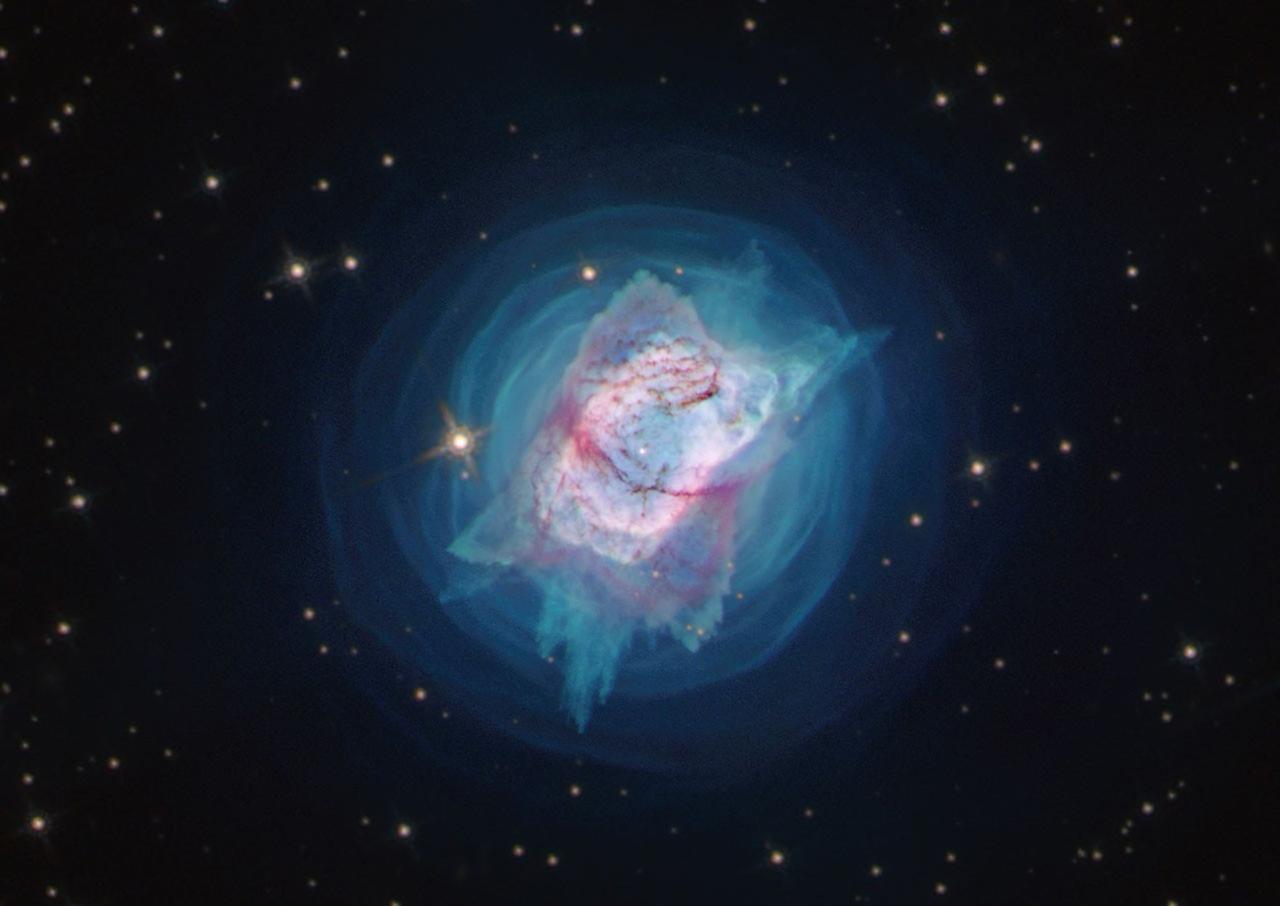
NGC 7027 Nebula, is a young and dense planetary nebula located in the direction of the Cygnus constellation. First discovered in 1878 by Édouard Stephan, this object attracts attention due to its morphological features and intense radiation field. Located approximately 3,000 light years away, NGC 7027 stands out among planetary nebulae for its complex internal structure and high surface brightness. The nickname "Jewel Bug Nebula" was given to it because of its rich color variety and symmetric st
ENOsman Özbay
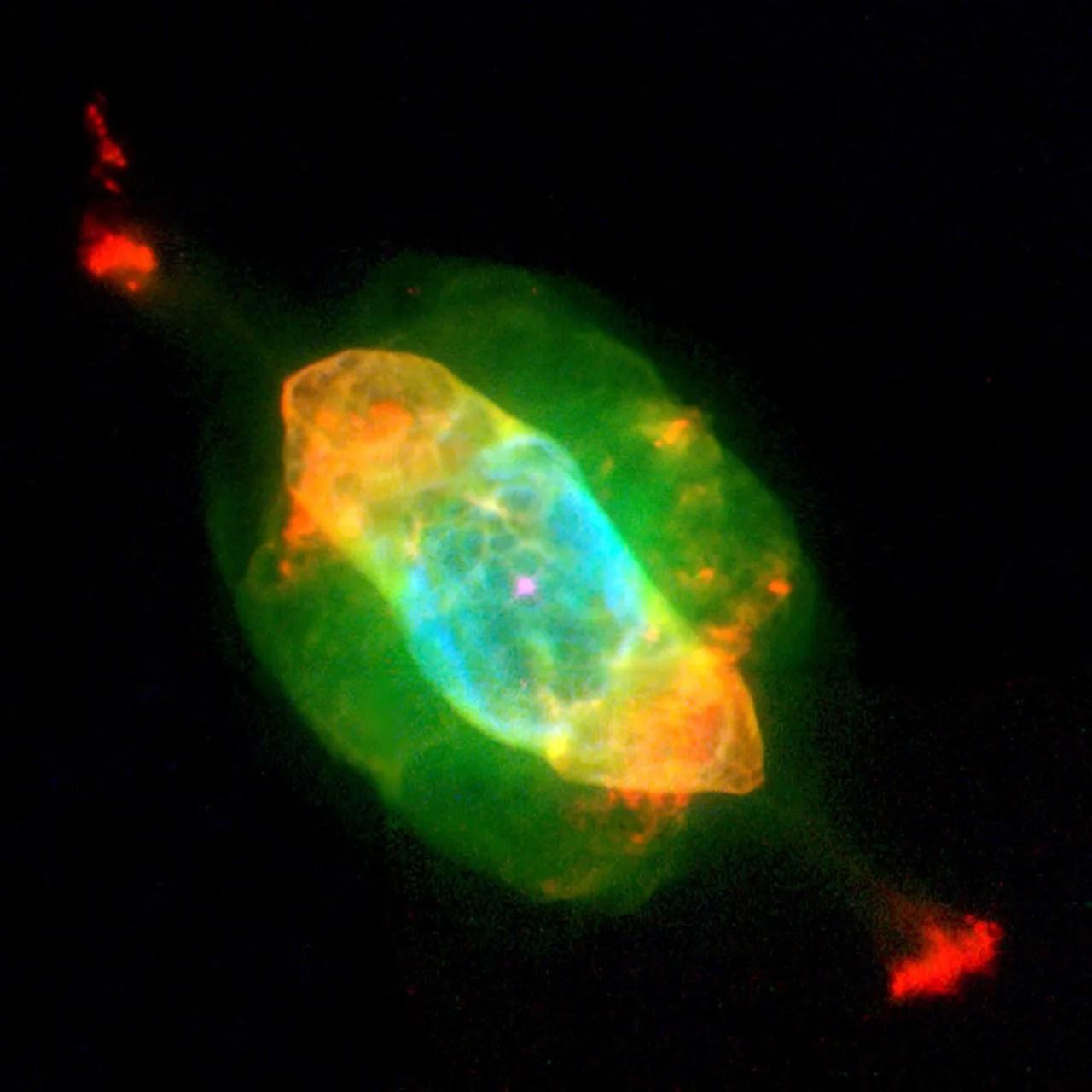
Saturn Nebula (NGC 7009)
NGC 7009, commonly known as the Saturn Nebula, is a planetary nebula located in the direction of the Aquarius constellation. It derives its name from its structural protrusions, which resemble the rings of the planet Saturn when observed. The nebula was discovered by William Herschel on 7 September 1782. Due to its visibility and intricate structure, it is frequently studied in astrophysical research. Physical and Observational Properties Astronomical Classification: Planetary nebula Catalog Des
ENOsman Özbay
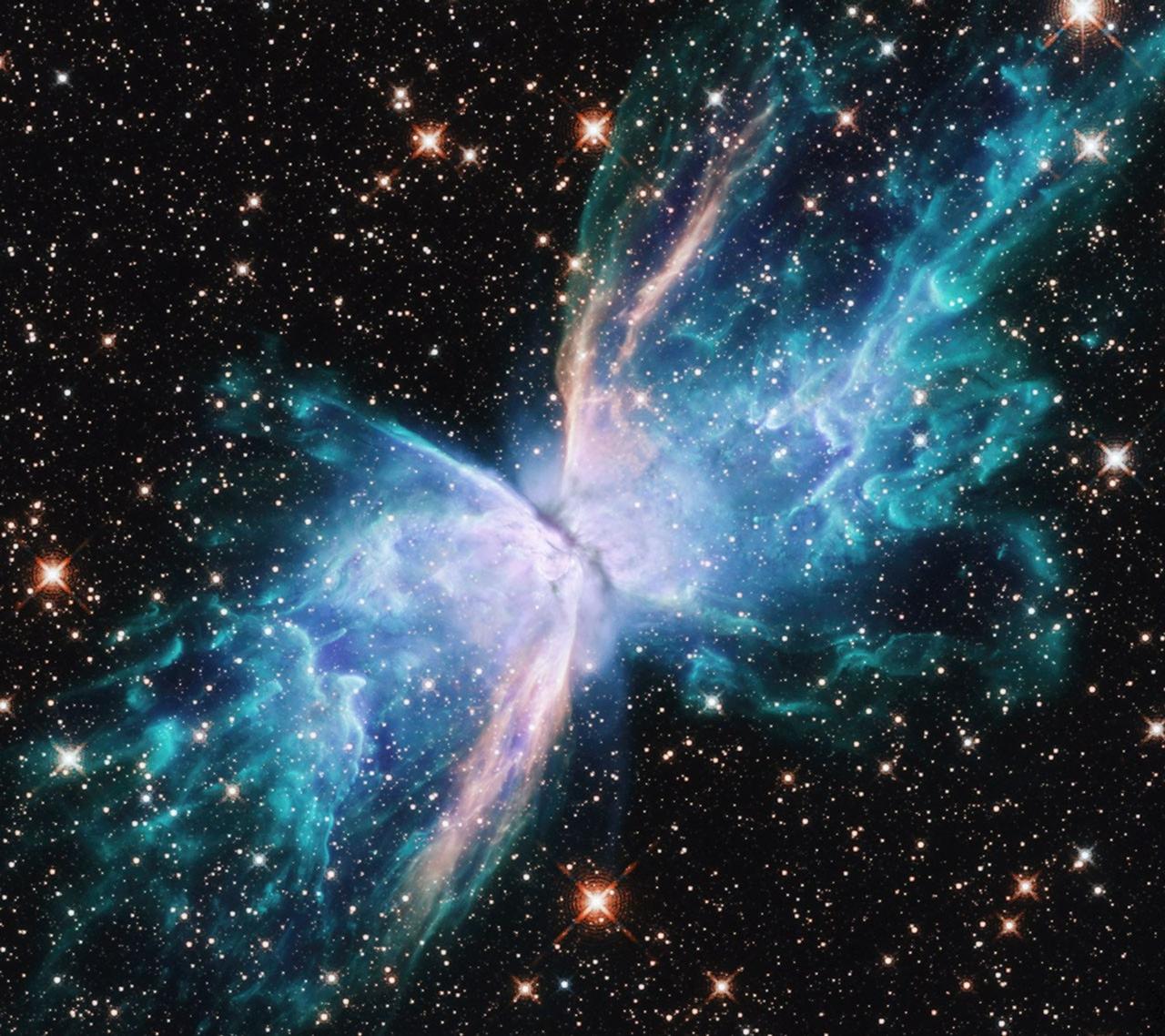
Butterfly Nebula (NGC 6302)
NGC 6302 is a planetary nebula located in the direction of the Sagittarius constellation, whose visual appearance resembles a butterfly with two wings. It was first cataloged in the mid-19th century by James Dunlop. The nebula is also commonly known as the "Butterfly Nebula" or the "Bug Nebula." This celestial object stands out in observations due to its complex morphology and the extremely hot central stellar remnant, placing it among structures formed during the final stages of stellar evoluti
ENOsman Özbay