

`pedagogicalapproach` Related Article Results
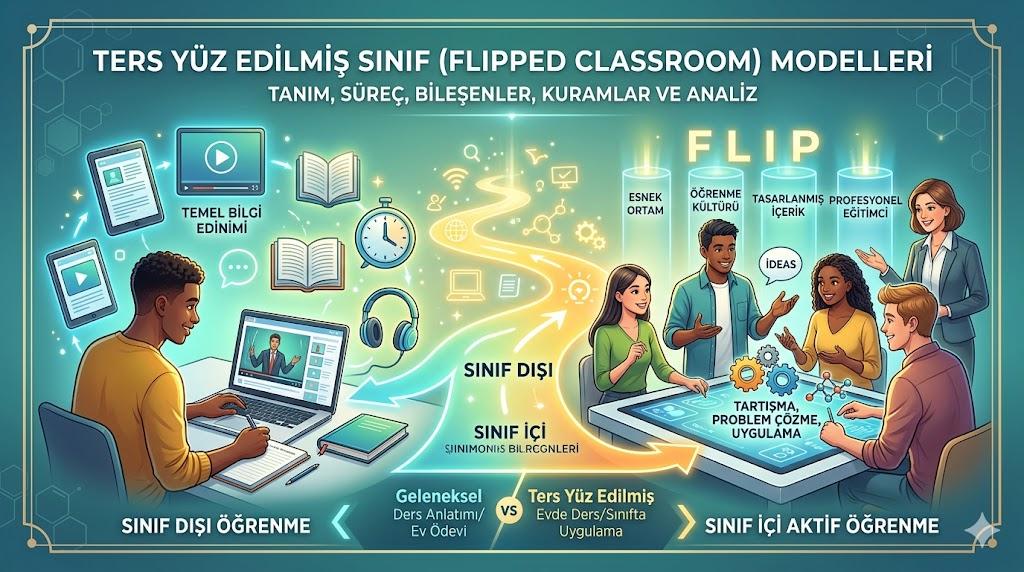
Flipped Classroom Model
The flipped classroom model is a student-centered pedagogical approach in which the traditional sequence of in-class instruction and out-of-class homework and practice is reversed in terms of time and place.【1】In this model, basic knowledge transmission is conducted outside the classroom through various technological materials and digital tools, while in-class time is dedicated to developing higher-order cognitive skills such as discussion, problem solving, analysis, and application. In the lite
EN
Büşra Tuğa
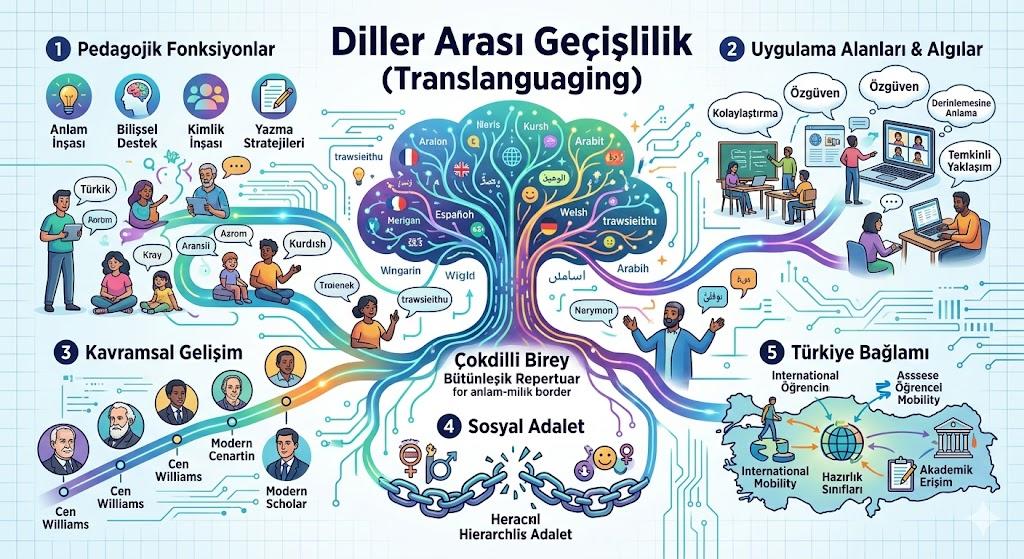
Interlinguistic Transition
Translanguaging is the process by which multilingual individuals draw upon their full range of linguistic and semiotic resources not as separate systems but as an integrated repertoire for meaning-making. This approach challenges the traditional monolingual paradigm that views languages as closed systems rigidly divided by social, cultural, and political boundaries. Conceptual Origins and Theoretical Development The concept was first introduced in the 1980s in bilingual educational settings in W
ENBüşra Tuğa