

`ottomanculture` Related Article Results
 Na
NaNahal Tree
Nahıl Ağacı is a three-dimensional monumental craft object, typically designed in the form of a cypress or date palm tree, adorned with beeswax, precious stones, mirrors, and various figurines. It was used during festivals, weddings, and circumcision processions in the Ottoman Empire period, symbolizing abundance, prosperity, power, and the continuity of life. The term derives from the Arabic word "nahl," meaning "date palm tree," and over time it was also referred to in folk usage as "nakıl"İsm
EN
Yunus Emre Yüce
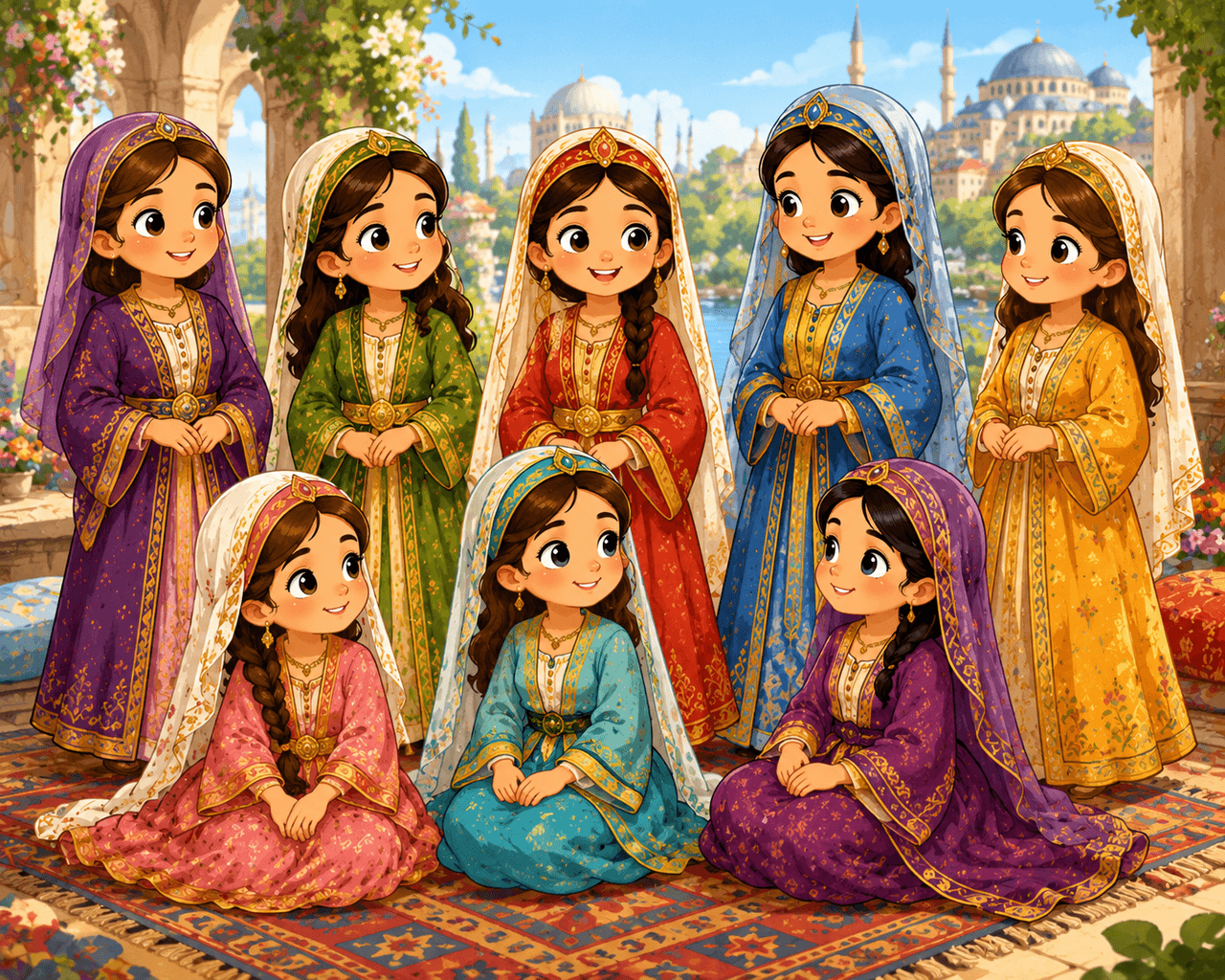
Women's Clothing in the Ottoman Empire
Ottoman women’s clothing was not merely a means of covering the body but also a way to express personal taste, wealth, and the social environment in which they lived. During this period, clothing was meticulously sewn like works of art, with each garment containing a unique story. The Ottoman woman’s wardrobe was filled with colorful fabrics and delicate embroidery. Literacy on Women’s Dress in the Ottoman Era (Generated with AI assistance) " image-element-format="right" image-height="1122" imag
EN
Saime Kılıç
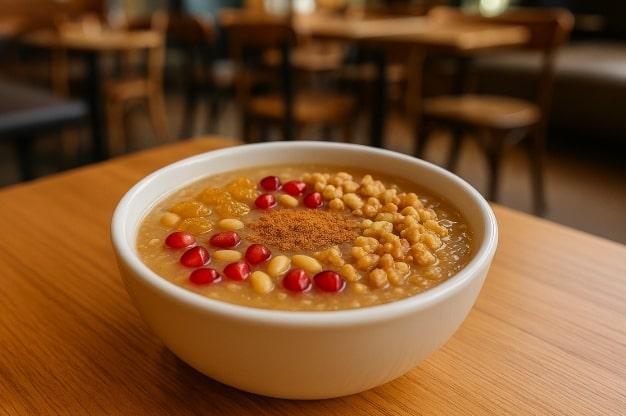
Ashura
Aşure is regarded as an important traditional dessert across Türkiye, as well as in the Middle East and Balkans. This dessert carries both religious and social significance and is prepared particularly on the tenth day of the Islamic lunar month of Muharrem, then distributed among the community as an act of shared generosity. For centuries, Aşure has endured as a multilayered cultural symbol shaped by literature and belief systems. History and Origins The sacredness attributed to the day of Aşur
EN
Meryem Betül Kaya