

`osmanli` Related Article Results
 To
ToTokyo Camii
Tokyo Camii, Yaponiyanın ən böyük müsəlman ibadət yeri olub, Tokionun Şibuya rayonunda yerləşir və Osmanlı-Türk memarlığının ən gözəl nümunələrindən birini təmsil edir. Yaponiyada müsəlman icmasının mərkəzi olan məscid, həm dini, həm də mədəni qarşılıqlı əlaqə mərkəzi kimi fəaliyyət göstərir. Tokyo Camii Ümumi Xarici Görünüşü " image-element-format="right" image-source="https://cdn.t3pedia.org/media/uploads/2025/02/20/OON5EPG0L5dJn3sVBJ6pUsxfUBxliEi6.jpeg">Hassa Mimarlık, Tokyo Camii ve Kül
AZ
Nurten Yalçın
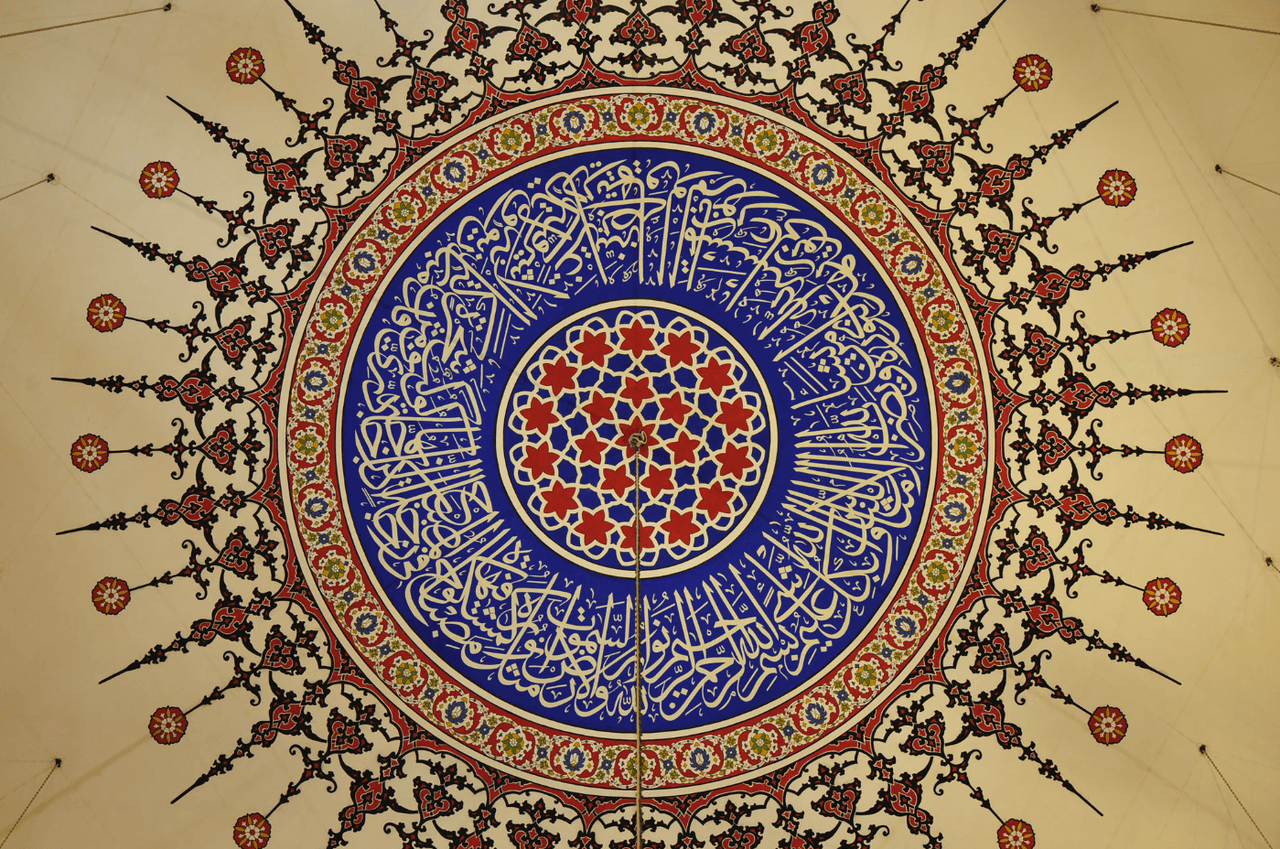
Kalemişi
Kalemişi is a decorative art form created by piercing patterns drawn on semi-transparent sketch paper with needles, transferring the design onto the target surface using coal powder, and then coloring it with various paints and brushes. History and Development of Kalemişi Art The art of kalemişi has its origins in Central Asia Turkic Uyghur art. Frescoes used by Turkic peoples in Central Asia during the 8th and 9th centuries are considered early examples of kalemişi. With the migrations of the T
EN
Sümeyra Uzun
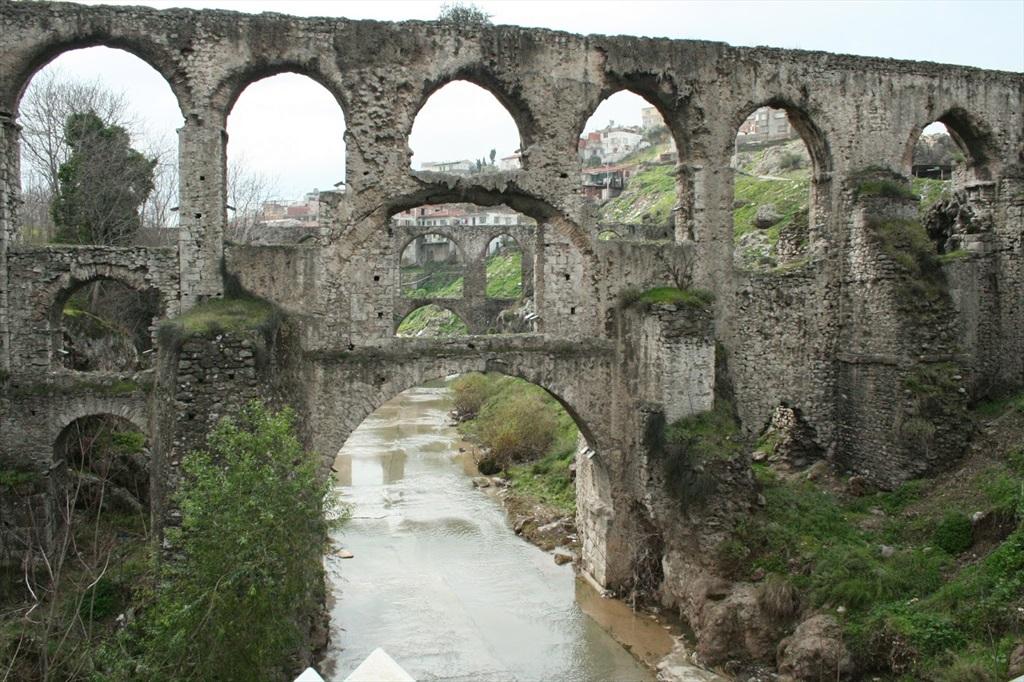
Kızılçullu Aqueduct
Kızılçullu Aqueducts are a Roman-era water structure located over the Melez (Meles) River in the Şirinyer neighborhood of the Buca district in present-day İzmir. In antiquity, this valley was known as "Paradiso" (Paradise); during the Ottoman period it was called "Kızılçullu," and today it is known as "Şirinyer." The structures were built to transport water from the foothills of Kadifekale (Pagos Hill) into the city and hold historical significance for the region’s water supply. Historical Backg
EN
Azra Ece Güney
NaNakibü'l Eşraf
Nakîbü'l Eşraf is the title given to the official who, in Islamic states, oversaw the registration of the birth, death, lineage, and legal status of sayyids and sharifs; managed their affairs; and handled administrative, legal, and social matters concerning this group. The institution and office responsible for this role are known as the Nakîbü'l Eşraflık. The term “nakîb” carries the meanings of supervisor, overseer, and representative in both lexical and practical usage. Within this framework,
EN
Nursena Güller
SuSuhulet Steamship
Suhulet is the world’s first automobile ferry, designed and constructed during the 19th-century Ottoman Empire and put into service across the Bosporus in 1872. It was named following a suggestion by the poet Namık Kemal, and in Ottoman Turkish the word means “convenience.” Developed to meet the growing transportation demands of the era, it was built with a symmetrical double-ended design that allowed vehicles and cargo to be loaded and unloaded from both the front and rear ramps. The Suhulet fe
EN
Metin Terzioğlu
KüKülhanbeyleri Group
Külhanbeyleri were a social class that emerged during the early periods of Ottoman State. This class consisted of dominant, violent, and vagrant individuals who typically had no family or relatives. The group of külhanbeyleri, who owned neither homes nor businesses, lived and slept in the külhans—the fireplaces used to heat bathhouses. According to interviews and as far as can be traced from from literary works, this group gradually disappeared during the last fifty years of the nineteenth centu
EN
Denizcan Taşci

Izmit Pişmaniyesi
🍬 What Is İzmit Pişmaniyesi? İzmit pişmaniyesi is a delightfully sweet confection with strands that separate like threads and a texture as soft as cotton candy! It is made from sugar, flour, and butter. Its appearance resembles delicate threads woven together. It can be eaten plain, and sometimes hazelnuts or cocoa are added inside. 👨🍳 How Is It Made? Sugar is boiled at high temperature until it becomes a syrup, then kneaded until it turns pure white. Flour is sautéed with butter. The two mi
EN
Sümeyye Akkanat Terzioğlu
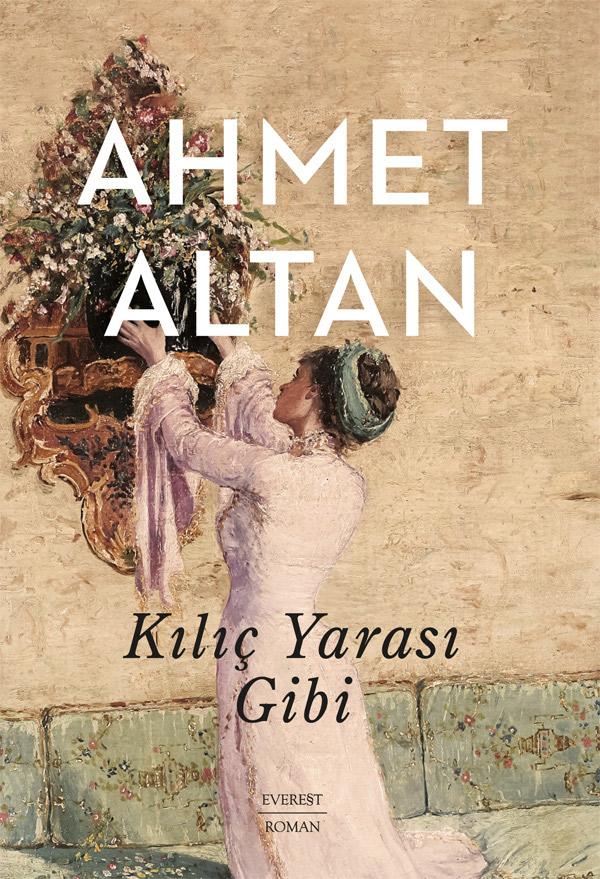
Like a Sword Wound (Book)
Ahmet Altan’s novel Kılıç Yarası Gibi is a work that explores the life of a woman entwined with love, marriage, passion, social transformation, and political upheaval in 19th-century Ottoman society, set against the backdrop of personal relationships and historical events. Subject The novel narrates a tale of love and drama set in the final years of the 19th-century Ottoman Empire. The story unfolds around the unhappy marriage of Şeyh Yusuf Efendi and Mehpare, followed by Mehpare’s glamorous uni
EN
Mehmet Denizhan
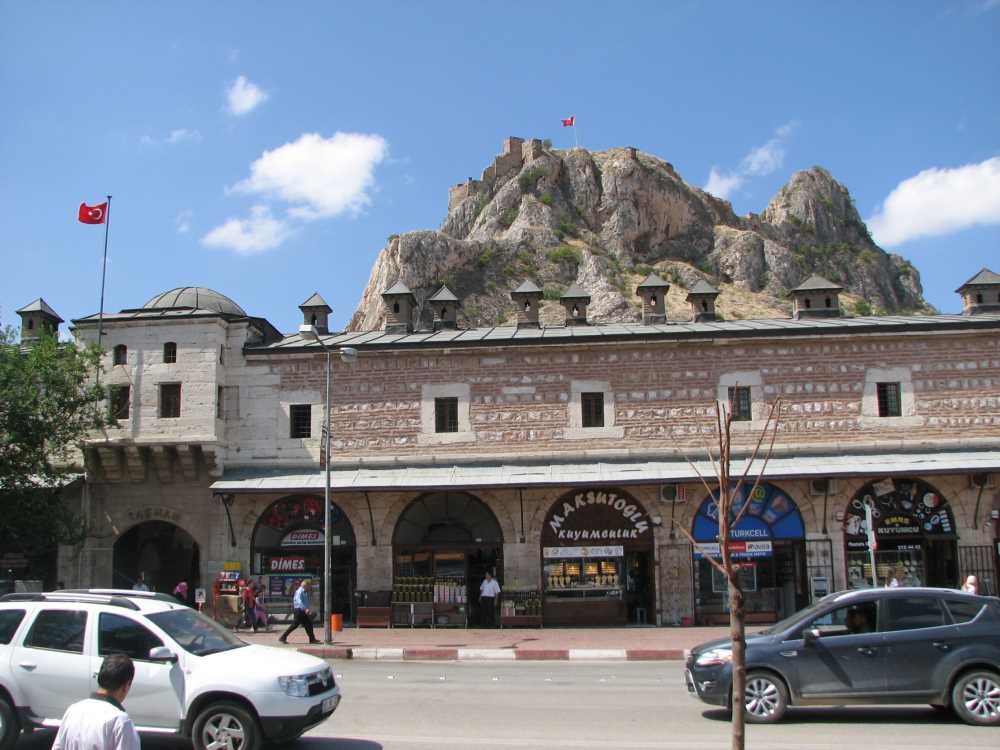
Tokat Voyvoda (Taşhan) Hanı
Tokat Voyvoda (Taşhan) Han, is one of the largest urban caravanserais in Anatolia. It is an Ottoman structure built between 1626 and 1632. It is a two-story rectangular building with an open courtyard. Inside, the northern and eastern sides feature shops without arcades, while the southern and western sides have shops with arcades in front. At the end of the entrance corridor, staircases lead to the second floor on both the right and left sides. All rooms on the second floor open onto the arcade
EN
Ali Doğan Demir
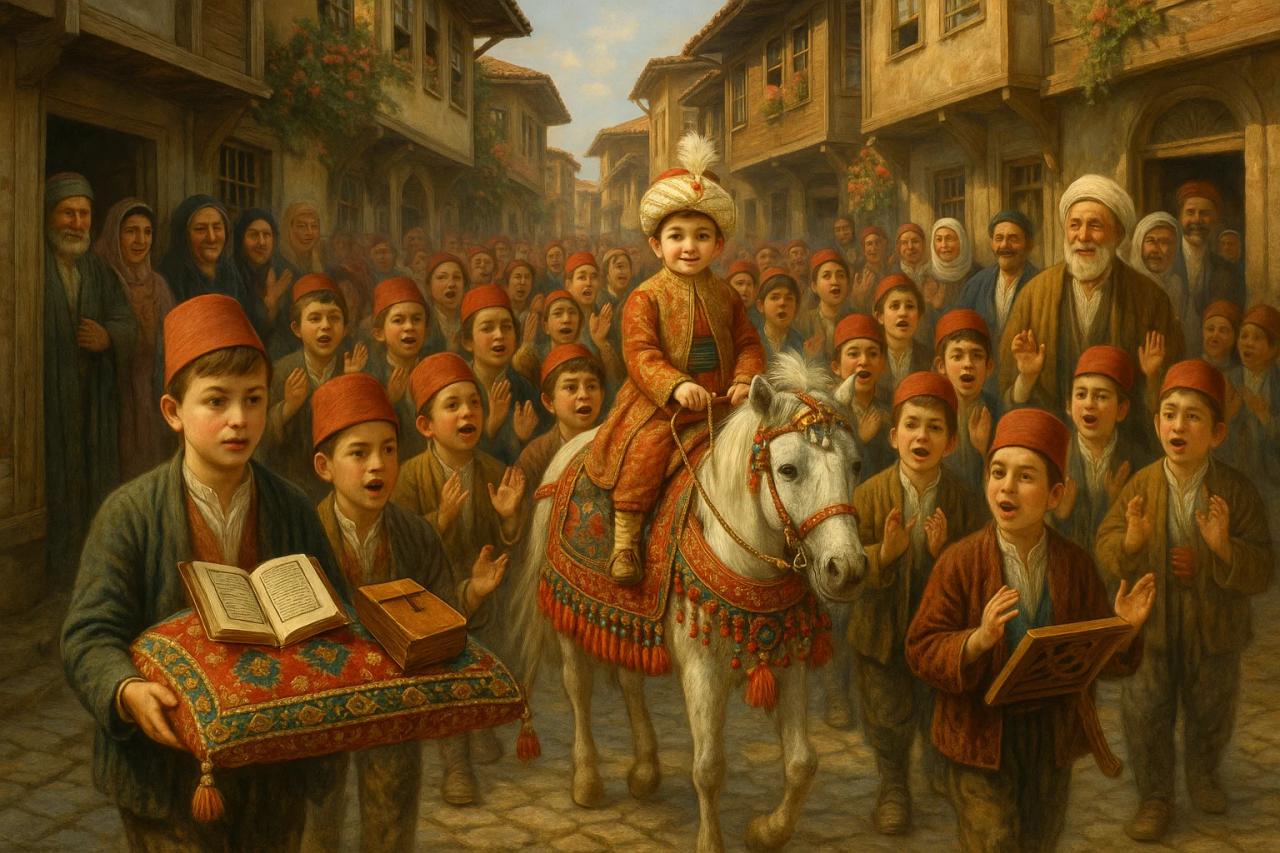
Âmin Alayı
Âmin Alayı is the name of the ceremony held in Ottoman society to mark a child’s entry into primary school. This widely used popular term derives from the congregation’s collective response of “âmin” to the prayers recited during the ceremony. The same ritual was also known as the “Bedʾ-i Besmele Cemiyeti.” Âmin Alayı (Generated by Artificial Intelligence.) " image-element-format="right" image-source="https://cdn.t3pedia.org/media/uploads/2025/10/04/HkIvL7tg2MHsjUmadCds9ljBQMbcdqZx.webp"> His
ENNurten Yalçın