

`optics` Related Article Results

Mehmet Naci İnci
Mehmet Naci İnci (1965, Malatya) is a physicist, academic, and rector of Boğaziçi University. After completing his undergraduate studies in Physics at the Atatürk Faculty of Education, Marmara University, he earned his PhD at Heriot-Watt University in Edinburgh on fiber optic sensors. Prof. Dr. İnci conducted postdoctoral research in advanced fiber optic telecommunication systems at Stanford University in California, United States, and later served as a researcher at the same institution. Mehmet
EN
MEHMET NACI INCI
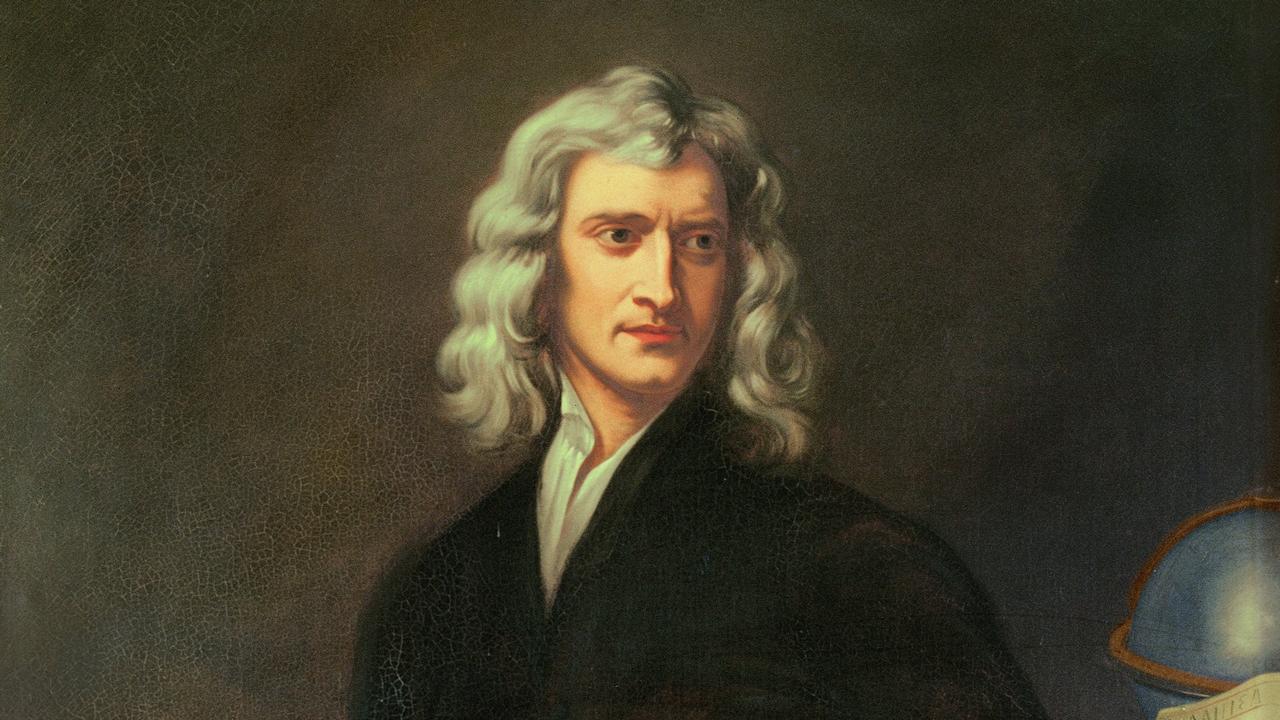
Isaac Newton
Isaac Newton is one of the most influential figures in the history of natural philosophy due to his contributions to the field. science He laid the foundations of classical mechanics by formulating the laws of motion and the law of universal recording and investigated the nature of light in the field of optical, while also developing calculus in mathematics. Early Life and Education Childhood and Youth Isaac Newton was born as a premature infant, and his father had died three moon before his bir
EN
Ahmet Sünbül
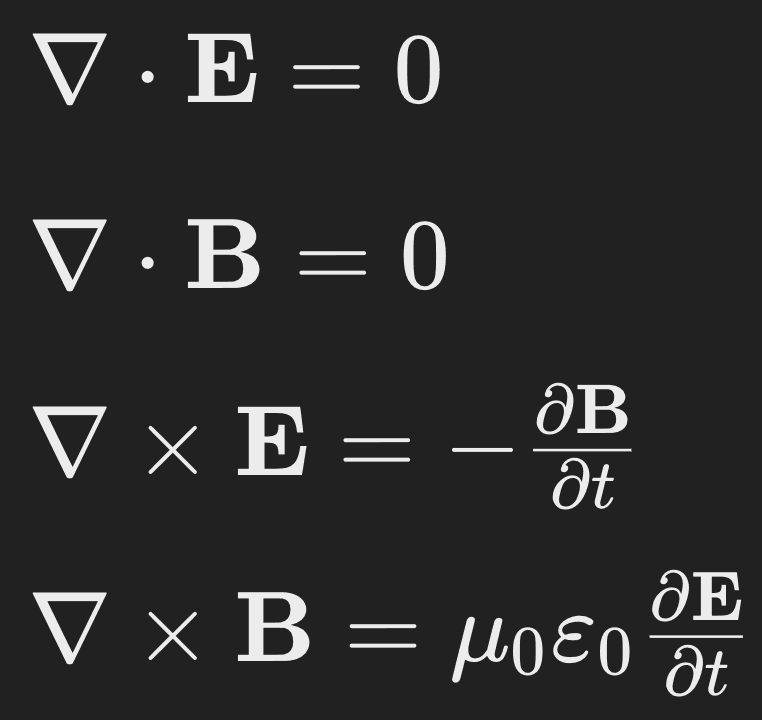
Optical Science
Optics is a broad field that studies the nature, propagation, interactions, and perception of light, and is one of the foundational pillars of both classical and modern physics. The dual wave and particle nature of light has rendered this field an exceptionally rich discipline in terms of theoretical modeling, experimental observations, and technological applications. The theories developed in optics do not merely explain visual perception; they also underpin advancements in communication, medic
ENAhmet Sünbül
History of Optics
Optics, according to the Kubbealtı Lugatı Sözlüğü, is defined as "the branch of physics that studies light and phenomena related to light" . The earliest concepts of light were rooted in religious origins. For example, in Ancient Egypt, light was regarded as a divine power emanating from the eye of the sun god Ra. Similarly, in the Bible, light is described as a being created by God on the first day of creation. In these sacred texts, light is associated with goodness, while darkness is linked t
EN
Nihal Fırat Özdemir
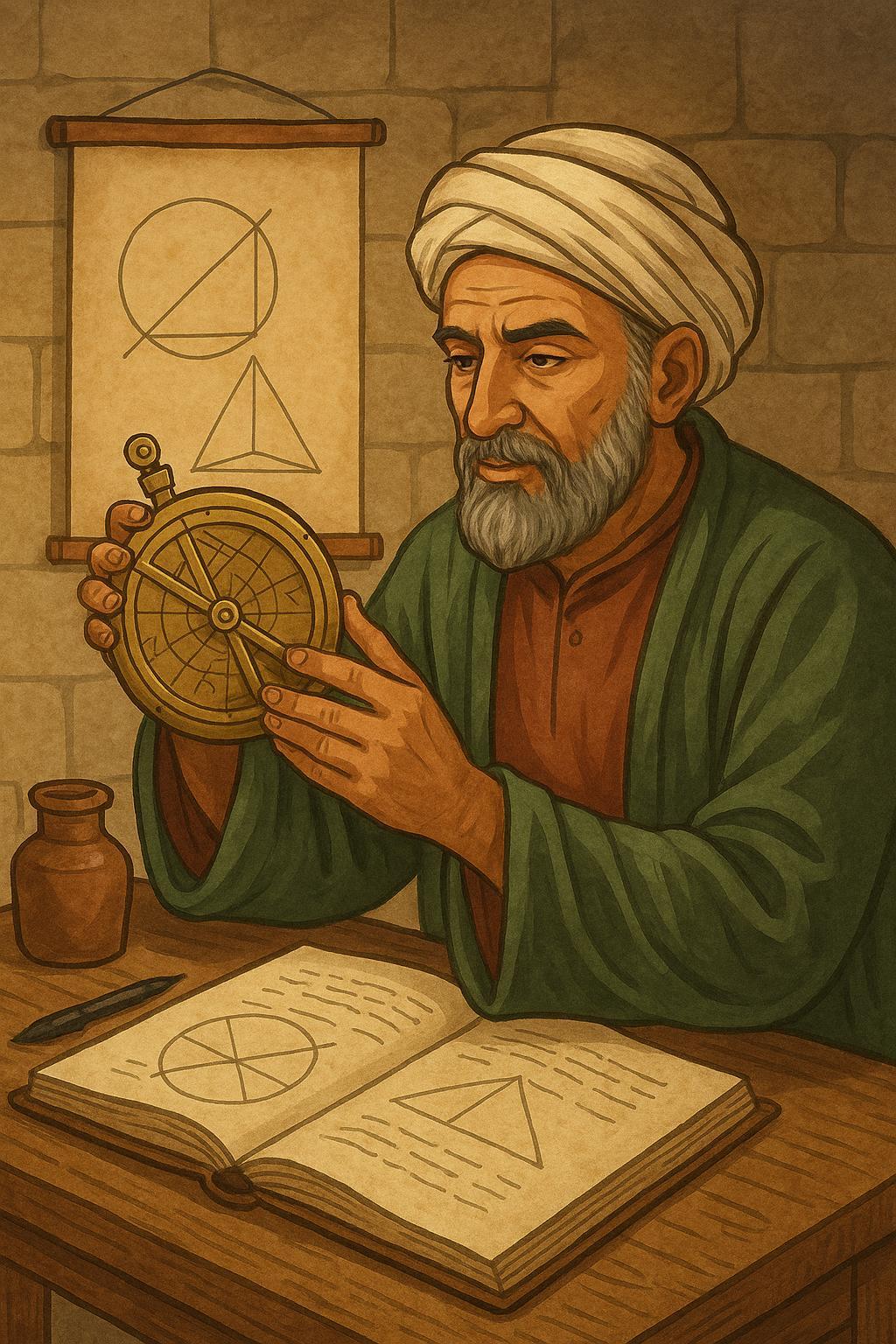
Who is Ibn al-Haytham?
Ibn al-Haytham, a renowned Muslim scientist, was born in 865 in the city of Basra, in present-day Iraq. His full name is Abu Ali al-Hasan ibn al-Hasan ibn al-Haytham. From an early age, he showed great interest in books and science. He studied topics such as light, the eye, vision, and optics, and is known for his groundbreaking work in these fields. 🏡 Early Life and Education Ibn al-Haytham was a curious child with a strong passion for learning. His family encouraged him to read and pursue kno
EN
Mustafa Cem İnci
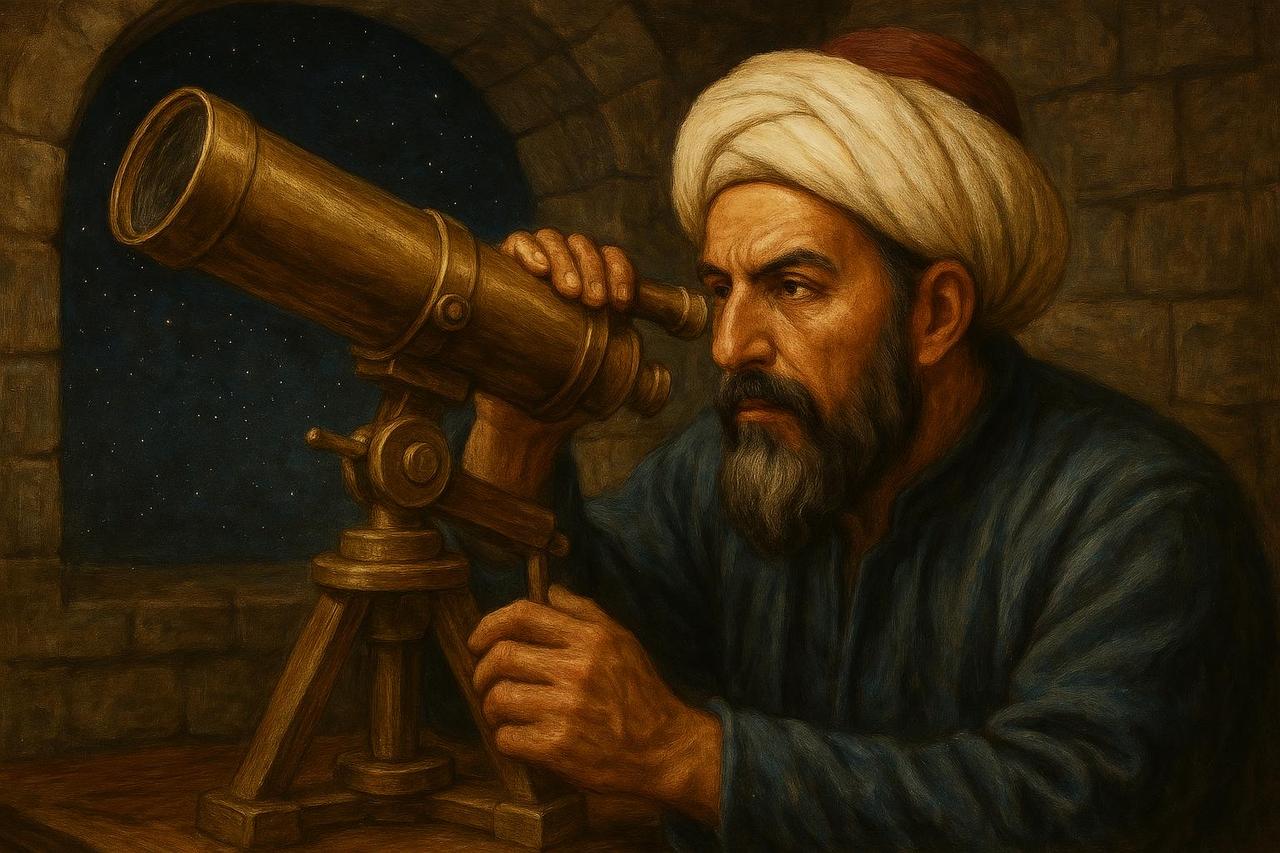
Takiyüddin
Takiyüddin was born in Damascus in 1526. While growing up there, he acquired religious knowledge and developed a keen interest in sciences such as mathematics and astronomy. He later received education in places like Cairo and Samarkand, which were centers of science and learning at the time. Takiyüddin was a highly diligent student and eventually moved to Istanbul. A Star House in Istanbul: The Rasathane With the support of Sultan Murad III, Takiyüddin established an rasathane in Istanbul in 15
EN
Elif Laçin
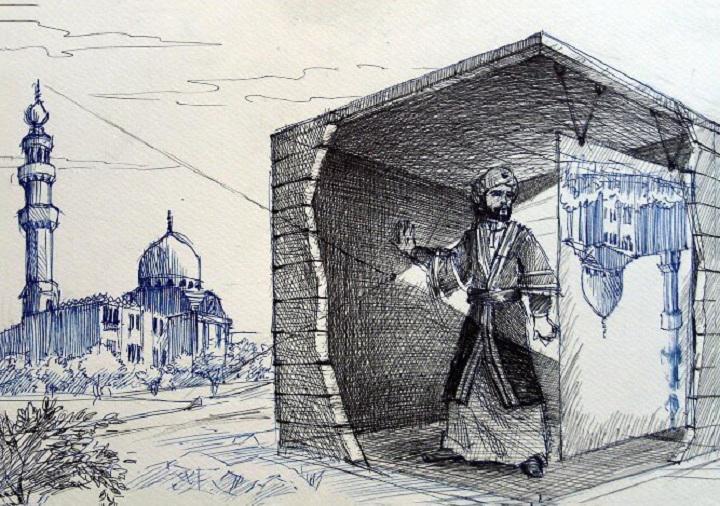
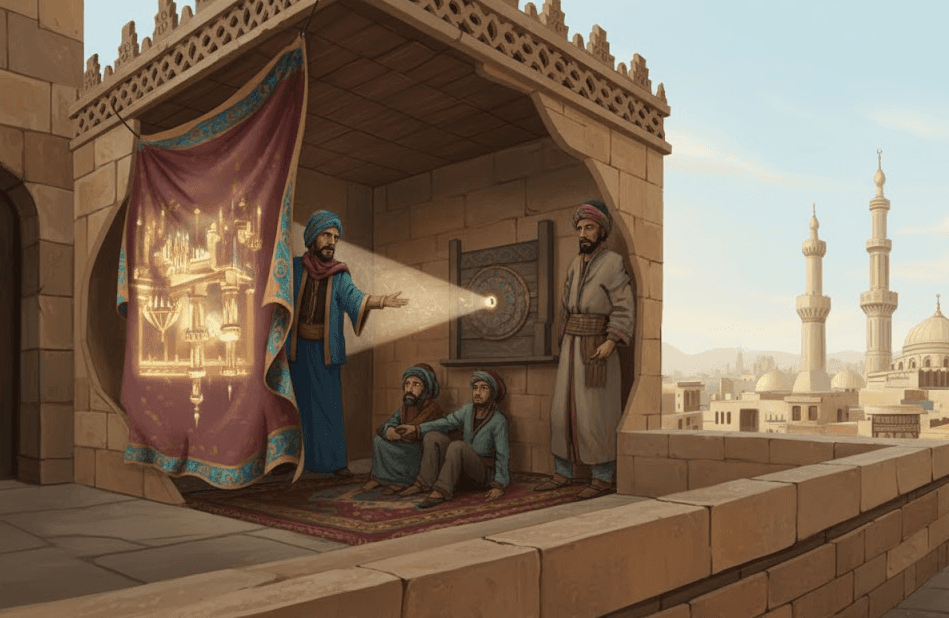
Ibn al-Haytham and His Dark Room Experiments
Ibn al-Haytham, a great scholar who emerged during the golden age of the Islamic world, is known in the West as "Alhazen." He made significant contributions to fields such as optics, physics, astronomy, and mathematics. He studied the phenomenon of vision and the behavior of light, making revolutionary discoveries in this area. His accomplishments paralleled the political and economic power of the era. Ibn al-Haytham is a prominent figure who successfully represented the scientific understanding
EN
Nazlı Kemerkaya
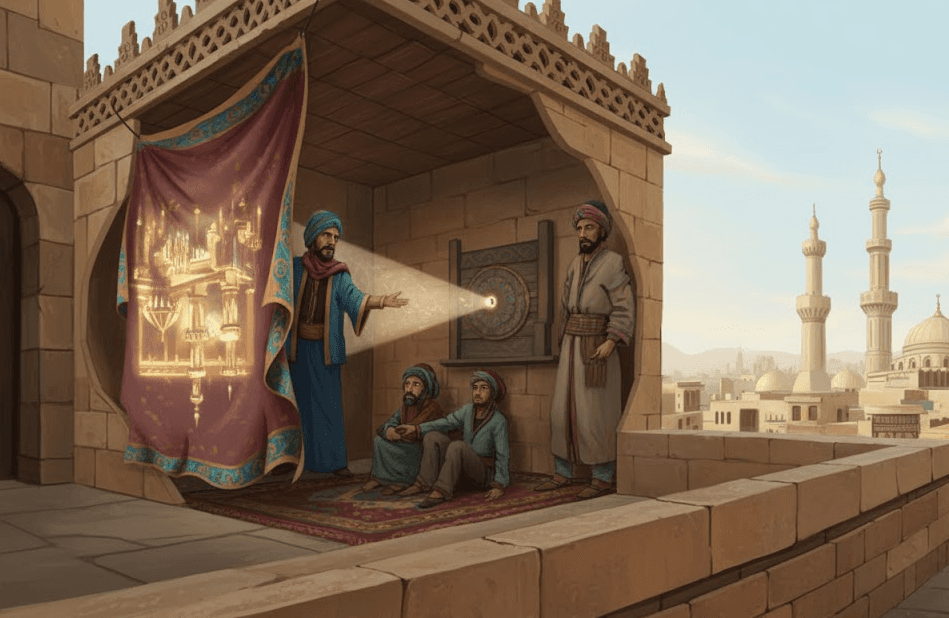
History of Optics
Optics, according to the Kubbealtı Lügatı Sözlüğü, is defined as "the branch of physics that studies light and phenomena related to light" . The earliest concepts of light were rooted in religious origins. For example, in Ancient Egypt, light was regarded as a divine power emanating from the eye of the god sun. Similarly, in the Bible, light is described as a created entity brought into existence by God on the first day of creation. In these sacred texts, light is associated with goodness, while
EN
Nihal Fırat Özdemir
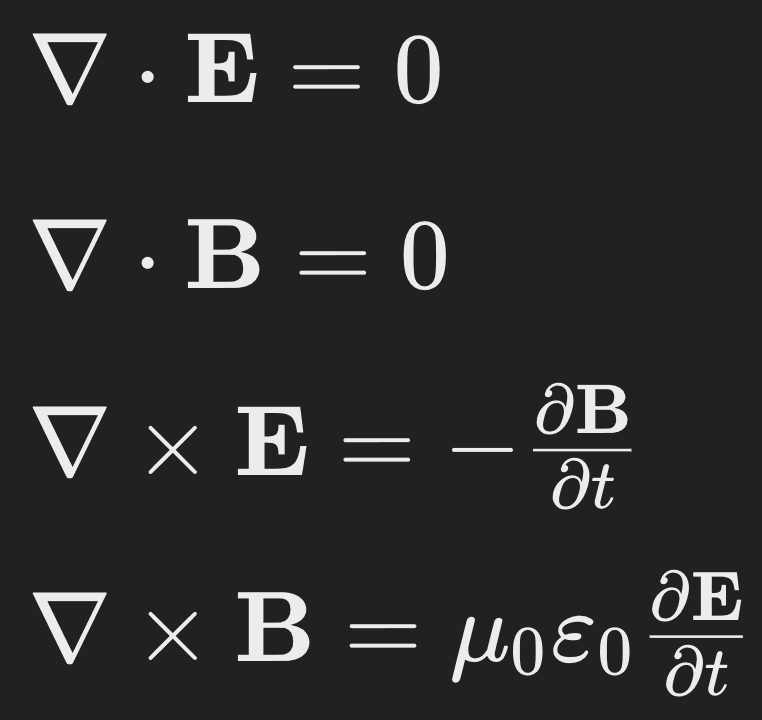
Optical Science
Optical is a broad field that studies the nature, propagation, interactions, and perception of light, and is one of the fundamental pillars of both classical and modern physics. The fact that light exhibits both wave and particle properties has rendered this field an exceptionally rich degree discipline in terms of theoretical modeling, experimental observations, and technological applications. Theories developed by Optical do not merely explain human visual perception; they also underpin advanc
EN
Ahmet Sünbül

What is a Periscope?
A periscope is an optical instrument used to observe the environment from behind obstacles or underwater. In a periscope, flat mirrors or prisms are placed at each end at a 45 degree angle inside a tube. This arrangement redirects light, allowing the user to observe an area that is not directly visible. In some advanced periscopes, lenses are also used to magnify the image. Generated by artificial intelligence History The first prototype of the periscope was developed in 1854 by French chemist H
EN
Melike Erol