

`obesity` Related Article Results

Obesity
Obesity is a chronic metabolic disorder characterized by abnormal or excessive accumulation of body fat. It results from a prolonged imbalance between energy intake and energy expenditure. Excess energy is stored in adipose tissue, leading to increased body weight. Obesity is not merely an aesthetic concern but also a risk factor for numerous chronic diseases. Epidemiology According to data from the World Health Organization (WHO), the prevalence of obesity has increased globally in recent years
EN
Nursena Güller
 Me
MeMediterranean Diet
The Mediterranean diet is a traditional pattern of eating adopted by countries bordering the Mediterranean Sea. It is rich in vegetables, fruits, whole grains, legumes, olive oil and fish, while featuring low consumption of red meat and saturated fats. Due to its positive health effects, it has attracted global attention and was recognized by UNESCO in 2010 as an Intangible Cultural Heritage of Humanity.Özer, Emine Rumeysa ve Kemal Kaan Tekinşen, “Akdeniz Diyeti ve Sağlık,” Akademik Et ve Süt Ku
EN
Semanur Polat

Dutch Hunger Winter
The Dutch Hunger Winter (Dutch Famine), was a severe nutritional crisis that affected the civilian population in western Netherlands from the winter months of 1944 through the spring of 1945, near the end of World War II. In this region under German occupation, daily food rations for adults were documented to have dropped as low as 400 to 800 calories.Tessa Roseboom, Susanne de Rooij ve Rebecca Painter, “The Dutch Famine and Its Long-Term Consequences for Adult Health,” Early Human Development 8
EN
Emine Nur ERDEM
OsOsteoarthritis and Obesity
Osteoarthritis (OA) is a chronic disease characterized by the progressive degeneration of joint cartilage and structural changes within the joint. This disease, commonly observed in older populations, restricts joint function and causes pain in affected individuals. Globally, a significant proportion of individuals over the age of 65 age experience pain and loss of joint mobility due to osteoarthritis. Obesity is a condition defined by excessive accumulation of body fat and is a significant risk
EN
Sedanur Bayrak
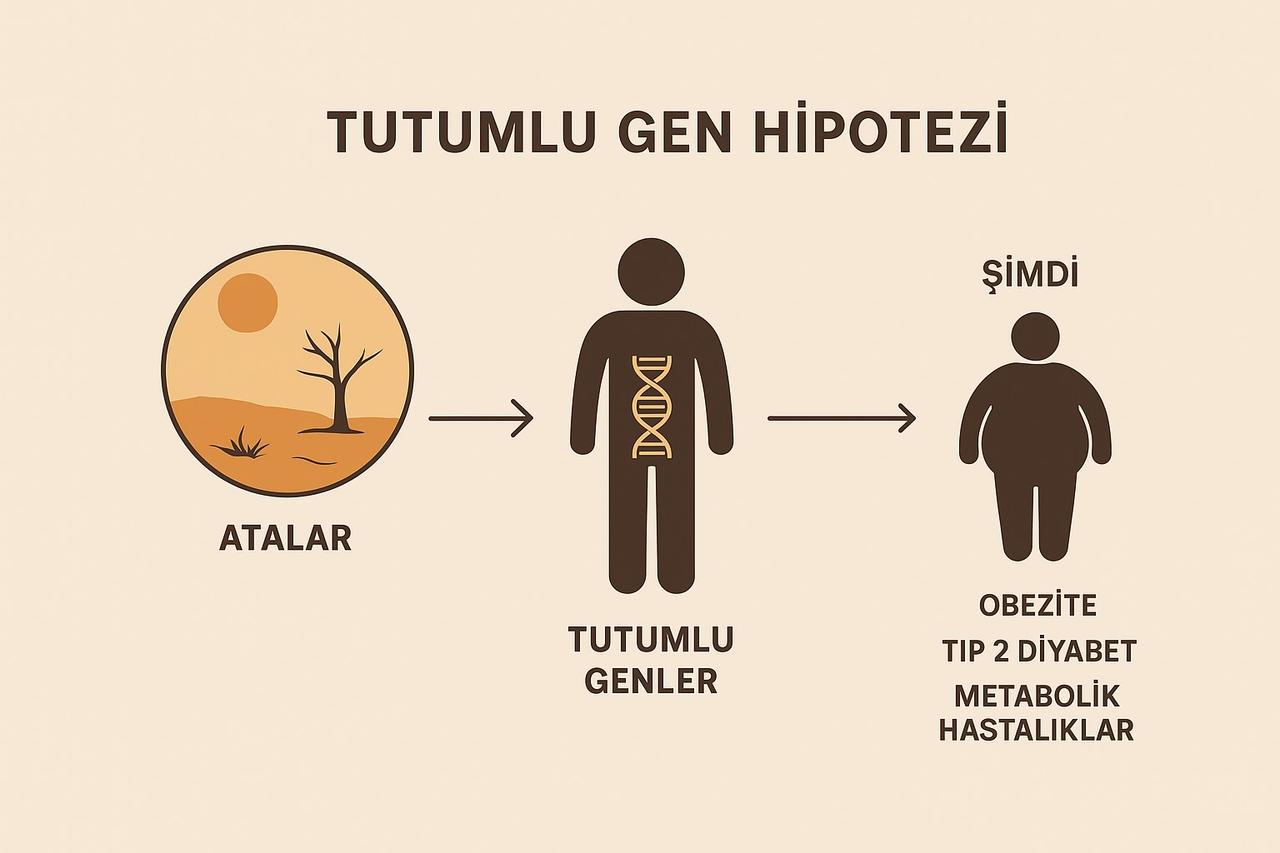
Conservative Gen Hypothesis
Thrifty Gene Hypothesis is a biological model that attributes the susceptibility to obesity and type 2 diabetes in modern human populations to evolutionary adaptations. It was first introduced in 1962 by American geneticist James V. Neel to explain the evolutionary basis of diabetes.Layla Brassington vd., “Integrating the Thrifty Genotype and Evolutionary Mismatch Hypotheses to Understand Variation in Cardiometabolic Disease Risk,” Evolution, Medicine, and Public Health 12, no. 1 (2024): 214, er
ENEmine Nur ERDEM
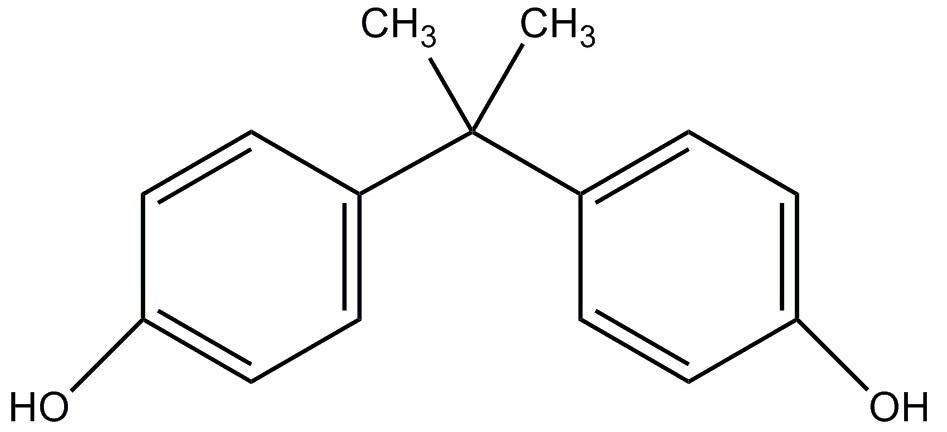
Bisphenol A (BPA)
Bisphenol A (BPA) is a synthetic organic compound widely used in modern industry, serving as the primary monomer in the production of polycarbonate plastics and epoxy resins. With the chemical formula (CH3)2C(C6H4OH)2, BPA belongs to the class of diphenylmethane derivatives known as bisphenols, containing two hydroxyphenyl groups. BPA was first synthesized in 1891 by Russian chemist Aleksandr P. Dianin. This synthesis was achieved through the condensation of phenol with acetone in the presence o
EN
Emine Nur ERDEM

Law of Metabolism
The Metabo Law is a public health policy that came into effect in 2008 in Japan and was known by this name between people. This regulation, implemented by the Ministry of Health, Work and Welfare, aims primarily to prevent metabolic syndrome through early detection. Under law, individuals aged 40 to 74 age are required to undergo annual health screenings, with waist circumference measurements serving as a key indicator. Upper limits have been set at 85 cm for men and 90 cm for women; individuals
EN
Onur Çolak
WoWorld Obesity Day
World Obesity Day is an international special day celebrated every year on March 4. This day aims to raise awareness among individuals, society and decision-makers about combating and preventing obesity. Obesity (Anadolu Ajansı) " image-element-format="right" image-source="https://cdn.t3pedia.org/media/uploads/2025/10/19/l38lepF3ExoAhHIbwo1GDX5QxVlnjHQo.jpg"> Purpose The primary goal of World Obesity Day is to raise awareness about obesity and excess weight in society, promote healthy lifesty
ENNursena Güller
MeMediterranean Diet
The Mediterranean diet is a traditional eating pattern adopted by countries bordering the Mediterranean Sea nutrition. It is rich in vegetables, fruit, complete whole grains, legumes, olive oil and fish, while featuring low consumption of red meat and saturated fats. Due to its positive health effects, it has attracted widespread attention world and was recognized by UNESCO in 2010 as an Intangible Cultural Heritage of Humanity Concrete.Özer, Emine Rumeysa and Kemal Kaan Tekinşen, “Mediterranean
EN
Semanur Polat

Dutch Hunger Winter
Dutch Famine (Hunger Winter), a severe nutritional crisis that affected the civilian population in western Netherlands from the winter months of 1944 through the spring of 1945 during the final stages of World War II. In this region under German occupation, daily food rations for adults were documented to have dropped to between 400 and 800 calories.Tessa Roseboom, Susanne de Rooij ve Rebecca Painter, “The Dutch Famine and Its Long-Term Consequences for Adult Health,” Early Human Development 82,
ENEmine Nur ERDEM