

`nebula` Related Article Results
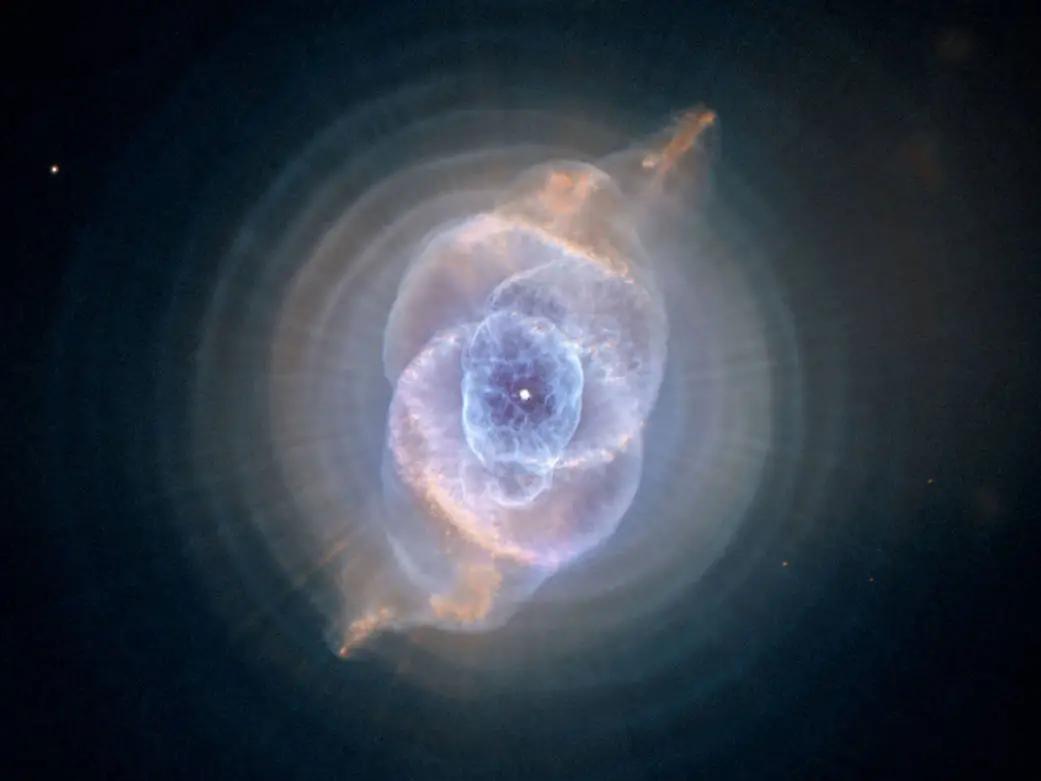
Cat's Eye Nebula
The Cat’s Eye Nebula (NGC 6543) is a planetary nebula located approximately 3,300 light-years from Earth in the constellation Draco. It is renowned for its highly complex structure. Image of the Cat’s Eye Nebula generated by Artificial Intelligence. " image-element-format="right" image-source="https://cdn.t3pedia.org/media/uploads/2025/04/25/SYxr8kam7KxCq13VL7MeQbOEfCHpsWh3.png"> First discovered in 1786 by William Herschel, this nebula has attracted significant scientific interest due to hig
EN
Osman Özbay
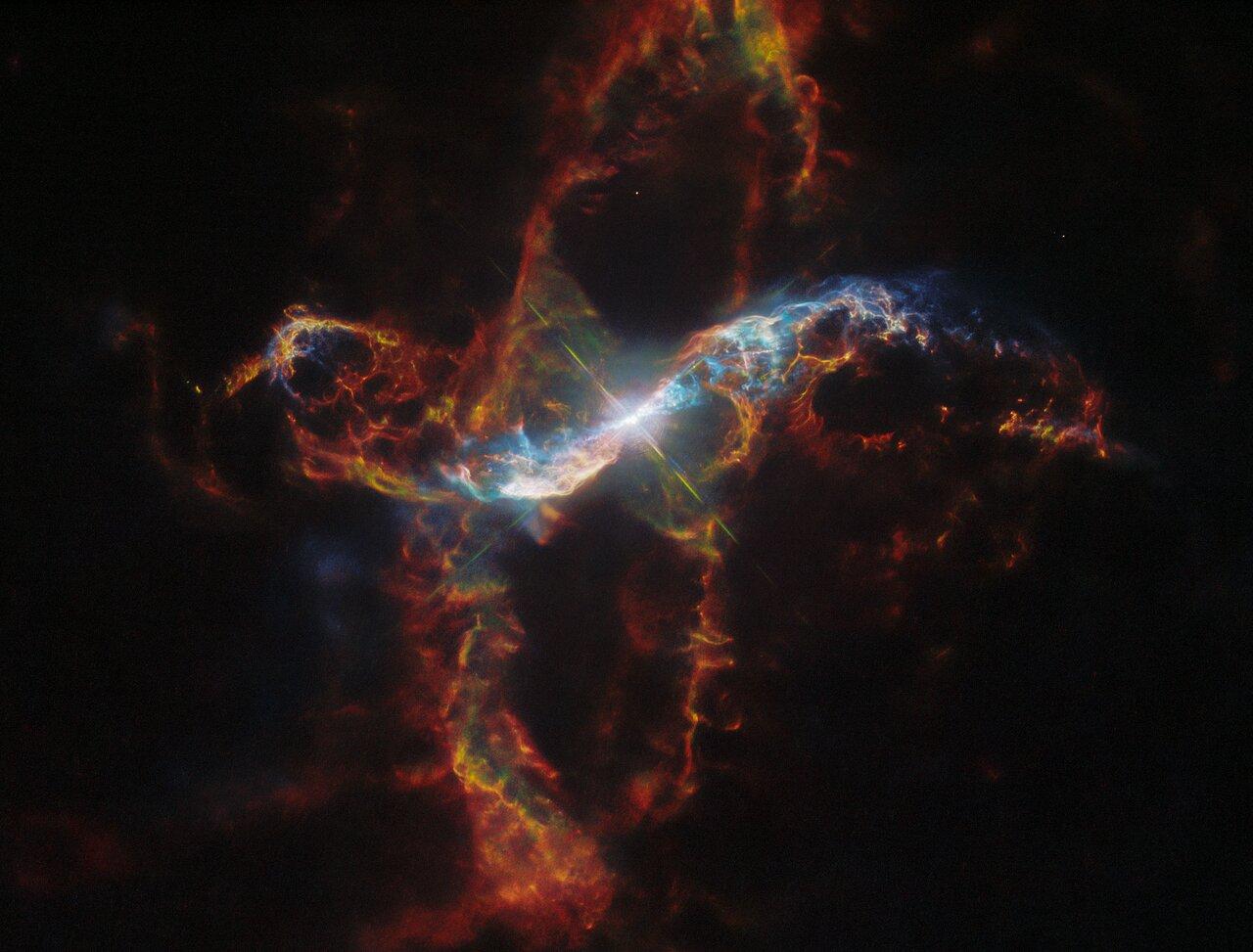
R Aqr Star System
R Aquarii (R Aqr) is a symbiotic binary star system located approximately 710 light years away, observed in the direction of the constellation Aquarius. The system consists of a Mira variable star that has reached the red giant phase and a white dwarf that is accreting mass from its companion. In terms of both physical and dynamic interactions, R Aqr is an important observational target for astronomers. Particularly notable for its material interactions, neutral gas emissions, and complex surrou
EN
Sümeyye Akkanat Terzioğlu
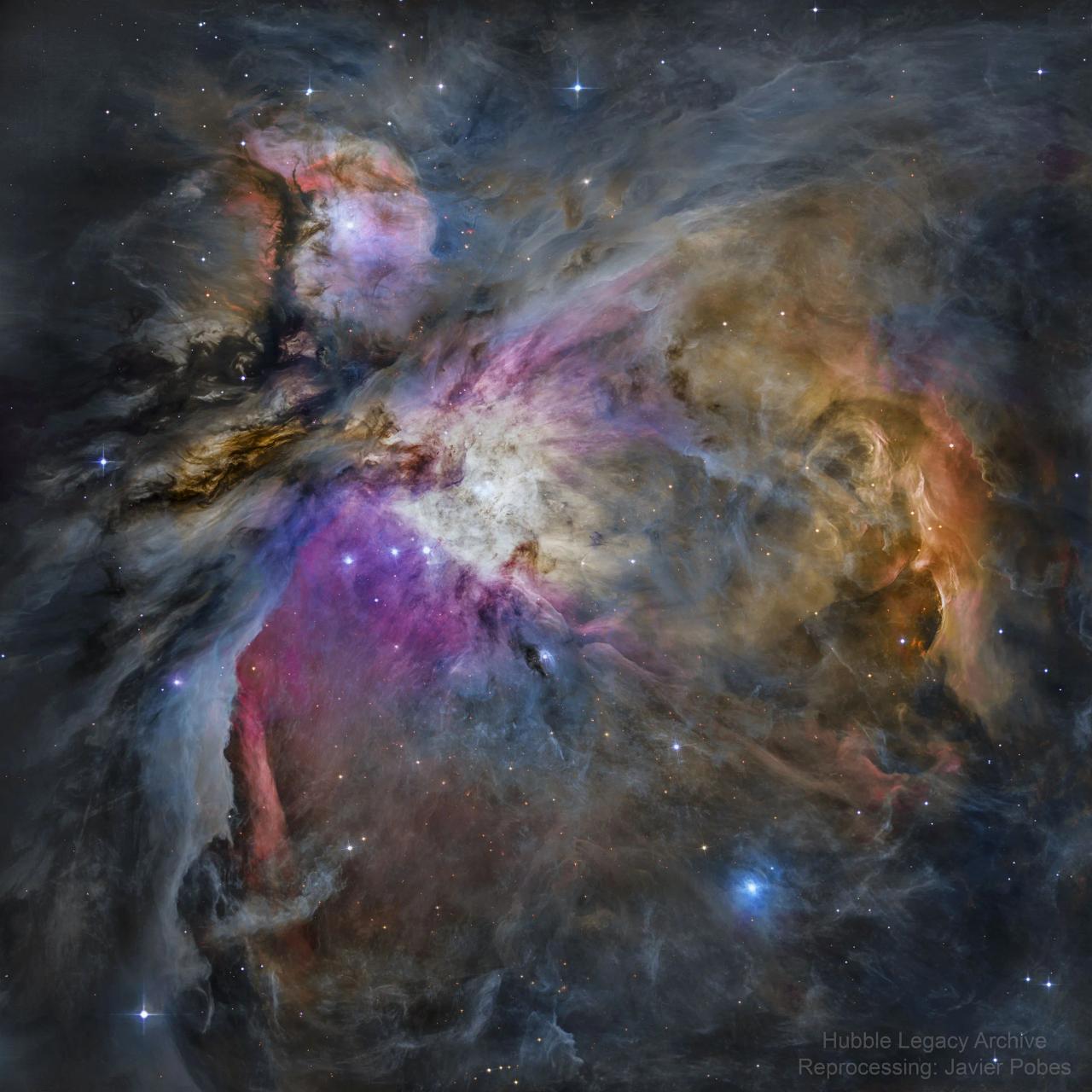
Avcı Bulutsusu (M42)
The Orion Nebula (or its scientific name, Messier 42, abbreviated as M42) is a large and bright diffuse nebula located in the constellation Orion. This nebula is approximately 1344 light years from Earth and is one of the brightest nebulae visible to the naked eye in the night sky. With a width of about 24 light years, the Orion Nebula is regarded as one of the best-known regions of star formation in the sky. Observational History Even before the invention of the telescope, the Orion Nebula was
EN
Ahmet Şorsu
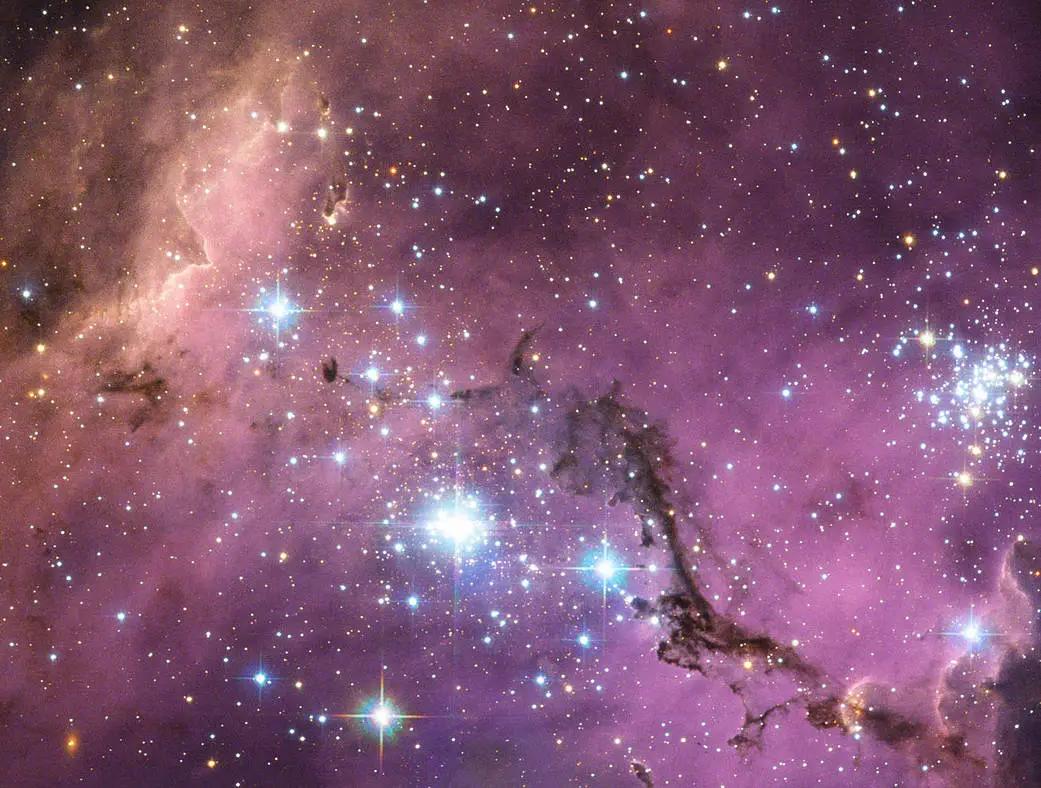
Large Magellanic Cloud (LMC)
The Large Magellanic Cloud (LMC) is one of the closest neighbors of the Milky Way Galaxy and is classified as an irregular dwarf galaxy. This celestial body, which can be observed with the naked eye from the Southern Hemisphere, is a satellite of the Milky Way. Considered a critical target for astronomical observations and cosmological modeling, the LMC occupies a significant place in astrophysical research with its various structures such as star-forming regions, globular clusters, and supernov
ENOsman Özbay
 Or
OrOrion Constellation
Orion Constellation is a constellation easily recognizable in the night sky, composed of bright stars. It derives its name from Orion, the great hunter of Greek mythology, and is therefore also known as the Hunter Constellation. Orion lies near the celestial equator and is visible from both the Northern and Southern Hemispheres across the globe. This constellation is clearly visible from both hemispheres, especially during winter months. It holds great significance both scientifically and mythol
ENOsman Özbay
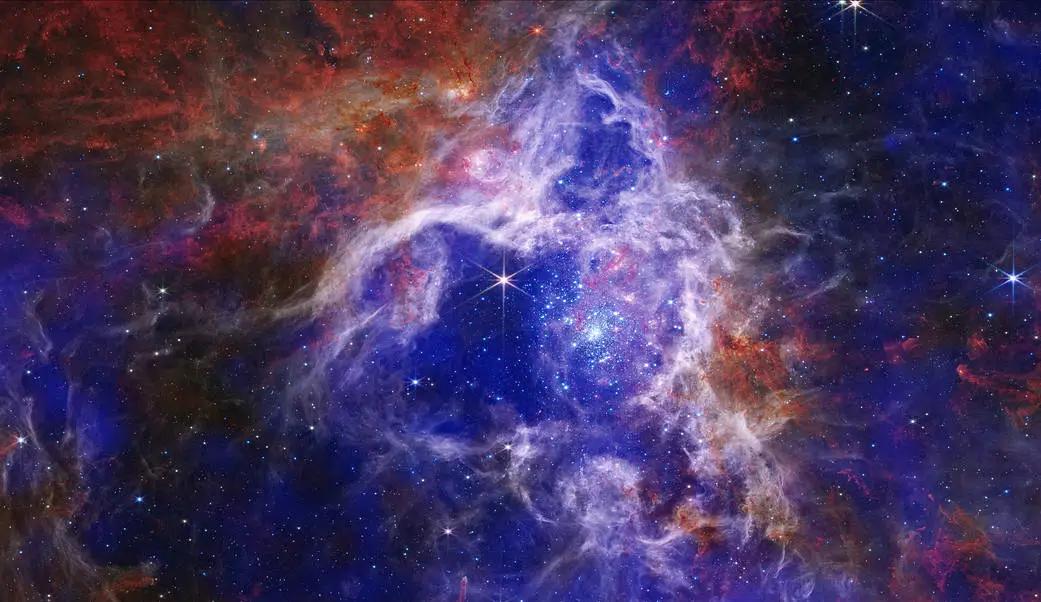
Tarantula Nebula (30 Doradus)
Tarantula Nebula (30 Doradus) is one of the largest star-forming regions within the Large Magellanic Cloud (LMC), a satellite of the Milky Way. Scientifically designated as 30 Doradus, this structure is classified as an H II region, where intense star formation is observed. This complex structure, approximately 1,000 light-years in diameter, contains dense clouds of gas and dust, newly formed stars, supernova remnants, and numerous young star clusters. Location and General Characteristics The Ta
ENOsman Özbay
R Aqr Yıldız Sistemi
R Aquarii (R Aqr), yaklaşık 710 ışık yılı uzaklıkta yer alan ve su takımyıldızı (Aquarius) yönünde gözlemlenen simbiyotik bir çift yıldız sistemidir. Sistem, kırmızı dev evresine ulaşmış bir Mira değişkeni ile ona kütle kaybeden bir beyaz cüceden oluşmaktadır. Bu yapı itibarıyla R Aqr, hem fiziksel hem de dinamik etkileşimler açısından gökbilimciler için önemli bir gözlem hedefidir. Özellikle, maddesel etkileşimleri, nötral gaz salımları ve çevresindeki karmaşık nebula yapısı bakımından dikkat ç
TRSümeyye Akkanat Terzioğlu