

`narrative` Related Article Results
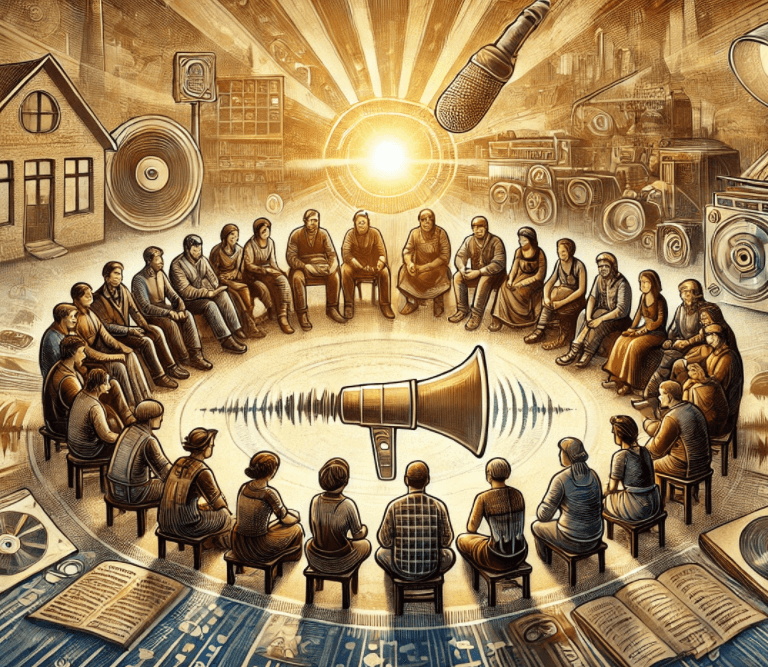
Oral History
Oral history is a method and discipline that plays a central role in interpreting history by capturing individuals’ personal experiences and memories through first-hand accounts. It goes beyond the limitations of written sources by focusing on social memory, individual narratives, and the stories of groups previously overlooked. This approach enriches historical writing by enabling historians to understand the past not only through documents but also through the emotional and social contexts of
EN
Mehmet Salih Çoban
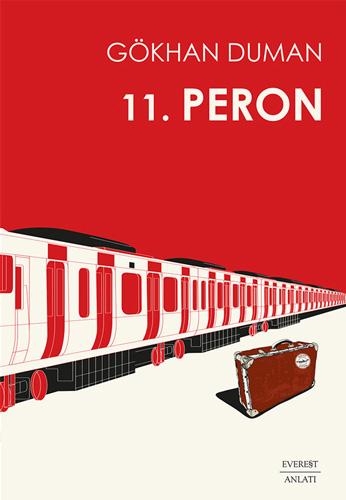
11. Platform (Book)
11. Peron, written by Gökhan Duman and first published in 2018, recounts the experiences of workers and their families who migrated from Anatolia to Europe following Germany’s decision in 1961 to begin accepting laborers from Türkiye. Content The narrative centers on the story of İbrahim and his family, who travel to Germany in search of a better life place. İbrahim’s journey, which begins at Sirkeci Station, ends on the 11th platform in Munich, yet this physical voyage also marks the beginning
EN
Mediha Sümeyye Kara
 Ph
PhPhilosophy of Cinema
Philosophy of cinema is an interdisciplinary field that examines the nature of cinematic art, its modes of expression, ontological structure, and its relationship with the viewer through a philosophical perspective. This field addresses both the philosophical questioning of cinema and the investigation of whether philosophical questions can be expressed through film. Philosophy of cinema is shaped around two primary approaches: philosophy *about* film (philosophy of film) and the evaluation of f
EN
Aslı Öncan
ThThe Poetry Language of Turgut Uyar
Turgut Uyar, as one of the most important representatives of Turk poetry, has not only introduced linguistic innovations in his poems but also given space to profound thematic layers. Particularly as a major figure of the Second New movement, Uyar explores themes such as the inner contradictions of the individual, alienation brought by modernity, and the unrest caused by urbanization, while simultaneously developing diverse narrative forms around these themes. Turgut Uyar (GZT) " image-element-f
EN
Sümeyra Uzun
ThThe Poetry Language of Turgut Uyar
Turgut Uyar, Turkish is one of the most prominent representatives of the important movement, whose poetry offers not only linguistic innovation but also profound thematic layers. place In particular, as a major figure of the İkinci Yeni movement, Uyar explores themes such as the inner contradictions of the individual, alienation brought by modernity, and the unrest generated by urbanization, while simultaneously developing diverse narrative forms around these themes. Turgut Uyar (GZT) " image-al
EN
Sümeyra Uzun

To Be the Poet of a Story
Is it possible to be a the story's poet? Historiography is often presented as a regular response to the question “what happened?” Documents are found, events are ordered, people and dates are placed in their proper context. This framework is not entirely wrong; but it is incomplete. Because historical text is not merely a conduit for information. We cannot access the past directly; the past reaches us mostly through texts, records, labels, and other media. Therefore, just as much as the “event,”
ENMehmet Salih Çoban
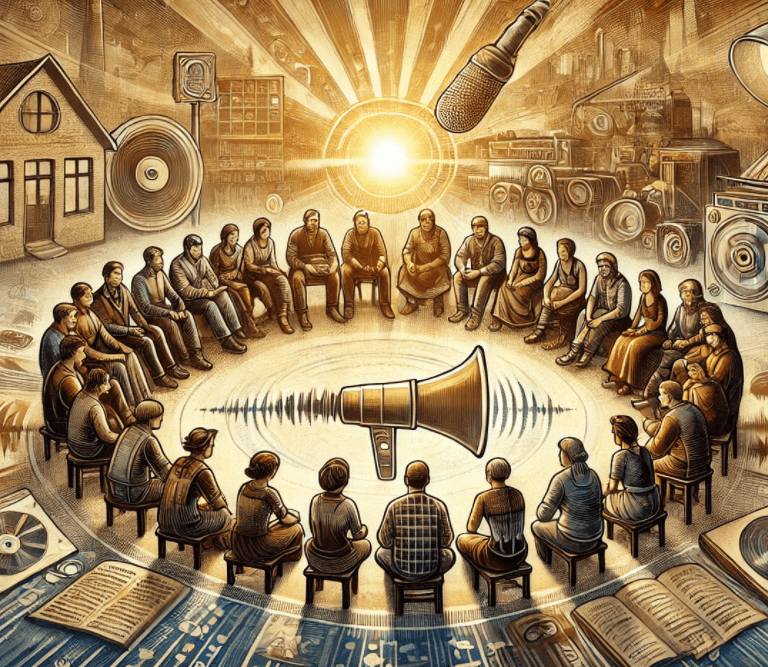
Oral History
Oral history is a method and discipline that plays a central role in interpreting the past by capturing individuals’ personal experiences and memories through first-hand accounts. It goes beyond the limitations of written sources by focusing on social memory, individual narratives, and the stories of groups previously overlooked. Modern historiography benefits from this approach, which adds interdisciplinary richness and enables historians to understand the past not only through documents but al
EN
Mehmet Salih Çoban

To Be the Poet of a Story
Is it possible to be the poet of a story? Historiography is often presented as a structured answer to the question “what happened?” Documents are found, events are ordered, individuals and dates are placed in their proper context. This framework is not entirely wrong; but it is incomplete. For history is not merely a conduit for information. We cannot access the past directly; the past reaches us mostly through texts, records, labels, and other mediating tools. Therefore, in historiography, lang
ENMehmet Salih Çoban