

`musiki` Related Article Results
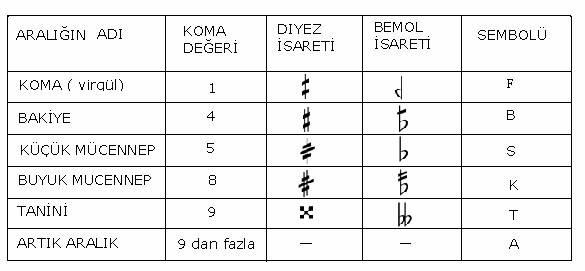
MAKAMS IN TURKISH MUSIC
TURKISH MUSIC TONE SYSTEM Turkish The Turkish music system is composed of the union of nine equal parts known as a complete binary December. Each of these small parts is called a koma. The 1st, 4th, 5th, 8th, and 9th komal intervals are used to form the distinctive structure of Turkish music. BINARY INTERVALS AND ALTERATION SYMBOLS IN TURKISH MUSIC Each interval unique to Turkish music has a specific name and a corresponding symbol represented by letters. TURKISH MUSIC SYSTEM AND BINARY INTERVAL
EN
Cemal Ayçiçek
Kazancı Bedih
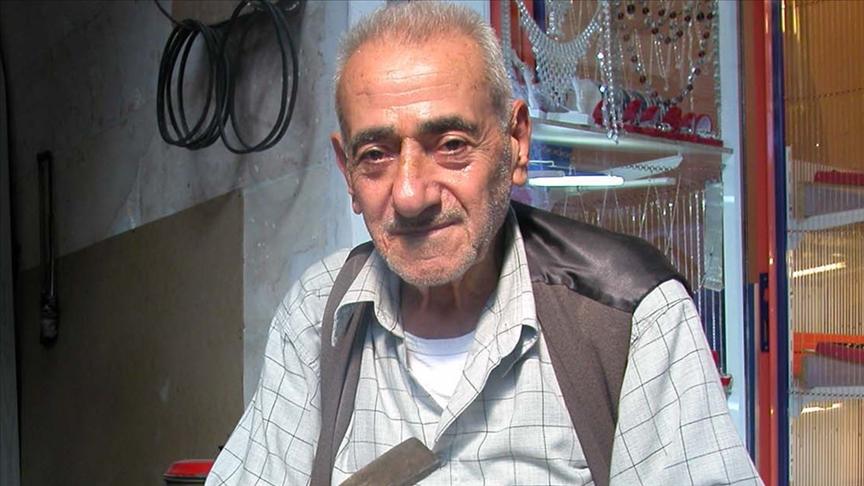
One of the prominent representatives of Şanlıurfa’s musical tradition, Kazancı Bedih (Bedih Yoluk) was a folk artist renowned in the second half of the 20th century particularly for his performances of sıralı geceler and gazel recitations. Born Bedih Yoluk, the artist contributed significantly over many years to the preservation and intergenerational transmission of traditional music in the city where he lived. The nickname “Kazancı” derives from his father’s profession as a kazancı and eventual
EN
Sevgi Kıraç
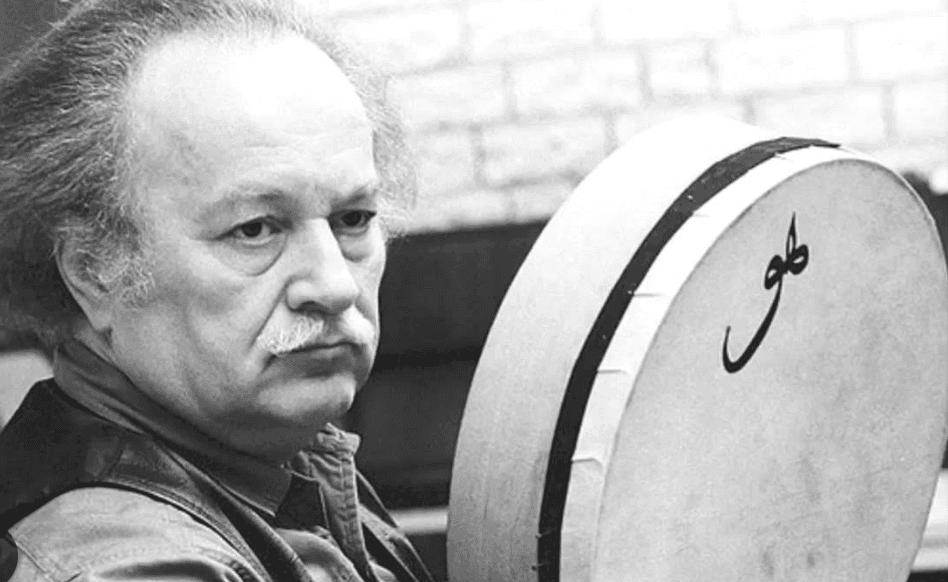
Nezih Uzel
Life Nezih Uzel was born in 1938 in the Mudanya district of Bursa. His father was a veteran of the Çanakkale War and a physician, belonging to the Hocazâdeler family of Shumna. Doctor Mehmet Muhlis Lord, who graduated in 1915 from the Haydarpaşa Imperial Medical School and Gülhane Military Medical School, supported his family by practicing as a civilian physician after his military service. His mother was Hacer İhsan Hanım, daughter of Hüseyin Hüsnü Efendi, imam of Sarıgüzel Camii, who had recei
EN
Burak Enes
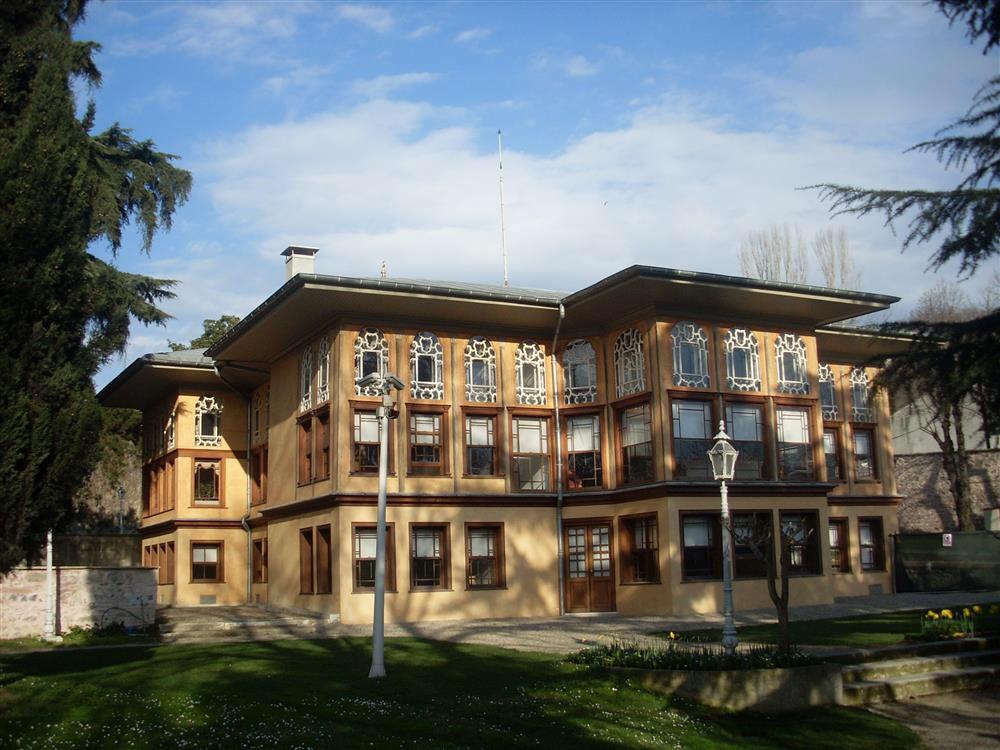
Final Memory from the Tersane Palace: Aynalıkavak Pavilion
Since the 17th century, the structure adorning the shores of the Golden Horn and known today as the Aynalıkavak Kasrı, is the fourth largest palace in Istanbul after the Dolmabahçe Topkapı and Üsküdar palaces of the Ottoman Empire. Due to its location near the shipyard, this structure was also known as the Tersane Sarayı; only the Aynalıkavak Kasrı has survived to the present day. Historical sources indicate that the palace grounds situated above the grove, believed to have served as a resting a
EN
Rahime Öksüz
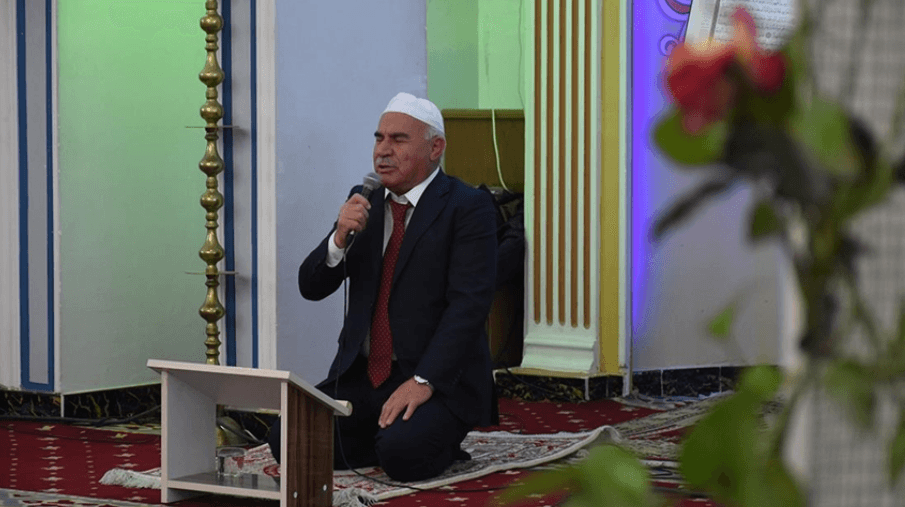
İsmail Coşar
İsmail Coşar has become one of the most prominent figures in Türkiye’s religious life in terms of voice, interpretation, and representation. Throughout his life, he fulfilled the roles of hafız, muezzin, and imam-hatip. Over a service period exceeding half a century, he established a broad influence not only through his recitation of the Qur’an and performance of mevlit but also through his close association with state protocol and his presence at funeral ceremonies for martyrs. İsmail Coşar - Y
EN
Burak Enes
İsmail Coşar
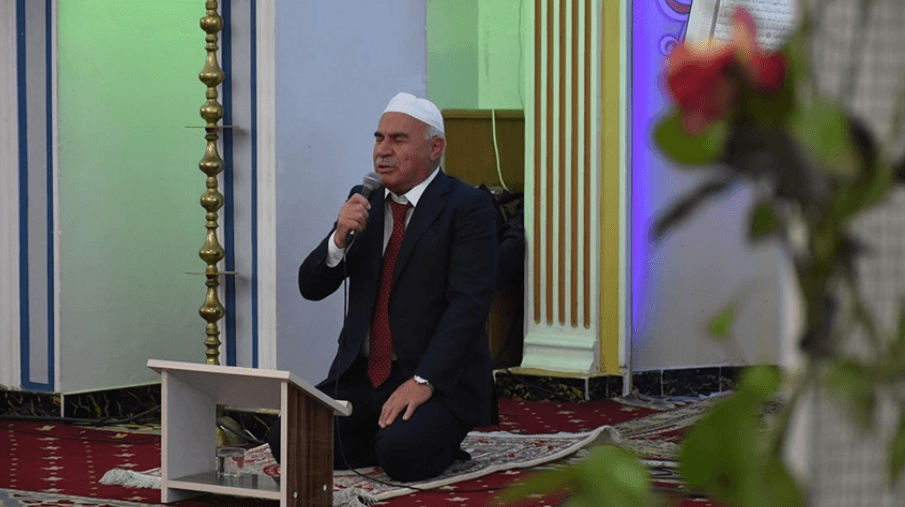
İsmail Coşar has become one of the most prominent figures in Türkiye’s religious life in terms of voice, interpretation, and representation. Throughout his life, he fulfilled the roles of hafız, muezzin, and imam-hatip. Over a service period exceeding half a century, he made a broad impact not only through his recitation of the Qur’an and performance of mevlit but also through his close association with state protocol and his presence at funeral ceremonies for martyrs. Childhood and Hafız Traini
ENBurak Enes
Affet İsyanım Benim
Gecenin en koyu yerinde, takvimin yaprakları sessizce birbirine çarparken, zihnimde eski bir ilahinin yankısı dolaşıyor: "Defterim doldu siyâh, amelim tekmil günâh... Sensin kuluna penâh, meded amân Allahım." Bu satırlar sadece bir pişmanlık beyanı değil, aslında bir ruhun en maskesiz haliyle aynaya bakmasıdır. Ramazan sonrası başlayan günlerin ilk haftalarında, kendimizi o aynanın karşısında, elimizde nasıl defterle durduğumuzun muhasebesini yapmalıyız. Ramazan Okulu'nu nasıl geçirdik, gelecek
TR
Gözde Cabadak
İsmail Coşar
İsmail Coşar, Türkiye'de dinî hayatın ses, yorum ve temsil bakımından öne çıkan isimlerinden biri olmuştur. Hayatı boyunca hafızlık, müezzinlik ve imam hatiplik görevlerini yerine getirmiştir. Yarım asrı aşan hizmet süresinde yalnızca Kur’an okuyuşu ve mevlit icrası ile değil, aynı zamanda devlet protokolüne yakınlığı ve şehit cenazelerindeki varlığı ile de geniş bir etki alanı oluşturmuştur. İsmail Coşar - Yetmez mi Gönül Bir Aşk Uğruna Yıllarca Süründün (Youtube - Video Time) " youtube-video-e
TRBurak Enes
İsmail Doruk (Bülbül Hoca)
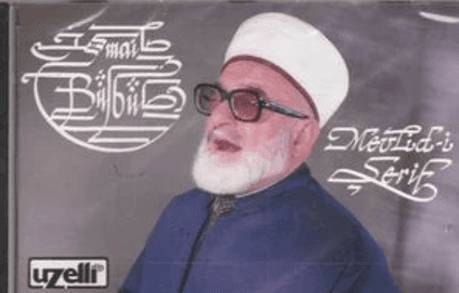
1929 yılında Eskişehir’de dünyaya gelen İsmail Doruk, Türk Din Mûsikîsi sahasında özellikle kaside formundaki icralarıyla tanınmış bir icracı, kasidehan ve mevlidhandır. Kamuoyunda “Bülbül Hoca” lakabıyla anılmış, özellikle 1970’li ve 1980’li yıllarda yaptığı kaside okumalarıyla Türkiye genelinde tanınmıştır. Mevlid, ilahi ve kaside türlerindeki sesiyle dinleyici ile Allah arasında rabıta kurmayı hedeflemiş, bu yönüyle hem geleneksel hem de modern medya ortamlarında iz bırakan bir sanatkâr olara
TRBurak Enes
Can Bula Cananını
Can Bula Cananını, Türk sözlü geleneğinde yer alan bir dinî-tasavvufî metin olup “Can bula cananını / Bayram o bayram ola / Kul bula sultanını / Bayram o bayram ola” dizeleriyle tanınır ve eser içinde kulun affa erişmesi ile bayram sevincinin ilişkilendirildiği bir anlatım sunar. Metin ve İçerik Özellikleri Eserde geçen dizelerde “Mevlâ bizi afv ede / Gör ne güzel ıyd ola / Cürm ü hatâlar gide / Bayram o bayram ola” ifadeleri yer almakta; bu bölümlerde günahların bağışlanması ile bayram sevincin
TRAkın Akçelik