

`mongolia` Related Article Results
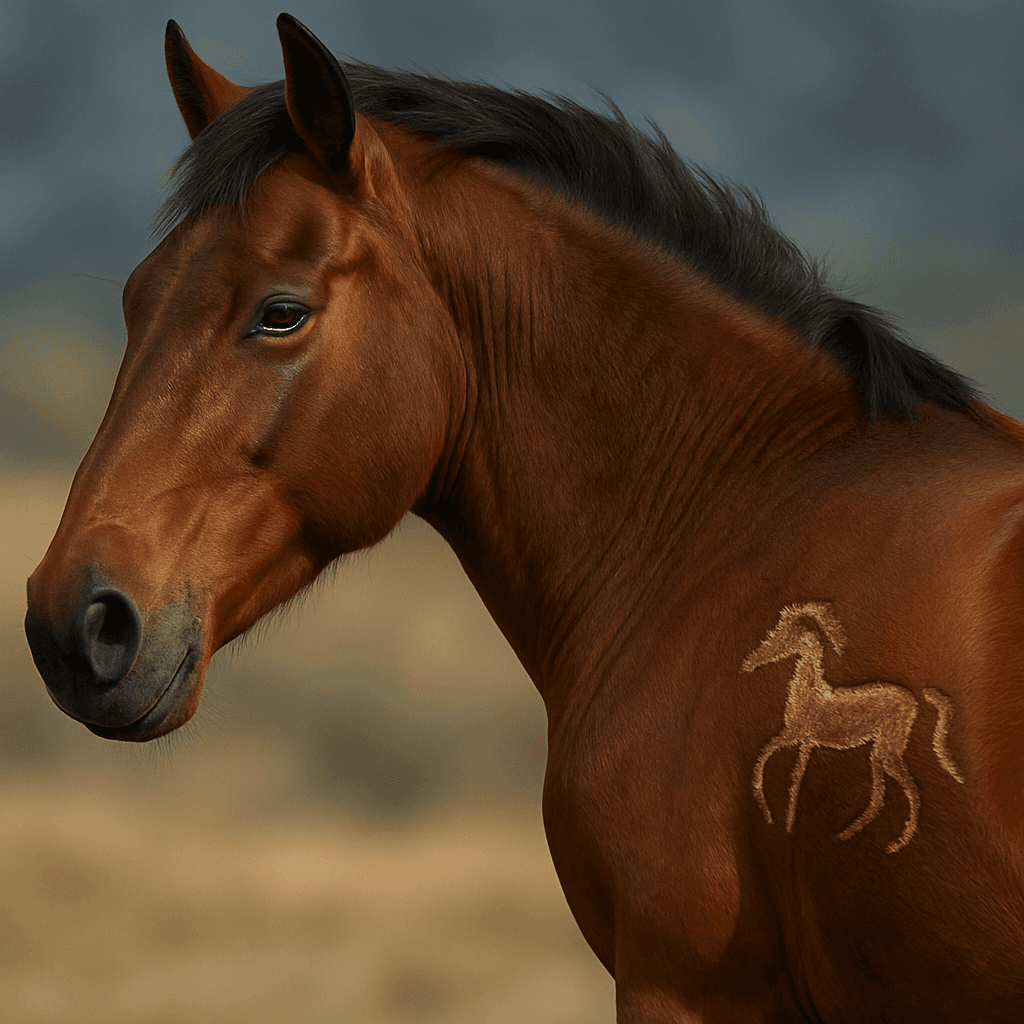
The Tradition of Horse Branding in Mongolian Culture
Branding tradition is a practice used as historical to identify horse ownership and trace bloodlines. This tradition has taken various forms across different cultures and has become an integral part of cultural identity, social structures and economic activities of communities. In Turkish and Mongol cultures, at branding is a key element used to determine a horse’s gender, age, owner and sometimes its value. Mongols this practice typically involves branding horses with a hot iron from foalhood o
EN
Hümeyra Yılmaz
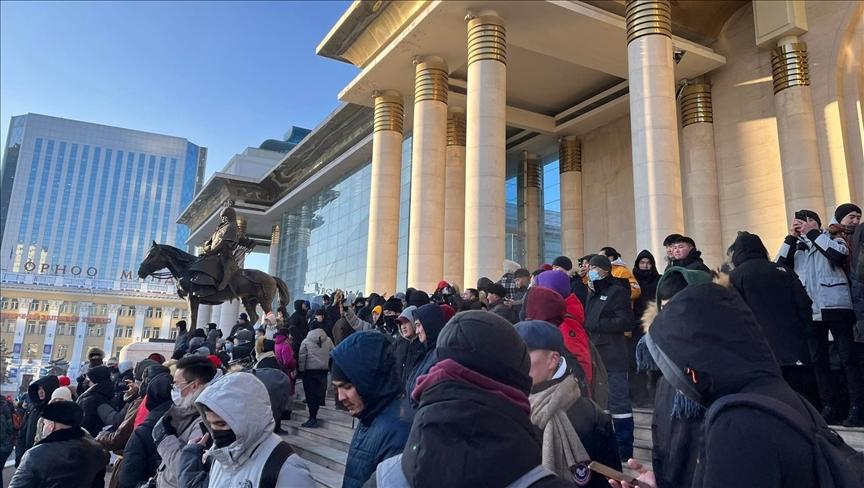
2025 Mongolia Protests
The Mongolia Protests (2025) were mass demonstrations held in May 2025 demanding transparency accountability and an end to corruption from government officials. The protests began after images allegedly belonging to the son of Prime Minister Luvsannamsrain Oyun-Erdene were circulated on social media. The demonstrations grew nationwide fueled by economic grievances. The process culminated in Prime Minister Oyun-Erdene failing to secure a vote of confidence and subsequently resigning from office.
EN
Edanur Karakoç
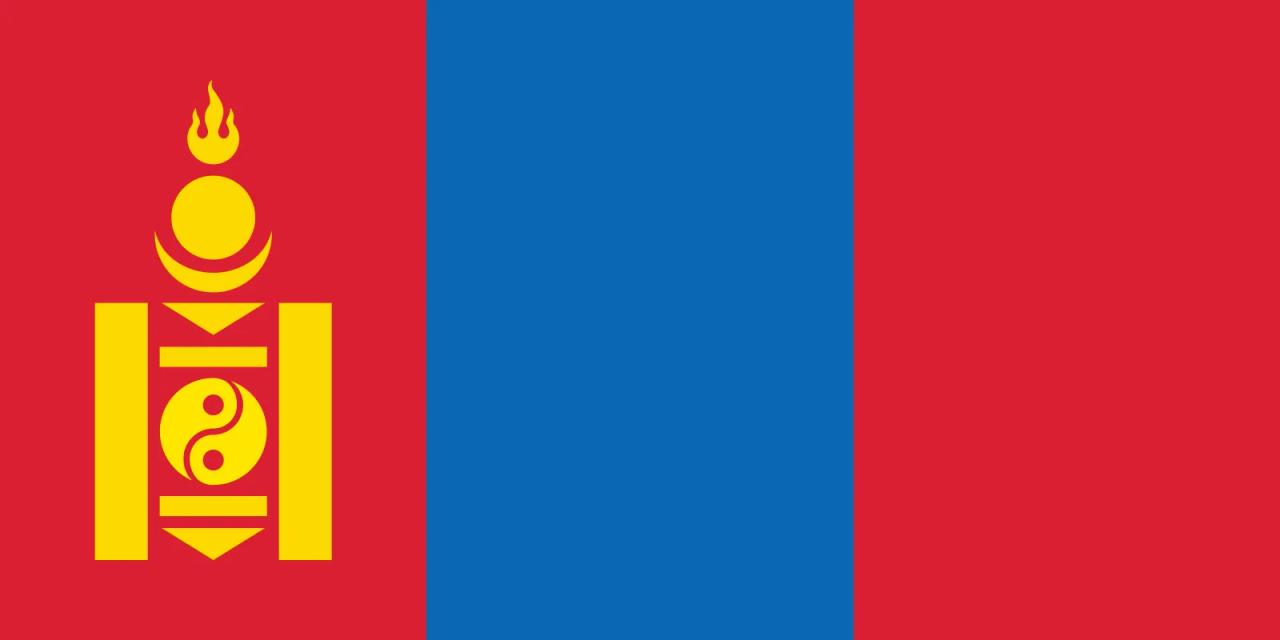
Mongolia
Mongolia is a vast landlocked steppe country located in the interior of East Asia. Throughout history it has been one of the political and cultural centers of Central Asia. Bordered by Russia to the north and China to the south this country with an area of 1,564,116 square kilometers ranks among the world’s largest landlocked nations. With a population of around 3.5 million it is also the least densely populated country on Earth. Most of its territory has been inhabited for thousands of years by
EN
Berk Büyükarslan
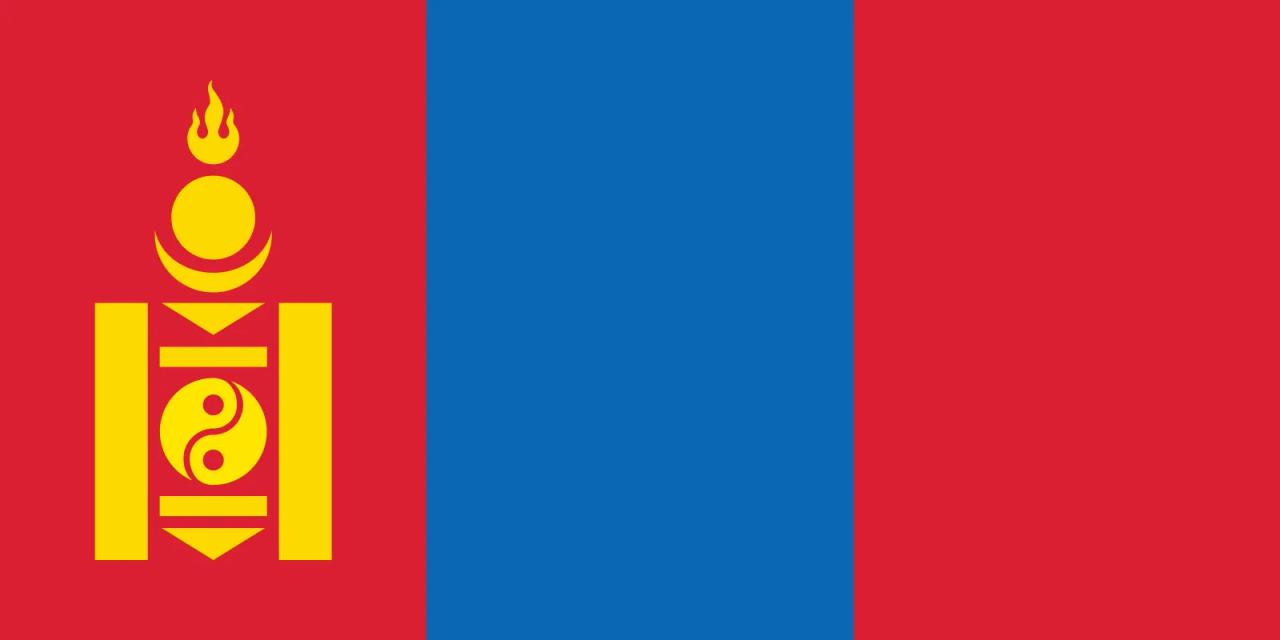
Mongolia
Mongolia, East Asia is a vast landlocked steppe country with no access to the sea. Throughout history, it has been one of the political and cultural centers of Central Asia. Surrounded by Russia to the north and China to the south, this country ranks among the world’s largest landlocked nations with a total area of 1,564,000 square kilometers. With a population of around 3.5 million, it is also the most sparsely populated country in the world. Most of its territory has been inhabited for thousan
EN
Berk Büyükarslan
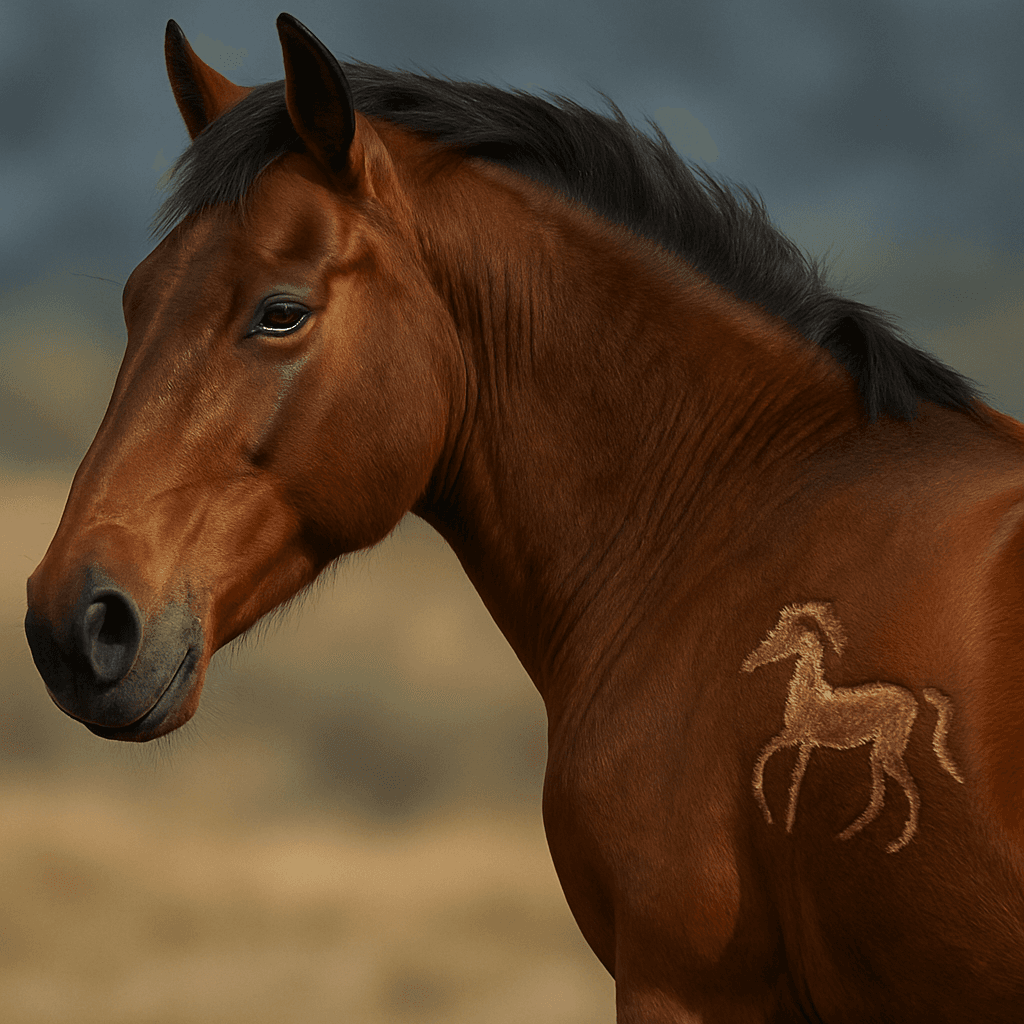
The Tradition of Horse Branding in Mongolian Culture
The horse branding tradition is a historical practice used to identify ownership and trace bloodlines of horses. This historical tradition has taken various forms across different cultures and has become an integral part of cultural identity social structures and economic activities. Turk and Mongol cultures regard horse branding as an important element for determining a horse’s gender age owner and sometimes its value. Among the Mongols this practice involves branding foals with a hot iron and
EN
Hümeyra Yılmaz
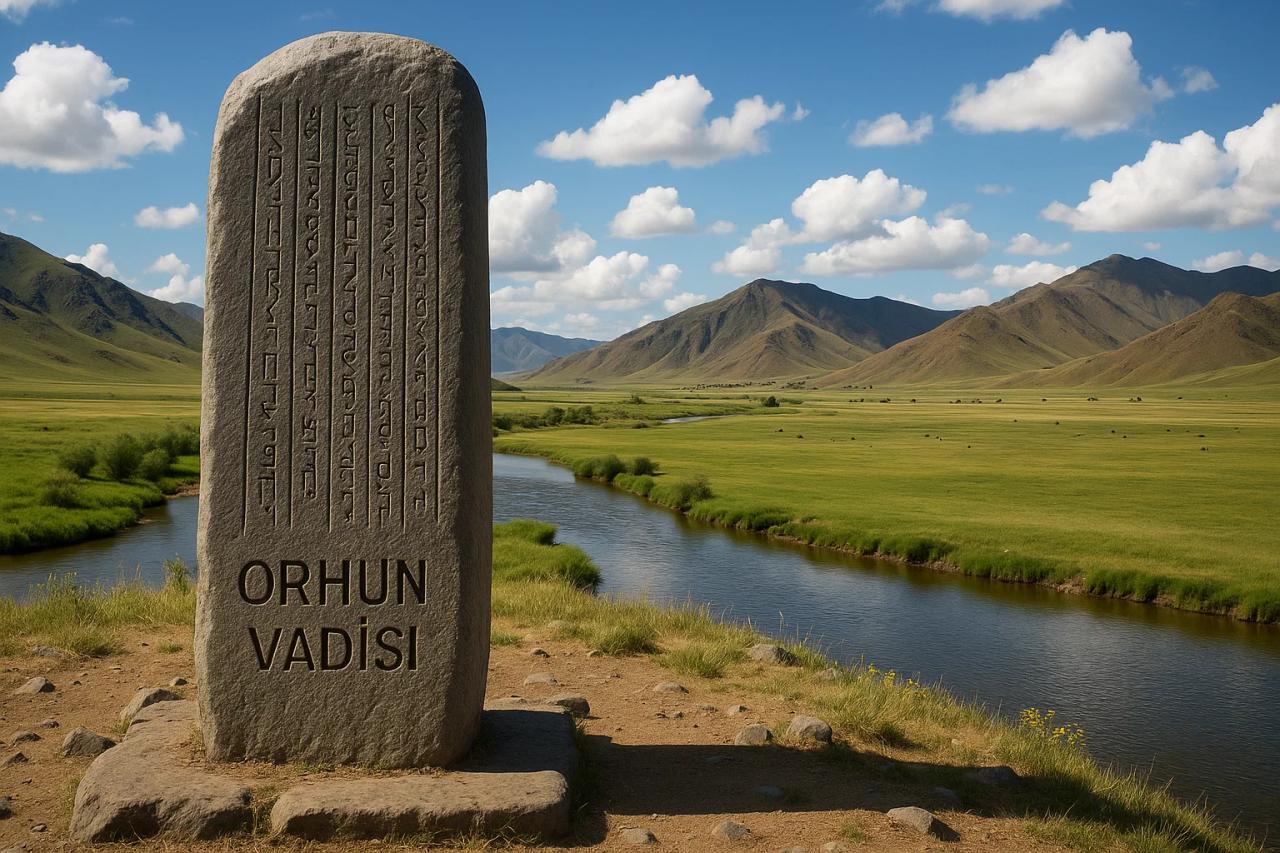
Orkhon Valley
Orkhon Valley is a geographical region located in the Mongolian area of Central Asia that has held central political, cultural, and socio-economic significance for the Turkic peoples throughout history. The valley is best known for the presence of the Orkhon Inscriptions, which date back to the Göktürk period. These inscriptions are of great importance for the study of the Turkic language and history as the oldest known written records of the Turkic peoples. History The historical significance o
ENHümeyra Yılmaz
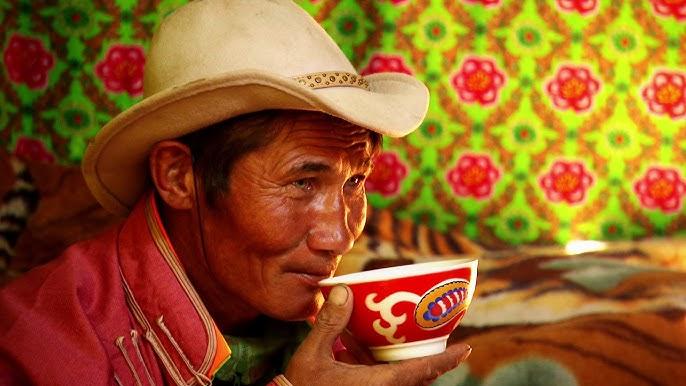
Hotan Turks
Hoton Turks are an ethnic community of Turkish origin living today in western Mongolia, particularly in Uvs Province. Historically believed to have migrated from the Hotan region of Eastern Turkestan to Mongolia, this group possesses a unique linguistic, cultural, and traditional structure. Although the Hotons gradually adopted the Dörbet dialect of the Oirat Mongolian language over time, they spoke their own distinct Turkic dialect until the 19th century. This dialect is now considered extinct.
EN
Duygu Şahinler
The Hu (Music Group)
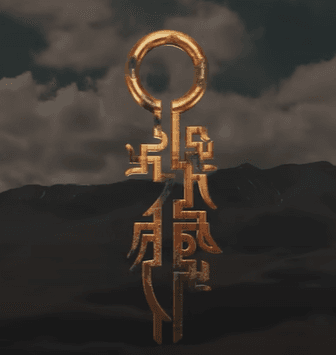
The HU was established in 2016 in Ulaanbaatar, Mongolia. The group blends modern rock music with Mongolian traditions. A 2019 NPR article highlighted The HU’s cultural significance and unique identity by emphasizing its fusion of heavy metal’s aggressive guitar riffs with traditional Mongolian throat singing.【1】 The name The HU means “human” in Mongolian. The group combines traditional elements such as the morin khuur (horsehead fiddle), tovshuur (Mongolian guitar), tumur khuur (jaw harp), and t
ENDuygu Şahinler
Altai Mountains
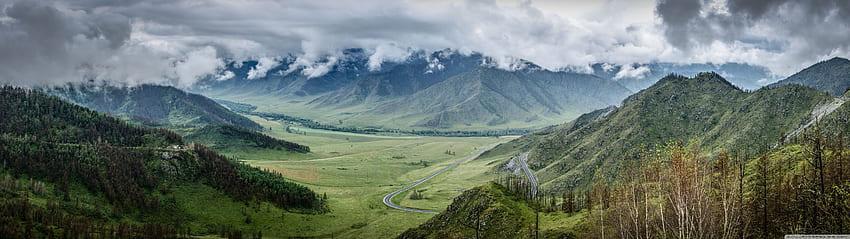
Altay Dağları, with their colossal peaks that seem to have sprung from fairy tales and their emerald forests, lie at the very heart of Central Asia. This region possesses both an ancient history and a name that carries a hidden shimmer. Are you curious about what lies behind these golden peaks? Let us explore this mysterious world together! The Mysterious Name of the Golden Mountains Researchers have put forward many intriguing theories about the origin of the name Altay. According to some schol
EN
Saime Kılıç