

`modernlife` Related Article Results

Torschlusspanik: Running Before the Door Closes
In German, there is a word called "Torschlusspanik." The term originates from medieval European walled cities: at a certain hour at night, the main gates would close, leaving anyone outside to the mercy of wild animals, bandits, and the cold. "Gate-closing panic" — this fear emerged directly from that image: the dread of being unable to enter in time, of being late, of being left outside as the gates shut behind you. Today, no one fears city gates of course. But this word has survived vividly in
EN
Ömer Said Aydın

The Parts of Life Accelerated
The coffee was finished while still hot. The steam rising from the cup still hung in the air, but the person at the table had long since risen. He was not actually late for where he was going. There was no real rush either. Yet everything had felt a little too fast. The taste of the coffee was no longer clearly remembered. The rain outside the window had gone unnoticed. The faces of people passing by the table had not been recognized. The coffee had been drunk, but it had not truly been experien
EN
Ebrar Sıla Peri
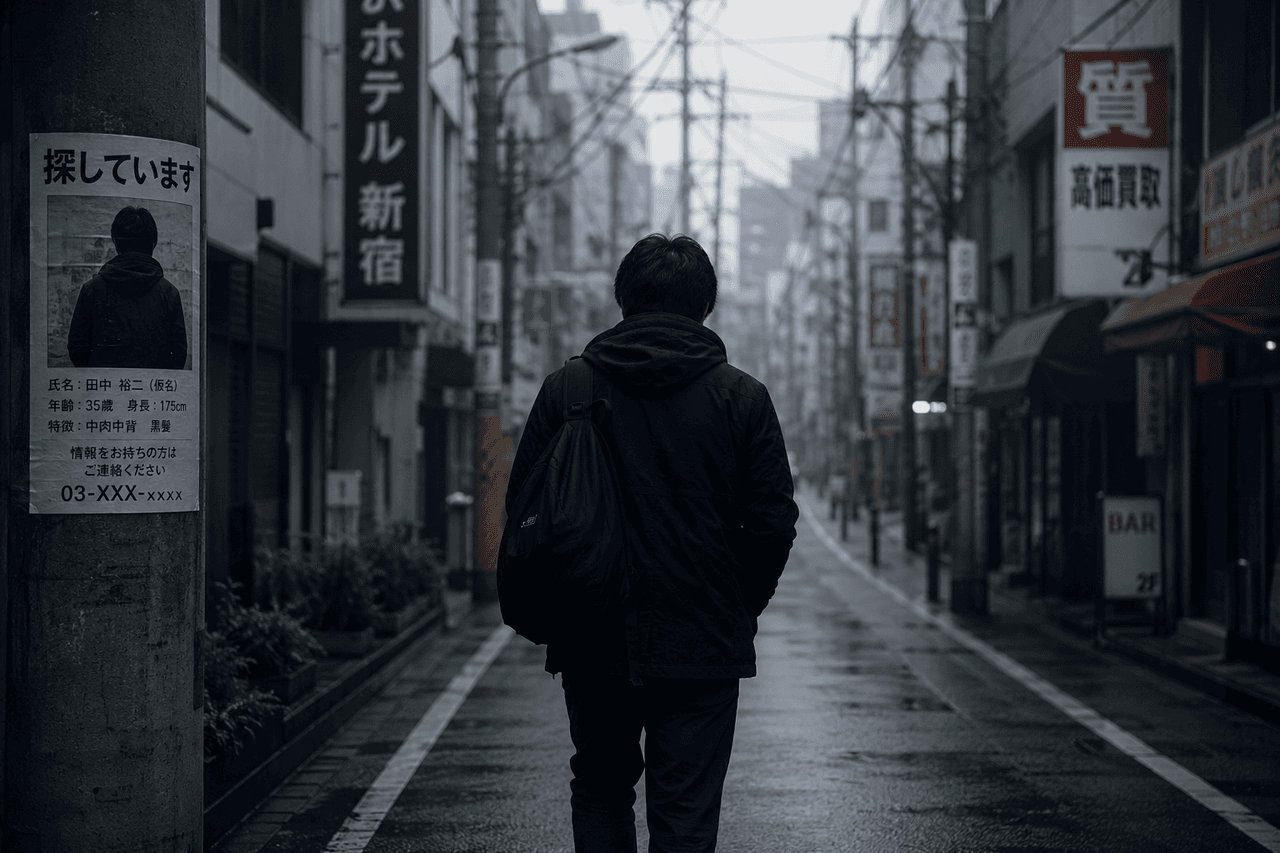
Johatsu
Johatsu is a sociological term derived from the Japanese word meaning "evaporation" or "evaporated people" that describes the act of individuals voluntarily abandoning their current lives, families, jobs, and identities without leaving any trace. Historical Development This phenomenon first entered social literature in the 1960s when individuals seeking to escape unhappy marriages abandoned their spouses due to the difficulty of divorce proceedings.【1】 In later decades, during the early 1990s, t
EN
Nursena Şahin
 Do
DoDoes everyone have another life inside them that they do not show to anyone?
Crowds can sometimes make one person fall completely silent for a few seconds, even when everyone else is talking at once. Their gaze drifts to a single point, as if for a brief moment they have left the room and gone somewhere else. Then someone asks them a question, they smile again, and resume speaking. No one even notices those few seconds. Perhaps the invisible side of people emerges precisely in moments like these. Because the life a person shows outwardly is often very different from the
ENEbrar Sıla Peri
ThThose Who Cannot Integrate into Society
The evening crowd slowly filled the café. The tables were nearly full. In one corner, groups of friends talked loudly; at another table, people laughed as they showed each other their phone screens. Waiters moved between the tables with trays in hand, disappearing and reappearing. Everything was as it should be. Just another ordinary evening in the city. But there was one person sitting by the window; their coffee had long gone cold, and their eyes occasionally drifted to the street outside. The
ENEbrar Sıla Peri