

`microhistory` Related Article Results

Peter Burke's Historiography
Peter Burke is a historian who embraces interdisciplinary approaches, emphasizes the perspective of cultural history, and seeks alternative methods to traditional historiography. His understanding of history is influenced by the methods of the Annales School, aiming to transcend the boundaries between history and social sciences. He examines history not only through major events, wars, and political leaders but also through social practices, cultural productions, daily life, and individual exper
EN
Mehmet Salih Çoban
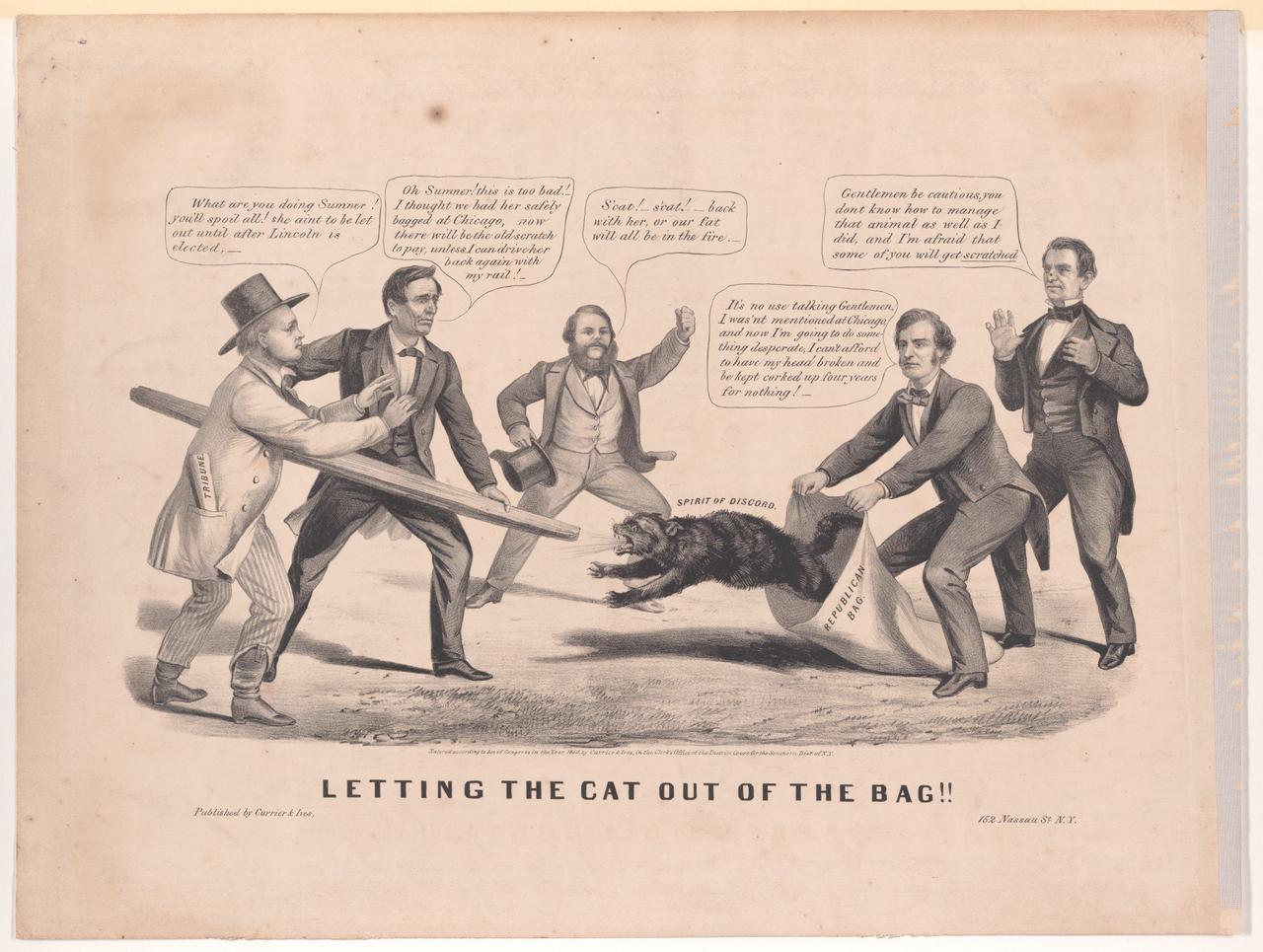
Great Cat Massacre
The Great Cat Massacre, was a mass killing carried out in the late 1730s around Rue Saint-Séverin in Paris by apprentices and journeymen at a printing workshop, targeting cats. The daily routine of workshop life sharply diverged between the master and the household on one side and the apprentices on the other. Apprentices worked under heavy burdens; the inequality in food and sleep arrangements intensified workshop tensions, as even the master’s cats lived in better conditions than the apprentic
EN
Onur Çolak
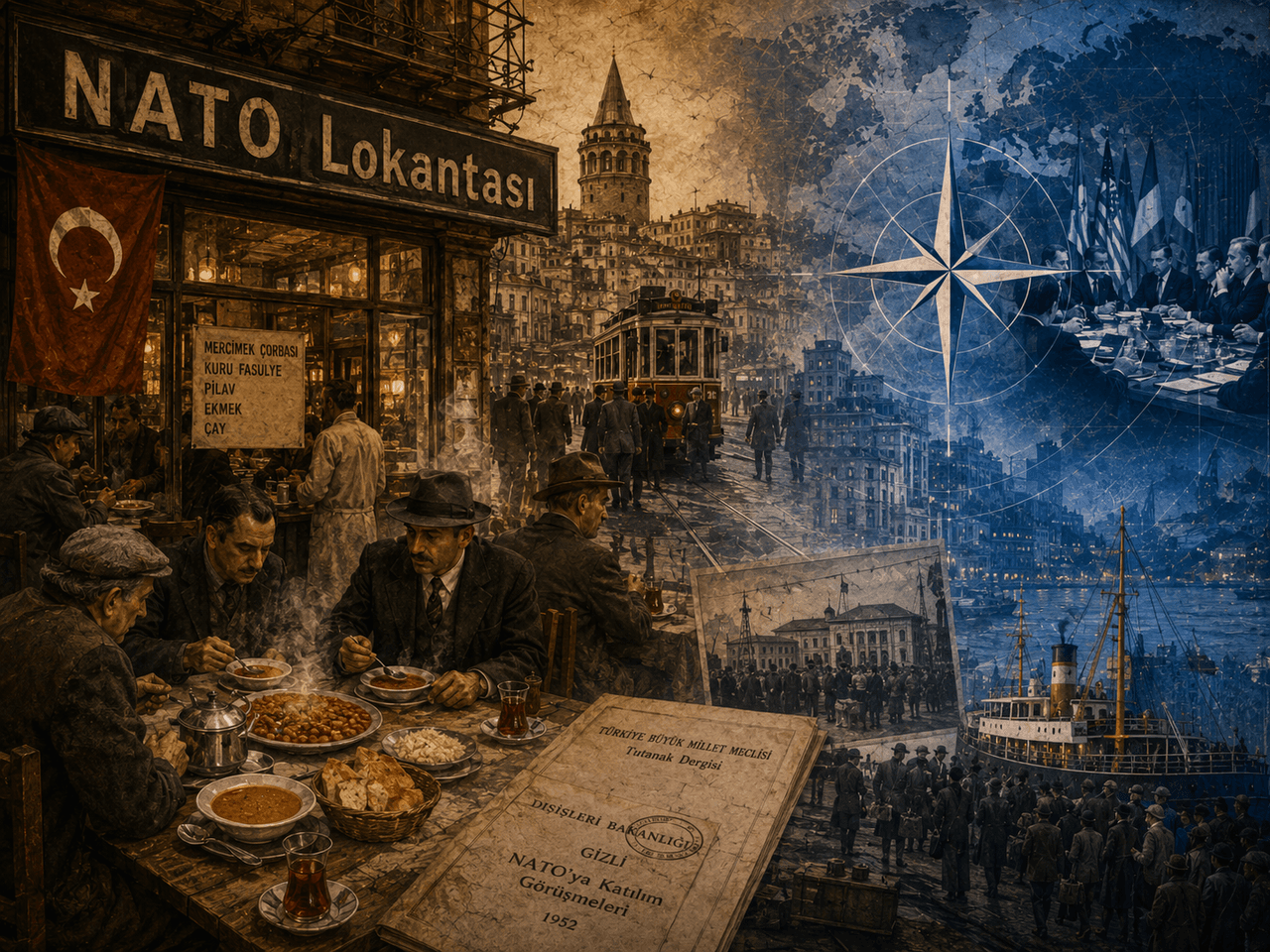
Türkiye's Transformation: "NATO Cafeteria"
A restaurant’s name can sometimes be more than just a commercial choice; it can be a small but meaningful sign reflecting the political and social atmosphere of its time. The NATO Restaurant, operating in Karaköy since 1952, can therefore be seen as something beyond an ordinary local eatery. A lunchtime venue bearing the name “NATO” illustrates how Turkey’s political, social and international transformations during the 1950s permeated everyday life. The year the restaurant opened, 1952, was the
ENMehmet Salih Çoban
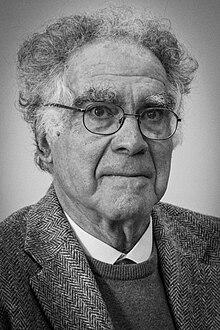
Microhistory
Microhistory is a type of historical study that focuses on well-defined small research units, such as a single event, a village community, or an individual. Emerging as a significant methodological innovation in historiography over the past few decades, microhistory challenges grand historical narratives by emphasizing smaller, local, and individual experiences. Traditional historiography often focuses on states, major political events, and significant historical figures, whereas microhistory se
ENMehmet Salih Çoban
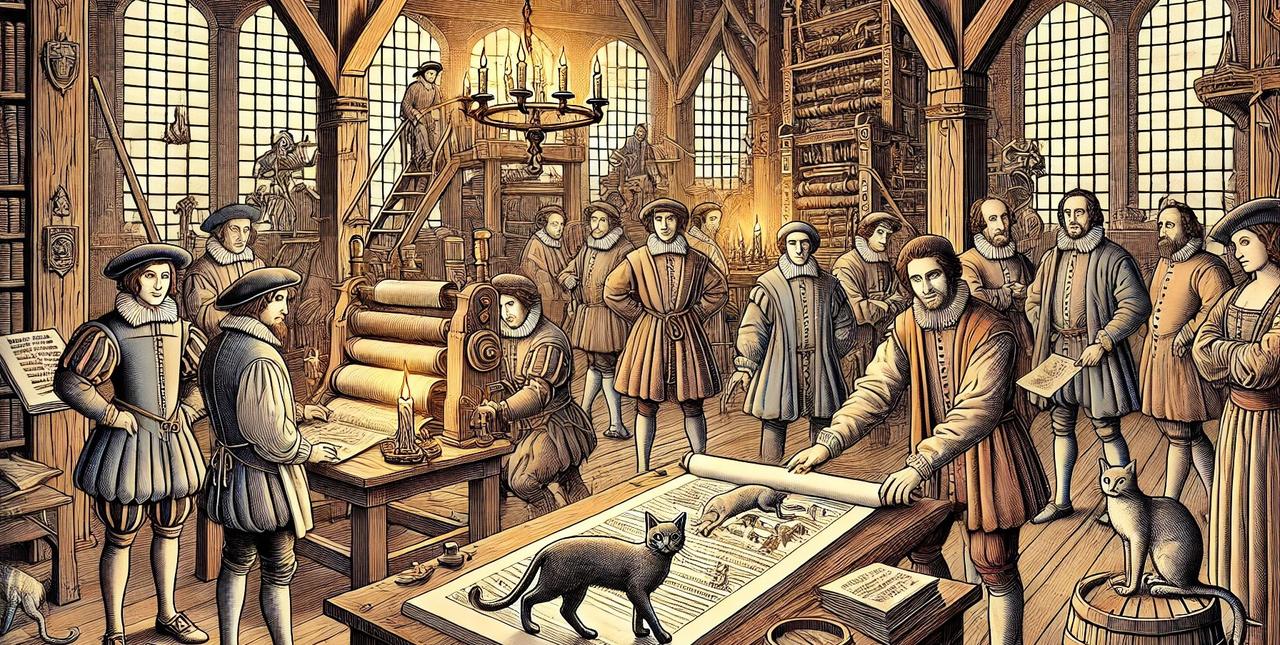
The Great Cat Massacre (Book)
Robert Darnton’s The Great Cat Massacre is a book that examines the ways of thinking, beliefs, and popular culture in 18th-century France. The author seeks to understand how people of that era perceived the world and attributed meaning to social events. Written within the framework of the history of mentalities (histoire des mentalités), the book focuses on various subjects such as folk tales, craftsmen’s rituals, the bourgeoisie, and the intellectual class’s worldview. Illustrating the Book wit
ENMehmet Salih Çoban