

`japanese-culture` Related Article Results
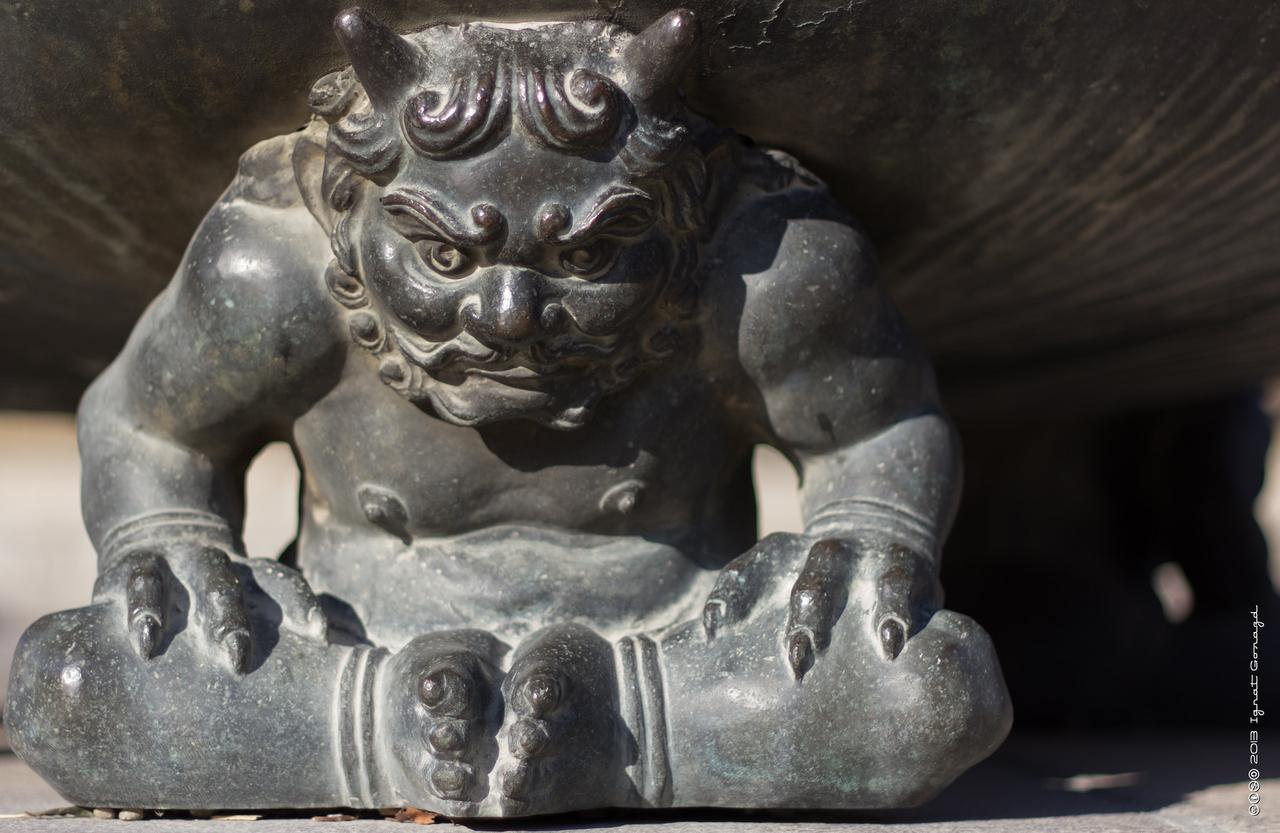
Oni
Oni (a term often translated as "demon" or "ogre" in English) are part of Japanese culture as beings both feared and marginalized. Oni occupy a deeply rooted and multi-layered place in Japan's cultural and historical imagination. While today they are commonly portrayed in popular culture as large, horned, red or blue-skinned monsters wielding metal clubs, oni have not only functioned as supernatural creatures throughout history but have also symbolized social exclusion, the concept of the "other
EN
Ömer Faruk Bilcan
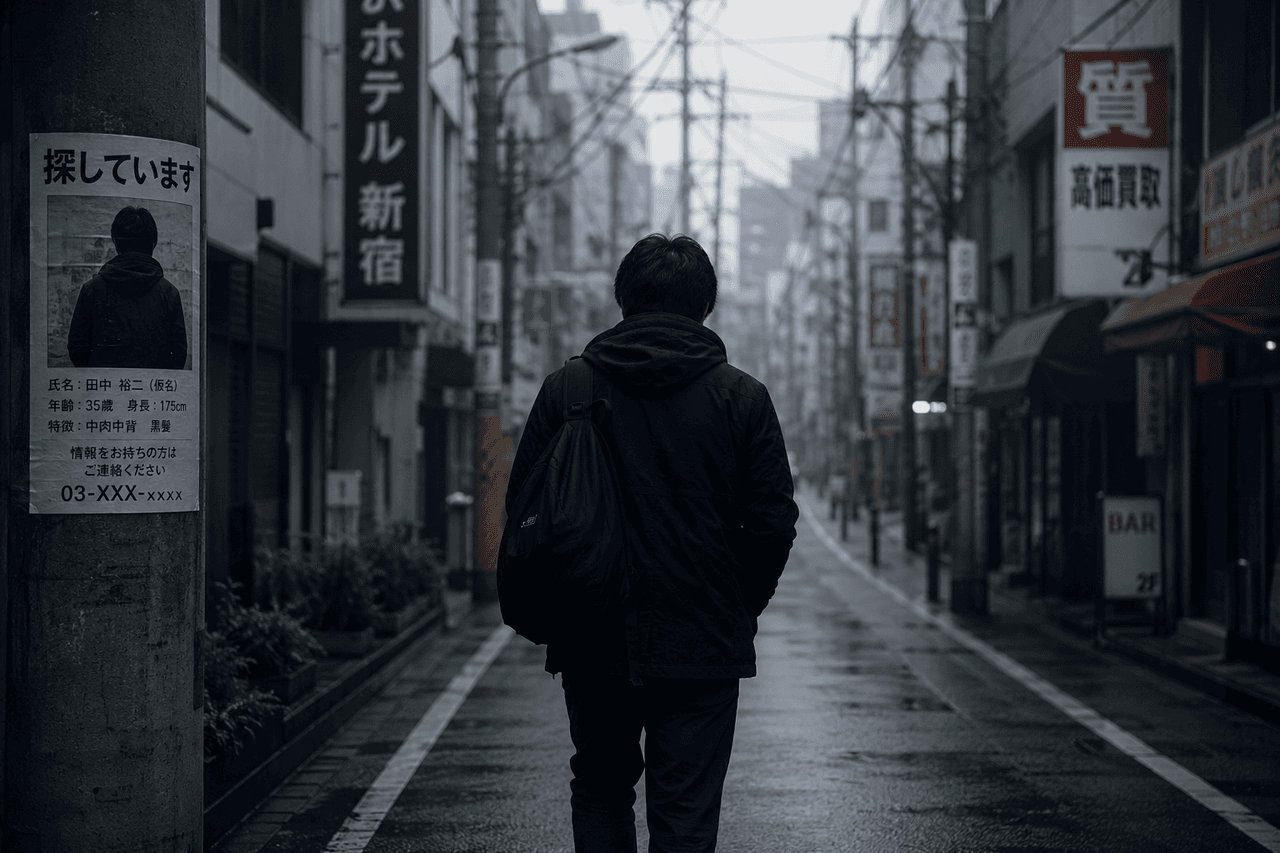
Johatsu
Johatsu is a sociological term derived from the Japanese word meaning "evaporation" or "evaporated people" that describes the act of individuals voluntarily abandoning their current lives, families, jobs, and identities without leaving any trace. Historical Development This phenomenon first entered social literature in the 1960s when individuals seeking to escape unhappy marriages abandoned their spouses due to the difficulty of divorce proceedings.【1】 In later decades, during the early 1990s, t
EN
Nursena Şahin
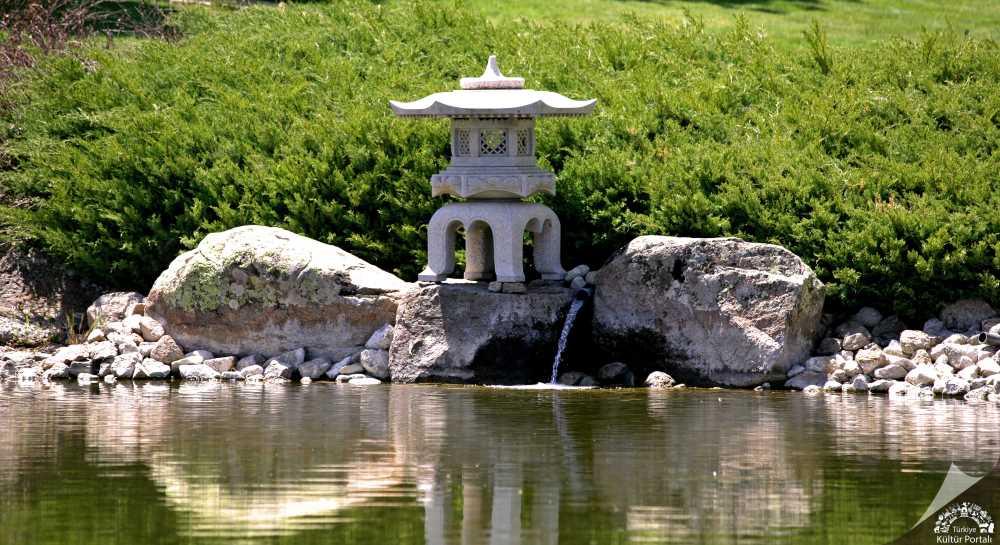
Kırşehir Japanese Garden
Kırşehir is home to the Japanese Garden, which reflects traditional elements of Japanese garden art and is regarded as one of the largest Japanese gardens outside Japan.【1】 Located in the Kırşehir district of Kaman, the garden was constructed as a product of cultural relations between Japan and Türkiye and constitutes a landscape area where natural elements are harmoniously arranged.【2】 History and Establishment Process The Kırşehir Japanese Garden was established within the framework of friends
EN
Nisanur Karagöl
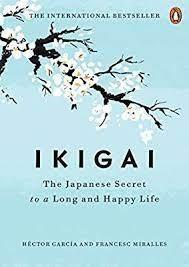
IKIGAI (Book)
Héctor García (Kirai) and Francesc Miralles authored Ikigai, a nonfiction work centered on the Japanese concept of “ikigai,” which brings together themes of life purpose, happiness, balance, and longevity. Inspired by the lifestyles of centenarians living on Japan’s Okinawa Island, the book offers both philosophical insights and practical advice. “Ikigai” refers to the internal reason that motivates a person to wake up each morning—the purpose that gives meaning to life. The book seeks to explor
EN
Mesut Akbaba
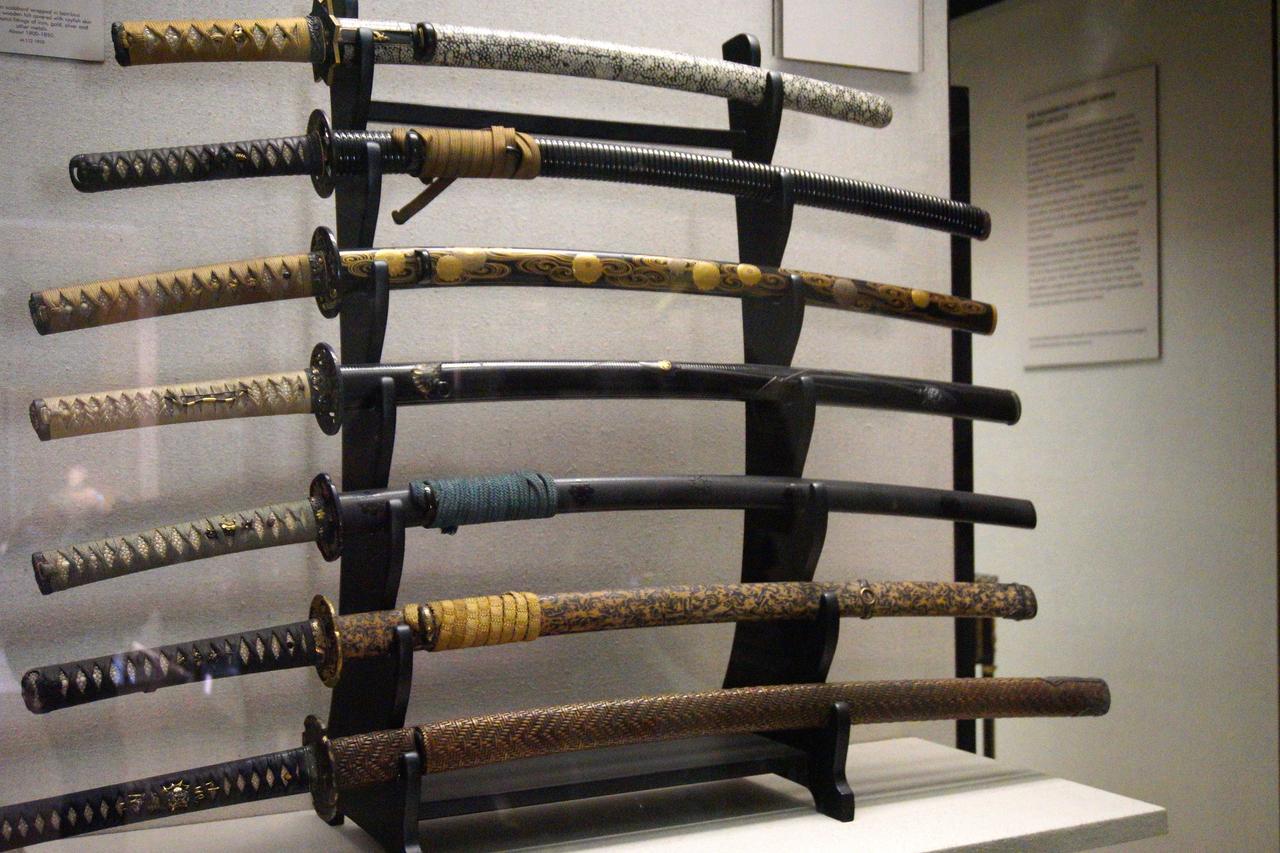
Katana
Katana is one of the most renowned and symbolic types of Japanese swords. It typically features a long, slightly curved, single-edged blade. Throughout history, it has held great significance both as a weapon of war and as a cultural symbol. During the Edo period (1603–1868) especially, the katana became the primary weapon of the samurai class and emerged as one of the most important examples of Japanese craftsmanship and aesthetic sensibility. Katana and Wakizashi (World History Encyclopedia) "
ENÖmer Faruk Bilcan
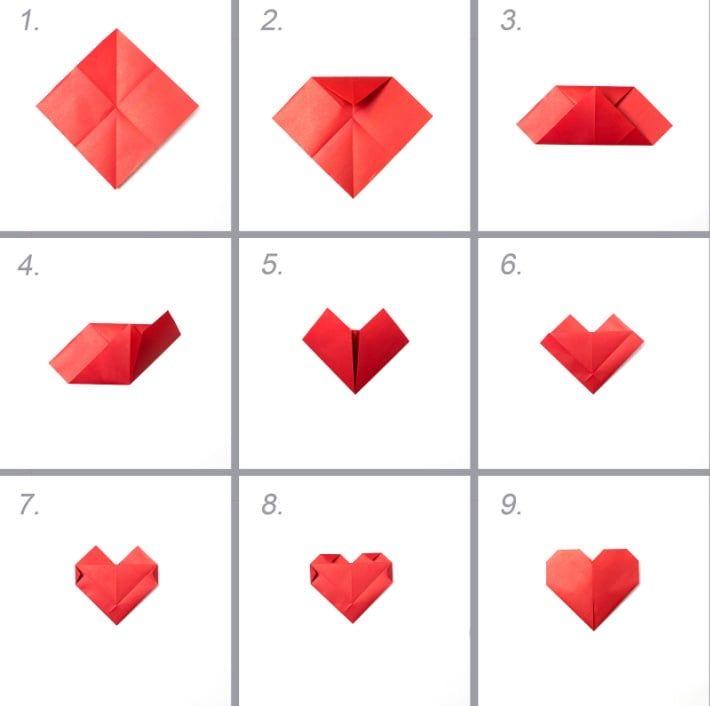
What is Origami?
What Is Origami? Origami is the art of paper folding, derived from the Japanese words “ori” (to fold) and “gami” (paper). This art involves creating various figures by folding square sheets of paper without cutting or using adhesive. Classical Origami: Figures such as animals, plants or objects are created from a single sheet of paper. Modular Origami: Multiple sheets of paper are folded and interlocked to form geometric shapes or more complex structures. Hand-Eye Coordination: The process of fo
EN
Esmanur Demir
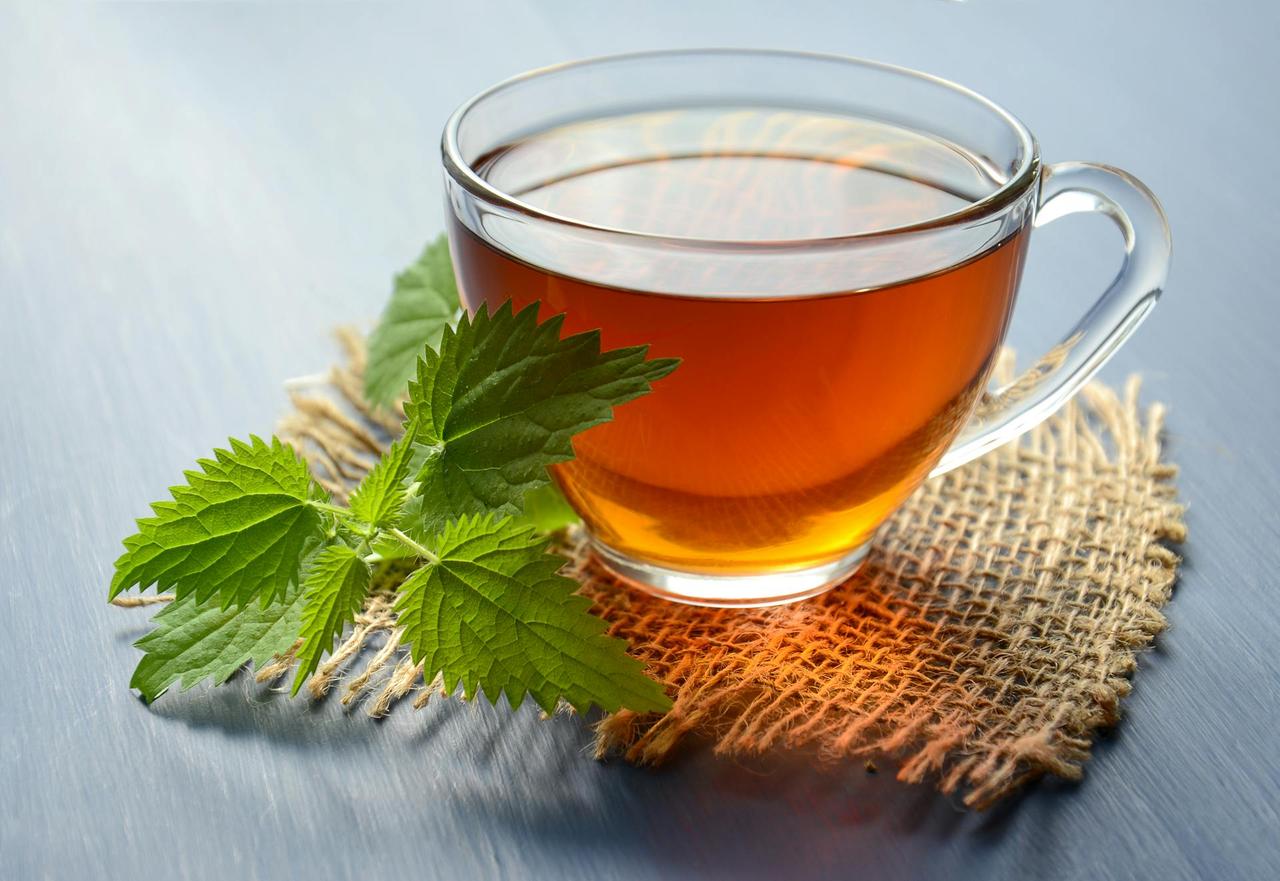
Green Tea
Green tea is commonly consumed as an infusion made by steeping dried or powdered leaves in hot water. Traditional forms include loose leaf tea and powdered green tea known as matcha, especially in Japan. It can be consumed plain or with additions such as lemon or honey. Green tea extracts are also available in liquid or supplement forms. The preparation methods and serving styles vary by culture but generally aim to preserve the natural antioxidants present in the leaves. Botanical Origin and Pr
ENÖmer Faruk Bilcan
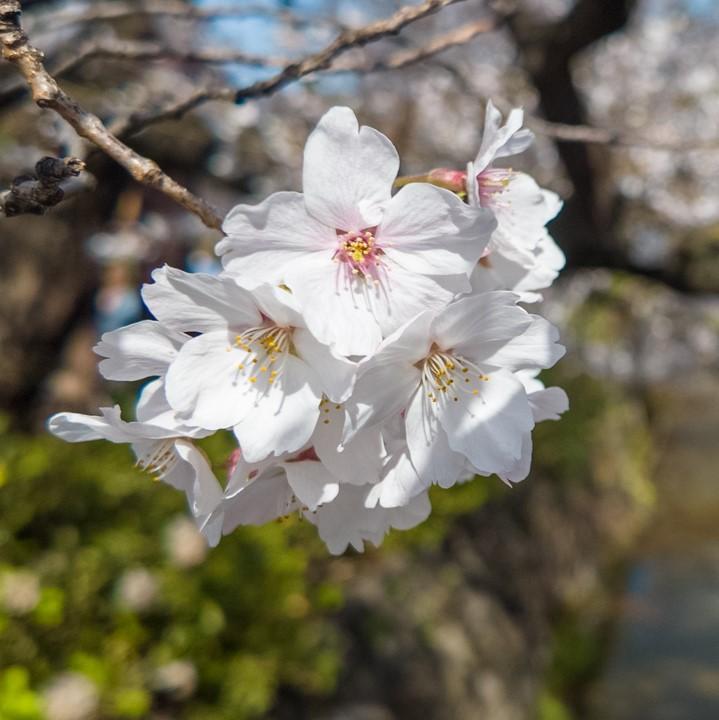
Hanami (Cherry Blossom Viewing)
Hanami (花見) is a traditional Japanese celebration that marks the arrival of spring through the viewing of cherry blossoms (sakura). Literally meaning “flower (hana) viewing (mi),” hanami has for centuries symbolized not only admiration for nature, but also key aspects of Japanese cultural identity—such as an aesthetic appreciation for seasonality and the philosophical notion of impermanence (mono no aware). The event is most closely associated with the pale pink blossoms of the Someiyoshino cher
ENÖmer Faruk Bilcan