

`janissary-corps` Related Article Results
 Ot
OtOttoman Coffeehouses
Ottoman coffeehouses, from the mid-16th century onward, became important public spaces in Ottoman social life. With the introduction of coffee from Yemen to Istanbul, these institutions quickly evolved beyond mere venues for beverage consumption to become centers of socialization, communication, entertainment, and even political debate. Emergence and Spread Coffee is believed to have first arrived in Istanbul in the early 16th century following Yavuz Sultan Selim’s campaign in Egypt. According t
EN
Yunus Emre Yüce
Classical Ottoman Architecture
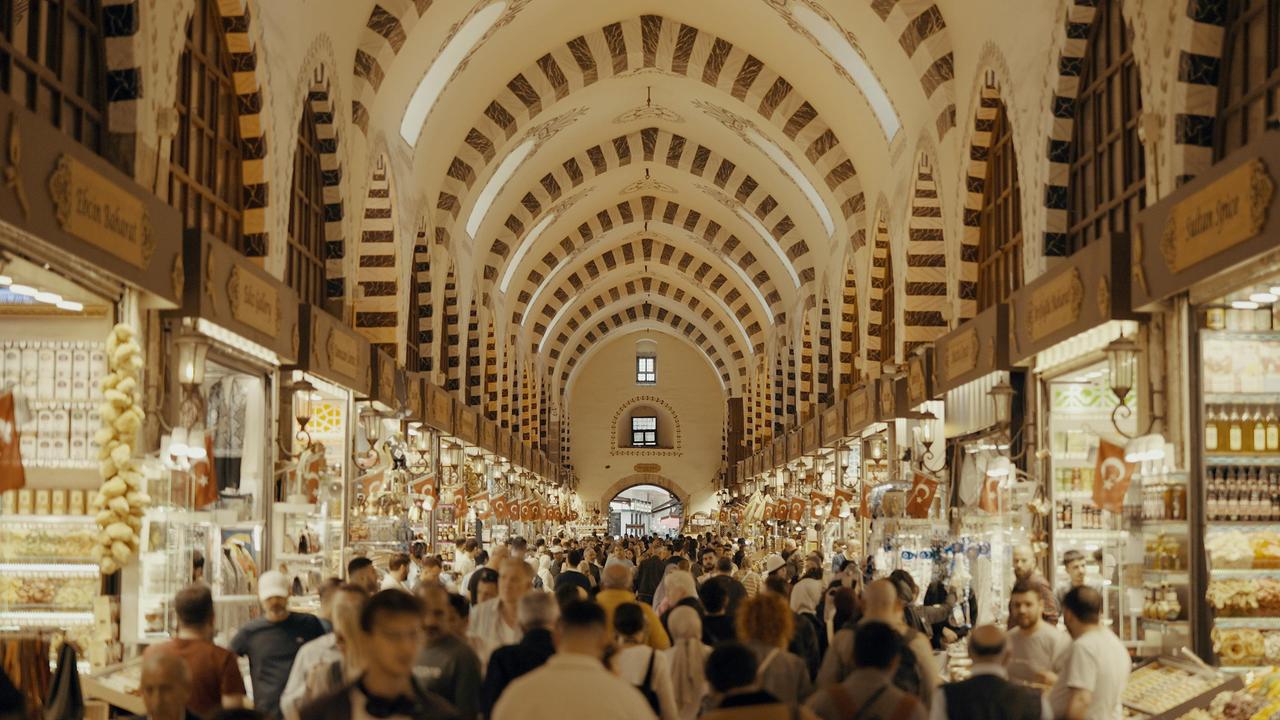
Classical Ottoman Architecture is an architectural style that developed during the 16th century, the peak of the Ottoman Empire’s political cultural and economic power. It is characterized by centralized plan layouts structural balance and monumental scale. This period’s architecture produced not only aesthetically and functionally refined structures but also representative buildings that reflected the state’s authority social order and religious legitimacy. Guided by Mimar Sinan this style was
EN
Esra Özkafa
Devshirme System
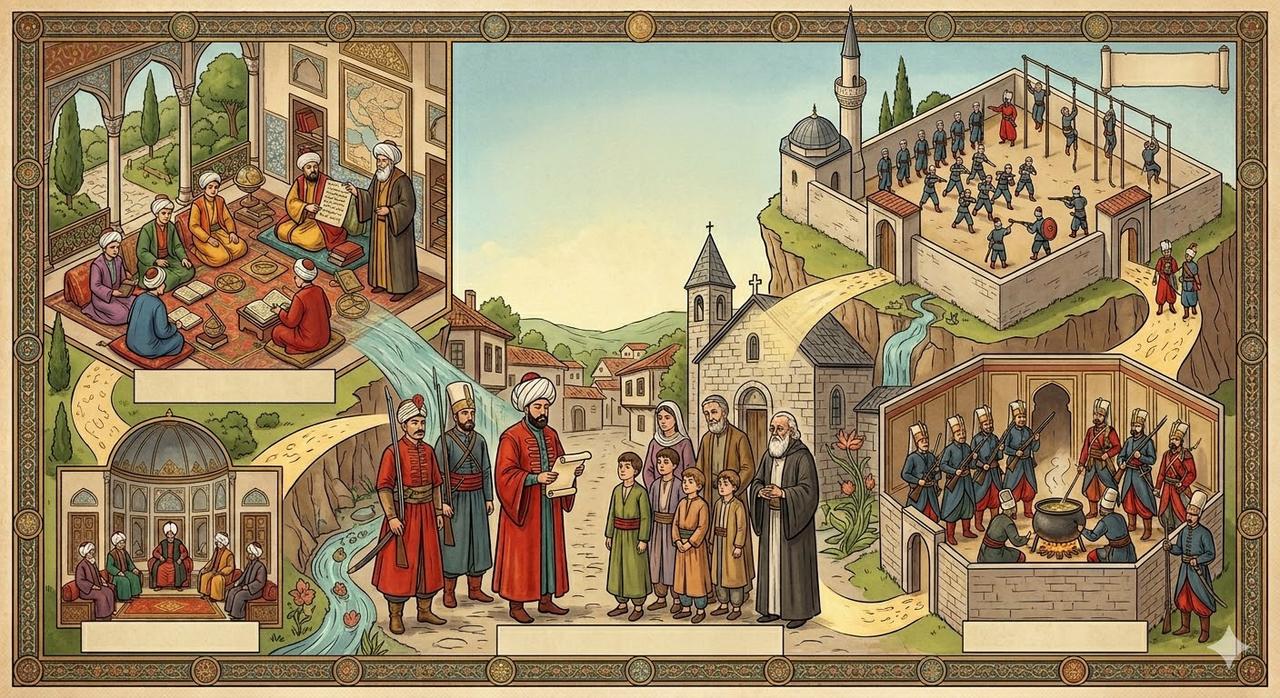
Have you ever wondered how the Ottoman Empire remained so powerful for such a long time? One of its most important secrets was the Devşirme System, which trained talented children from all corners of the world to become heroes. Let’s explore how this fascinating process worked! Devşirme sistemini temsil eden görsel (Yapay zeka ile oluşturulmuştur) " image-element-format="right" image-height="559" image-source="https://cdn.t3pedia.org/media/uploads/2026/06/13/QlynQhJbjShad0u3bye02nV4yZNKa9jf.jpg"
ENTülin Kara