

`istanbul-arkeoloji-muzeleri` Related Article Results
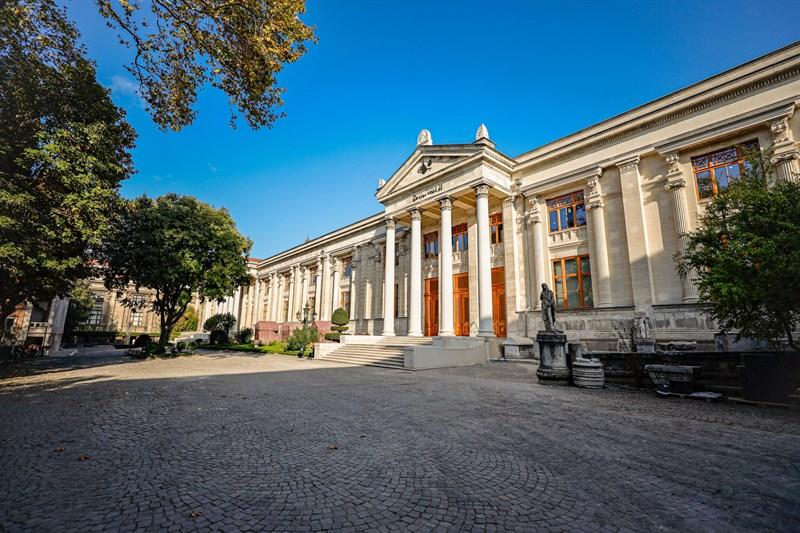
Istanbul Archaeology Museums
Istanbul Archaeology Museums are the first institutional museum complex established during the Ottoman Empire and laid the foundations of modern museology in Türkiye. Founded in 1869 as the “Müze-i Hümayun” (Imperial Museum), it now consists of three main units: the Archaeology Museum, the Museum of the Ancient Orient, and the Çinili Köşk Museum. The museum collections include approximately one million artifacts from Anatolia, Mesopotamia, Egypt, Greece, and Rome, encompassing a significant port
EN
Ahsen Güneş
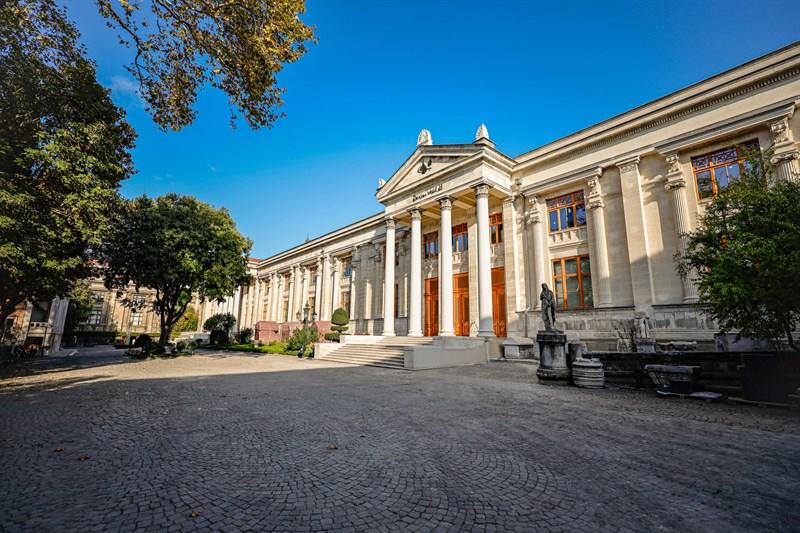
Istanbul Archaeological Museums
Istanbul Archaeology Museums is the first institutional museum complex established in Türkiye, laying the foundations of museum practice in the country during the museum period. Founded in 1869 as the “Müze-i Hümayun,” this museum consists of three distinct units: the Archaeology Museum, the Museum of the Ancient Orient, and the Çinili Köşk Museum. The museum’s collections include approximately one million artifacts from Mesopotamia, Egypt, Greece, and Rome, and preserve a significant portion of
EN
Ahsen Güneş
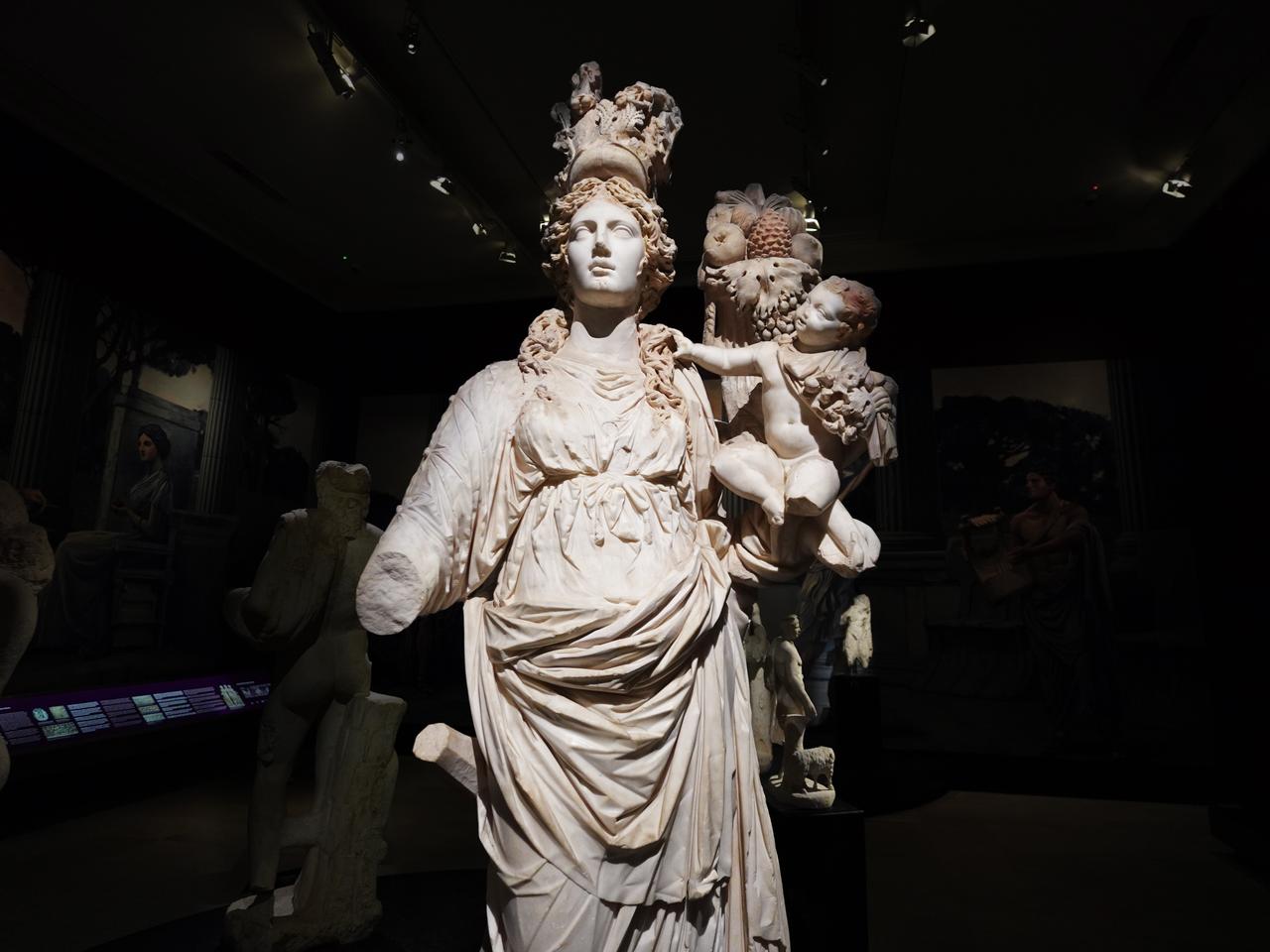
Tykhe Heykeli
Tykhe Heykeli, Roma İmparatorluk Dönemi’ne tarihlenen mermer bir eserdir ve kentin koruyucu tanrıçası Tykhe’yi betimler. Tanrıçanın başında yüksek bir kalathos (sepet) taç yer alır. Bugün İstanbul Arkeoloji Müzeleri koleksiyonunda yer alan eser, hem kent tanrıçası kültünün görsel bir örneği hem de Roma döneminde Anadolu’daki heykel üretiminin bir temsilcisi olarak dikkat çeker. Tykhe Heykeli, İstanbul Arkeoloji Müzeleri (Fotoğraf: Nazlı Kemerkaya) " image-element-format="right" image-source="htt
TR
Nazlı Kemerkaya
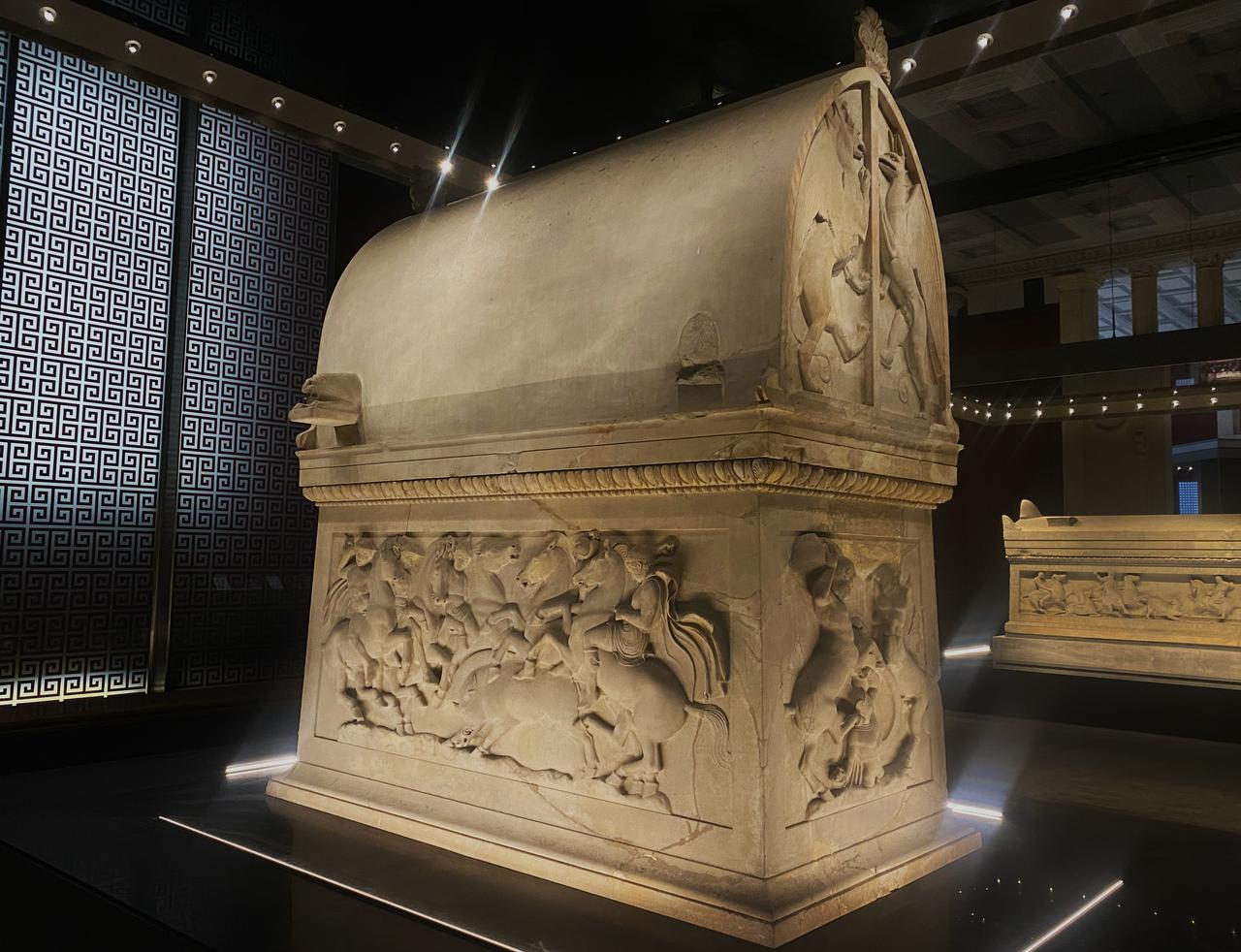
Lycian Sarcophagus
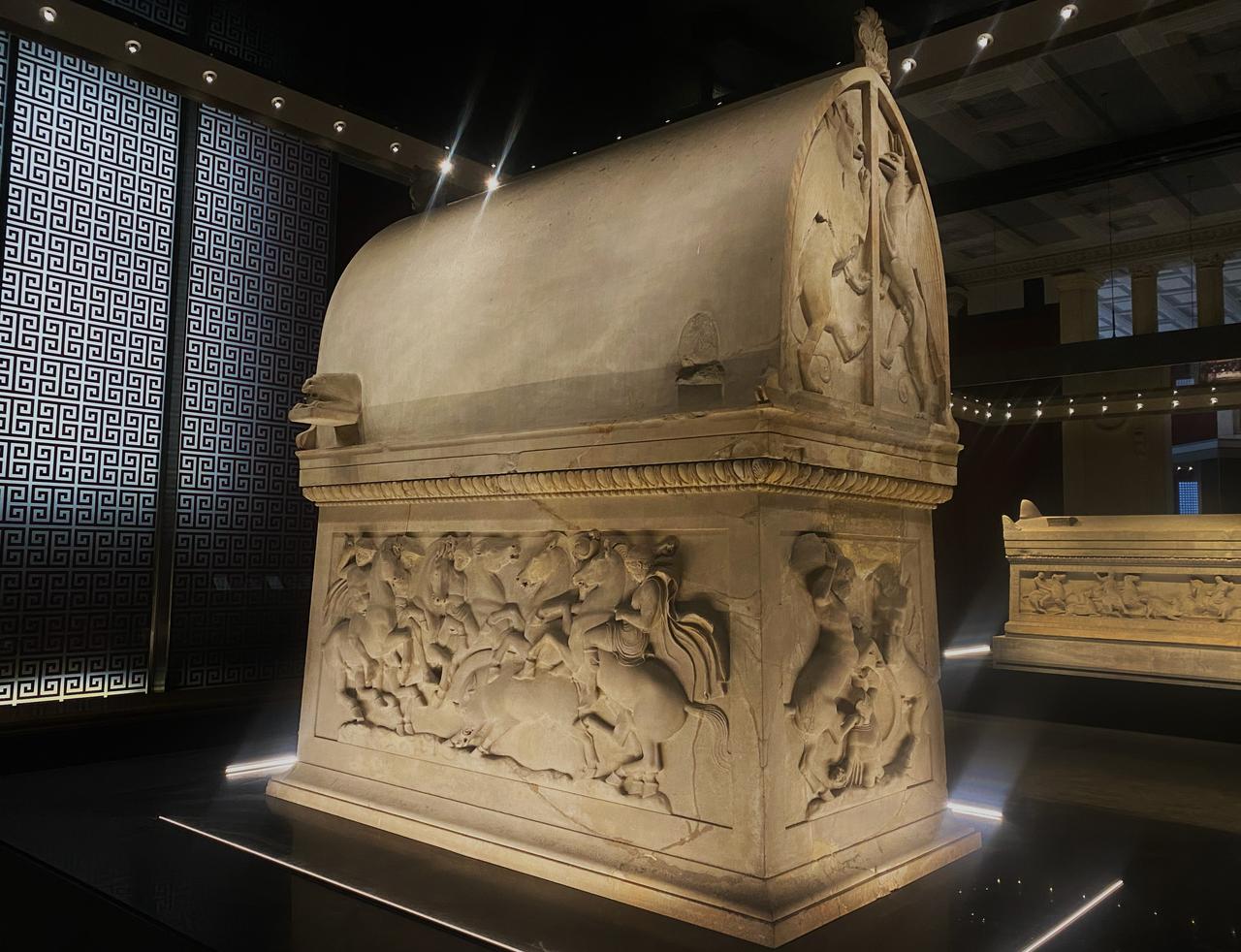
The Lycian Sarcophagus Grave is an ancient artifact discovered during excavations in 1887 by Osman Hamdi Bey and his team at the Sidon Necropolis (within the boundaries of the ancient city of Sidon, now in Lebanon) and currently on display at the Istanbul Archaeology Museums. The term “Lycian” in its name derives from the resemblance of its shape to the characteristic rock-cut tombs of the Lycian Civilization house. Dating to the late 5th century BCE and early 4th century BCE, this sarcophagus i
EN
Nazlı Kemerkaya
Lycian Sarcophagus
The Lycian SarcophagusSarcophagus, discovered during excavations in 1887 at the Sidon Necropolis (located within the modern borders of Lebanon, in the ancient city of Sidon) by Osman Hamdi Bey and his team, is an ancient artifact exhibited at the Istanbul Archaeology Museums. The term “Lycian” in its name derives from its resemblance to the characteristic rock-cut tomb architecture of the Lycian civilization. Dating from the late 5th century BCE to the early 4th century BCE, this sarcophagus is
ENNazlı Kemerkaya