

`industry-40` Related Article Results
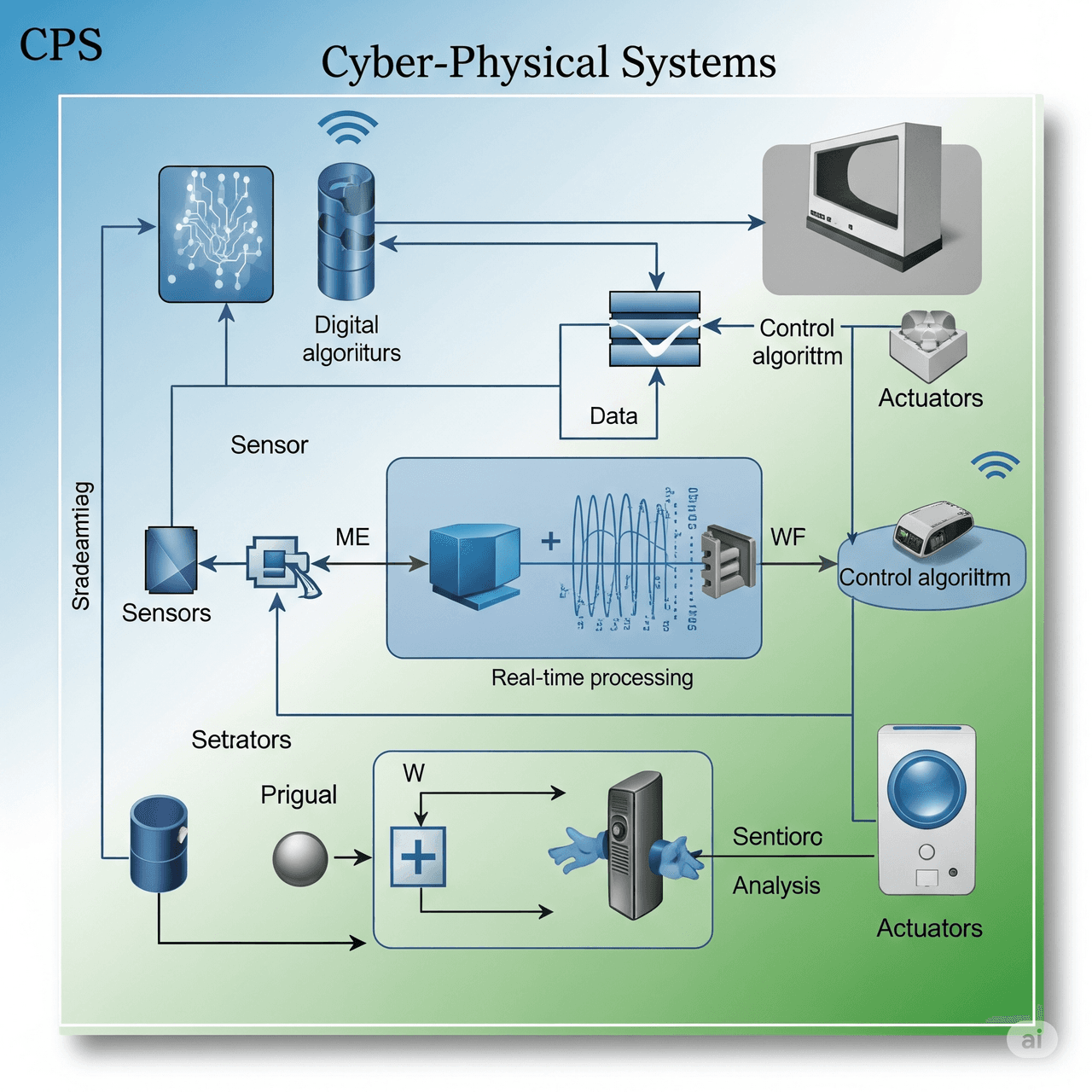
Siber Physical Systems
S cyber-physical systems (CPS) are integrated structures in which physical processes operate in real-time and interactive conjunction with digital information systems. In these systems, the physical world is monitored and analyzed through embedded sensors, actuators, and control algorithms, enabling intervention via digital systems. CPS are widely used in numerous domains such as modern production lines, transportation infrastructure, smart energy grids, and medical devices, playing a critical r
EN
Emre Özen
 Ar
ArArtificial Insemination Systems
Artificial labor systems refer to production and service systems in which artificial intelligence, robotics, and automation technologies are integrated to replace or support human labor. These systems encompass not only the performance of physical tasks but also the delegation of cognitive processes such as decision-making, analysis, and response to machines. In this regard, artificial labor distinguishes itself from traditional automation by exhibiting adaptability and learning capabilities aki
EN
Ahmet Burak Taner
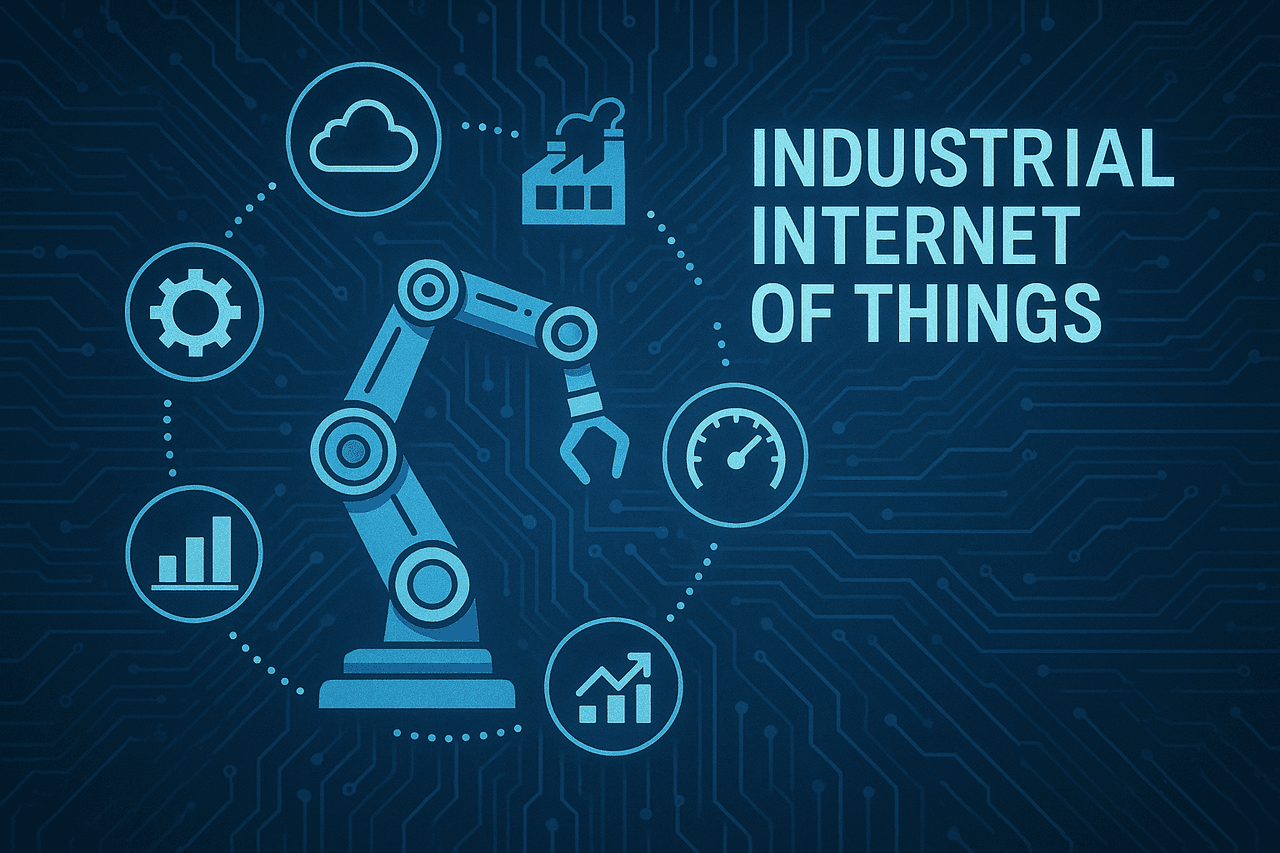
Industrial IoT
The Industrial Internet of Things (IIoT) is a technological transformation movement aimed at integrating physical production environments with the digital world. This concept enables production processes to become more efficient, flexible, and intelligent by allowing machines, sensors, and software systems to exchange data over the internet. IIoT is one of the foundational pillars of the Industry 4.0 approach and is transforming not only industrial manufacturing but also sectors such as energy,
ENAhmet Burak Taner
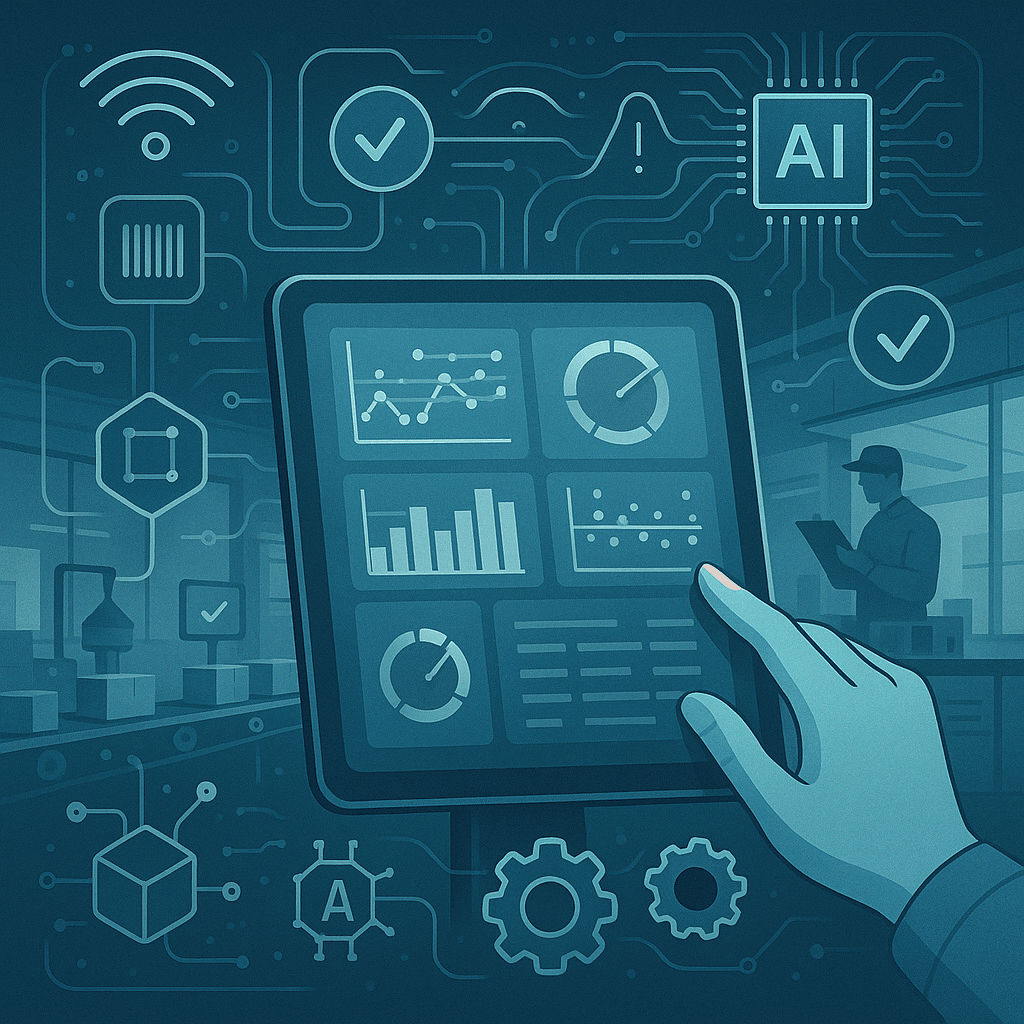
Database-Based Quality Management
Data-based quality management is a management approach that systematically employs data collection, analysis, and interpretation processes to continuously monitor, control, and improve the quality of an organization’s products, services, and processes. This approach integrates traditional quality management principles with digital technologies such as big data, artificial intelligence, the Internet of Things (IoT), and advanced analytics. Its primary objective is to shift from a reactive error-c
EN
Ömer Said Aydın
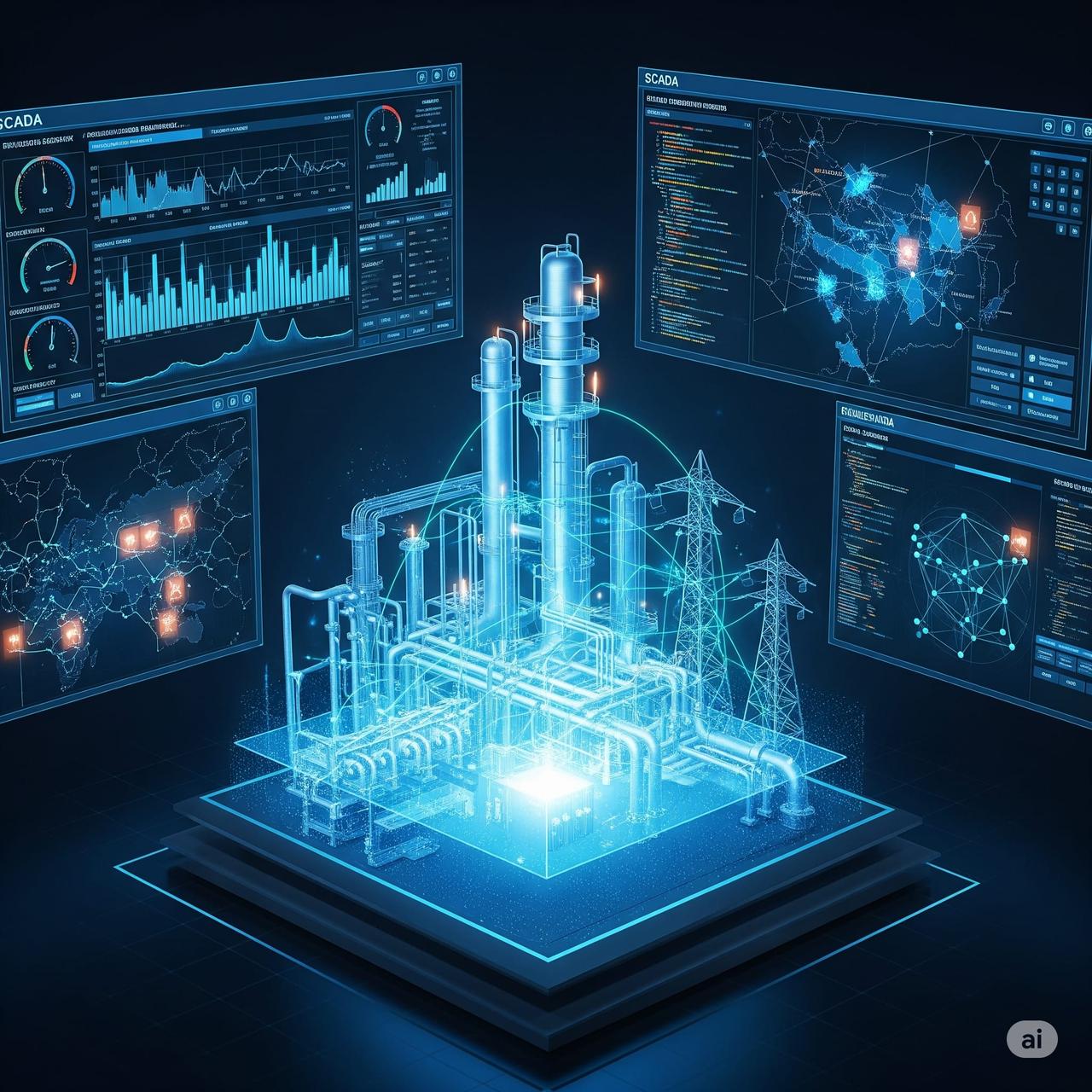
SCADA Systems
SCADA (Supervisory Control and Data Acquisition), known in Turkish as Centralized Monitoring and Data Collection, is a system composed of software and hardware components designed to monitor, control, and manage industrial and infrastructure processes from a central location. These systems collect real-time data from various devices spread across wide geographic areas or complex industrial operations, process this data, present it to operators in a meaningful format, and enable remote control of
EN
Furkan Üresin

Digital and Next-Generation Tourism Applications
Digital and next-generation tourism applications constitute a set of technological innovations that have evolved in parallel with Industry 4.0 and are fundamentally transforming the tourism sector. This transformation encompasses the integration of technologies such as artificial intelligence (AI), the Internet of Things (IoT), virtual reality (VR), augmented reality (AR), big data analytics, and blockchain into every stage of the travel experience. The process is reshaping a broad spectrum of t
ENÖmer Said Aydın
Siber Physical Systems
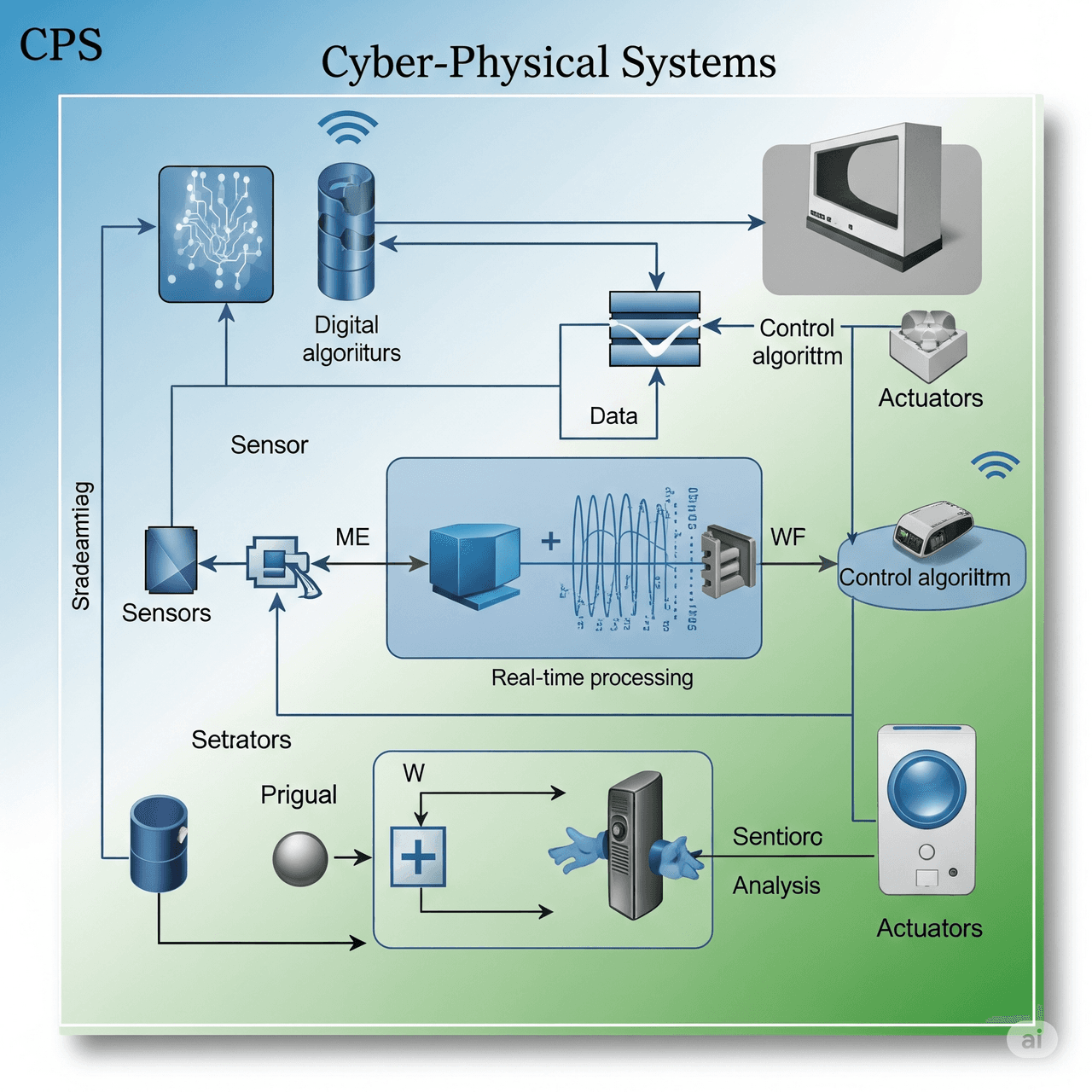
Cyber-Physical Systems (CPS) are integrated structures in which physical processes interact in real time with digital computing systems. In these systems, the physical world is monitored, analyzed, and intervened upon through embedded sensors, actuators, and control algorithms. CPS are widely used in numerous domains such as modern production lines, transportation infrastructure, smart energy grids, and medical devices, playing a critical role in the digital representation and management of phys
ENEmre Özen
Autonomous Production Cells
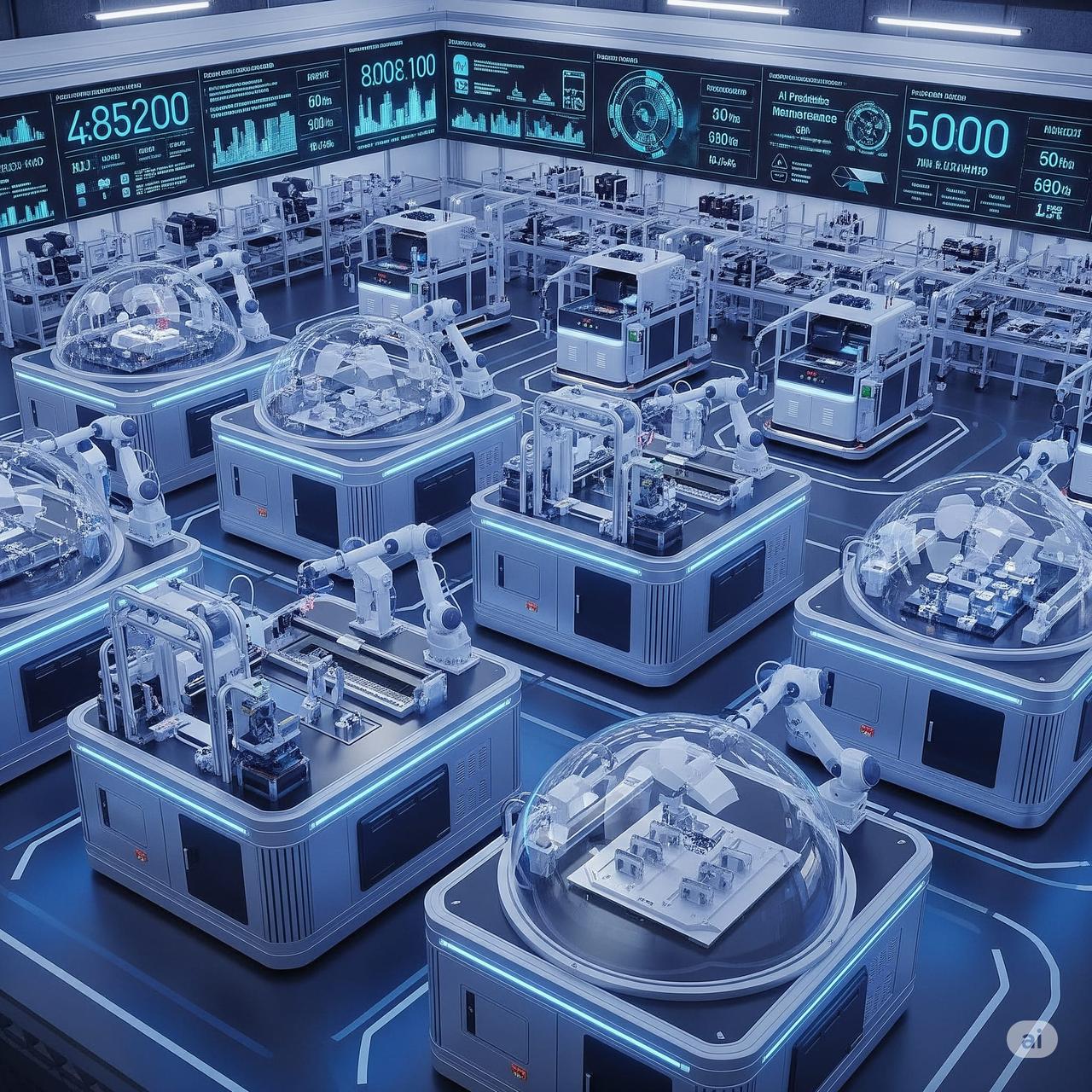
Autonomous production cells are integrated systems designed to enhance efficiency, flexibility, and quality in modern manufacturing industries. These cells consist of industrial robots, machines, sensors, control units, and specialized software working together to perform specific production tasks with minimal human intervention. As one of the foundational pillars of Industry 4.0 and smart factory concepts, autonomous cells enable manufacturers to respond to challenges such as increasing competi
ENFurkan Üresin
Autonomous Production Cells
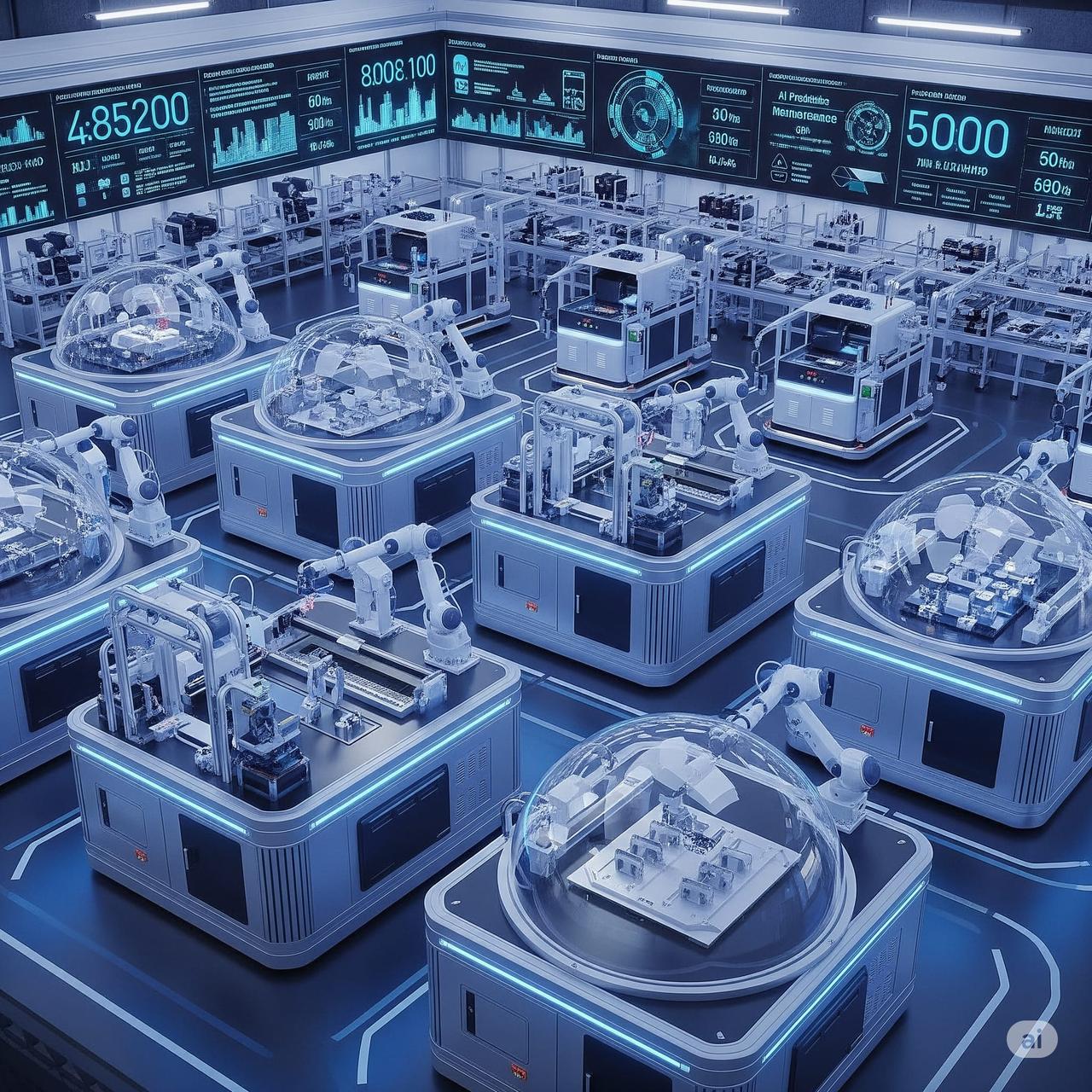
Autonomous production cells are integrated systems designed to enhance efficiency, flexibility, and quality in modern manufacturing industries. These cells consist of industrial robots, machines, sensors, control units, and specialized software working together to perform specific production tasks with minimal human intervention. Autonomous cells, one of the foundational pillars of Industry 4.0 and smart factory concepts, enable manufacturers to respond to challenges such as increasing competiti
EN
Furkan Üresin
Assembly Line
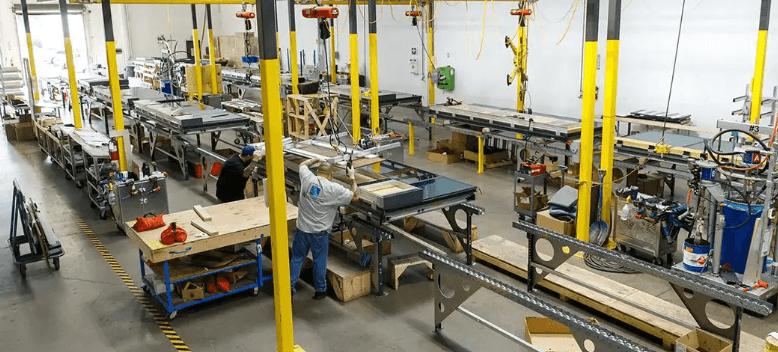
Assembly line (Assembly Line) is a production system in which the components of a product are assembled in a specific sequence, and workers or machines perform designated tasks at each step of the production process. Typically, raw materials or semi-finished goods are introduced at the beginning of the line, and the final product is completed as it progresses to the end of the line. Assembly lines increase production speed and efficiency while reducing labor costs. Assembly lines maintain a cent
ENBeyza Nur Türkü