

`industrial-revolution` Related Article Results
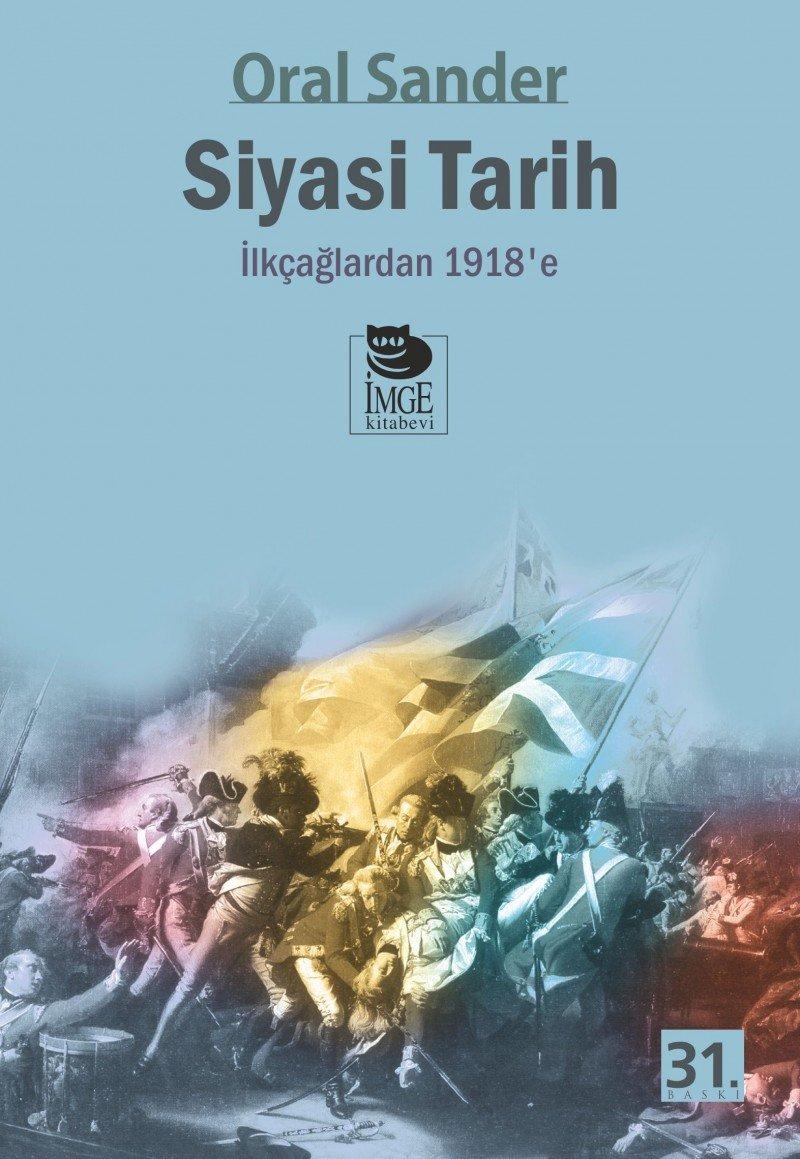
Political History: From Antiquity to 1918 (Book)
Oral Sander is an academic who has made significant contributions to the fields of international relations and political science in Türkiye. Sander, recognized as one of the pioneers of international relations theory in Türkiye, has left a lasting mark in his field through both his academic activities and his publications. Oral Sander’s book Political History: From Ancient Times to 1918 is a comprehensive work examining the political development of humanity. The book traces the transformation of
EN
Ahsen Karakaş
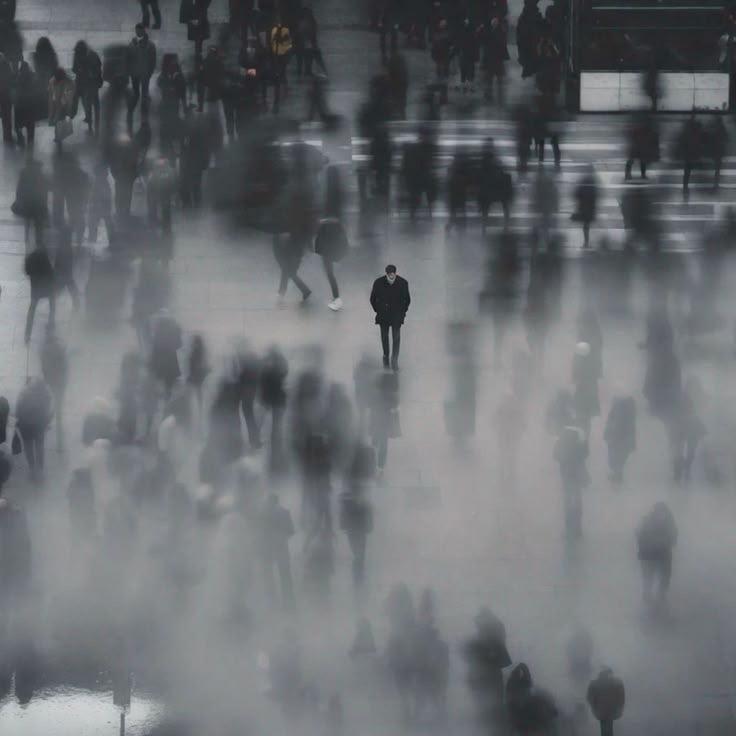
Loneliness Among Crowds
With the advent of the Industrial Revolution, not only markets and economic relations but also human life underwent a profound transformation. In the pre-industrial era, people lived in small settlements, on agricultural lands, within communities dominated by face-to-face relationships. In this context, social relations were tighter, based on mutual dependence, and rooted in the community. People worked together on the same tasks, produced the same goods, participated in the same rituals, and sh
EN
Eceay Öz
 Ma
MaMalthusian Trap
Malthusian trap, or low-level equilibrium trap, refers to a situation in which an economy, despite technological progress, fails to achieve a sustained increase in income per capita over the long run, and population remains confined to subsistence levels. This concept is based on Thomas Robert Malthus’s 1798 work. Malthus argued that an increase in agricultural productivity would not lead to a lasting improvement in living standards but would instead result in population growth. The theory rests
ENYunus Emre Yüce

Steam Locomotive
A steam locomotive is a railway vehicle that generates mechanical energy by directing pressurized steam and converts this energy into motive power. At its core, water is converted into steam within a boiler heated by fuel—typically coal; the resulting steam is then transformed into motion through a piston or similar mechanism, causing the wheels to rotate. These machines, operating on rails, have been used for both freight and passenger transport in their locomotive function. The continuous avai
EN
Yusuf İslam Tuğla
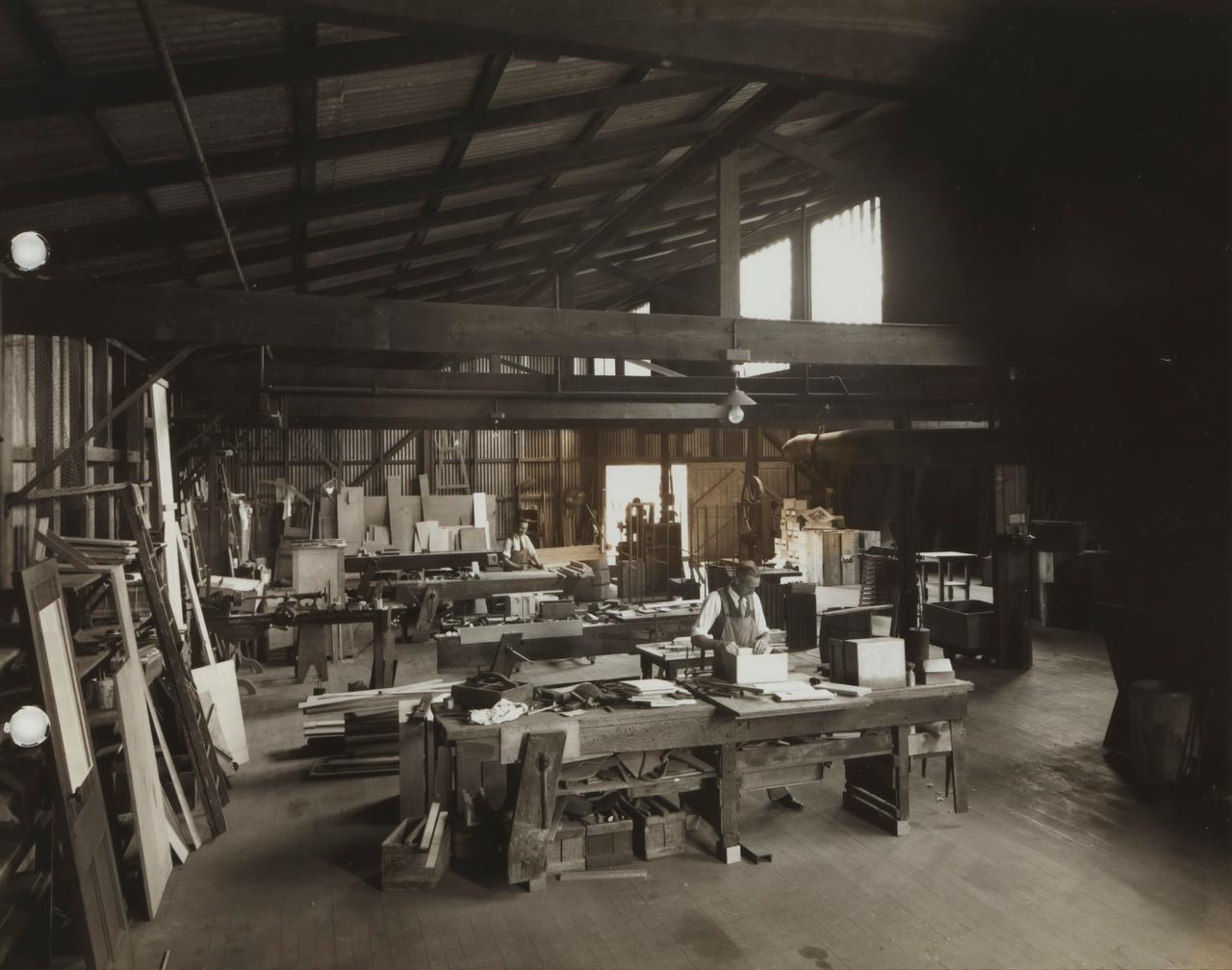
Arts and Crafts Movement
The Arts and Crafts movement is a multidisciplinary art, design, and architectural movement that emerged in the second half of the 19th century in England as a response to the mass production ethos introduced by the Industrial Revolution. It championed handcraftsmanship, naturalness, and craftsmanship over industrial standardization. This movement developed not only as an aesthetic orientation but also as an ideological stance, forming a comprehensive reaction against alienation of labor, discon
EN
Esra Özkafa
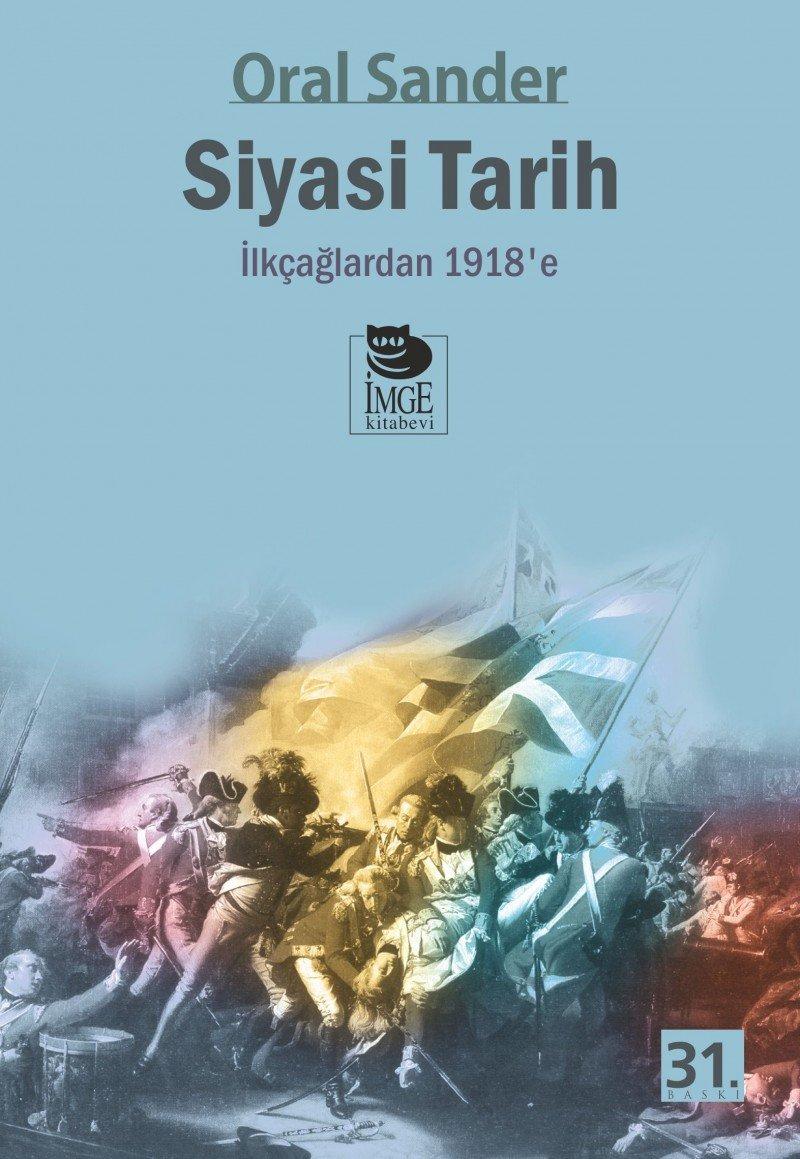
Political History: From Antiquity to 1918 (Book)
Oral Sander is an academic who has made significant contributions in the fields of international relations and political science in Türkiye. Sander is recognized as one of the pioneers of modern international relations theory in Türkiye and has left a lasting mark in his field through both his teaching activities and his scholarly works. His book Political History: From Ancient Times to 1918 is a comprehensive study of the political development of humanity. The book examines the transformation o
EN
Ahsen Karakaş
InIndustry
Industry (n.): A sector that involves the processing of raw materials, the use of energy sources, and the application of technological systems for production. Etymology: The term "industry" is derived from the French word "industrie," which itself originates from the Latin word "industria," meaning "effort" or "diligence." With the Industrial Revolution, the concept of industry evolved into a broad term symbolizing a significant transformation in production and labor fields. Applications: Histor
EN
Furkan Üresin

Steam Locomotive
A steam locomotive is a railway vehicle that generates mechanical energy by directing pressurized steam and converts this energy into motive power. At its core, water is converted into steam within a boiler heated by fuel (typically coal); the resulting steam is then transformed into motion through a piston or similar mechanism, causing the wheels to rotate. These machines, running on rails, have been used for both freight and passenger transportation due to their locomotive function. The contin
EN
Yusuf İslam Tuğla

Breakpoint
A breakpoint is a critical moment or event in an individual, social, or historical process during which fundamental changes occur. After this point, the previous order or situation becomes unsustainable and a transition to a new era begins. The term is used across many fields including physics, economics, psychology, politics, and history such as. A visual illustrating a breakpoint " image-alternate="" image-element-format="right"> Historical Breakpoints Throughout history, numerous breakpoin
EN
Abdulkadir Akyüz
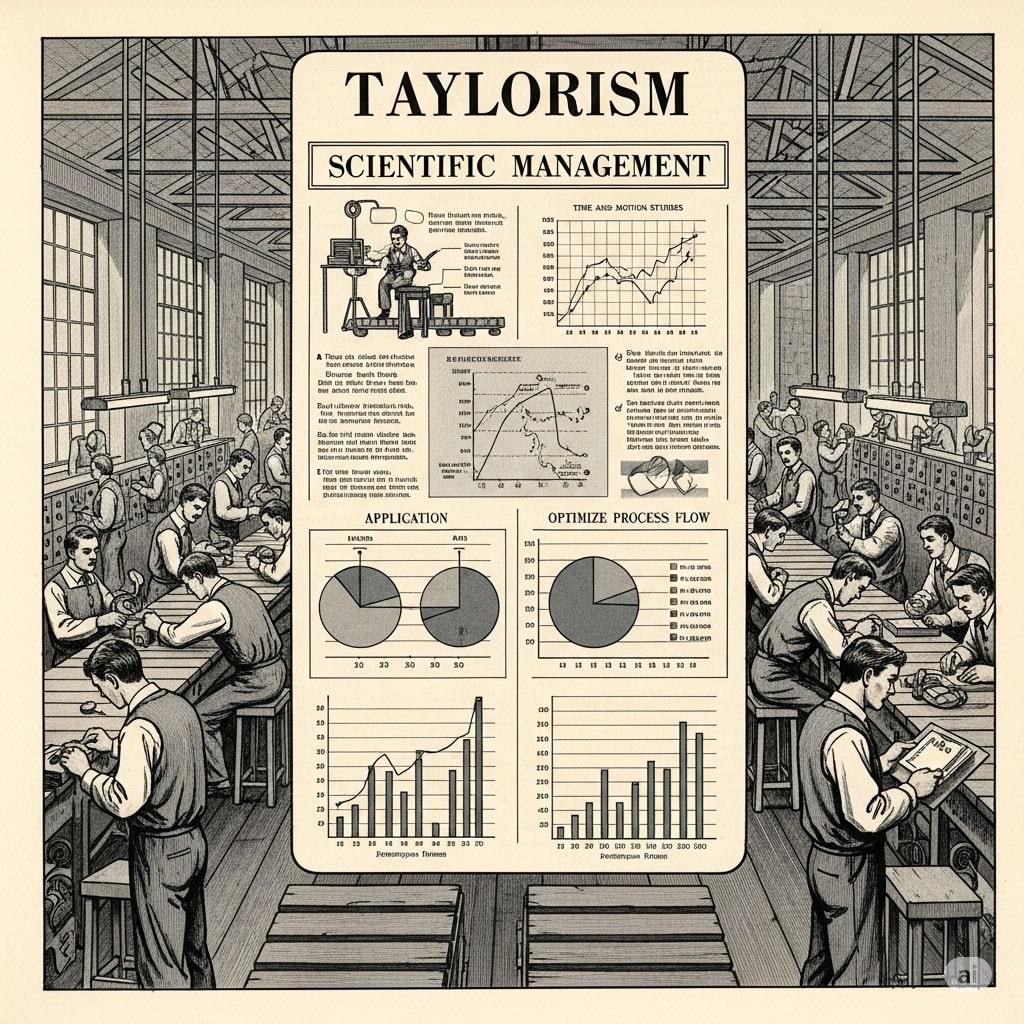
Taylorism Scientific Management Approach
Scientific Management, also known as Taylorism, is a management philosophy developed in the early 20th century by Frederic Winslow Taylor. This approach aimed to maximize efficiency in production during a period of rapid industrialization. Life and Career Frederic Winslow Taylor was born on 20 March 1856 in Philadelphia into a family of lawyers. He earned a degree in mechanical engineering from the Stevens Institute of Technology in New Jersey at the age of 25 while working full-time. He began h
EN
Nursena Şahin