This article was automatically translated from the original Turkish version.
+2 More
Definition | It is the first rail transport vehicle powered by steam. | ||||||||
|---|---|---|---|---|---|---|---|---|---|
Operation | Water heated in the boiler turns into steam, which drives the pistons. | ||||||||
Fuel | Coal, wood, or fuel oil. | ||||||||
Invention | Early 19th century, George Stephenson (Rocket, 1829). | ||||||||
First Use in Türkiye | 1856, İzmir–Aydın line. | ||||||||
Historical Significance | It was the primary power of transportation during the Industrial Revolution. | ||||||||
Today | It is used in tourist and nostalgic trains. | ||||||||
A steam locomotive is a railway vehicle that generates mechanical energy by directing pressurized steam and converts this energy into motive power. At its core, water is converted into steam within a boiler heated by fuel—typically coal; the resulting steam is then transformed into motion through a piston or similar mechanism, causing the wheels to rotate. These machines, operating on rails, have been used for both freight and passenger transport in their locomotive function.
The continuous availability of steam, generated and directed under control through fuel combustion, made steam locomotives an indispensable component of transportation from the 19th century onward. This technology, rapidly spreading alongside the Industrial Revolution, became the primary power source for railway transport and played a key role in expanding international trade and social mobility.
Steam locomotives are significant technical instruments developed in the early 19th century as a product of the Industrial Revolution, bringing fundamental changes to transportation. The fundamental principle underlying these machines is the conversion of steam energy into mechanical motion. This advancement contributed to the simultaneous rise of coal, iron, and machinery industries, primarily in England and across Europe, leading to profound transformations in transportation systems. Steam locomotives did not merely represent technological progress; they also brought about the reshaping of social, economic, and military structures.
The use of the “Rocket” locomotive, developed by George Stephenson in England, on the Liverpool–Manchester line in 1829 is widely regarded as the starting point of modern railway transport. Initially employed to transport coal from mines to ports, this system was later adapted for intercity passenger transport. Following England, railway systems were established in other industrialized nations such as France, Germany, Belgium, and the United States, leading to the widespread adoption of steam locomotives.
As railways expanded, steam locomotives played a vital role not only in urban and intercity transport but also in strengthening economic and administrative structures. They were actively used in numerous areas including the delivery of agricultural and mining products to ports, accelerating domestic trade, and standardizing transportation. Additionally, they fulfilled critical functions in military logistics, being used to transport troops and supplies to the rear fronts during wartime.
By the first half of the 20th century, many countries began operating steam locomotives with local personnel; maintenance, repair, and partially production processes were made sustainable through domestic technical expertise. This process was regarded as an important step toward technical independence.
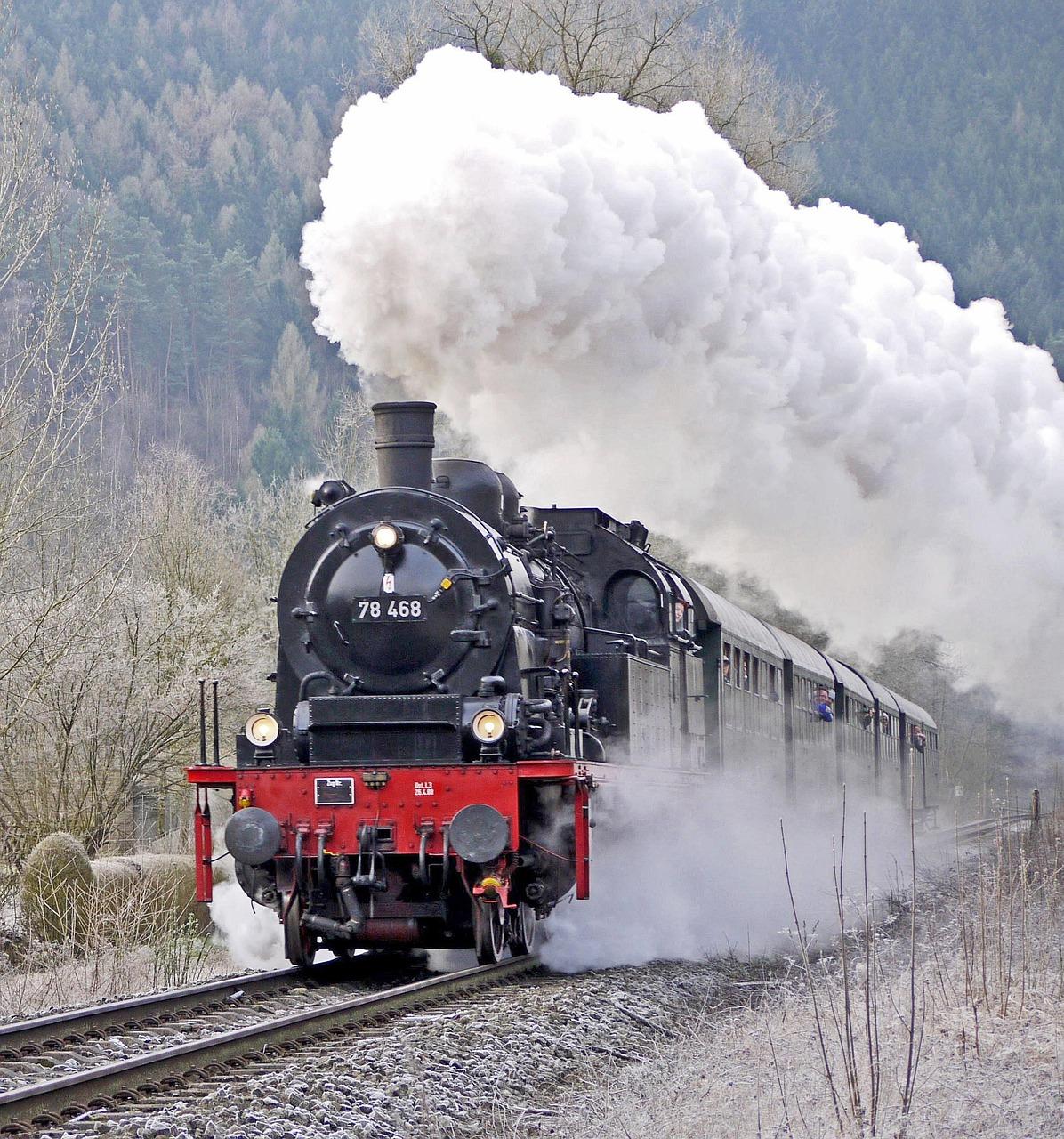
Steam Locomotive (Blackout_Photography, Pixabay)
From the mid-19th century, the Ottoman Empire closely followed the development of industrial and railway technologies in Europe and took steps to transform its transportation systems accordingly. The use of steam locomotives on Ottoman territory must be regarded as an essential component of this modernization process. Alongside the administrative and technical reforms of the Tanzimat Era, railways were brought to the center of state policy, with the goal of enhancing economic, military, and administrative efficiency through infrastructure development.
In this context, the İzmir–Aydın line, construction of which began in 1856, is recorded in history as the first railway line on Ottoman territory. Built with British engineering and capital, it was completed in 1866, and the first steam locomotives began operating on the line. The İzmir–Aydın line was not merely a transportation project; it also demonstrated the Ottoman Empire’s interest in and efforts to align with European technological advancements.
Subsequently, new railway lines were constructed across various regions of the Ottoman territory, beginning with the Rumeli Railways. These lines played vital roles in facilitating internal transport and delivering agricultural and mineral products to ports. In addition to military logistics, the need for rapid communication between provincial centers and administrative hubs made steam locomotives strategically important.
During this period, the Ottoman state had not yet developed its own industrial infrastructure, so steam locomotives as well as related materials such as rails, sleepers, wagons, and maintenance equipment were predominantly imported from Britain, France, Germany, and Austria. However, this dependency on foreign sources was later addressed through initiatives aimed at achieving domestic production.
The structure of personnel employed in railway operations reflected the multi-ethnic and multicultural nature of Ottoman society. Senior managerial positions were largely held by Europeans, while technical and mid-level roles were filled by Ottoman Christian subjects. Meanwhile, Muslim Ottoman citizens worked in field-based tasks such as maintenance, track construction, and train service. This structure exemplifies the characteristic labor distribution of the era.
The 93 War (1877–1878) and the Balkan Wars were periods of significant losses for Ottoman railways. Large portions of the railway network in Rumelia were lost during these conflicts, directly affecting the state’s transportation and logistics strategies. The loss of these heavily invested lines to foreign control prevented the recovery of costs and imposed additional financial burdens on the state treasury due to mileage guarantees granted to foreign companies.
During World War I, the Ottoman Empire extensively utilized its railways for military purposes, transporting troops and supplies to the front lines using steam locomotives. To enable more effective and sustainable operation of the railway system, the Şimendifer Memurları Mektebi (School for Railway Officials) was established in 1915. This institution marked the first systematic effort to train local technical personnel.
The post-war period marked a new direction in railway policy with the founding of the Republic of Türkiye. The foundations laid during the Ottoman era became the starting point for the Republic’s national transportation strategies. Particularly after the proclamation of the Republic, the railway network in Türkiye was expanded, and steps toward locomotive production were institutionalized.
At this point, the foundations of Türkiye Lokomotif ve Motor Sanayi A.Ş. (TÜLOMSAŞ), which holds a significant place in Türkiye’s railway history and especially in its domestic production process, trace back to the Cer Workshops established during the Ottoman period. This institutional continuity reflects the transmission of technical heritage and experience from the Ottoman era to the Republic. One of the earliest significant outcomes of this legacy occurred following a visit by Prime Minister Adnan Menderes to the Eskişehir Cer Workshops in 1957, which set a clear target. In 1961, the Karakurt locomotive produced in Eskişehir became the symbol of this process as Türkiye’s first domestically manufactured steam locomotive. With a power output of 1915 horsepower and a top speed of 70 km/h, the Karakurt represented not only a technical achievement but also the culmination of Turkish engineering and labor.
A key figure behind all these developments is Behiç Erkin. He served in military roles during the Ottoman period and played an active role in organizing railway logistics during the Gallipoli Campaign and the National Struggle. In the early years of the Republic, he became the founder and first General Manager of the State Railways. Simultaneously a diplomat and politician, Behiç Erkin played a pioneering role in the institutionalization of Turkish railways and is thus known as the “Father of Railways.” He was honored with the Grand National Assembly Citation and the Independence Medal for his contributions during the War of Independence.
The process that began with the import and use of steam locomotives during the Ottoman era was integrated during the Republic with technical knowledge, industrial infrastructure, and institutional memory, enabling Türkiye to reach the stage of producing its own locomotives and railway systems. These developments demonstrate how the Ottoman-era railway vision was transformed into a planned, national transportation strategy during the Republic.
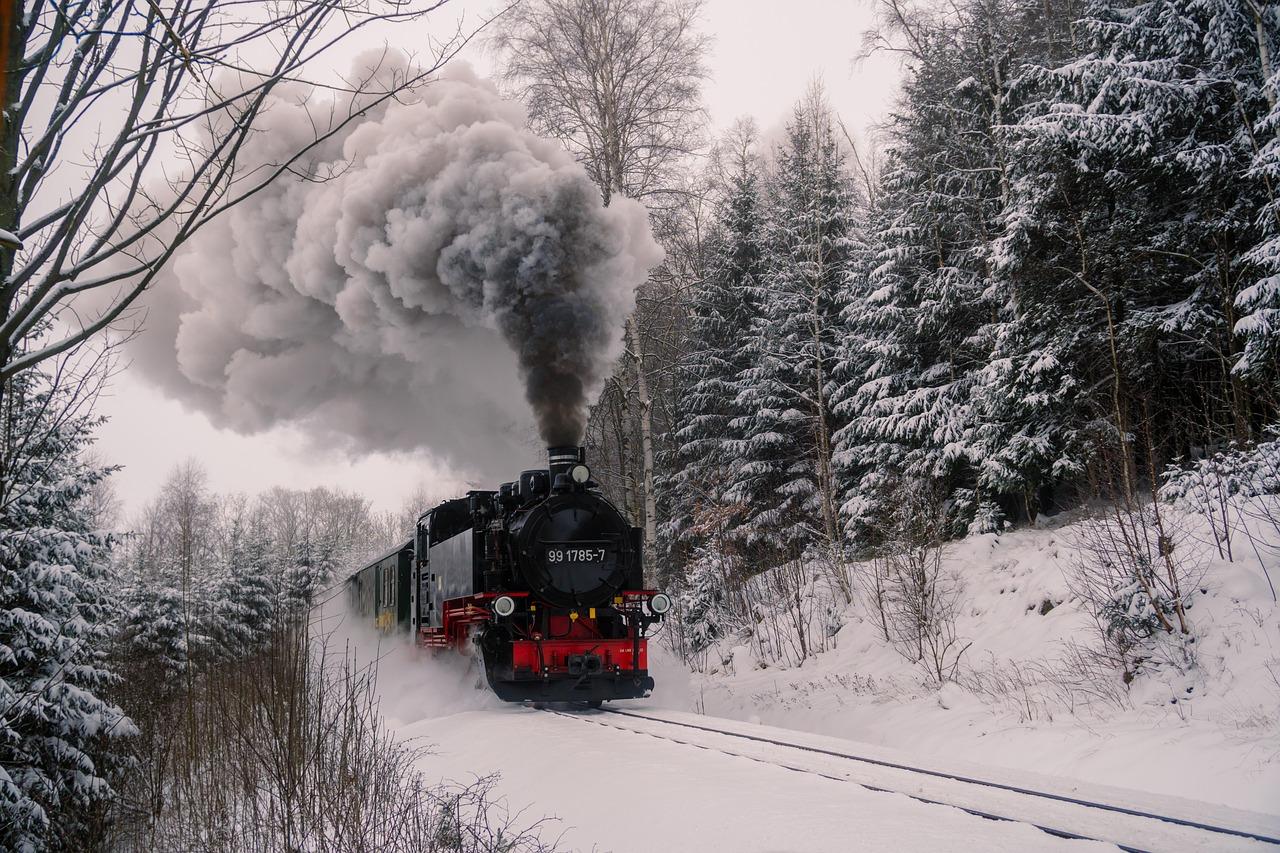
Steam Locomotive (DeniseHenze, Pixabay)
One of the turning points in Türkiye’s railway history was the production in 1961 of the Karakurt, the country’s first domestically manufactured steam locomotive. Built entirely through the labor of Turkish engineers and workers at the Eskişehir Railway Factory, this locomotive marked the beginning of domestic railway vehicle production.
By the late 1950s, Türkiye was heavily dependent on foreign imports for locomotives and wagons used in railway transport. However, the experience gained in railway operations, the strengthening of maintenance and repair infrastructure, and the training of technical personnel transformed the idea of domestic production into a concrete goal. In 1958, the Eskişehir Cer Workshops were reorganized as the Eskişehir Railway Factory, and the necessary planning and engineering work for the production of the first domestic locomotive commenced.
Over a three-year production process, all major components of the locomotive were manufactured domestically. Production of the boiler, frame, axle assembly, braking system, and tender was carried out in different manufacturing units of the factory. Thus, Türkiye achieved the capacity not only to maintain and repair locomotives but also to manufacture complete locomotives using its own resources.
The Karakurt is a five-axle steam locomotive with a 1E axle arrangement. It operates on a standard gauge of 1,435 millimeters and has an operating weight of 106.9 tons. The locomotive measures 22,900 millimeters from buffer to buffer. Its main driving wheels have a diameter of 1,450 millimeters, while the guide wheels measure 850 millimeters. The axle load is 19.5 tons, and the distance between axles is 1,500 millimeters.
The Karakurt has a tractive effort of 18,500 kilogram-force and a cylinder diameter of 660 millimeters. Its boiler operates at a steam pressure of 16 technical atmosphere units (atü) and generates 1,915 horsepower. Equipped with a Knorr steam braking system, its tender carries 20 tons of coal, 29 tons of water, and 11 tons of fuel. After its production, it remained in active service for 25 years, hauling both freight and passengers.
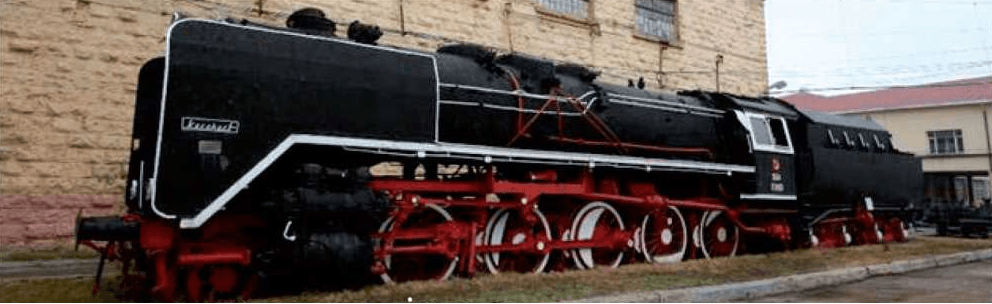
Türkiye’s First Domestic Steam Locomotive Karakurt (Cultural Portal)
Steam locomotives operate based on the principle of converting heat from fuel into steam, and then transforming that steam into mechanical motion. The primary energy source, coal, is burned in a specialized chamber called the boiler. The heat generated during combustion causes the water inside the boiler to evaporate into steam. This high-pressure steam is directed through a component known as the steam chest into the cylinders.
Inside the cylinders, the steam drives pistons in a reciprocating linear motion. This linear motion is converted into rotary motion through a crank and connecting rod mechanism, which transfers the motion to the wheels, thereby propelling the locomotive. After performing its function, the steam is expelled into the atmosphere through the exhaust chimney. This system operates as an open-cycle steam cycle, not a closed one.
The locomotive’s boiler does not merely produce steam; it also incorporates auxiliary equipment such as water feed systems, safety valves, and pressure gauges. If the water level is not properly maintained, the boiler may dry out, leading to the risk of catastrophic boiler explosions. Therefore, operating a steam locomotive requires technical expertise and constant vigilance.
Steam locomotives used on Ottoman territory operated according to this same fundamental principle and were managed in accordance with European technical systems. The majority of imported locomotives were sourced from Britain, France, Germany, and Austria, and their technical specifications and operational systems were fully adopted by Ottoman railway administrations.
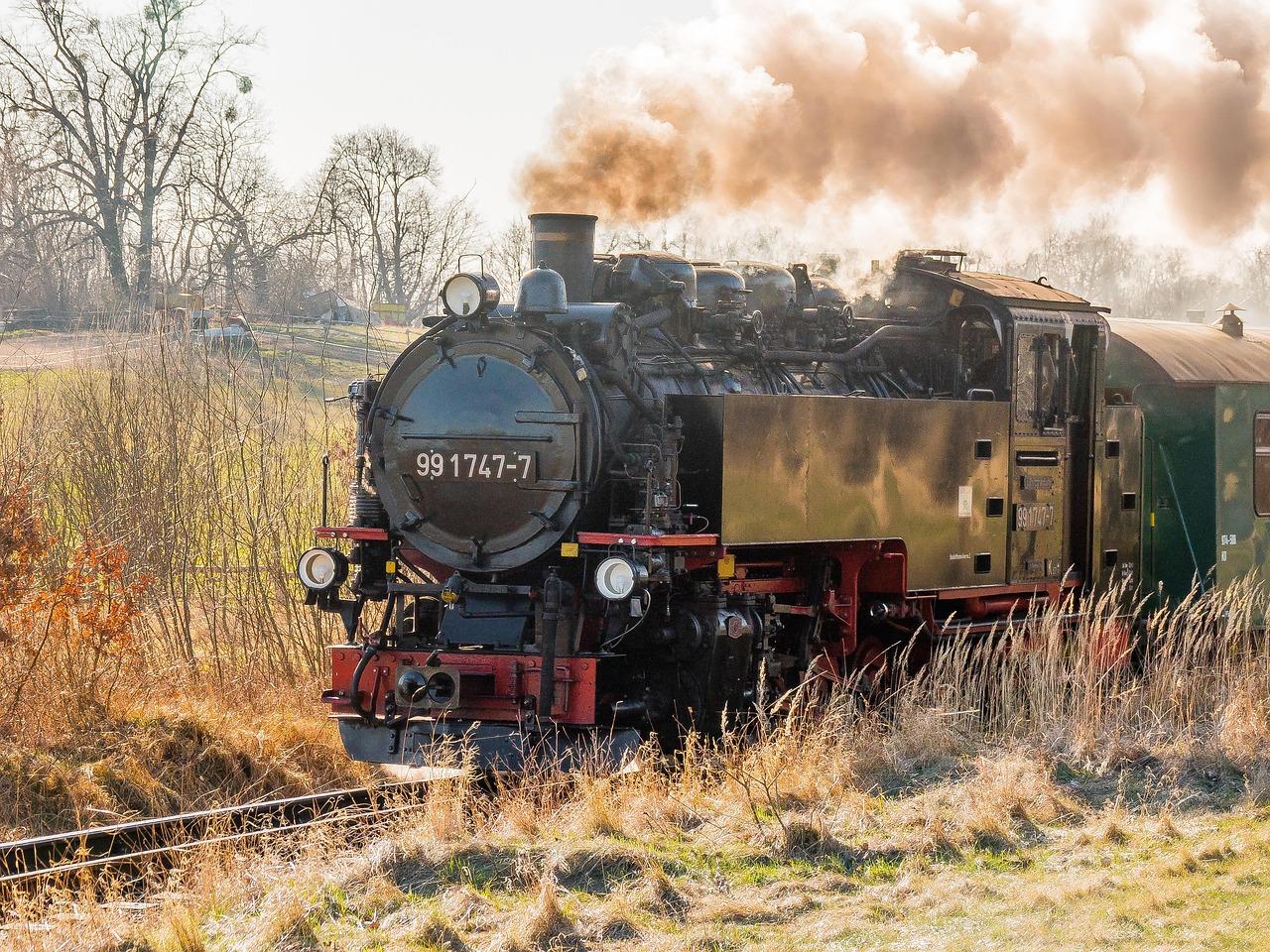
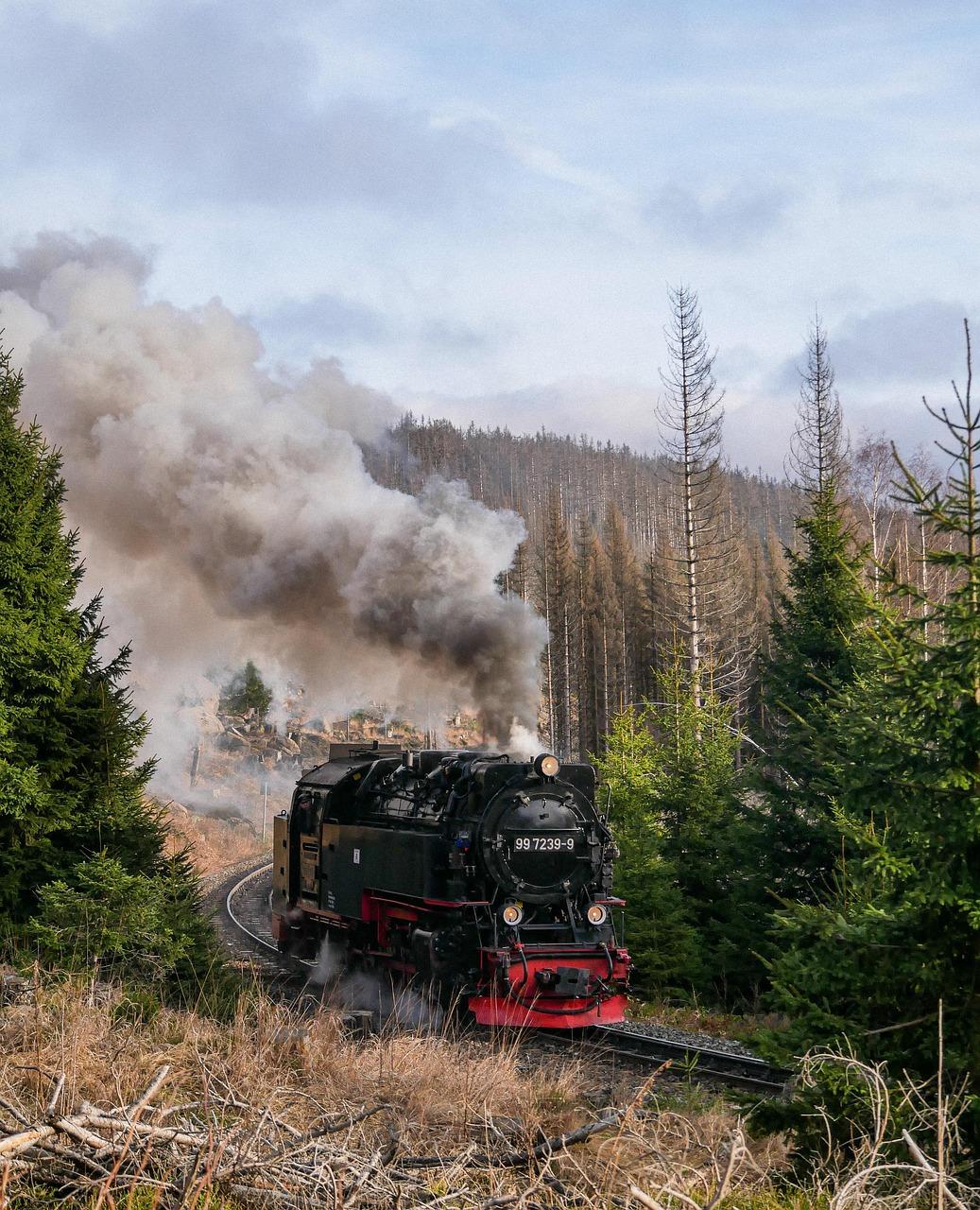
Steam Locomotive (MandrillArt, Pixabay)
Steam locomotives are complex systems composed of specific technical components that enable their fundamental operation. These components are organized to facilitate the process of converting fuel combustion heat into steam, and steam into mechanical motion. The key technical components of steam locomotives are as follows:
Boiler: The central element of the steam locomotive. Fuels such as coal are burned here to generate steam from water within the boiler. The resulting steam forms the primary source of mechanical power that propels the locomotive.
Cylinders and Pistons: High-pressure steam from the boiler is directed into the cylinders, where it drives the pistons in a reciprocating linear motion. This linear motion represents the first physical stage in converting energy into locomotive movement.
Crank and Connecting Rod Mechanism: The linear motion of the pistons is converted into rotary motion through this mechanism, which transmits the motion to the wheels, enabling the locomotive to move along the rails.
Wheel Set and Frame: This system transfers the mechanical motion generated by steam to the ground and enables the locomotive to move smoothly and controllably along the rails.
Exhaust System: After completing its function, the steam is expelled through the smokestack. This process is essential for maintaining continuous operation of the system.
Coal Bunker and Water Tank: Located at the rear of the locomotive, these compartments supply the necessary fuel and water. Continuous operation requires regular replenishment of fuel—primarily coal—and water.
The technical components of steam locomotives used in the Ottoman Empire generally corresponded to those found in standard locomotive models imported from Britain, France, Germany, and Austria. Due to the limited capacity of the state’s own engineering infrastructure, all these components were operated based on foreign technical knowledge, and maintenance and repair processes were also carried out by foreign personnel.
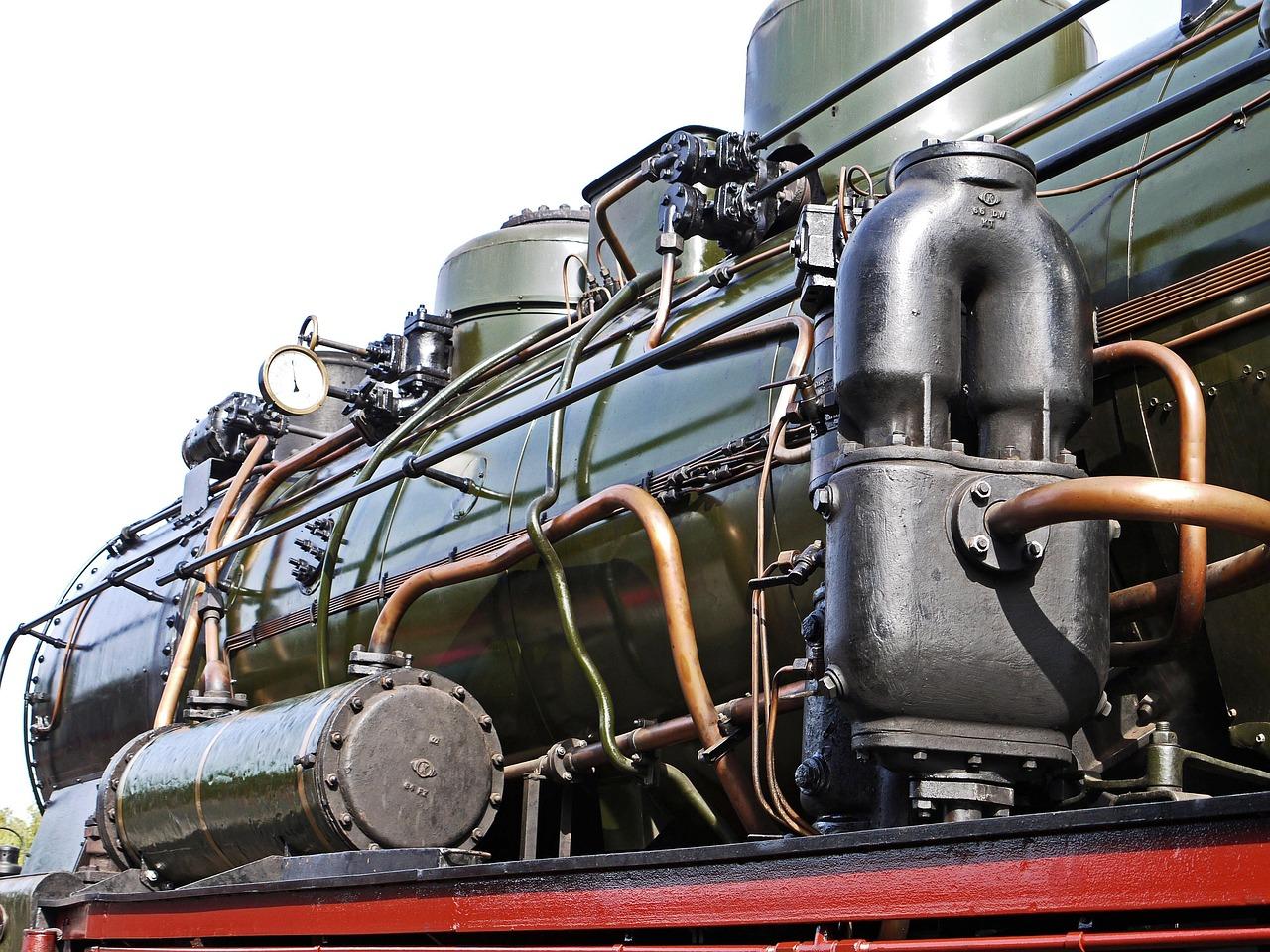
Steam Locomotive Boiler System (hpgruesen, Pixabay)
Steam locomotives, based on the principle of converting steam into mechanical energy, were first used in 1825 on the Stockton–Darlington line in England. Developed by George Stephenson, this locomotive traveled at a speed of 20 kilometers per hour, and this success triggered rapid global expansion of railway construction.
Steam locomotives elevated railway transport above other forms of land transport, significantly increasing capacity for both freight and passenger services. This development created the foundation for the rapid expansion of railway lines connecting industrial regions to ports in countries such as Britain, France, Germany, Belgium, and the United States. Indeed, the world’s total railway length, which stood at 38,600 kilometers in 1850, reached 108,000 kilometers by 1860, 209,000 kilometers by 1870, 372,500 kilometers by 1880, and 616,200 kilometers by 1890.
Thanks to steam locomotives, railways became not only a means of transport but also the primary instrument of economic exploitation, centralized administrative control, and military mobility. For example, Britain used its railway investments in India to transport the country’s natural resources to global markets and suppressed India’s domestic production. This illustrates how railways were also used by imperial powers as tools of economic control.
Similarly, in the Ottoman Empire, the use of steam locomotives was viewed as a means to enhance military and administrative control over the countryside. Ottoman railways, by establishing direct connections with Europe, integrated the empire into the global economy. By 1914, the Ottoman railway network had exceeded 12,000 kilometers, serving as evidence of this development.
Although electric trains were first introduced in the United States in 1895 and gradually replaced steam locomotives with electric and diesel locomotives, the steam system formed the foundational building block of railway transport. By the early 20th century, the world’s total railway length had reached 1,110,000 kilometers, with steam locomotives playing a decisive role in this growth.
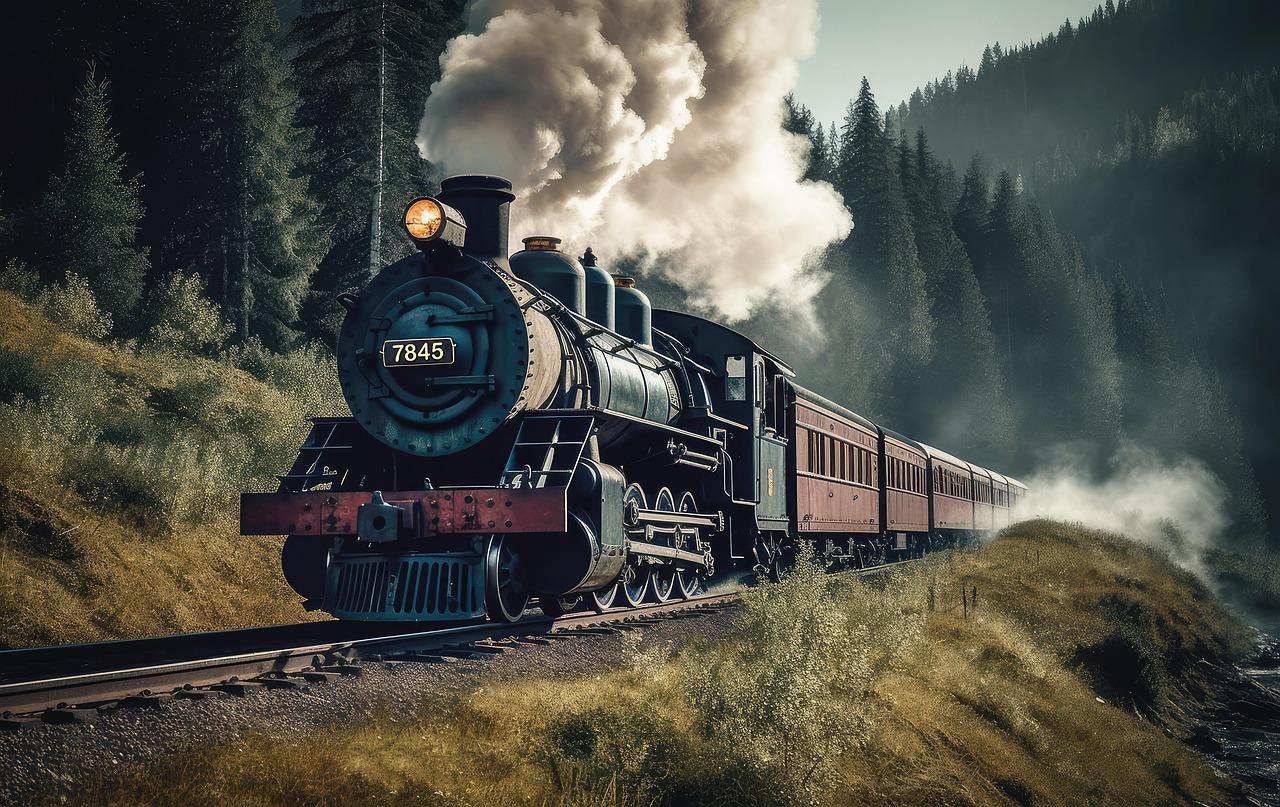
Steam Locomotive (Franz26, Pixabay)
DEÜ Tren Archive. "Tren Gezileri – 25.02.2008." Accessed August 3, 2025.https://web.deu.edu.tr/berent/tren/geziler/trgz_250208.html
History Alberta. "Alberta’s First Discoveries." Early Coal History to 1900, Coal, Alberta’s Energy Heritage. Accessed August 3, 2025.
History Alberta. "The Steam Engine, the Industrial Revolution and Coal." Early Coal History to 1900, Alberta’s Energy Heritage. Accessed August 3, 2025.
Kâhya, Esin. "Türkiye'de İlk Demiryolları." Belleten 52, no. 202 (April 1988): 209–218. Accessed August 3, 2025.
Kültür ve Yaşam. "Lokomotifin Tarihi." Kültür ve Yaşam. Accessed August 3, 2025.
Linda Hall Library. "04. Locomotives." The Transcontinental Railroad: A History of Railroad Technology. Accessed August 3, 2025.
MEGEP (Mesleki Eğitim ve Geliştirme Programı). Raylı Sistem Araçları. Accessed August 3, 2025.
National Board of Boiler and Pressure Vessel Inspectors. "Description of Construction and Inspection Procedure for Steam Locomotive and Fire Tube Boilers." National Board Bulletin (National Board Classic Series), Summer 1994. Accessed August 3, 2025.
Selçuk Belediyesi. “Çamlık Açık Hava Buharlı Lokomotif Müzesi.” Accessed August 3, 2025.https://www.selcuk.bel.tr/camlik-acik-hava-buharli-lokomotif-muzesi
T.C. Kültür ve Turizm Bakanlığı. "Tülomsaş Müzesi / Devrim ve Karakurt." Türkiye Kültür Portalı. Accessed August 3, 2025.
Tamçelik, Soyalp. “Osmanlı Dönemi Demiryollarının Tarihî Gelişimi İçerisinde Siyasî ve İktisadî Sosyal Etkileri.” Makale (PDF). DergiPark. Accessed August 3, 2025.https://dergipark.org.tr/tr/download/article-file/686847
Trains Magazine. "How a Steam Locomotive Works." Trains.com. Accessed August 3, 2025.
TÜBİTAK. "Buharlı Lokomotifler." *Bilim ve Teknik*, Volume 28, Issue 334 (September 1995?): p. 50. PDF file. Accessed August 3, 2025.https://services.tubitak.gov.tr/edergi/yazi.pdf;jsessionid=gn+6Jl8d6j8RyUyDZQ-ewJyX?dergiKodu=4&cilt=28&sayi=334&sayfa=50&yaziid=8464
TÜRASAŞ Devrim Arabaları Müzesi. "İlk Yerli Buharlı Lokomotif ‘Karakurt’." Accessed August 9, 2025.http://devrimarabasi.com.tr/karakurt-lokomotifi/

Definition | It is the first rail transport vehicle powered by steam. | ||||||||
|---|---|---|---|---|---|---|---|---|---|
Operation | Water heated in the boiler turns into steam, which drives the pistons. | ||||||||
Fuel | Coal, wood, or fuel oil. | ||||||||
Invention | Early 19th century, George Stephenson (Rocket, 1829). | ||||||||
First Use in Türkiye | 1856, İzmir–Aydın line. | ||||||||
Historical Significance | It was the primary power of transportation during the Industrial Revolution. | ||||||||
Today | It is used in tourist and nostalgic trains. | ||||||||
History of Steam Locomotives
Steam Locomotives in the Ottoman Empire and Türkiye
Türkiye’s First Domestic Steam Locomotive: Karakurt
Production Decision and Initiation of the Process
Technical Specifications
Operating Principles of Steam Locomotives
Technical Components of Steam Locomotives
Impact of Steam Locomotives on Modern Railway Systems