

`individualtransformation` Related Article Results
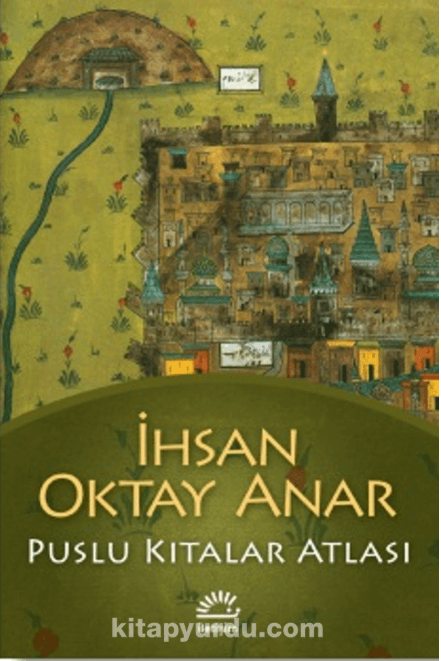
Atlas of Misty Continents (Book)
Puslu Kıtalar Atlası, İhsan Oktay Anar’ın karakteristik style, is recognized in Turkish literature as a work that unites imagination and reality. The novel transports its readers to 17th-century Istanbul under the Ottoman Empire, offering a world enriched with philosophical inquiries and fantastical elements. The author has crafted a multi-layered narrative that deeply examines the individual’s quest for truth and the complexity of human nature. Puslu Kıtalar Atlası " image-alternate="" image-el
EN
Ahsen Karakaş

Carrying Oneself
Evening had fallen. The bag carried on the shoulder all day was finally left by the door. The key turned, shoes were removed, and the weight of the day seemed to slowly drain away. But something strange was happening: the bag could be placed on the floor, the coat hung on a hook, the bags carried in hand could be set down. Many burdens of the day could somehow be left behind. Yet there were things that could not be left outside the door. They entered the home with you. Quietly. Every day. Someti
EN
Ebrar Sıla Peri
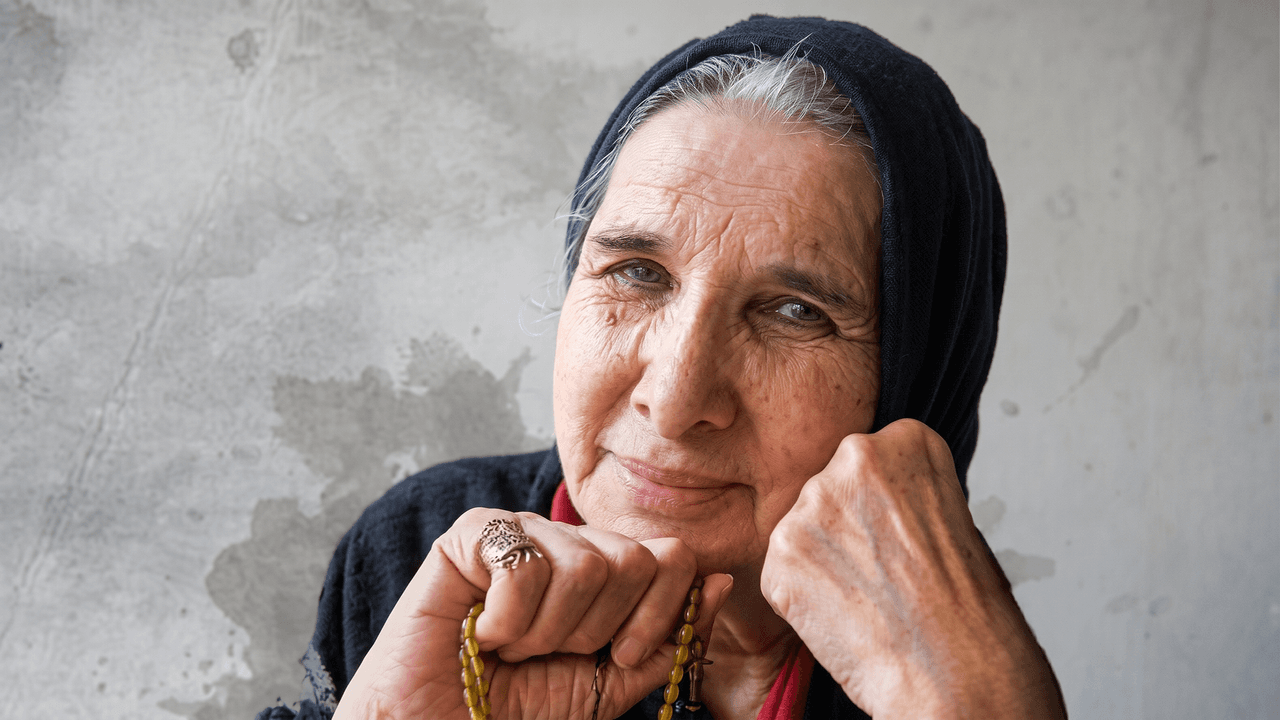
Ayşe Şasa
Ayşe Mihriban Şasa (1 February 1941, Istanbul – 16 June 2014, Istanbul) was a Turkish screenwriter and writer. She authored screenplays for numerous films during the Yeşilçam era and played a significant role in Turkish cinema and cultural life through her cinematic writings memoirs interview books and literary works. Her life was shaped around her childhood years education journey transition to cinema period of psychological distress years of seclusion and her relationship with Sufi thought. Li
EN
Nurten Yalçın