

`hydraulic` Related Article Results
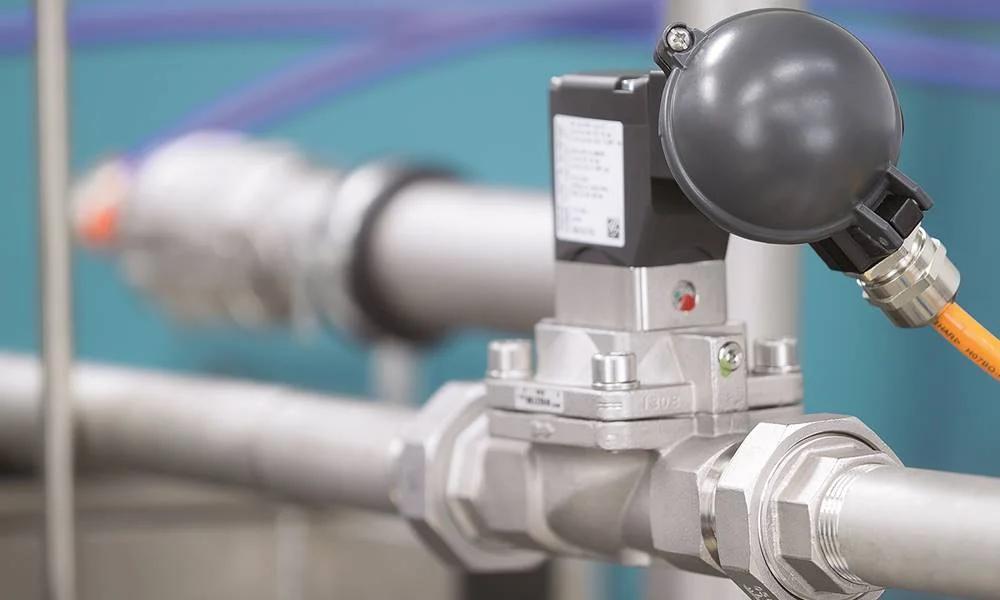
Valve
A valve is a control device used in a fluid system to initiate, stop, direct, or regulate the flow of gases, liquids, or vapors. Valves, as one of the fundamental components of energy systems, piping networks, and industrial automation, are designed in many forms to suit different conditions and application requirements. Basic Structural Features A typical valve consists of the following components: Body: The main structure of the valve through which the fluid flows. It is commonly manufactured
EN
Samet Şahin
 Hy
HyHydraulic Systems
Hydraulic systems are one of the transmission technologies that hold a prominent place in modern engineering and industry. These systems utilize the incompressibility of liquids to convert energy into mechanical motion and are frequently used in applications requiring high power. The fundamental principle of hydraulic systems is based on Pascal’s Law: pressure applied to a liquid in a closed system is transmitted equally to every point in the system. Hydraulic system is a mechanism that transmit
EN
Beyza Nur Türkü
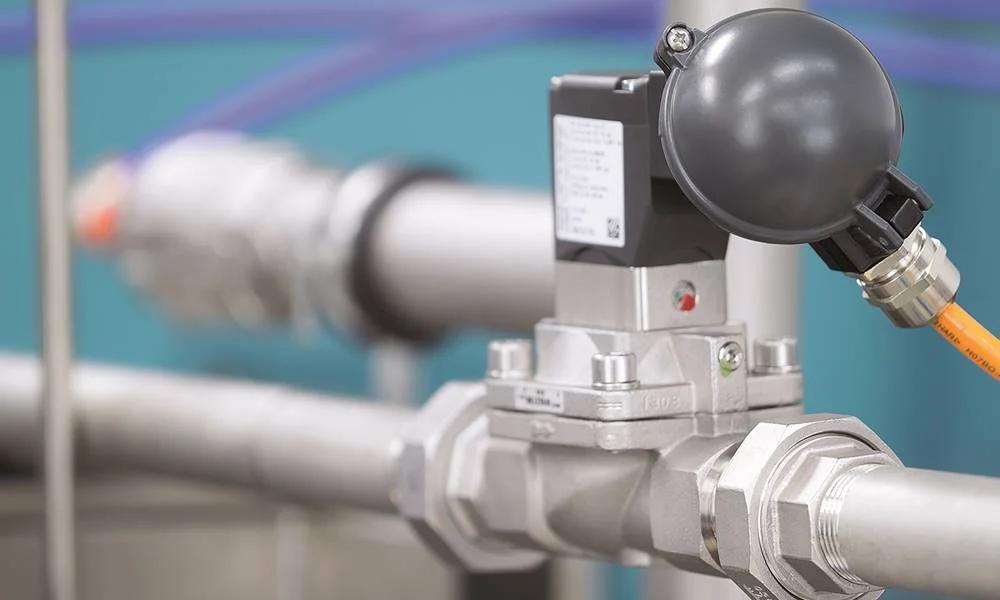
Valve
A valve is a control device used in fluid systems to initiate, stop, direct, or regulate the flow of gases, liquids, or vapors. Valves, as one of the fundamental components of energy systems, piping networks, and industrial automation, are designed in many forms to suit different conditions and application requirements. Basic Structural Features A typical valve consists of the following components: Body: The main structure of the valve through which the fluid passes. It is commonly manufactured
EN
Samet Şahin

Cavitation
Cavitation is a phenomenon that arises due to pressure fluctuations in liquid fluid systems and leads to serious problems in engineering applications. This phenomenon, particularly observed in hydraulic pumps, turbines, and propeller systems in the maritime industry, results in critical consequences such as material erosion, energy loss, and reduced system efficiency. The fundamental mechanism of cavitation lies in the local pressure of the liquid dropping below its vapor pressure, causing insta
ENAbdulkadir Bulut
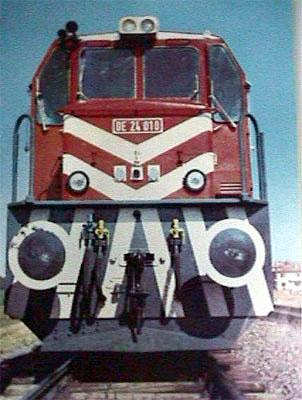
Diesel Locomotive
A diesel locomotive is a railway vehicle that transmits the power generated by an internal combustion diesel engine to the wheels to propel trains. Power transmission is typically achieved through diesel-electric or diesel-hydraulic systems. Emerging in the 20th century to replace steam locomotives, these locomotives became one of the fundamental elements of modern railway transport due to their high efficiency, long range and ability to operate without electrification. History Following the era
EN
Yusuf İslam Tuğla
HyHydraulic Systems
Hydraulic systems are one of the power transmission technologies that hold an important place in modern engineering and industry. These systems utilize the incompressibility of liquids to convert energy into mechanical motion and are frequently used in applications requiring high power. The fundamental principle of hydraulic systems is based on Pascal’s Law: pressure applied to a liquid in a closed system is transmitted equally to every point in the system. A system hydraulic is a mechanism that
ENBeyza Nur Türkü