

`historyoftechnology` Related Article Results
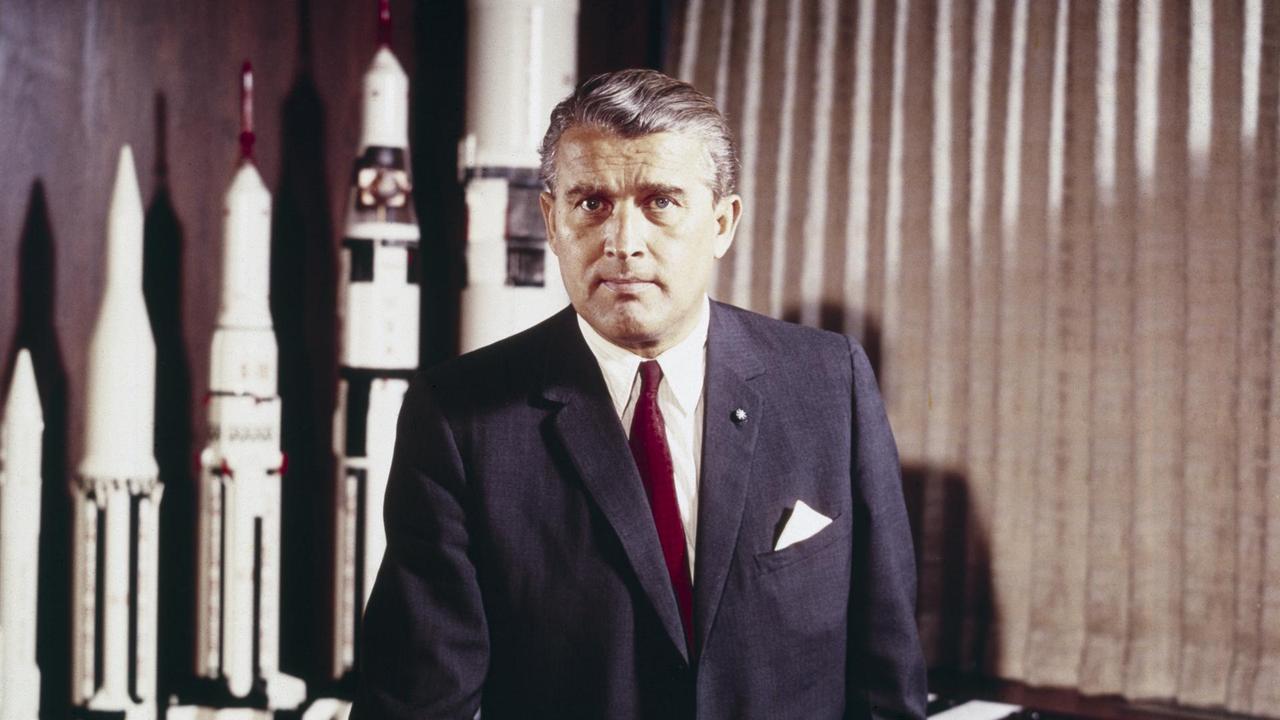
Wernher Magnus Maximilian Freiherr von Braun
Wernher Magnus Maximilian Freiherr von Braun 23 March 1912, in the Prussian region of Germany, was born into an aristocratic family. His father, Baron Magnus von Braun, and his mother, descended from King Valdemar I of Denmark. In childhood, he began showing an interest in science, particularly space; he developed an interest in astronomy by observing stars through a telescope given to him by his mother. The young Wernher read works by science fiction authors such as Jules Verne and H.G. Wells a
EN
Zekeriya Aktaş
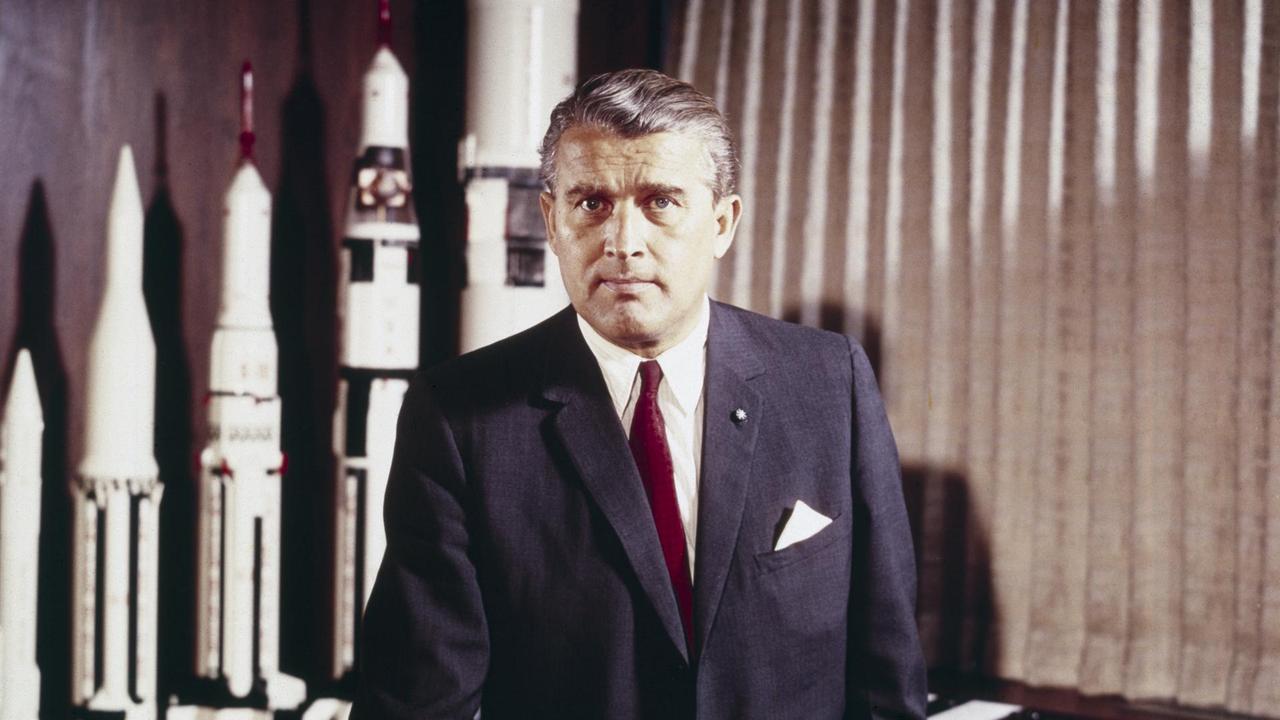
Wernher Magnus Maximilian Freiherr von Braun
Wernher von Braun, as one of the 20th century’s most controversial and influential engineering figures, built a career that began with ballistic missile technologies developed in Nazi Germany and extended to the United States’ human mission to the Moon. He left behind a complex legacy shaped by the tension between his technical genius and his ethical responsibilities. ### Childhood Wernher Magnus Maximilian Freiherr von Braun was born on 23 March 1912 in the Prussian region of Germany into an ar
ENZekeriya Aktaş
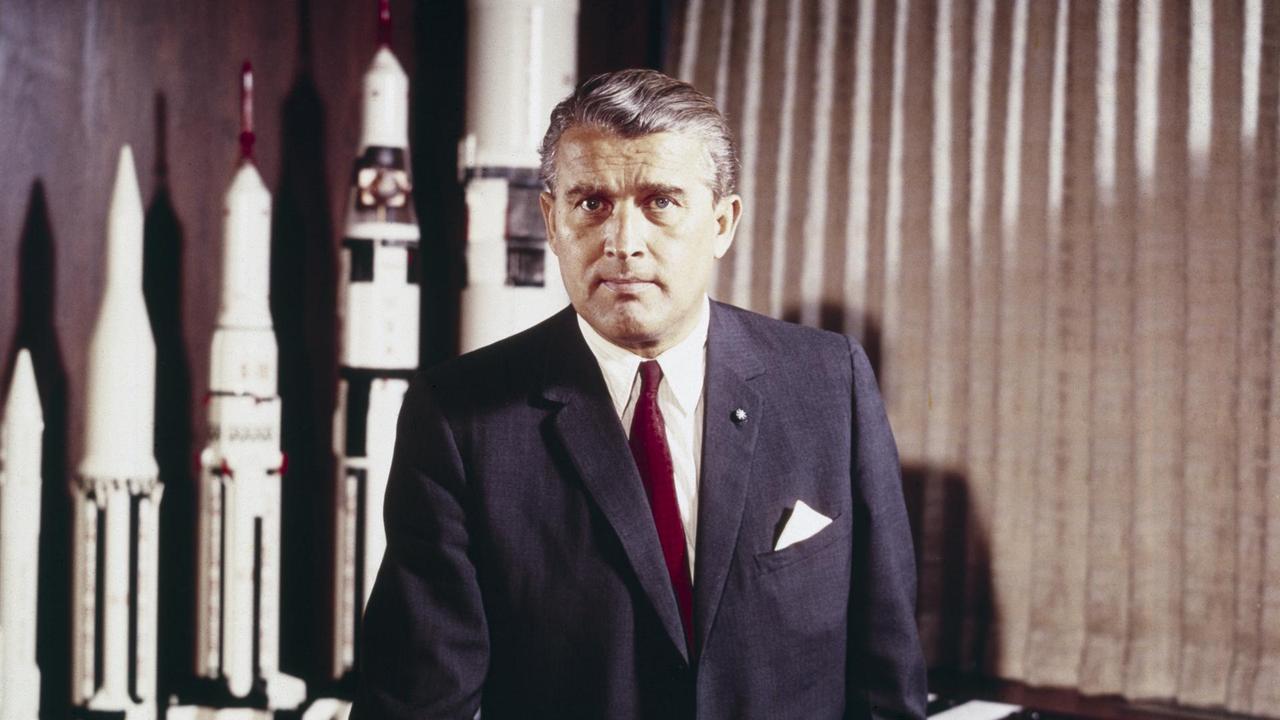
Wernher Magnus Maximilian Freiherr von Braun
Wernher Magnus Maximilian Freiherr von Braun was born on 23 March 1912 in the Prussian region of Germany into an aristocratic family. His father, Baron Magnus von Braun, and his mother, who descended from King Christian I of Denmark, provided him with a privileged upbringing. In childhood he developed a fascination with science, particularly space; he began observing stars through a telescope given to him by his mother and became interested in astronomy. The young Wernher read works by science f
EN
Zekeriya Aktaş
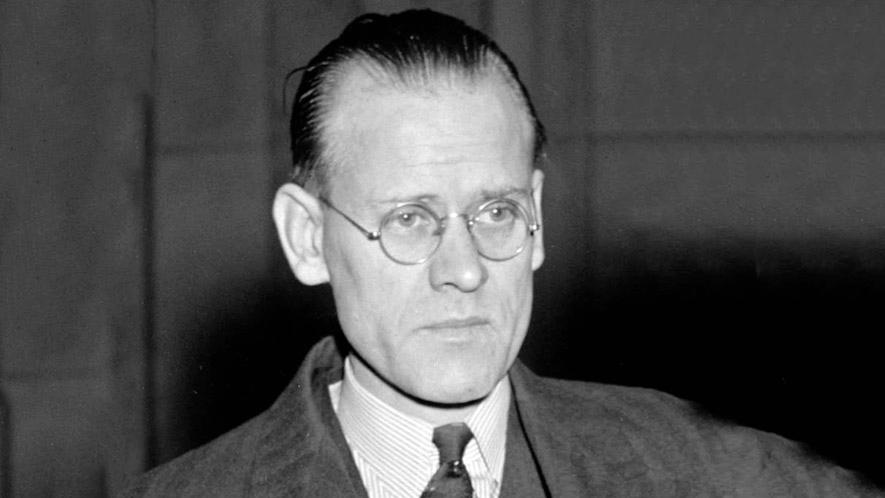
Philo Farnsworth
Philo Taylor Farnsworth (August 19, 1906, Beaver, Utah, United States – March 11, 1971, Salt Lake City, Utah, United States) was an American inventor and pioneer of telecommunications. He is best known for inventing the world’s first fully electronic television system and is therefore regarded as one of the “fathers of television.” Throughout his life, he obtained more than 300 U.S. and foreign patents for electronic and mechanical devices. Early Life and Education Philo Taylor Farnsworth was bo
EN
Nursena Şahin
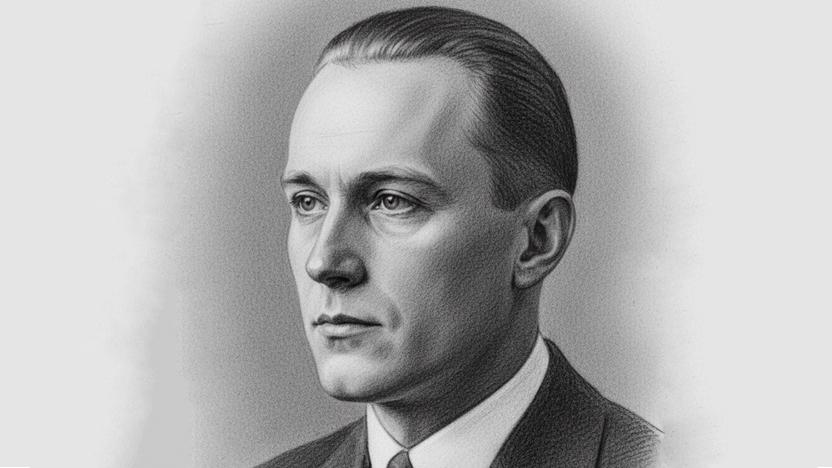
Kalman Tihanyi
Kalman Tihanyi, a Hungarian physicist and engineer born in 1897, played a key role in the development of modern television, one of the technological achievements of the 20th century. He is best known for designing the technology known as the "storage principle," which made the technical realization and industrial mass production of television possible. Early Life and Education Kalman Tihanyi was born on 28 April 1897 in Újbuda, then part of the Nyitra Region of Austria-Hungary (today in Slovakia
ENNursena Şahin
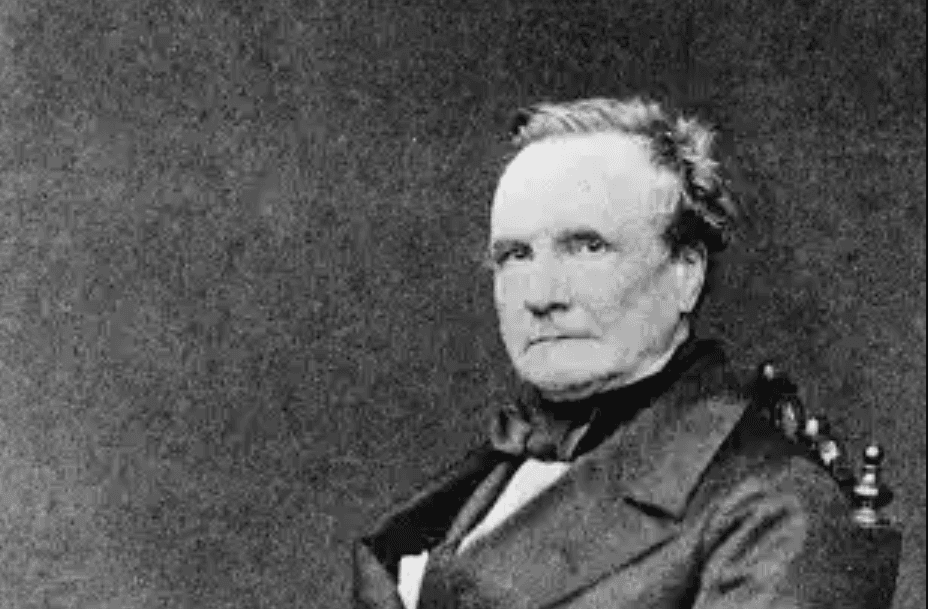
Charles Babbage
Charles Babbage (December 26, 1791, London – October 18, 1871, London) was an English mathematician, philosopher, inventor, and mechanical engineer. He is regarded as a pioneering figure who laid the foundations of modern computers. Babbage is especially known for his Difference Engine and Analytical Engine projects, which are considered precursors to the fundamental principles of computer science. Life and Education Charles Babbage was born on December 26, 1791, in London, into a wealthy family
EN
Faruk Suvay
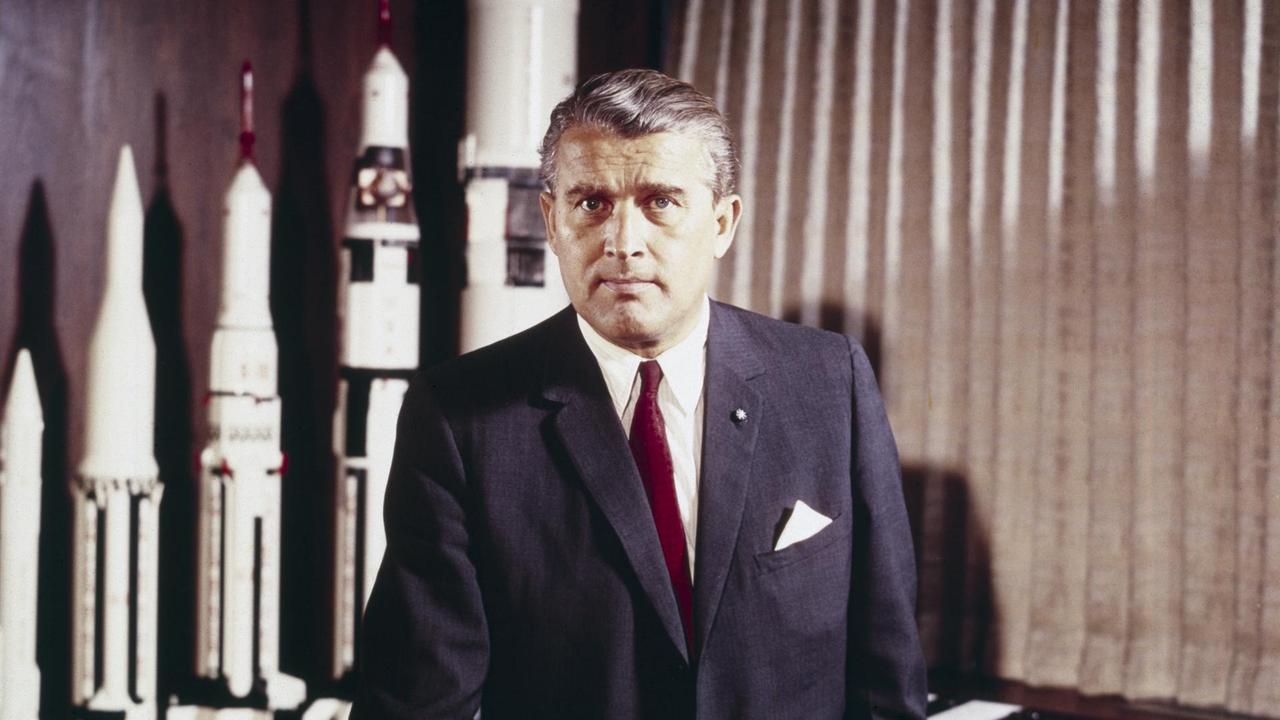
Wernher Magnus Maximilian Freiherr von Braun
Wernher Magnus Maximilian Freiherr von Braun was born on March 23, 1912, in the Prussian region of Germany, into an aristocratic family. His father, Baron Magnus von Braun, and his mother, a descendant of Danish King Valdemar I, belonged to a noble lineage. During his childhood, he became interested in science, particularly space, and developed an interest in astronomy by observing the stars with a telescope gifted by his mother. As a young boy, he read science fiction works by authors like Jule
ENZekeriya Aktaş