

`greek` Related Article Results

Drahoma
Drahoma is a material contribution provided by the bride’s family to the groom or his family during marriage, particularly observed in Ottoman Greek society and Jewish communities. This tradition, prevalent among Greek Jewish and Armenian communities in Greece Thrace and the Aegean islands common, was practiced to ensure the financial security of the marriage and to safeguard women’s economic status through matrimony. Origin and Function of Drahoma Although the origins of drahoma are traced to A
EN
Semanur Polat

Hades (Video Game)
Drawn from ancient Greek mythology, Hades is an action-roguelike game developed by Supergiant Games and released on 17 September 2020. The game is built on a structure in which the cycle of death is woven into the narrative, character relationships shape progression, and each attempt adds a new layer to the story. In this way, it embraces a cyclical framework both mythologically and structurally. The experience gained from Supergiant Games’ previous titles—Bastion, Transistor, and Pyre—is applie
EN
Burak Enes
Greco-Persian Wars
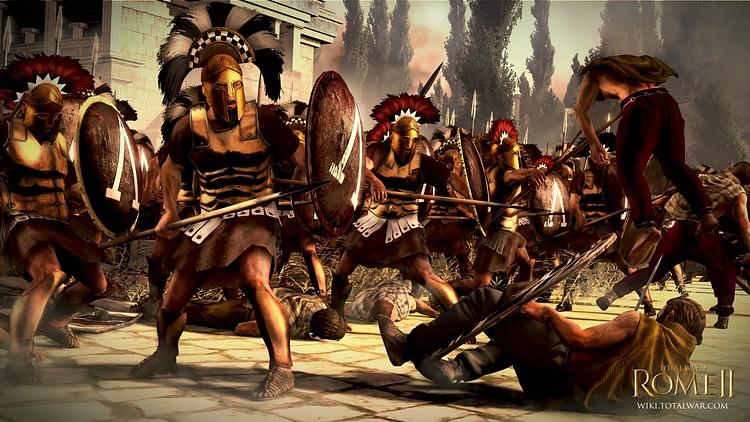
The Persian Empire, whose origins date back to around 550 BCE, significantly expanded its borders by conquering the territories of the Babylonian Empire and the Lydia State in Anatolia. After annexing Anatolia, it organized its territories into local satrapies(It is a system of administration used by the Persians. Each satrapy represents a province.) ">【1】. Following the establishment of the “king Road,” approximately 2500 km long, which facilitated trade between East and West, the Persians s
EN
Mustafa Cem İnci
Persian-Greek Wars
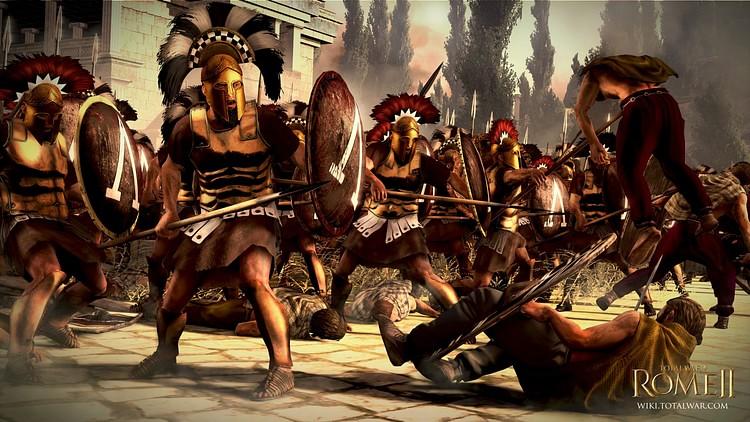
The Persian Empire, whose origins date back to around 550 BCE, significantly expanded its borders by conquering the territories of the Babylonian Empire and the Lydian State in Anatolia. After annexing Anatolia, it organized the regions into local satrapies 【1】 and continued its expansion. Following the creation of the “Royal Road,” approximately 2500 km long, which facilitated trade between the East and the West, the Persians set their sights further afield. In 513 BCE, the Persian army crossin
EN
Mustafa Cem İnci
The History of Mathematics: The Journey of Numbers from Mesopotamia to the Islamic World
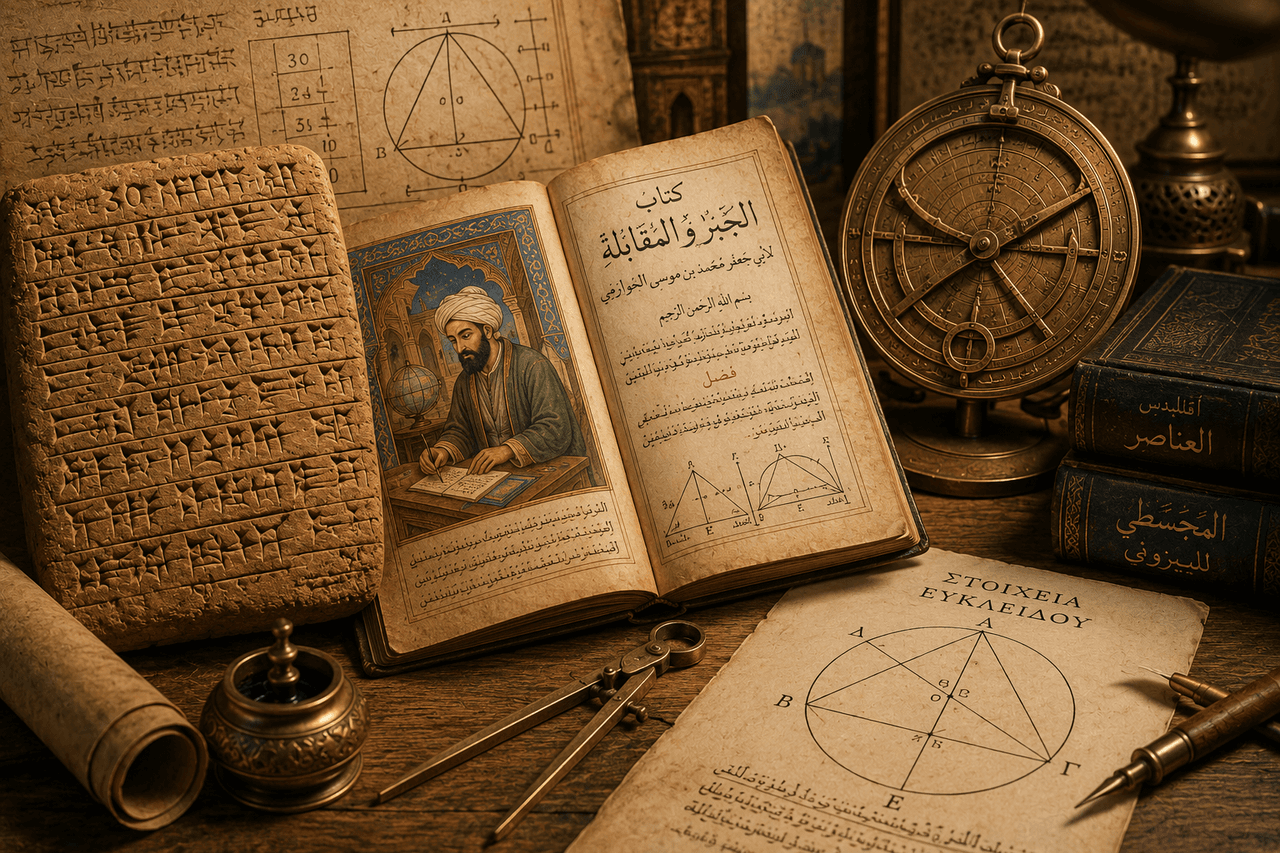
Mathematics is one of the oldest and most important branches of science in human history. Today, mathematics is used in technology, engineering, astronomy, economics, and many areas of daily life; it emerged as the result of thousands of years of accumulated knowledge. From the earliest times, humans have used mathematics to measure time, conduct trade, calculate taxes, define agricultural land, and study the heavens. The word “mathematics” derives from the Greek word mathema, meaning “learning.
EN
Batuhan Hallaç
Enosis
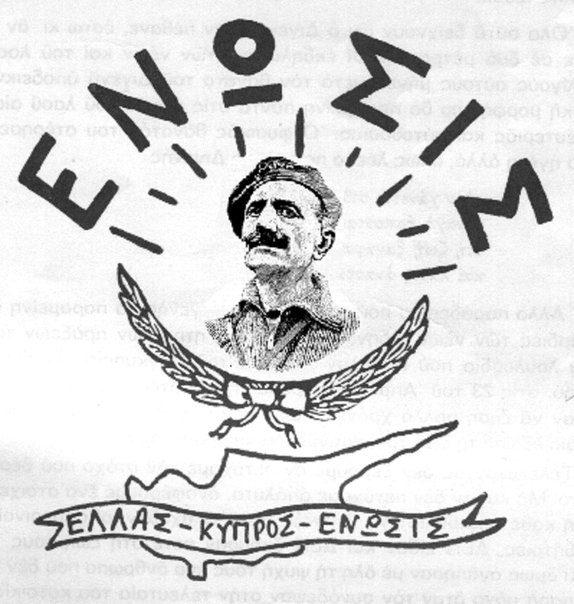
Enosis, the goal of uniting Cyprus with Greece, was shaped within the framework of Megali Idea (Great Ideal), a cornerstone of Greek national ideology. The boundaries depicted in the map published by Rigas Feraios in 1791 were based on the ideal of reviving the Byzantine Empire; Cyprus was shown on this map as Greek territory. Transition to British Rule (1878) and the Hope of Enosis In 1878, the Ottoman Empire’s “temporary” cession of Cyprus to Britain was viewed by Greek Cypriots as a step forw
EN
Duygu Şahinler
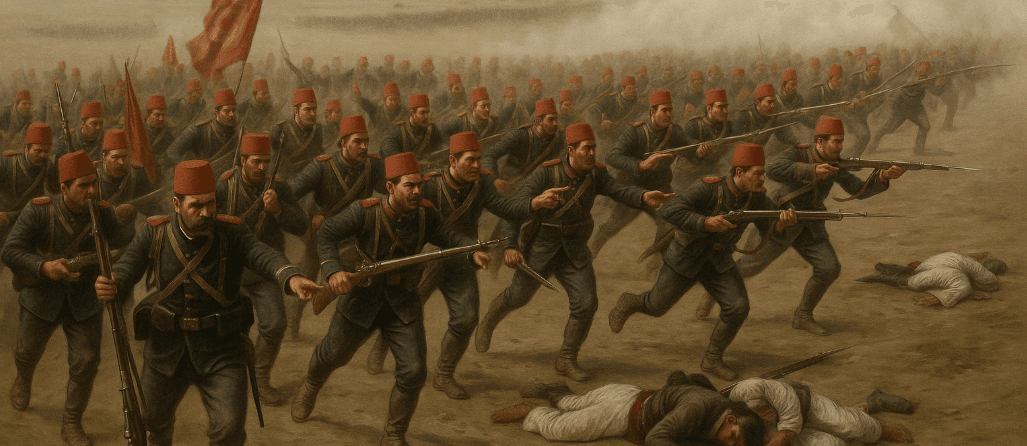
Dömeke Square Battle
The Battle of Domokos on 17 May 1897 was the most decisive phase of the Greco-Turkish War. It erupted as a result of unrest on the island of Crete and Greece’s expansionist policies aligned with the Megali Idea against the Ottoman State. Although the Ottoman army achieved a military victory in this battle, it lost its diplomatic advantage following the peace negotiations that concluded the war. Causes and Course of the Battle By the late 19th century the Ottoman State had suffered significant te
EN
Mehmet Salih Çoban
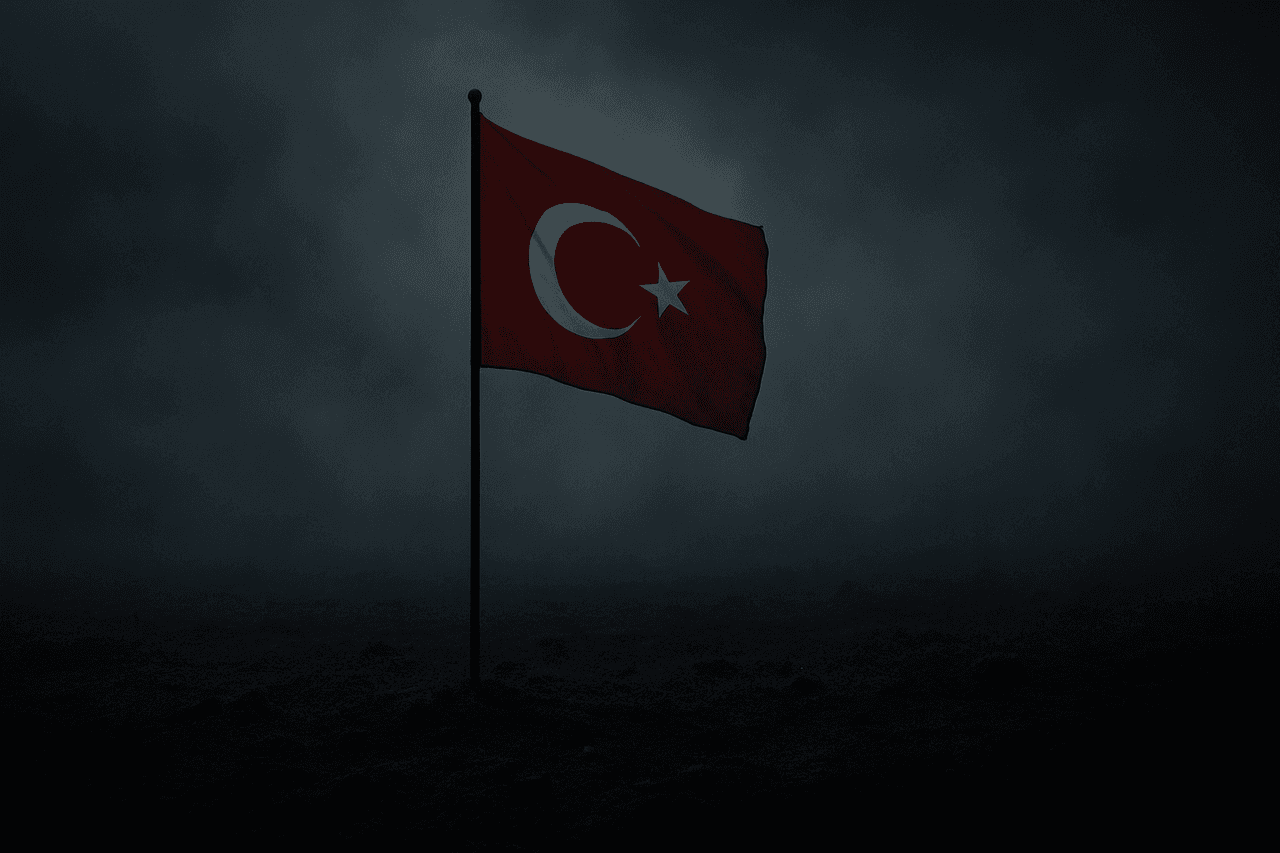
Vrahori (Agrinio) Massacre
The 1821 Vrahori (Agrinio) Massacre was an event in which Muslim Turkish civilians in the region, who had already surrendered their weapons in the first year of the Greek Revolt uprising, were collectively killed by rebel Greek elements. The Greek uprising that began in 1821 triggered a widespread rebellion against Ottoman rule and the Turkish population in the Morea and surrounding areas, leading to violent incidents targeting civilians in various regions. Within this context, Vrahori (modern-d
EN
Yusuf Bilal Akkaya

Drahoma
Drahoma is a material contribution made by the bride’s family to the groom or his family during marriage, particularly observed in Ottoman Rum and Jewish communities. This tradition was widespread among Greek, Jewish and Armenian communities in Greece, Thrace and the Aegean islands, and was practiced to provide financial security for the marriage and to ensure the economic stability of women through marriage. Origin and Function of Drahoma Although the origins of drahoma trace back to Ancient Gr
EN
Semanur Polat