

`first-world-war` Related Article Results
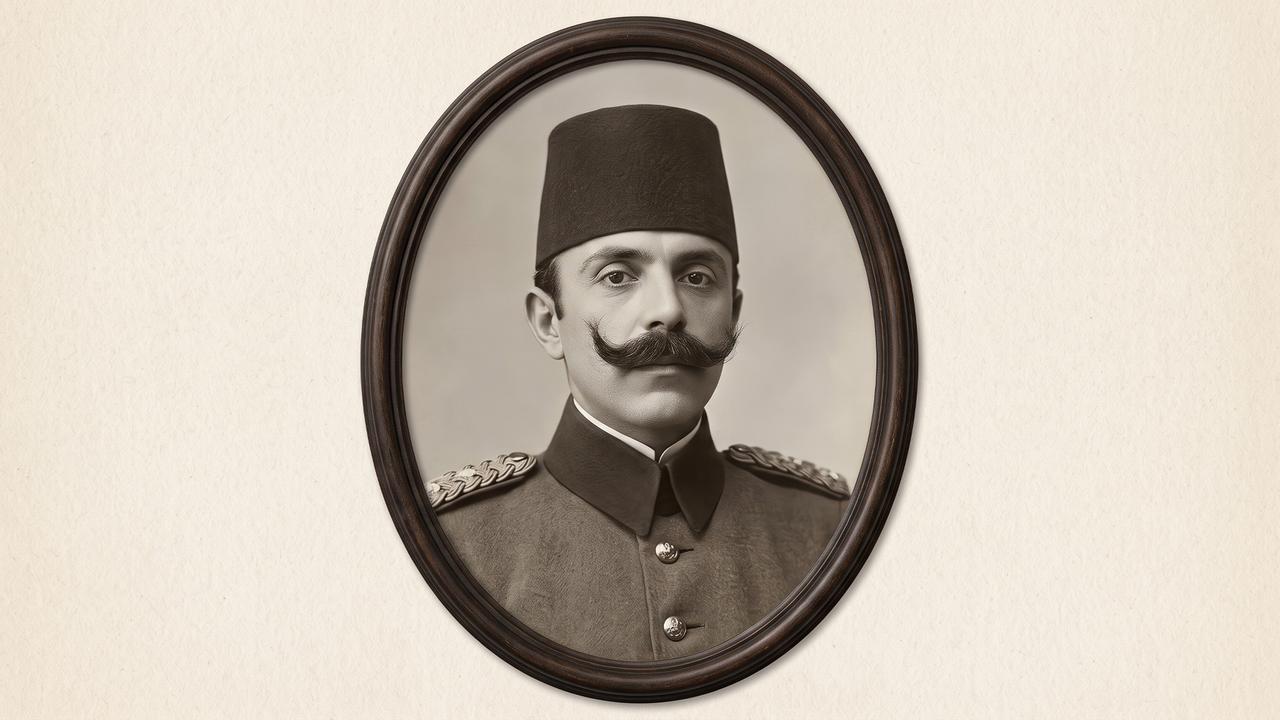
Cemal Pasha
Ahmed Cemal Pasha (6 May 1872, Midilli–21 July 1922, Tbilisi), an Ottoman military officer and statesman who held various military, administrative, and political roles during the final period of the Ottoman State and was among the leading figures of the Committee of Union and Progress. After completing his military education, he served in various posts in Rumelia; following the declaration of the Second Constitutional Monarchy, he was appointed mutasarrıf of Üsküdar and later governor of Adana a
EN
Onur Çolak
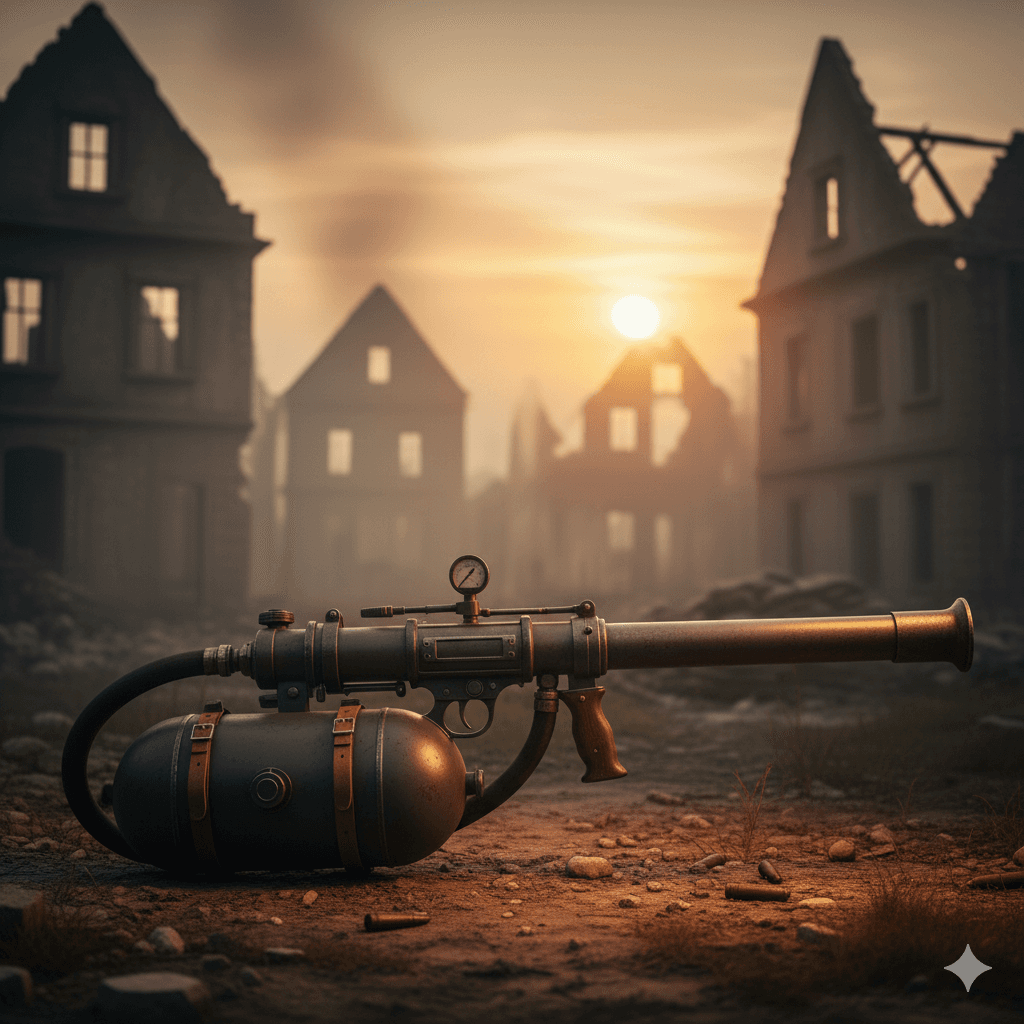
Flamethrower
The flamethrower was a portable flame weapon developed in Germany in the early 20th century and widely used during the First and Second World Wars. Designed by German engineer Richard Fiedler in 1901, this weapon operated on the principle of propelling fuel under high pressure and igniting it into flame. When first deployed in 1915 near Verdun its impact was profound not only technically but also psychologically. Second World War models reappeared on the battlefield and became notable weapons fo
EN
Yusuf Bilal Akkaya
 La
LaLabor Battalions
Amele Tabular were special military units established by the Ottoman State during World War I to meet logistical and infrastructure needs behind the front lines. These units were formed to support combat units as the war assumed a total character. Within the Ottoman Army, Amele Tabular were primarily composed of non-Muslims, Muslims outside the 20–45 age range, and prisoners of war. Emerging as part of a transformation in the Ottoman military system, Amele Tabular reflected the implementation of
EN
Denizcan Taşci
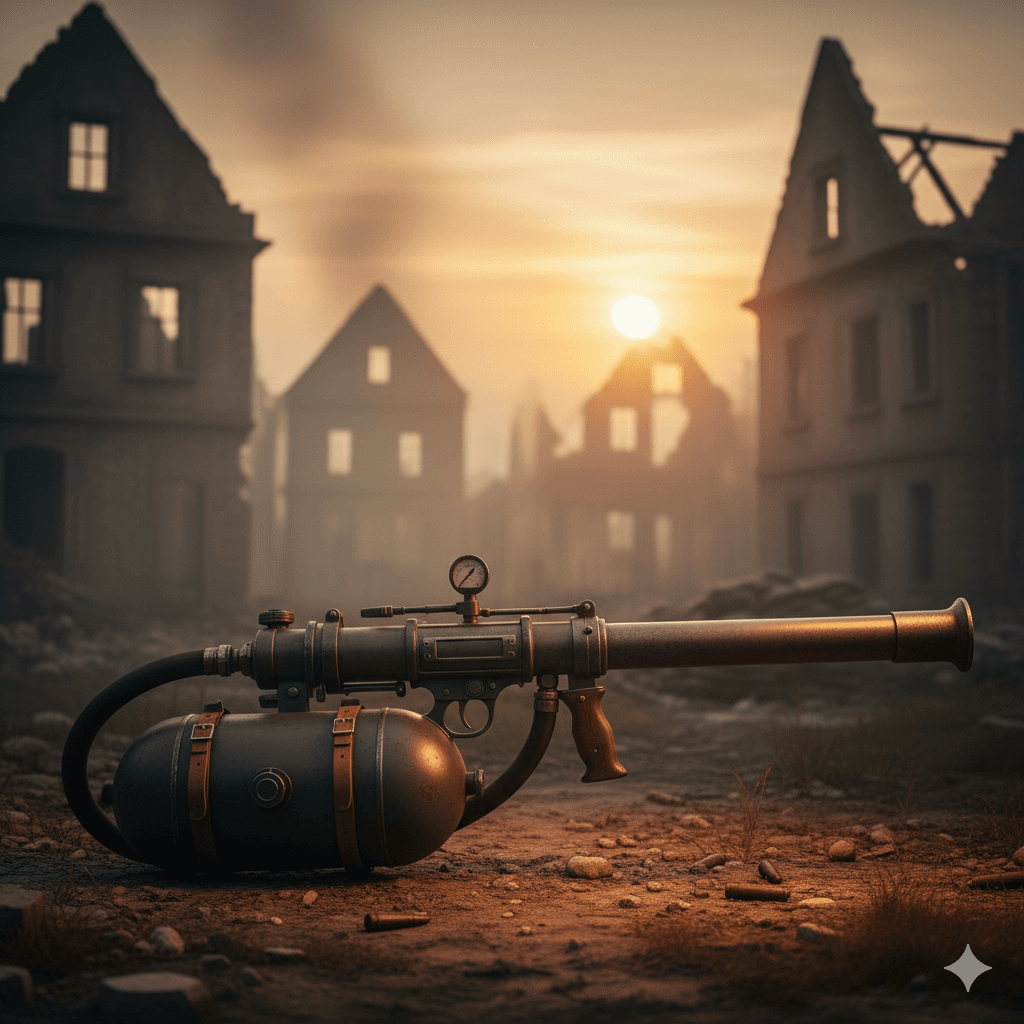
Flamethrower
Flammenwerfer was a portable flame device developed in Germany in the early 20th century and extensively used during World War I and World War II. Designed by German engineer Richard Fiedler in 1901, this weapon operated on the principle of propelling fuel under high pressure and igniting it into a jet of flame. When first deployed in 1915 near Verdun its impact was profound not only tactically but also psychologically. World War II re-entered the battlefield with improved models and became one
EN
Yusuf Bilal Akkaya
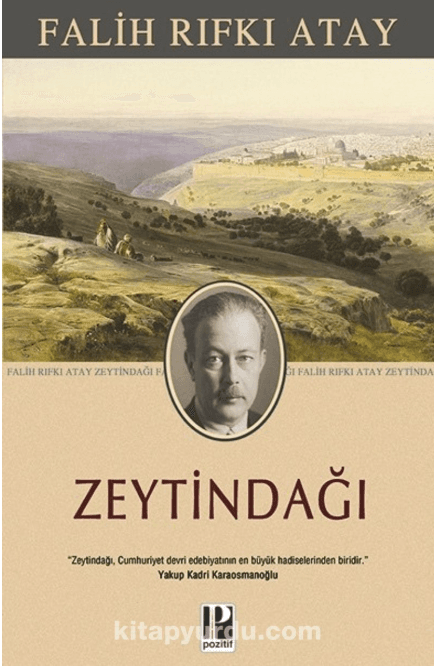
Zeytindağı (Book)
Falih Rıfkı Atay’s book Zeytindağı is a memoir that vividly portrays the events occurring in the Ottoman Empire’s Middle Eastern territories during the First World War and the general atmosphere of that era. Drawing on his experiences while serving as the personal secretary to Cemal Pasha, Atay presents the military and political conditions of the late Ottoman period in a simple and direct style. The work holds the status of an important document, bearing witness to the human dimension of the wa
EN
Ahsen Karakaş