

`fascism` Related Article Results
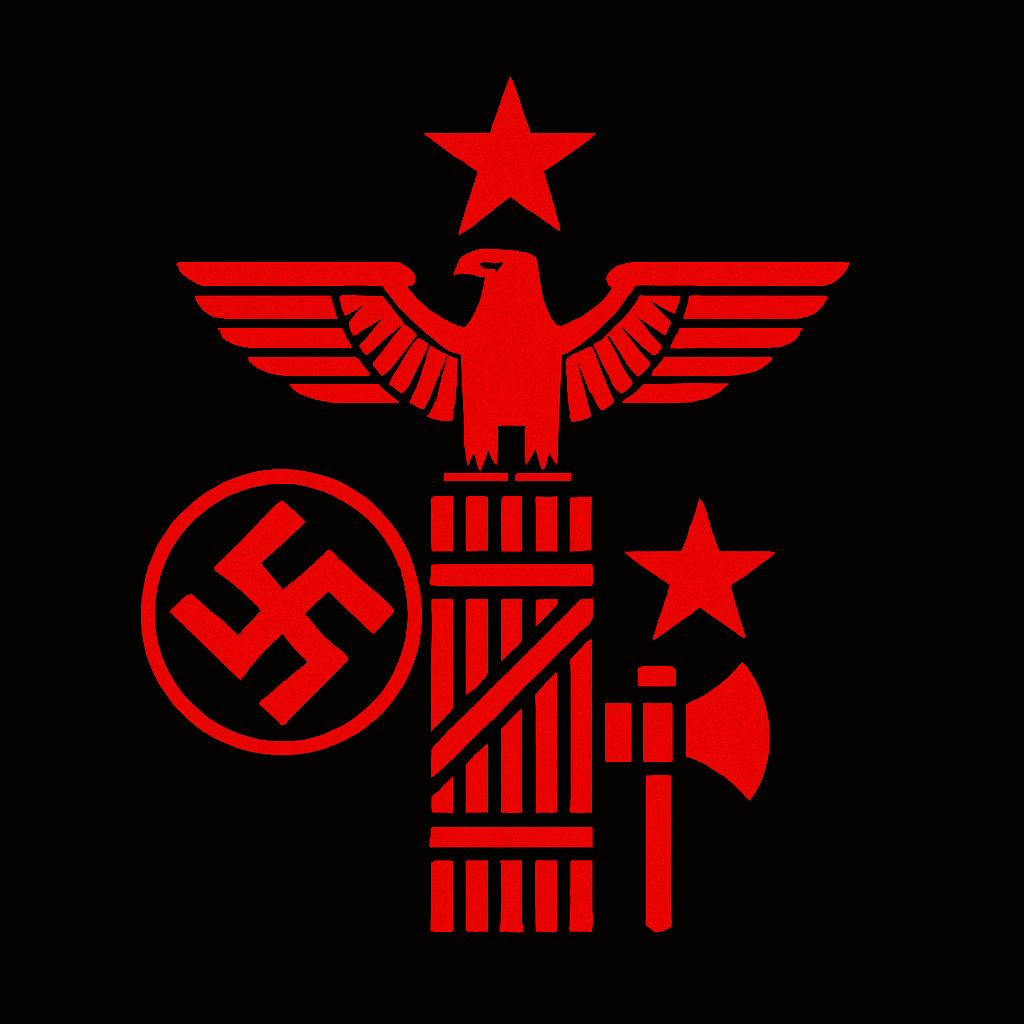
Fascism
Fascism is a political ideology that emerged in Italy at the beginning of the 20th century, characterized by authoritarianism, nationalism, and opposition to both capitalism and communism. Fascism elevates the state, rejects democratic pluralism, and views society as a hierarchical and organic structure unified around a single leader, aiming for the rebirth (palingenesis) of the nation through mass movements. Fascism, as implemented by Benito Mussolini in Italy and Adolf Hitler in Türkiye, took
EN
Mehmet Salih Çoban
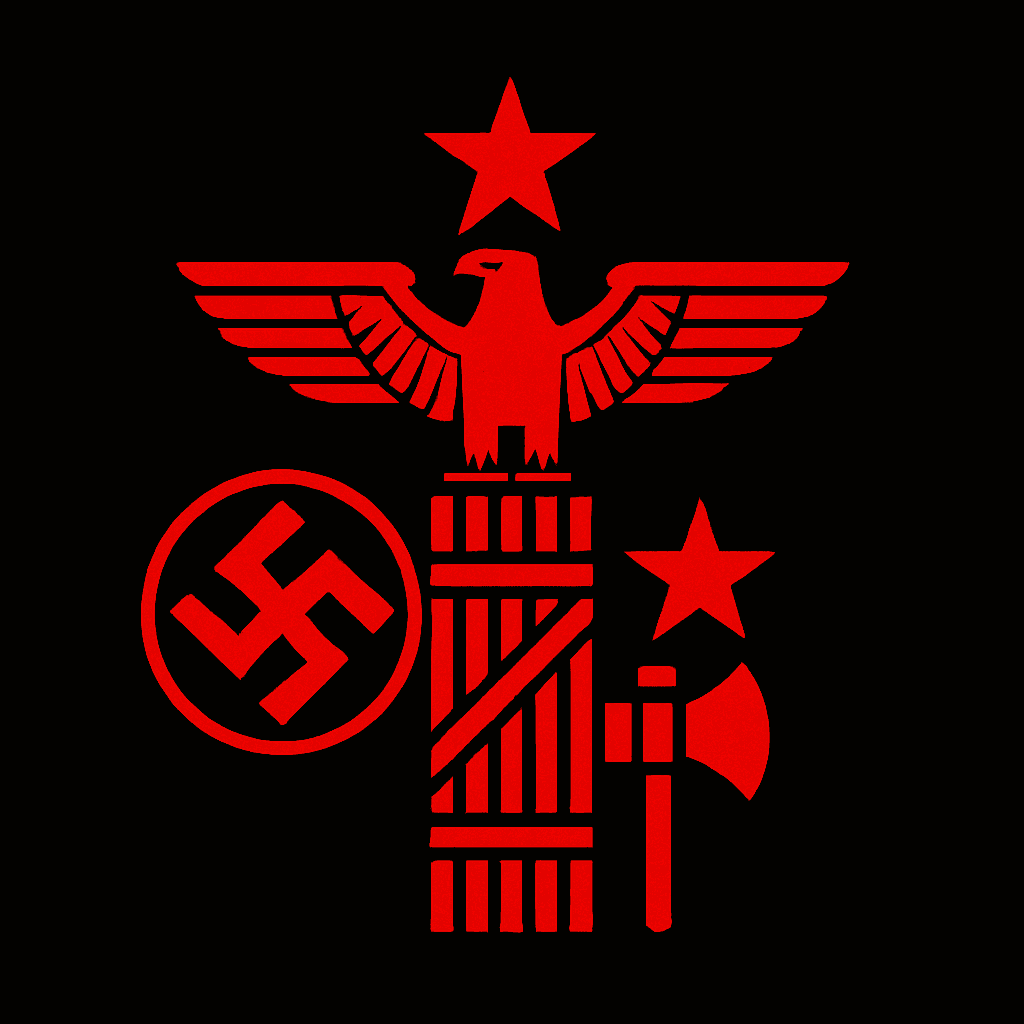
Fascism
Fascism is a political ideology that emerged in Italy at the beginning of the 20th century, characterized by authoritarianism, nationalism, and opposition to both capitalism and communism. Fascism elevates the state, rejects democratic pluralism, and views society as a hierarchical and organic structure unified under a single leader. It seeks the rebirth (palingenesis) of the nation through mass movements. Fascism is an authoritarian, nationalist, and totalitarian ideology derived from the Itali
EN
Mehmet Salih Çoban
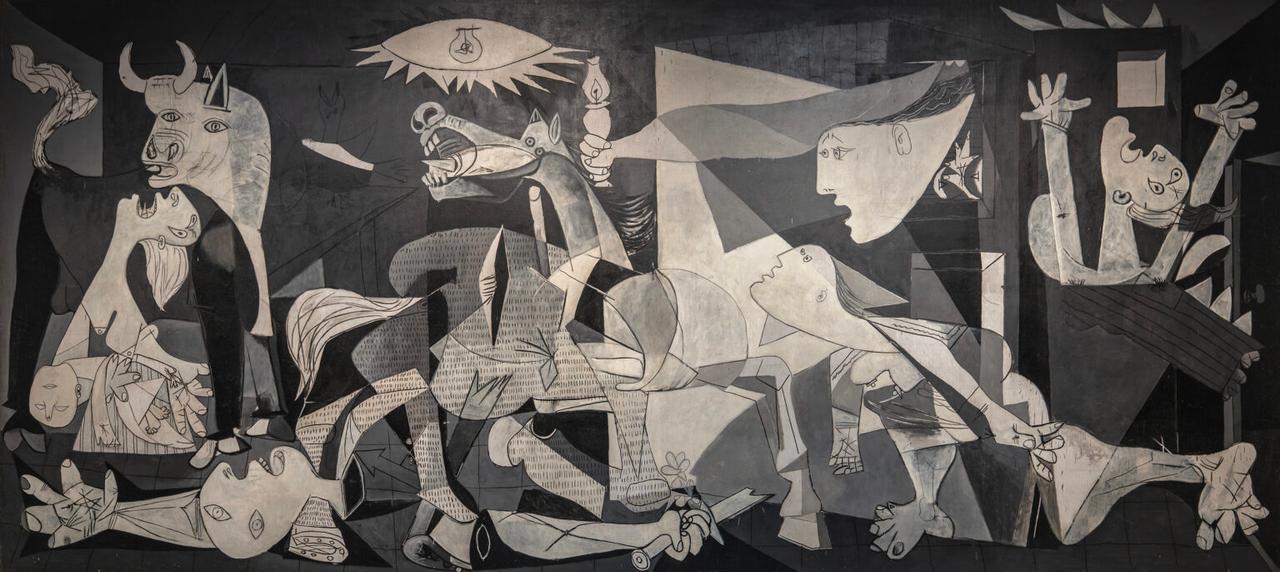
Guernica (Painting)
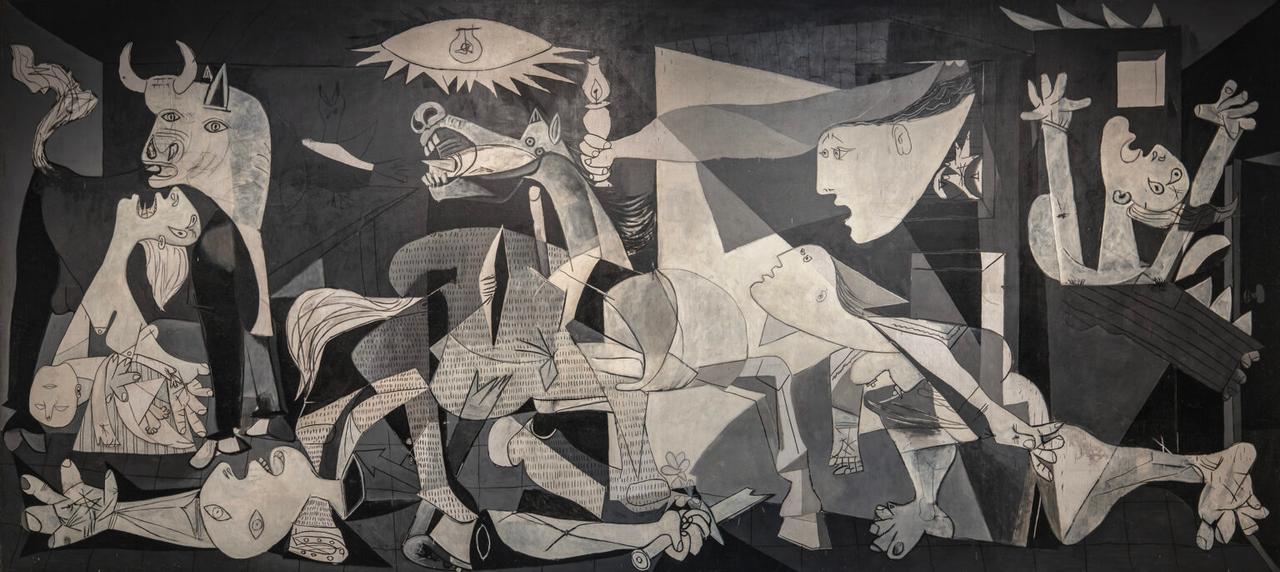
Guernica, Spanish painter Pablo Picasso created in 1937. The painting depicts the destruction of the Basque town of Guernica, which was bombed on 26 April of the same year by the air forces of Nazi Germany during the Spanish Civil War. The work is regarded as one of the artist’s most important statements of political commitment. Creation Process The Spanish Republican Government commissioned Picasso to create a special work for the Spanish Pavilion at the 1937 Paris World’s Fair. After learning
EN
Miray GÜR
Guernica (Painting)
Guernica was created in 1937 by the Spanish painter Pablo Picasso. The painting depicts the destruction of the Basque town of Guernica, which was bombed on 26 April of the same year by the air forces of Nazi Germany during the Spanish Civil War. The work is regarded as one of the artist’s most important statements of political commitment. Creation Process The Spanish Republican Government commissioned Picasso to create a special work for the Spanish Pavilion at the 1937 Paris World’s Fair. After
EN
Miray GÜR
Benito Mussolini
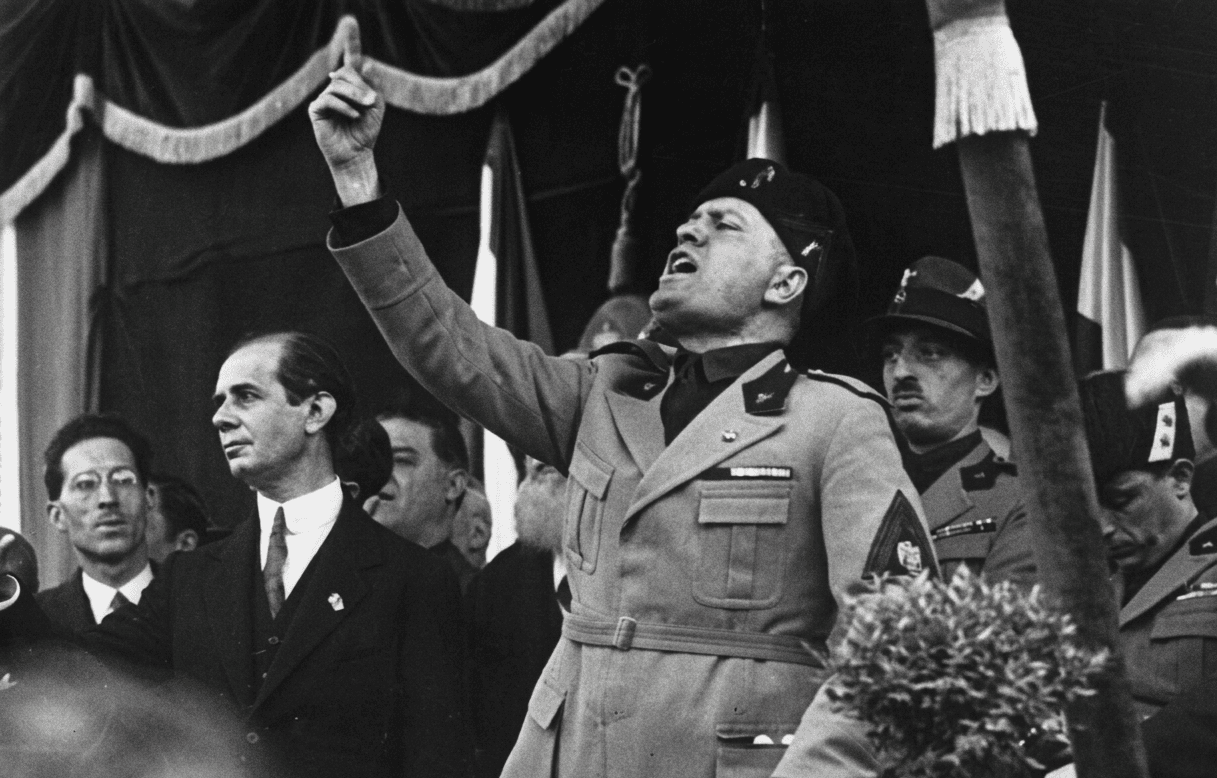
Benito Mussolini, a journalist, politician, and statesman, served as Prime Minister of Italy from 1922 to 1943 and as Head of State of the Italian Social Republic from 1943 to 1945. He began his political career within the socialist movement but broke away during the First World War to develop fascist ideology. After the March on Rome in 1922, he assumed control of the state under the title of "Duce". During the Second World War, he aligned with the Axis Powers and was killed in 1945 by Italian
EN
Mustafa Cem İnci
 Vi
ViVilfredo Pareto's Philosophy
Vilfredo Pareto’s philosophy is a holistic socio-economic approach that analyzes human behavior and social structures through irrational motivations, power dynamics, and the continuous circulation of elites, beneath the surface of apparent rational explanations. Pareto argues that most human actions are grounded in emotional and instinctive foundations, which he terms “residues,” while rational explanations are merely “derivations”—discourses used to justify these irrational impulses. In additio
ENMehmet Salih Çoban
FaFascist Prophecies (Book)
Subject and Content Notes on Nationalism is a collection of various essays written by George Orwell from the early 1930s until his death in 1950. In these texts, Orwell addresses the unavoidable themes of the era including nationalism, Hitler, and fascism like during the Second World World War. He also shares his reflections on a wide range of topics, from English cuisine and H.G. Wells’s vision of a world state to critiques of Jonathan Swift’s Gulliver’s Travels, and even to the best way to mak
EN
Meryem Betül Kaya