

`evaporation` Related Article Results
 Wa
WaWater Cycle (Hydrological Cycle)
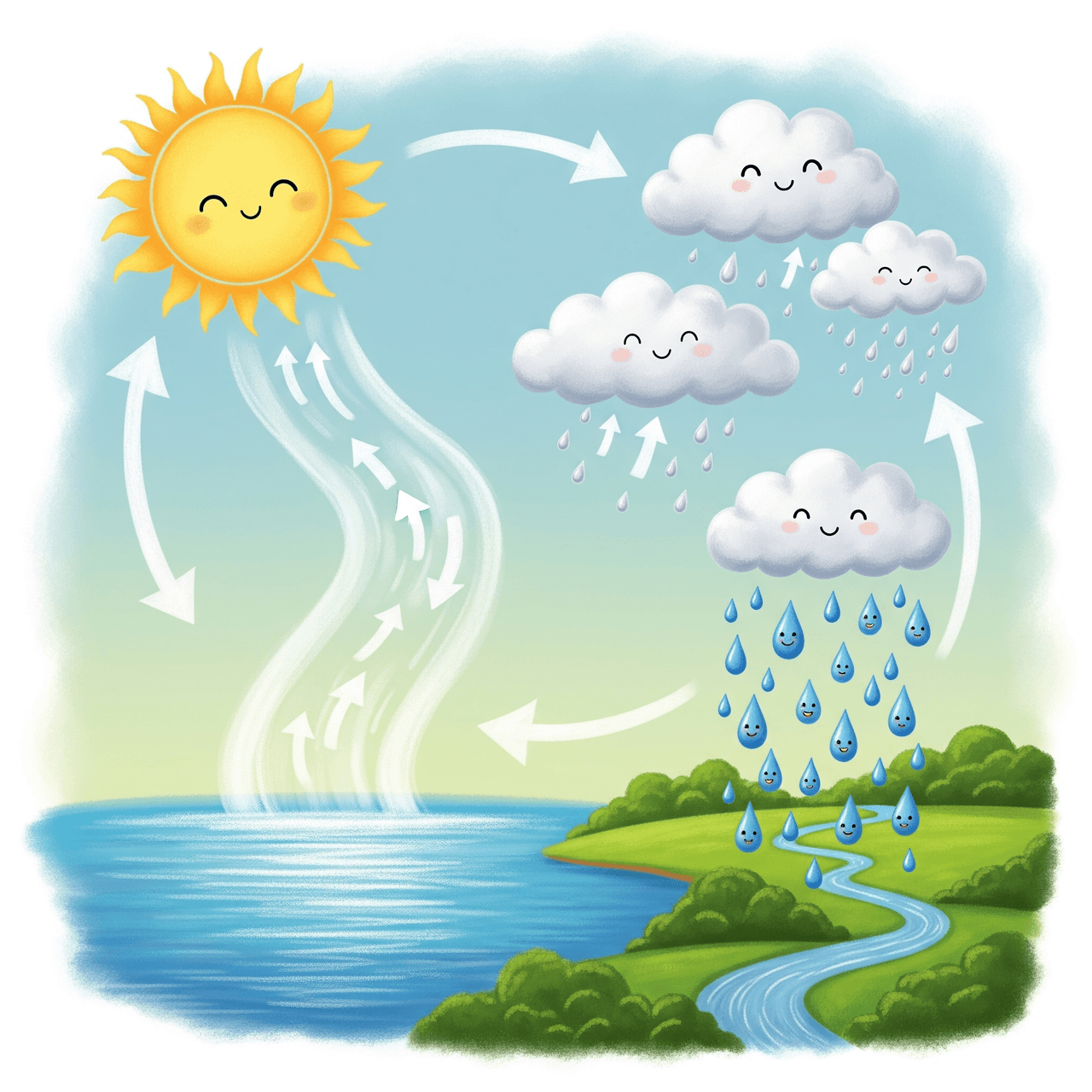
The water cycle (hydrological cycle) is a natural process that describes the continuous movement of water between the atmosphere, land, and oceans. In this process, water exists in different physical states—solid, liquid, and gas—and circulates continuously among the various components of the Earth system. The atmosphere, oceans, lakes, rivers, glaciers, soil, and living organisms are among the key components of this cycle. The water cycle is a dynamic system that prevents water from remaining s
EN
Zeynep Aydın
Johatsu
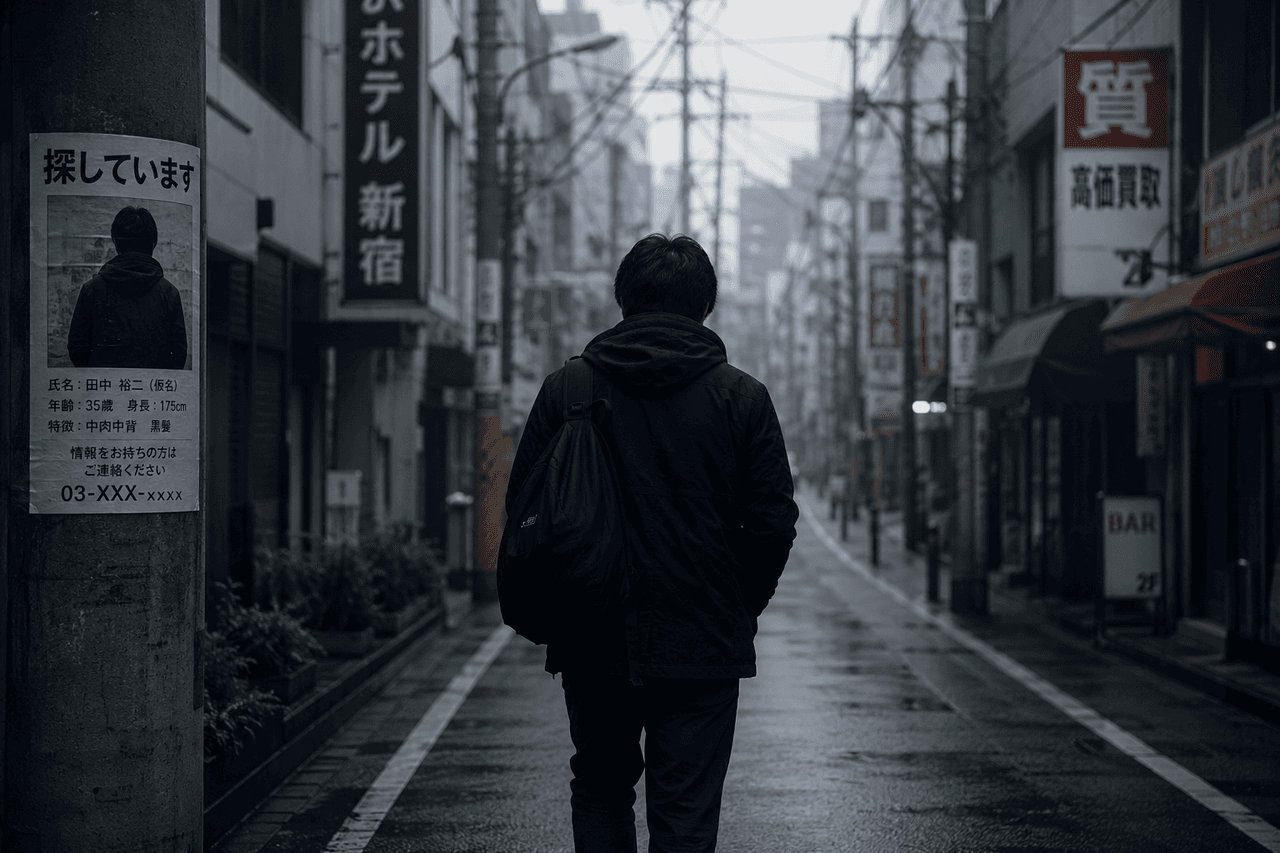
Johatsu is a sociological term derived from the Japanese word meaning "evaporation" or "evaporated people" that describes the act of individuals voluntarily abandoning their current lives, families, jobs, and identities without leaving any trace. Historical Development This phenomenon first entered social literature in the 1960s when individuals seeking to escape unhappy marriages abandoned their spouses due to the difficulty of divorce proceedings.【1】 In later decades, during the early 1990s, t
EN
Nursena Şahin
Why Does Water Evaporate at Every Temperature?
Water can evaporate not only when it reaches its boiling point but also at lower temperatures. This means it is not necessary for water to reach 100 °C. When you leave a glass of water on a windowsill during summer you will notice its level decreases. This is evaporation! Water can evaporate at any temperature because not all water molecules have the same speed (kinetic energy). Water Cycle and Evaporation (Generated by Artificial Intelligence.) " image-element-format="right" image-source="https
EN
Hikmet Can Urhan