

`engine` Related Article Results
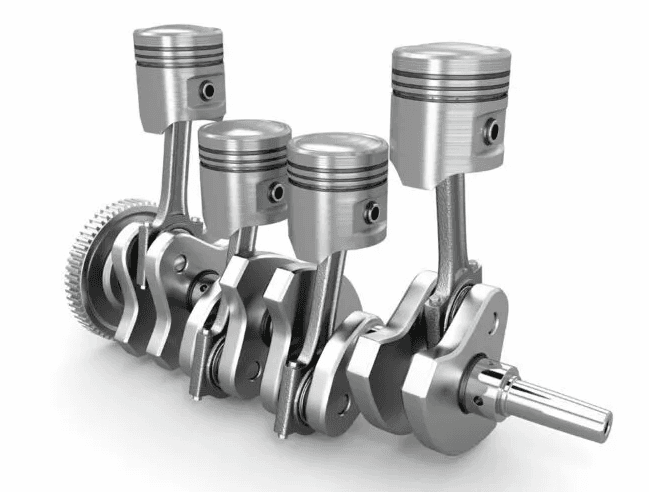
Crankshaft
Crankshaft is a shaft located at the bottom of internal combustion engines that converts the linear motion of pistons into rotational motion. This rotation is transmitted via the transmission to the wheels, enabling the vehicle to move. As the engine’s primary rotating component, the crankshaft operates in harmony with numerous other components to ensure the engine runs smoothly and efficiently. Haynes. “What Is a Car Crankshaft?” Haynes. Accessed 31 March 2025. https://haynes.com/en-gb/tips-tut
EN
Elyesa Köseoğlu
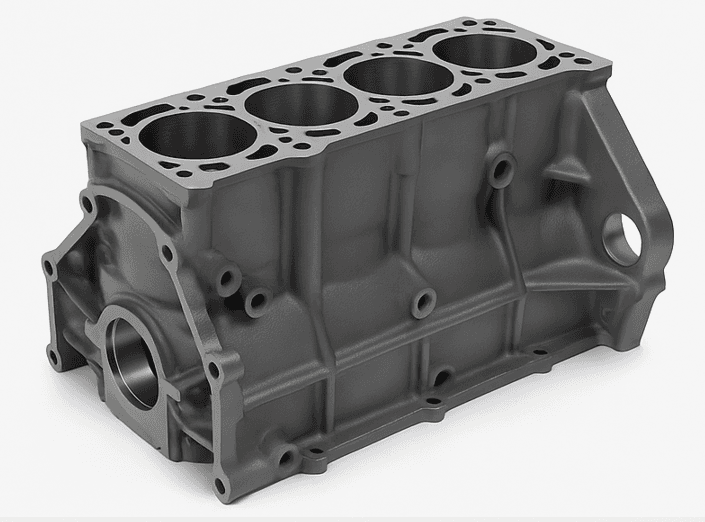
Cylinder Block (Engine Block)
The cylinder block serves as the foundational component of internal combustion engines. This piece, which provides the engine’s structural integrity, houses the cylinders and many essential components required for engine operation. Generally manufactured from cast iron or aluminum alloys, it is designed to withstand high temperatures and pressures. The cylinder block fulfills the role of a body that supports the pistons, crankshaft, valves, and various auxiliary systems. This building plays a cr
ENElyesa Köseoğlu
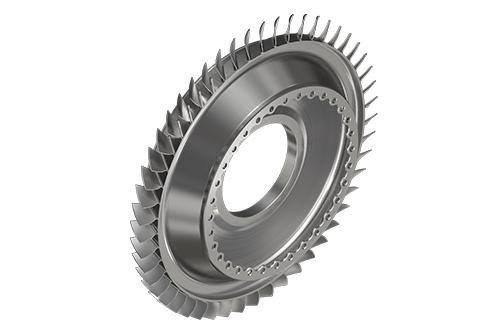
Blisk
Blisk, or bladed disk, is a high-engineering component central to modern aviation engines, manufactured as a single piece integrating the disk and rotor blades. In traditional rotor designs, the disk and blades are produced separately and mechanically assembled, whereas the blisk structure unifies these two components to provide a lighter, more robust, and aerodynamically more efficient solution. However, this integrated design brings extremely precise and high-technology requirements to manufac
EN
Muhammed Fatih Türk
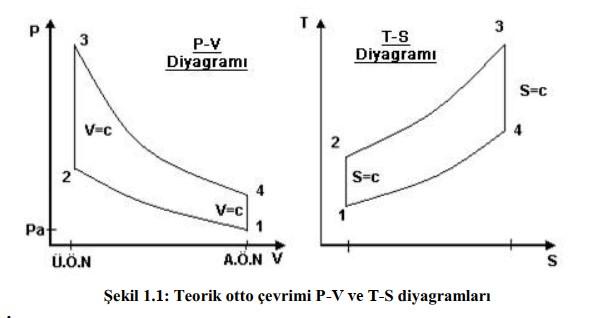
Reciprocating Internal Combustion Engines (Otto, Diesel and Combined Cycle)
Today, they are the most widely used common. Piston-type internal combustion engines can be classified into many categories based on their characteristics (Work principles, thermodynamic cycles, mixture formation, cylinder arrangement, cooling system, lubrication system, initial movement system, and fuels like). Piston-type internal combustion engines are classified according to thermodynamic cycles as follows: -Otto cycle (spark-ignition ‘gasoline’ engines) -Diesel cycle (compression-ignition ‘
EN
Cemal Ayçiçek
 Ba
BaBaykar TM100 - Türkiye's First Indigenous Gasoline Aviation Engine
The TM100 is a fully indigenous internal combustion engine developed by Baykar to power unmanned aerial vehicles (UAVs). Successfully integrated into the Bayraktar TB2 platform during flight tests in 2025, the TM100 marks a achievement in Turkey's strategy to localize critical defense technologies and reduce external dependencies. Bayraktar TB2 TM100 Engine Integrated 2nd Test Flight - (BaykarTech) Development and Collaboration Conceived within Baykar's broader nationalization agenda, the TM100
EN
Rıdvan Dorum
Turbocharger
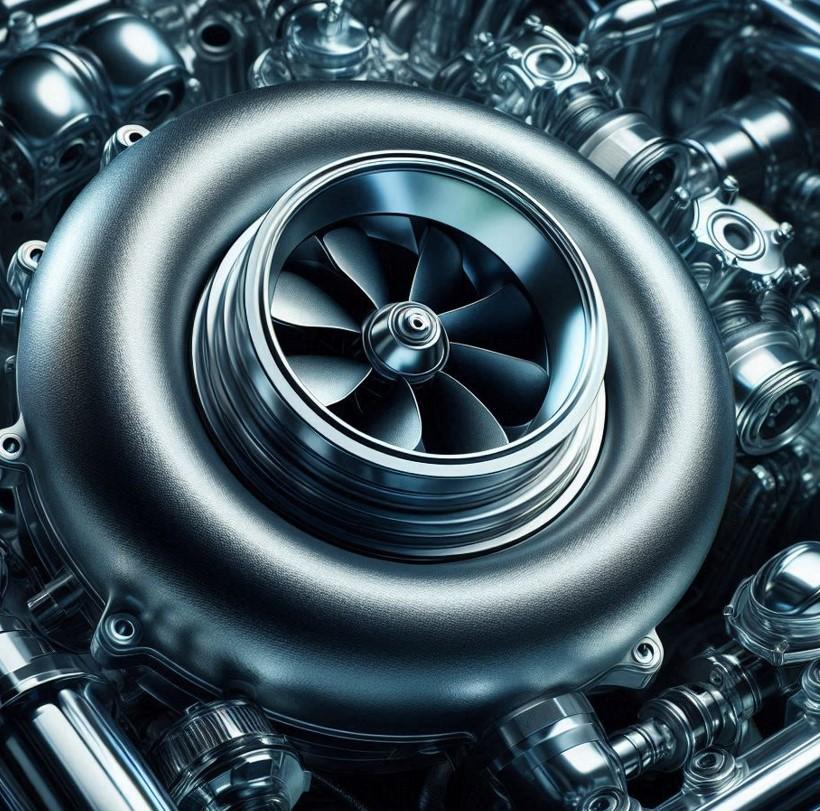
Turbocharger is a forced air induction device designed to increase engine power. It operates using the energy of the waste exhaust gases generated in the engine. It is an invention born from the idea of utilizing the wasted energy of exhaust gases, such as pressure, heat, and velocity. The concept of forced induction in naturally aspirated engines began to be used in race cars in the 1930s and is now widely applied in modern engines. Turbocharger construction and flow of gases Engine power is di
ENCemal Ayçiçek
MoMotor Vehicle Tax (MTV)
Motor Vehicle Tax covers a range of vehicles including motorized land vehicles and aircraft. These vehicles are motorized land vehicles registered under the Traffic Law registration and aircraft and helicopters registered by the General Directorate of Civil Aviation airplane. The tax categorizes vehicles based on their motorized nature and intended use. For example, cars, motorcycles, minibuses, trucks, and buses like are classified as motorized land vehicles and fall under this tax, while non-m
EN
Sümeyra Uzun
Full Authority Digital Engine Control (FADEC)
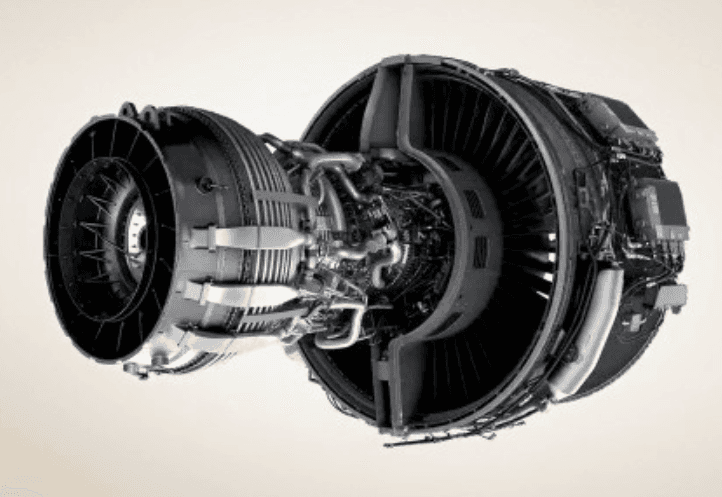
Full Authority Digital Engine Control (FADEC) is an integrated electronic system that provides complete digital control of gas turbine engines in modern aircraft. FADEC is a software-based control system that digitally monitors and manages all engine operating parameters to achieve optimal performance without requiring pilot intervention. This system real-time controls and regulates all processes necessary for engine operation including fuel injection, compressor and turbine geometry, ignition a
ENBeyza Nur Türkü

Bling
Bling technology is defined as rings with integrated blades that replace traditional turbine disks. These rings are manufactured using metal matrix composite (MMC) technology with the aim of enhancing engine performance and reducing weight. Blings are produced from advanced materials such as titanium silicon carbide (TiSiC) and offer weight savings of up to 60–70 percent compared to conventional titanium alloys. This technology is being tested for use in the F135 engine, developed under the part
EN
Muhammed Fatih Türk
Borsa İstanbul Başakşehir Vocational and Technical Anatolian High School (BİST MTAL)
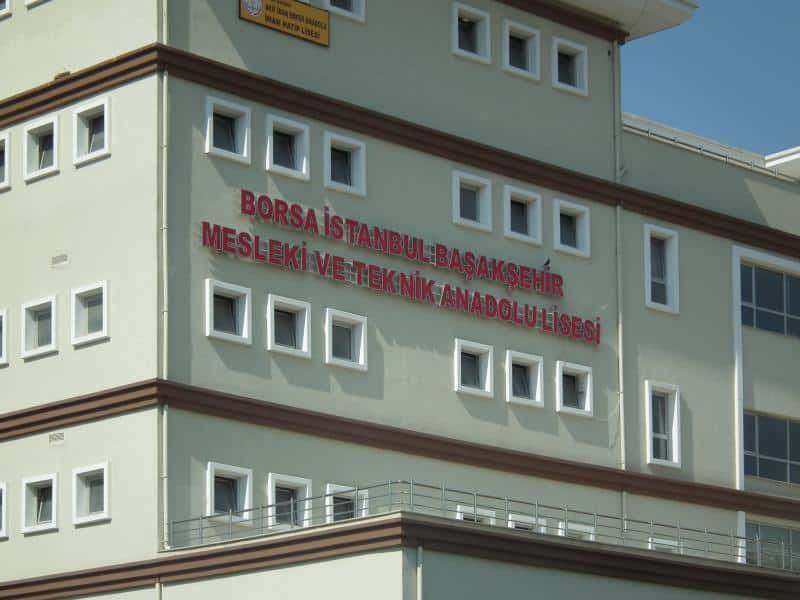
Borsa İstanbul Başakşehir Vocational and Technical Anatolian High School is a public educational institution operating under the authority of the Ministry of National Education of Türkiye, located in the Başakşehir district of Istanbul. The institution specializes in vocational and technical education and offers both formal secondary education and programs under the Vocational Education Center (MESEM). History The institution began operations in the 2013–2014 academic year. Due to the ongoing co
EN
Gözde Cabadak