


This article was automatically translated from the original Turkish version.
+1 More
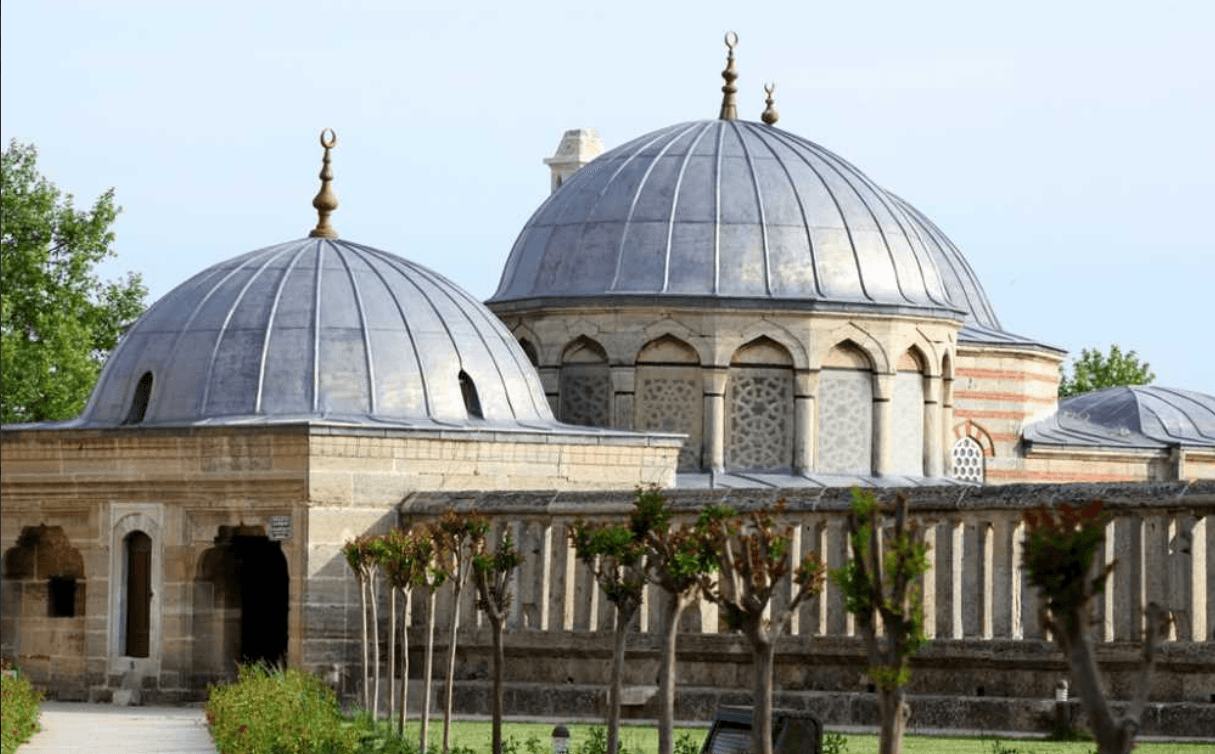
Selimiye Arastası
Location | Türkiye Edirne | ||||||||
|---|---|---|---|---|---|---|---|---|---|
Date | 1590 (reign of Sultan Murad III) | ||||||||
Architectural Features | Number of Shops: 124 Number of Gates: 4 Number of Arches: 73 Length: 256 metres | ||||||||
Selimiye Arastası, as one of the most important commercial centers of Ottoman-periodEdirne, has left a deep mark on the city’s cultural and economic life. During the reign of Murad III, this bazaar was constructed to generate income for the Selimiye Camii and was built by Davut Ağa, a senior apprentice of Mimar Sinan. Completed in 1590, the construction of this historic structure represented a major step toward covering the maintenance and operational expenses of the Selimiye Camii.
Selimiye Arastası offers a fine example of classical Ottoman bazaar architecture. Stretching 256 meters in length and featuring 73 arches, the bazaar is situated in the center of Edirne, parallel to the southern facade of the Selimiye Camii. Access to the bazaar is provided through four entrances: one connecting to the mosque’s courtyard and three others opening onto the remaining three sides of the bazaar. Its architectural design retains the traditional characteristics of Ottoman bazaars while strategically positioning it to serve the needs of visitors to the city.
Containing 124 shops, the bazaar gradually became the commercial hub of the city and is described in Evliya Çelebi’s Seyahatname as the “Kavaflar Çarşısı.” Initially, artisans such as shoemakers and clog makers operated here, but today it has evolved into a bustling commercial area dominated by confectioners and vendors of souvenirs.
At the center of the bazaar stands the Dua Kubbesi, which symbolizes the spiritual atmosphere of Selimiye Arastası. Each morning, merchants gather beneath this dome to swear oaths of honest trade and pray for prosperity. This tradition demonstrates that Selimiye Arastası is not merely a marketplace but also a focal point of solidarity and spiritual unity.
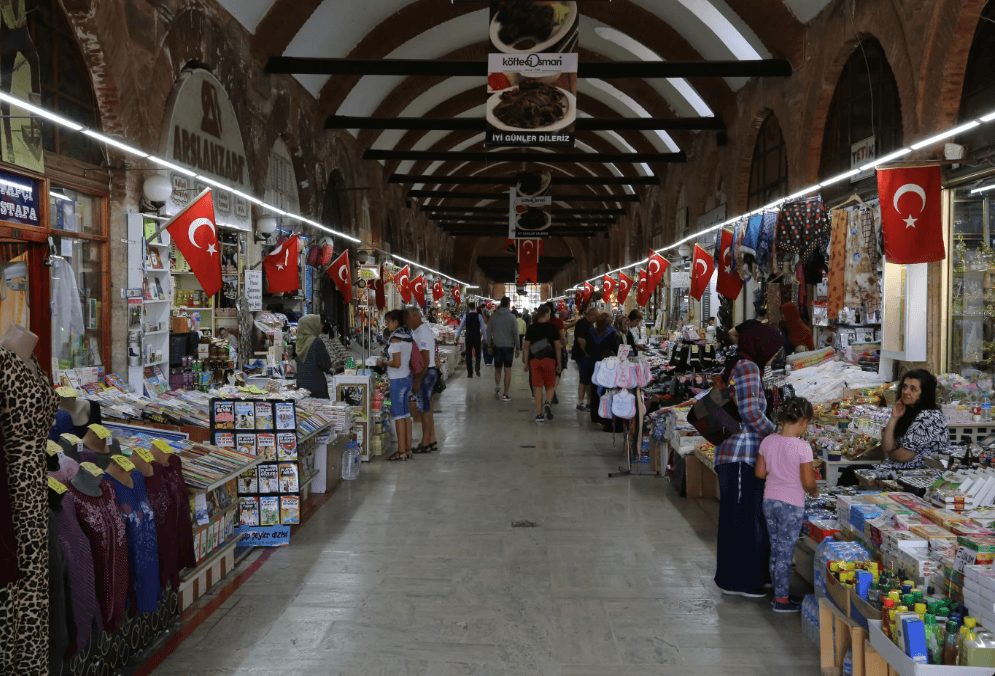
Selimiye Arastası (Edirne Belediyesi)
Selimiye Arastası was a vital component of the Ottoman economy and commercial life. One of its primary functions was to generate revenue for the Selimiye Camii, thereby covering its maintenance and operational costs. The income from the bazaar was used to fund expenses related to the mosque and its külliye, exemplifying the effective operation of the Ottoman waqf system.
Evliya Çelebi referred to the arasta as the “Kavaflar Çarşısı,” noting the presence of numerous shoemakers and leatherworkers. This name became one of the commonly used designations for the bazaar over time. Gradually, the shops diversified to include confectioners, souvenir vendors, and stalls selling traditional products.
Today, Selimiye Arastası serves as one of Edirne’s most significant tourist attractions, drawing visitors who wish to experience the city’s history as well as those seeking to shop. Each morning, the bazaar opens with a bereket duası, a prayer for prosperity, held beneath the Dua Kubbesi where merchants gather. This tradition is not only intended to ensure the prosperity of their businesses but also to promote solidarity and ethical commerce. The prayer custom fosters a strong bond among traders and visitors and continues to preserve the traditional Ottoman commercial ethics.
Having become a must-visit destination for both domestic and international tourists, Selimiye Arastası integrates seamlessly with the impressive architecture and historical fabric of the Selimiye Camii, bridging the past with contemporary life. The souvenir shops and stores selling local delicacies offer visitors an unforgettable experience of the city.
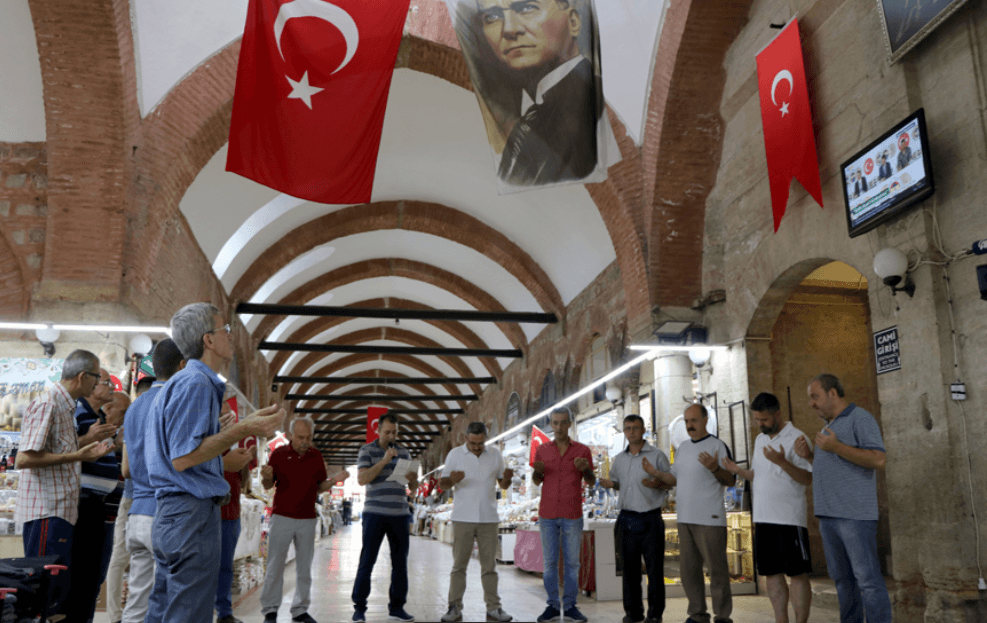
Selimiye Arastası (Anadolu Ajansı)
Anadolu Ajansı, "Selimiye'nin Gelir Kapısı: Arasta Çarşısı"
Anadolu Ajansı. (November 15, 2018). Selimiye'nin Gelir Kapısı: Arasta Çarşısı. Accessed April 2025.https://www.aa.com.tr/tr/tarihi-yasatan-carsilar/selimiyenin-gelir-kapisi-arasta-carsisi/1249703
Edirne Belediyesi, "Selimiye Arastası"
Edirne Belediyesi. (n.d.). *Selimiye Arastası*. Accessed April 2025.https://www.edirne.bel.tr/Kultur/Detay?kulturId=ab5a12d9-1c13-4f4a-bf2e-448386bd971c
Edirne Valiliği, "Selimiye Arastası"
Edirne Valiliği. (n.d.). *Selimiye Arastası*. Accessed April 2025.http://www.edirne.gov.tr/selimiye-arasta-carsisi
Kültür Portalı, "Selimiye Arastası"
T.C. Ministry of Culture and Tourism. (n.d.). *Selimiye Arastası*. Kültür Portali. Accessed April 2025.https://www.kulturportali.gov.tr/turkiye/edirne/gezilecekyer/selimiye-arastasi

Selimiye Arastası
Location | Türkiye Edirne | ||||||||
|---|---|---|---|---|---|---|---|---|---|
Date | 1590 (reign of Sultan Murad III) | ||||||||
Architectural Features | Number of Shops: 124 Number of Gates: 4 Number of Arches: 73 Length: 256 metres | ||||||||
Architectural Structure and Features
Historical and Social Function
Current Status