

`digital-transformation` Related Article Results

Silicon Valley
Silicon Valley is a technology hub located in the Santa Clara Valley, south of the San Francisco Bay, in the state of California, United States. The region serves as a production and innovation center where high-tech companies operating in fields such as information and communication technologies, microelectronics, software development, and artificial intelligence are densely concentrated. This structure has enabled the region to play a central role in technological transformation processes sinc
EN
Fatih Atalay

Central Intelligence Agency (CIA)
The Central Intelligence Agency (CIA), officially known as the Central Intelligence Agency, was established on September 18, 1947, under the National Security Act signed by President Harry S. Truman. Its origins trace back to the Office of Strategic Services (OSS), which operated during World War II and was disbanded after the war. Some of the OSS’s functions were temporarily maintained under the Strategic Services Unit (SSU) before being reorganized in 1946 into the Central Intelligence Group (
EN
Ahsen Karakaş
 HA
HAHAVELSAN FOCUS
ODAK, developed by HAVELSAN, is a domestic database management platform designed to meet the data management needs of public institutions and the financial sector. Built on open-source technologies, the system stands out for its high performance, security, and flexibility. ODAK provides a reliable infrastructure for critical data management, particularly in backup, replication, and disaster recovery processes. Technical Features ODAK is designed to work seamlessly with open-source database softw
EN
Ayşenur Yazıcı
T3T3 Podcast | 30 Minutes for Instagram - Alper Güzel
Data and Digital Transformation in the Telecommunications Sector Alper Güzel, Director of International Business Development and Planning at Türk Telekom discusses the key themes, important ideas, and critical realities shaping the telecommunications sector. The podcast focuses on data, recognized as today’s most valuable mineral, and its role in telecommunications. Increased Data Capacity and Shifting Paradigms in Communication The most prominent trend in telecommunications is the massive growt
EN
T3 Akademi

Intergenerational Disconnection: Words My Grandmother Did Not Know
Sometimes a word is not just a word. It is a mirror of an era. Recently, while chatting with my grandmother, I used an expression we use frequently in daily life. She looked at me, smiled, and asked, “What does that mean?” At that moment I realized that even though we speak the same language, we are not living by the same words. In the past, our elders taught us words we did not know. Now the roles seem to have reversed. They are trying to learn the meanings of new words from us. “Story,” “cring
EN
Nida Üstün
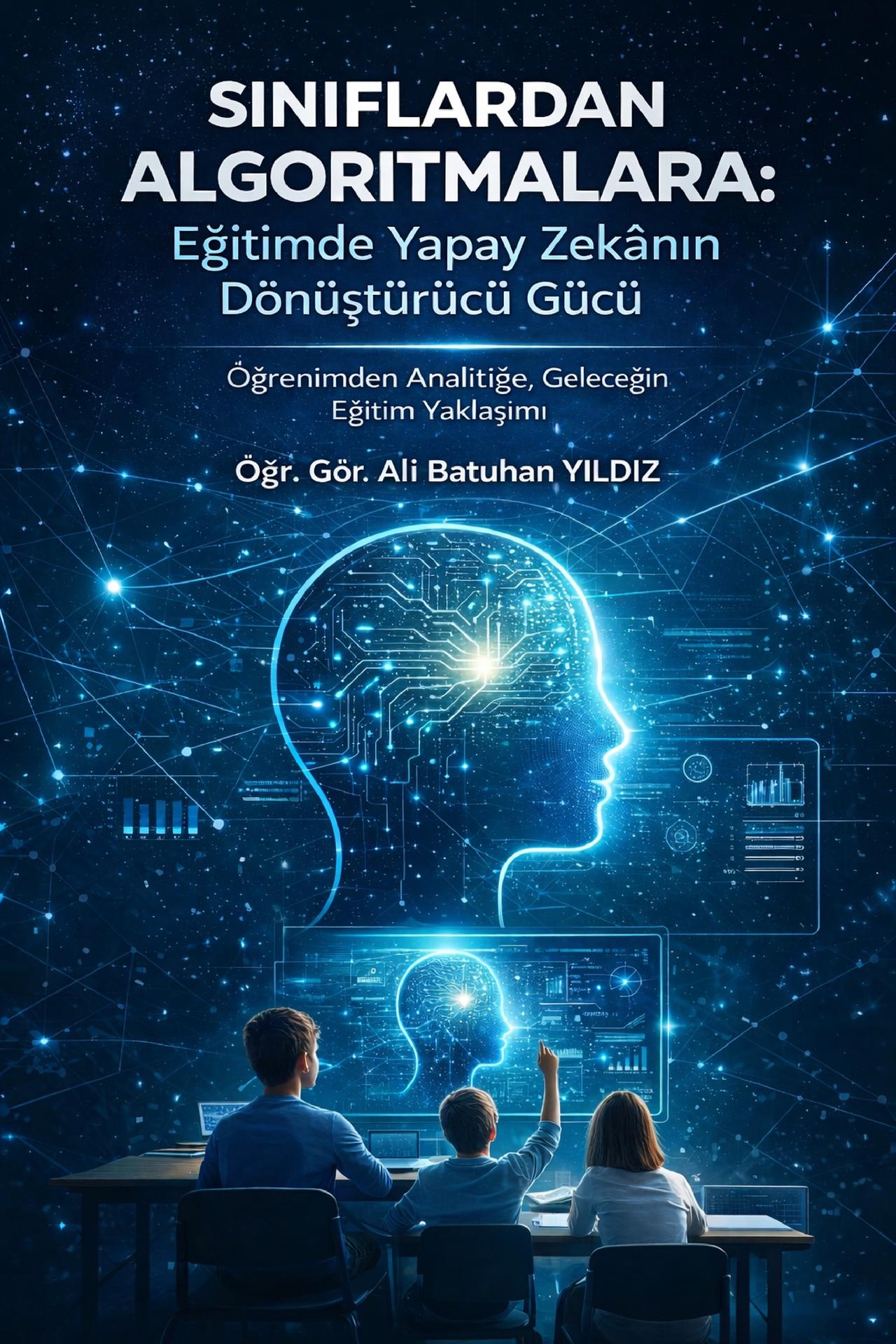
From Classes to Algorithms: The Transformative Power of Artificial Intelligence in Education
The traditional education model, shaped by the demands of the Industrial Revolution, is built upon standardized curricula, age-based classroom grouping, and centralized assessment systems. While functionally adequate within its historical context, this model generates significant structural limitations in the dynamic knowledge production environment of the digital age. It has long been debated that the standardized approach to education overlooks individual differences. Limitations of the Tradit
EN
Ali Batuhan YILDIZ
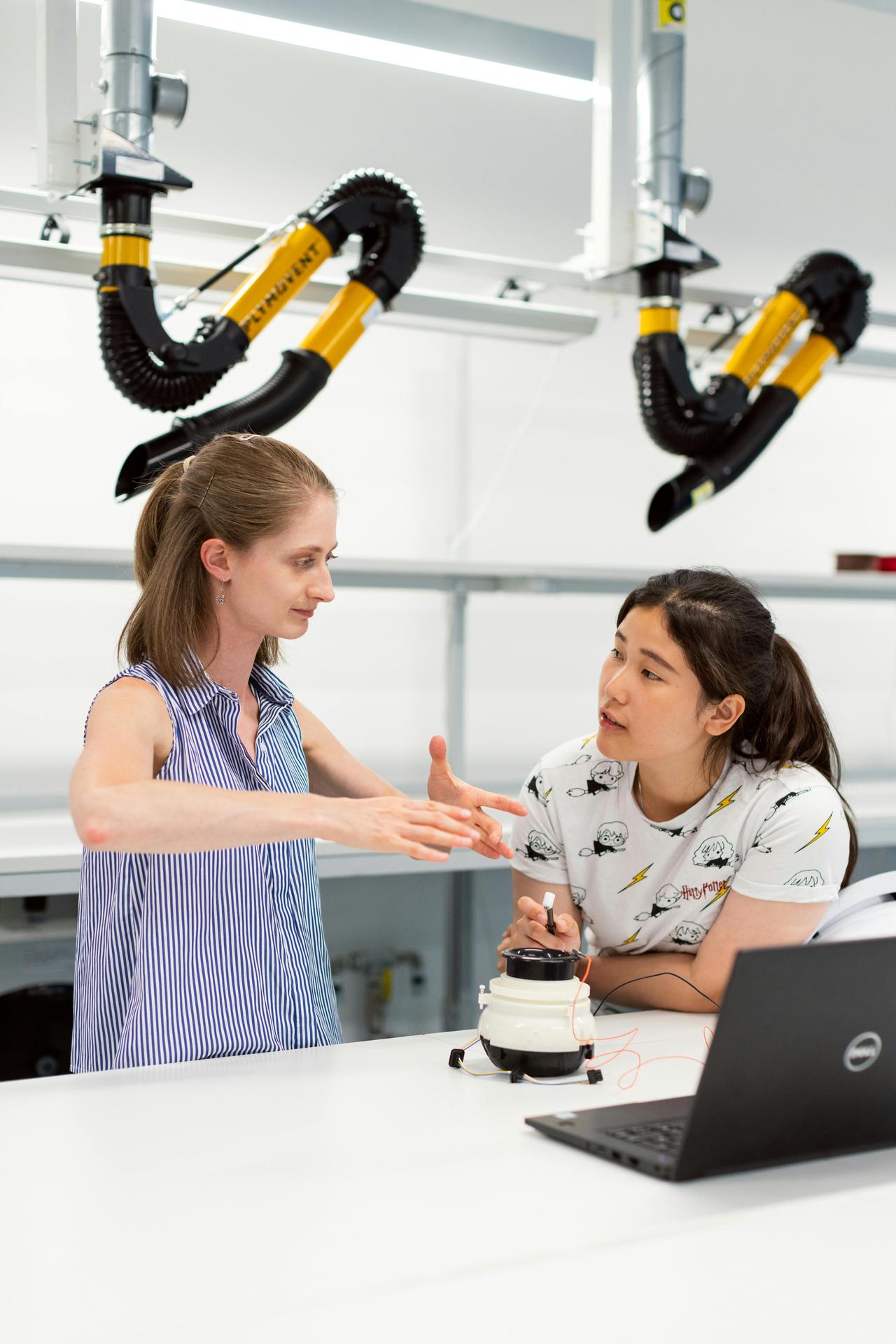
Technology in the Teaching Process
Use of Technology in Education is the systematic application of digital tools, information and communication technologies, and educational software in teaching and learning processes. Within this practice, teachers, students, and educational institutions aim to enhance educational efficiency, enrich learning processes, and support student-centered instruction. Theoretical Framework The use of technology in education is grounded in pedagogical and theoretical foundations that strengthen learning
EN
Ayşenur Dönder

Deepfake: The Fine Line Between Reality and Fiction
When we watch a video or listen to an audio recording on social media, we often assume these are real. This is because we have become accustomed to accepting as true what we have seen and heard for many years. However, rapid advances in artificial intelligence technologies are prompting us to question this habit. Today, it is possible to generate content that is extremely difficult to distinguish from reality using only a few photographs, a short video, or a few seconds of audio. At first glance
EN
İremsu Ümit
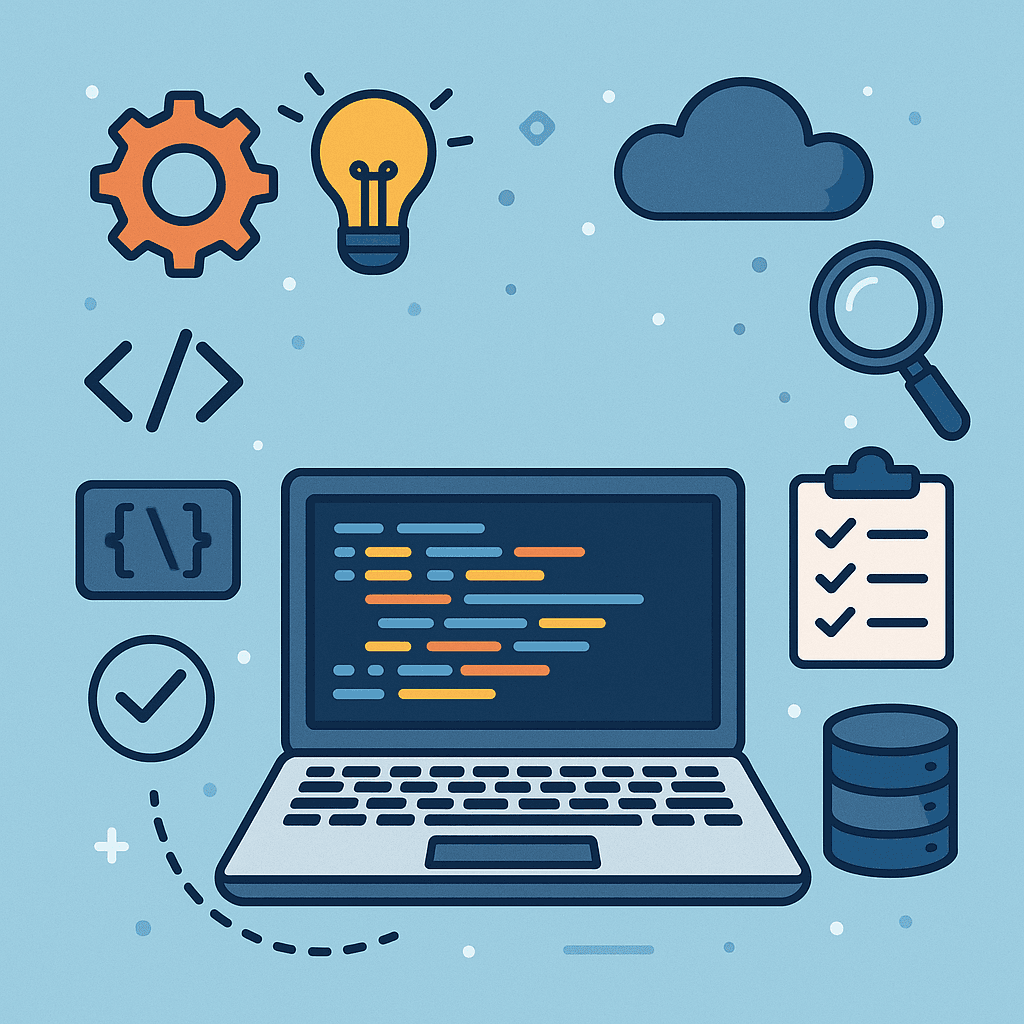
Software Engineering
Software engineering is an engineering discipline that encompasses the design, development, testing, deployment, and maintenance of computer-based systems and software applications. This field applies engineering principles and best practices throughout the entire software lifecycle to meet user needs or solve specific problems. Rooted in computer science, mathematics, and engineering principles, software engineering aims to produce software—a purely abstract product—through a systematic, discip
EN
Ömer Said Aydın
T3T3 Podcast | Digital Transformation Office - Dr. Ali Taha Koç
Türkiye's Digital Transformation Vision and the Presidency of Digital Transformation Activities In this episode of the T3 Podcast we welcome Dr. Ali Taha Koç. As the Head of the Presidency of Digital Transformation, Koç details Türkiye's digital vision, ongoing projects, and key themes and ideas shaping the country's digitalization process. Definition and Importance of Digital Transformation According to Dr. Koç, digital transformation is today not an option but a necessity. This process aims no
ENT3 Akademi