

`descartes` Related Article Results

Ibn Sina-Descartes Metaphysics (Book)
Avicenna-Descartes Metaphysics, authored by H. Ömer Özden and published by Dergâh Yayınları as part of its “Contemporary Islamic Thought” series, is a study that examines the interactions and comparisons between Islamic and Western philosophy within a metaphysical framework. The book aims to reveal the continuity and mutual influence of philosophical traditions across different civilizations by specifically comparing the metaphysical thought of Avicenna (980–1037) and René Descartes (1596–1650).
EN
Muhammed Samed Acar
 De
DeDescartes' Theory of Ideas
Seventeenth-century thought was a period marked by profound transformations in the fields of epistemology and ontology. One of the central figures in these transformations was René Descartes. As one of the founding figures of modern philosophy, Descartes developed a systematic approach to understanding how knowledge can be attained and how the foundations of reality can be questioned. His philosophy centers on the pursuit of certain knowledge through methodological doubt, in which the concept of
EN
Aslı Öncan
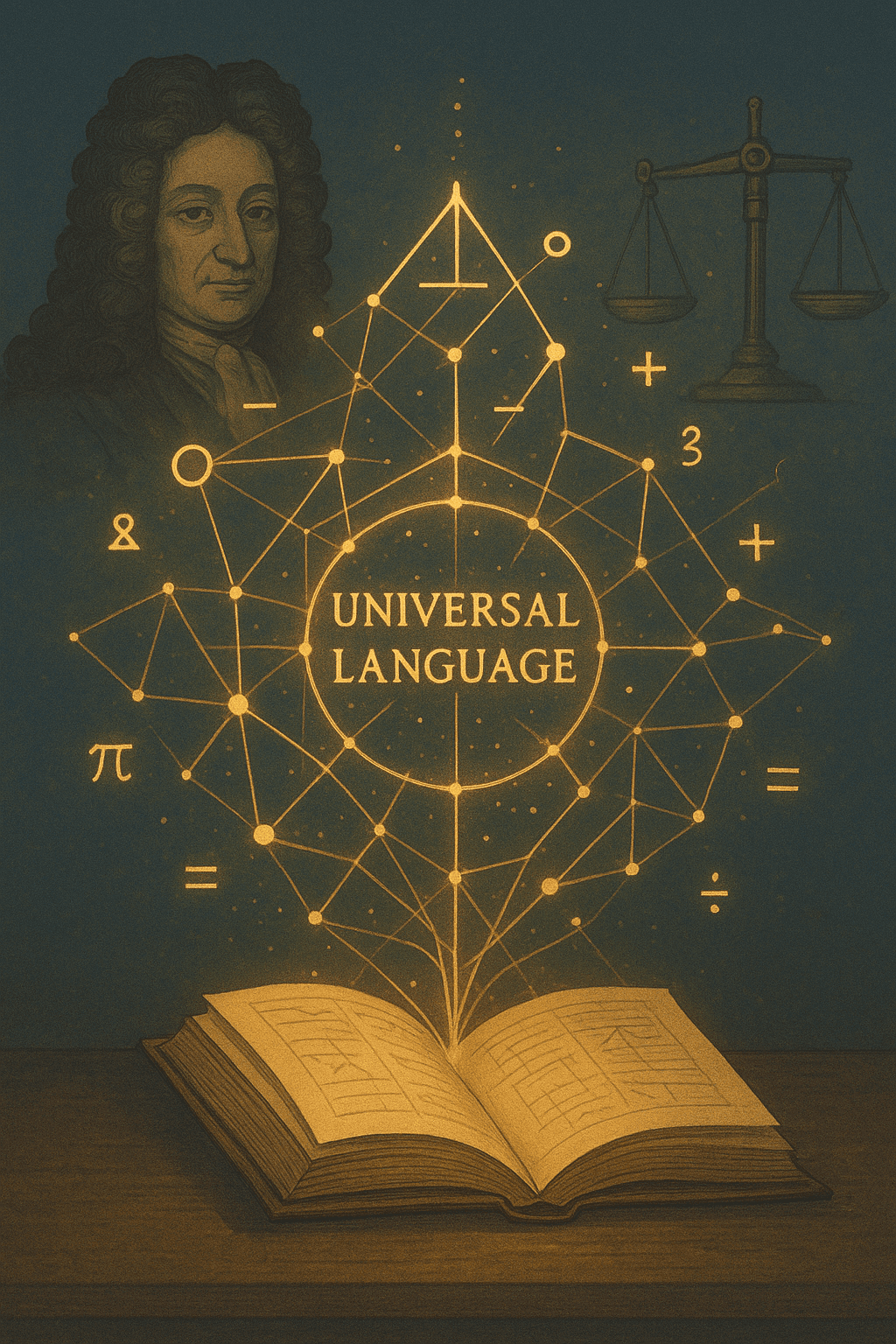
Leibniz's Universal Language Project
Leibniz’s Universal Language Project (Latin: characteristica universalis) is a philosophical and logical endeavor developed by 17th century philosopher Gottfried Wilhelm Leibniz with the aim of representing thoughts in a universal form and making reasoning calculable. Leibniz designed this project not merely as a language to facilitate communication but also as a rational writing system that reflects the workings of the human mind. The project is later regarded as one of the precursors to the co
EN
Esra Can
In the Footsteps of an Inquiry: From Al-Farabi to Anselm
The most general concept the human mind can reach is “existence”, and the highest concept is “God”. Al-Farabi begins precisely from this point. According to him, the human intellect can assert only two fundamental propositions about existence: either it is necessary or it is possible.【1】 Necessary existence… That is, a truth whose existence is inherent and whose nonexistence cannot be conceived. According to Al-Farabi, if such an existence were denied, it would not merely mean the absence of som
EN
Büşra Meral
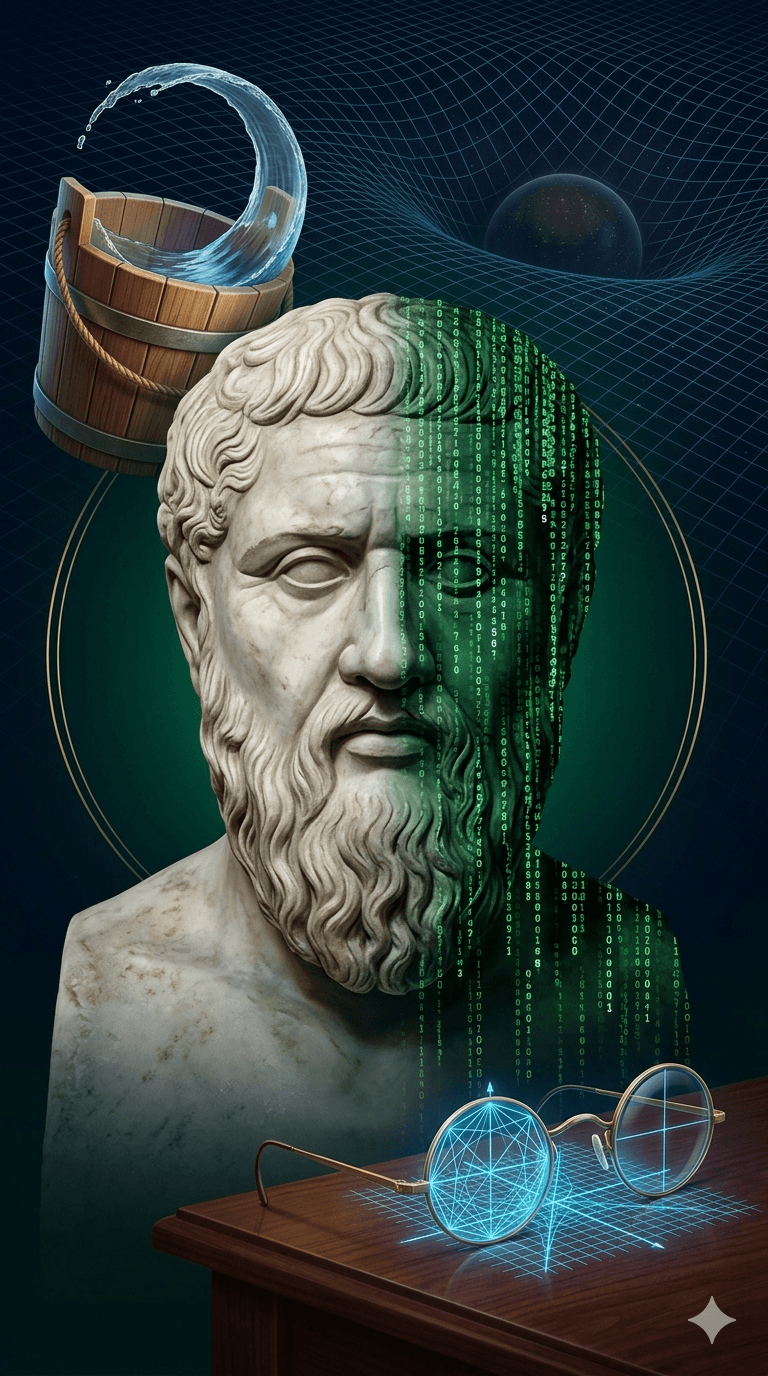
The Problem of Space from Plato to The Matrix
Perhaps the most insidious problem in the history of philosophy is the problem of space. Because the average person, when looking around, does not even question the existence of space. Everything is simply there. You might ask: How can something so obvious be a problem? That is precisely why the problem of space is insidious. It has become a problem precisely because not only ordinary people but also extraordinary individuals have lived in this world. These extraordinary individuals asked: Is sp
EN
Fahrettin Özen

Descartes’ın Şüphe Üzerine Kurduğu Sarsılmaz Dünyası: "Yöntem Üzerine Konuşma"
On yedinci yüzyıl Avrupa’sı, düşünce tarihinde kırılma noktalarından biri olarak kabul edilir. Orta Çağ boyunca baskın olan otoriteye dayalı bilgi anlayışı yerini, bireyin aklına ve sorgulama gücüne bırakmaya başlamıştır. Deneyim, akıl ve bireysel düşünme artık felsefenin merkezine yerleşir. Galileo ve Kepler’in doğa anlayışında yarattığı sarsıntılar, yalnızca bilimsel alanla sınırlı kalmaz; felsefi düşüncenin yönünü de belirler. Descartes'in Bir Tasviri (Yapay Zeka Yardımıyla Oluşturulmuştur) "
TRYaren Erva Keskin
Bir Arayışın İzinde: Fârâbî’den Anselm’e
İnsan aklının ulaşabildiği en genel kavram “varlık”, en yüce kavram ise “Tanrı”dır. Fârâbî tam da bu noktadan hareket eder. Ona göre varlık hakkında aklın söyleyebileceği iki temel hüküm vardır: ya zorunludur ya da mümkündür.【1】 Zorunlu varlık… Yani varlığı kendinden olan, yokluğu düşünülemeyen bir hakikat. Fârâbî’ye göre böyle bir varlık yok sayıldığında sadece bir şey eksilmiş olmaz; bizzat varlığın kendisi, anlamı yok olur. Çünkü O, hiçbir sebebe muhtaç olmayan; aksine her şeyin müsebbibi ola
TRBüşra Meral
Leibniz'in Evrensel Dil Projesi
Leibniz’in evrensel dil projesi (Latince: characteristica universalis), 17. yüzyıl filozofu Gottfried Wilhelm Leibniz tarafından geliştirilen, düşüncelerin evrensel bir biçimde temsil edilmesini ve akıl yürütmenin hesaplanabilir hale gelmesini amaçlayan bir felsefi ve mantıksal girişimdir. Leibniz, bu projeyi yalnızca iletişim kolaylığı sağlayacak bir dil olarak değil, aynı zamanda insan aklının işleyişini yansıtan rasyonel bir yazı sistemi olarak tasarlamıştır. Proje, daha sonraki dönemlerde se
TREsra Can
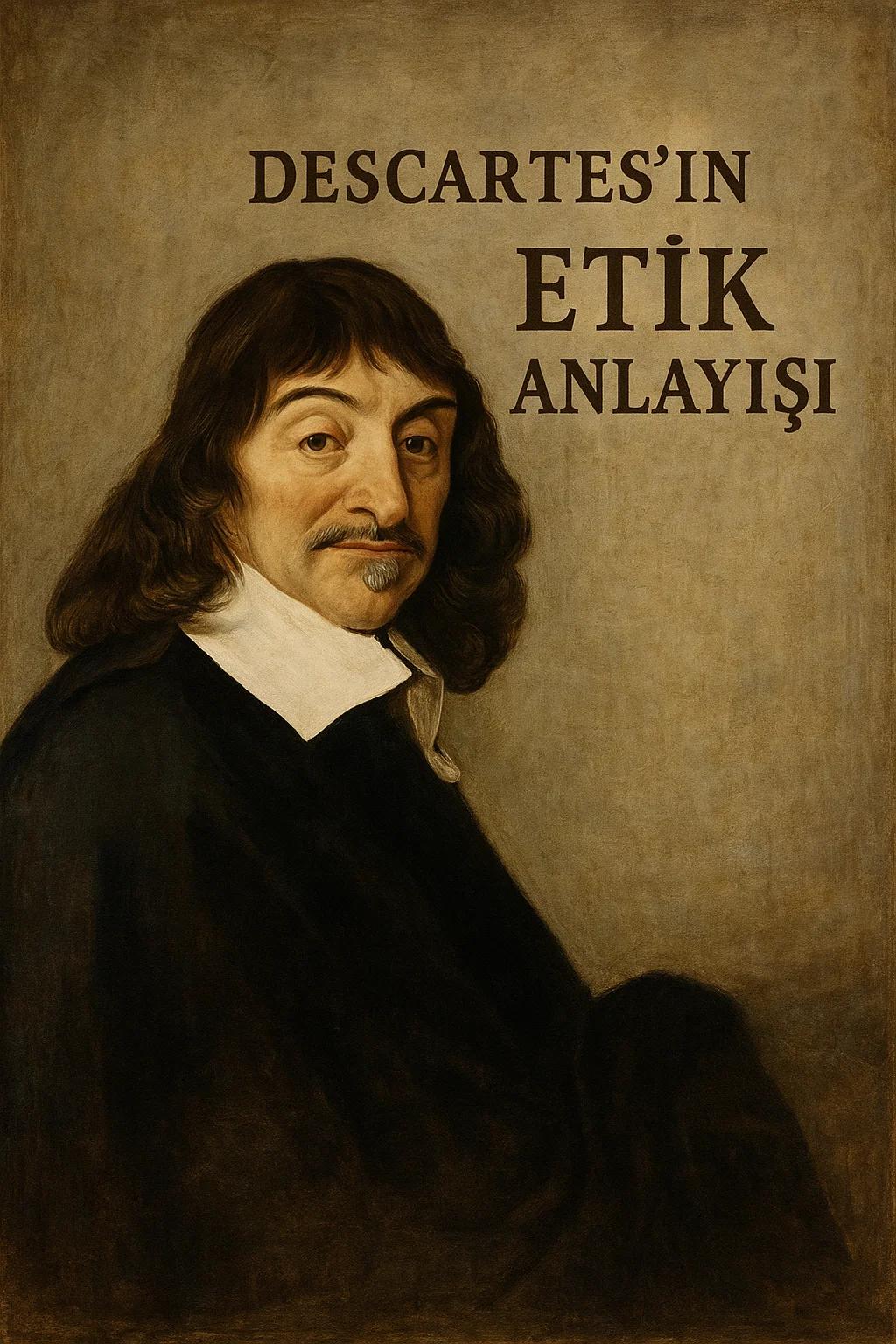
Descartes'ın Etik Anlayışı
Descartes’ın etik anlayışı, ahlaki yaşamı bireyin akıl yoluyla içsel bir düzen kurmasıyla olanaklı gören, niyete dayalı ve bilgelikle bütünleşen bir düşünce yapısıdır. Etik, onun felsefi sisteminde metafizik ve epistemolojiden eyleme geçişi sağlayan bir alan olarak konumlanır ve kuramsal ilkelerin pratik yaşama uygulanmasına imkân tanır. Her ne kadar bağımsız bir ahlak yapıtı kaleme almamış olsa da, çeşitli eserlerinde ve mektuplarında ahlaki meselelere yer vererek bu alandaki görüşlerini ortaya
TRAslı Öncan
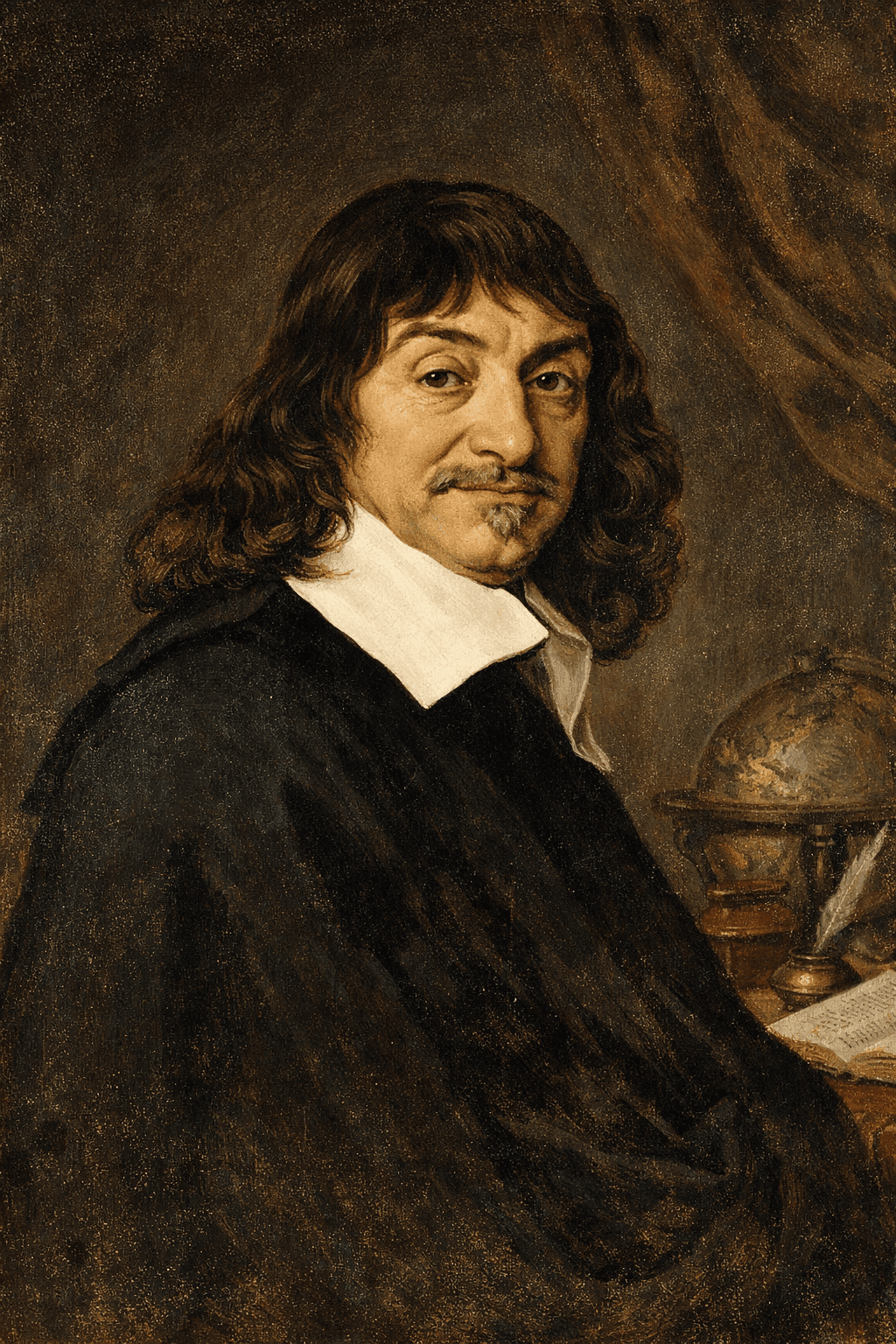
Cogito Ergo Sum (Düşünüyorum, Öyleyse Varım)
Cogito ergo sum, Fransız filozof René Descartes’ın felsefesinin temelini oluşturan ve modern Batı düşüncesinin başlangıç noktalarından biri olarak kabul edilen Latince bir önermedir. İfade, ilk kez Descartes’ın 1637 yılında yayımlanan Discourse on the Method (Yöntem Üzerine Konuşma) adlı eserinde Fransızca olarak “Je pense, donc je suis” biçiminde yer almış, daha sonra 1641 tarihli Meditationes de Prima Philosophia (İlk Felsefe Üzerine Meditasyonlar) adlı eserinde Latince formuyla kullanılmaya b
TR
Nihal Fırat Özdemir