

`culturalvalues` Related Article Results
Monumental Trees
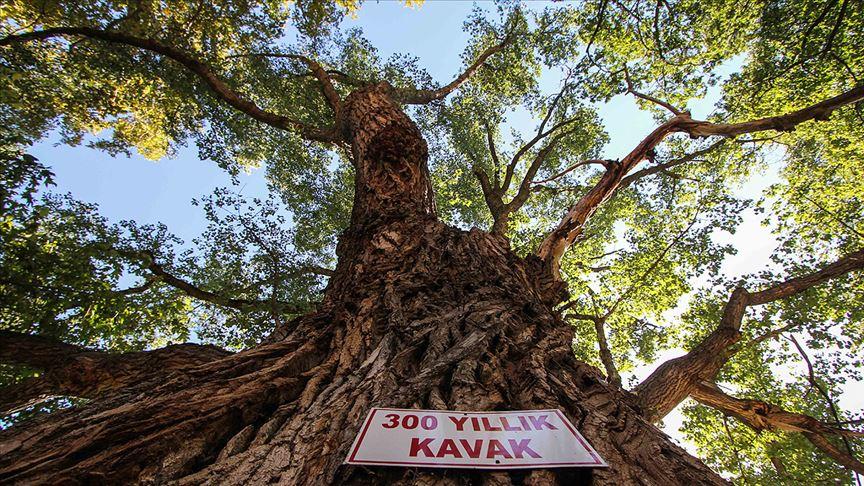
Monumental Trees are natural entities that reach values exceeding the average physiological limits of their species in terms of age, trunk diameter, crown width, and height, and which have sustained their existence for centuries throughout their natural lifespan, thereby providing continuity between the past, present, and future. In addition, individuals associated directly or indirectly with the historical events, cultural heritage, beliefs, and folkloric values of their regions are also regard
EN
Nursena Şahin
 Se
SeSelling Snails in the Muslim Neighborhood
Imagine this: your cart is filled with the most rare and finest products in the world. You have traveled long distances and have no doubt about the value of the treasures in your hands. Yet when you arrive at a town square and set up your stall, you notice people staring at you with astonishment—and even a hint of hostility. The problem is not the quality of your product but its alienness in that very place. This is precisely the situation we respond to with one of the deepest social observation
EN
Meryem Yılmaz
Safranbolu Chocolate Museum
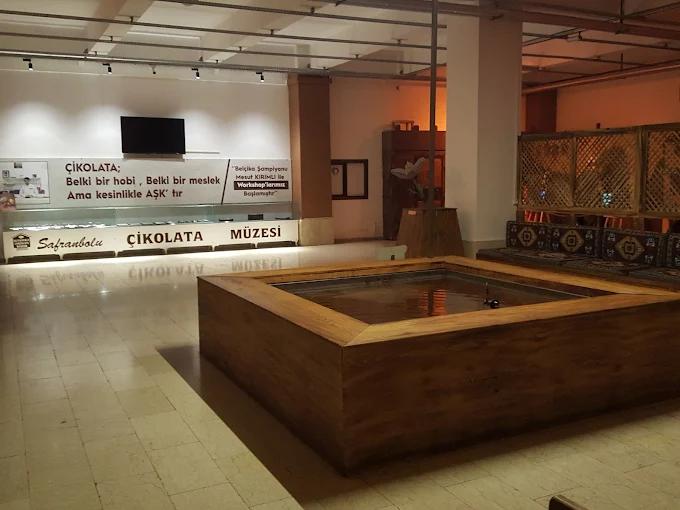
Safranbolu Chocolate Museum opened on 08.08.2019 in the district of Safranbolu, which belongs to Karabük Province and is listed on the UNESCO World Cultural Heritage List. 【1】The museum was established by Mesut Kırımlı, a Safranbolu entrepreneur and chocolate master who received gastronomy training abroad. The institution’s commercial activities are carried out under the company name "My Chocolate". 【2】 The official opening ceremony was held as part of the 20th International Golden Saffron Docum
EN
Gözde Cabadak
Uzbekistan
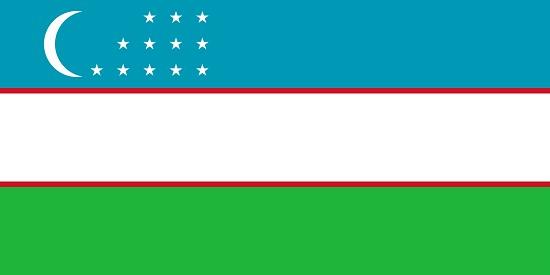
Uzbekistan Republic; is a landlocked state located in the center of Central Asia, bordered by the Tian Shan mountains to the east and the Turan Depression to the west. The majority of its territory is covered by the Kyzylkum Desert. With an area of approximately 447,400 km², Uzbekistan is one of only two “double landlocked” countries in the world, meaning it is landlocked and all its neighbors are also landlocked.【1】 With a population of 37.7 million according to recent data, Uzbekistan is the m
EN
Bahtışen Kabak
Culture in the Grip of Uncertainty: A Perspective from Hofstede to Postmodernism
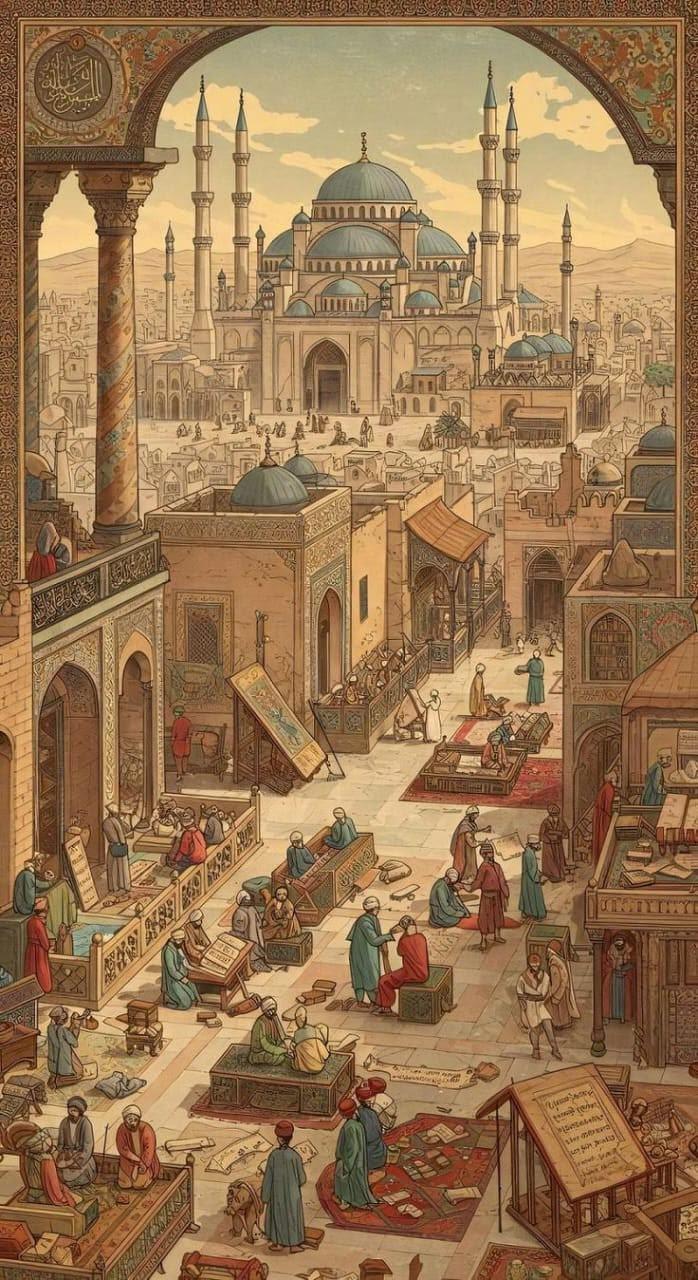
Social psychologist and sociologist Hofstede defines culture as “the collective programming of the mind that distinguishes the members of one group or society from another and is acquired through the process of living, shaping the interactions between a society and its environment.”【1】 According to him, culture represents a shared set of characteristics; it is an phenomenon in which material and immaterial interactions or actions are jointly performed and sustained. Hofstede further examined cul
EN
Zeyneb KILIÇ